Cinnamon: Natural Benefits for Gut Health, Blood Pressure, and Daily Wellness
When you think of cinnamon, a warm, aromatic spice derived from the bark of trees in the Cinnamomum genus, commonly used in cooking and traditional medicine. Also known as Ceylon cinnamon or cassia, it has been used for thousands of years not just for flavor, but for its calming, healing properties. This isn’t just about adding it to your oatmeal or coffee—it’s about how it quietly works inside your body to support digestion, ease inflammation, and even help balance your blood pressure.
Studies show that cinnamon, a natural compound-rich spice with antioxidant and anti-inflammatory properties can help improve gut health by supporting a balanced microbiome. It’s not a probiotic, but it acts like a quiet gardener in your digestive tract, encouraging good bacteria and reducing bloating. Many of the posts here focus on gut health, and cinnamon shows up again and again—not as a miracle cure, but as a simple, daily tool that works alongside fiber, hydration, and stress management. It’s also linked to better blood sugar control, which indirectly helps your gut and your energy levels stay steady all day.
Then there’s blood pressure, a key indicator of cardiovascular health that many people manage through diet, movement, and mindfulness. Research suggests that just half a teaspoon of cinnamon a day may help lower systolic pressure slightly—enough to make a difference when paired with other habits like meditation, deep breathing, or walking after meals. You won’t find magic here, just consistency. And that’s what these posts are built on: small, repeatable actions that add up. Cinnamon fits right in with those practices. It’s not a replacement for medical advice, but it’s a gentle, tasty way to support what you’re already doing.
What ties all this together? anti-inflammatory, a biological response that, when chronic, contributes to fatigue, brain fog, and digestive discomfort. Cinnamon contains cinnamaldehyde, a compound that helps quiet inflammation at the cellular level. That’s why it shows up in posts about stress relief, emotional well-being, and even sleep quality. When your body isn’t fighting constant low-grade inflammation, your mood improves, your digestion settles, and your sleep deepens. It’s not a direct fix—but it removes one of the hidden barriers holding you back.
You’ll find posts here that talk about gut health, meditation for blood pressure, and mindfulness for daily stress. Cinnamon doesn’t replace those, but it complements them. It’s the spice you can add while you sip your morning tea before meditating, or sprinkle on your high-fiber breakfast before heading to work. No supplements. No fancy routines. Just something real, something you already have, doing something real for your body.
What follows isn’t a list of cinnamon recipes—it’s a collection of practical, science-backed ways people are using everyday tools like this to build better health. You’ll see how cinnamon fits into bigger habits: better digestion, calmer nerves, steadier energy. No hype. No gimmicks. Just the quiet, consistent power of simple things done well.
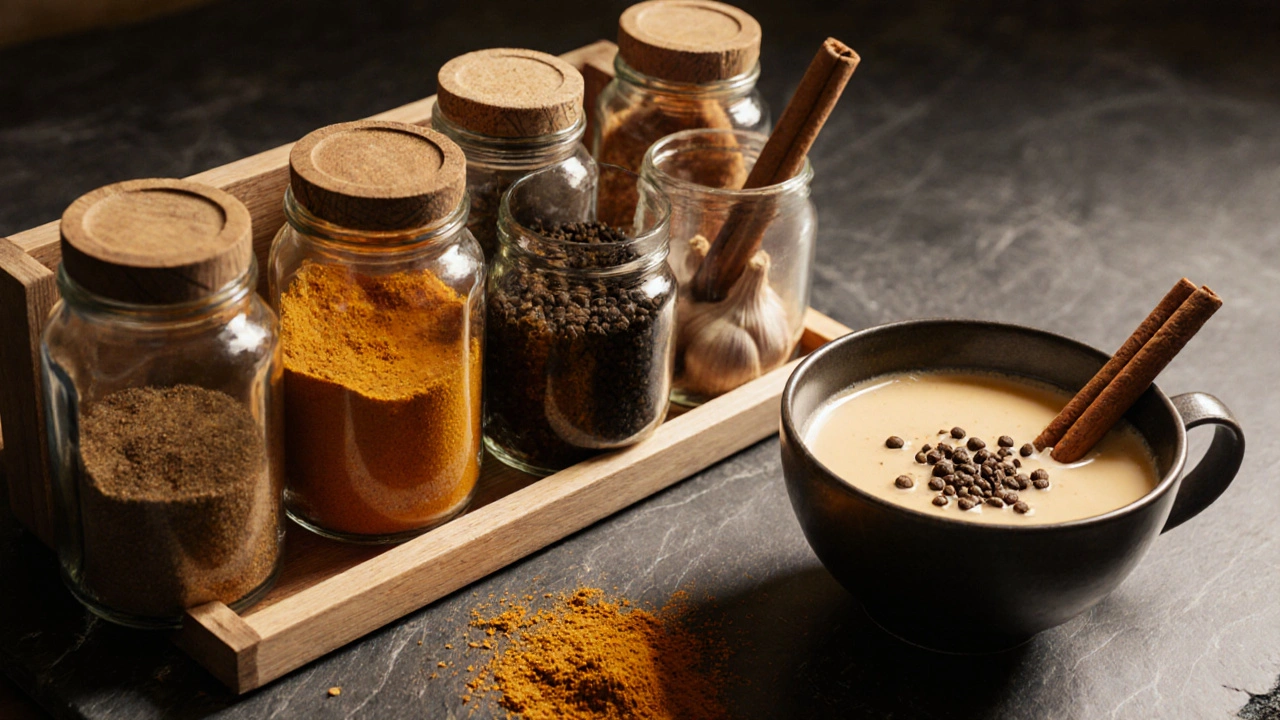
The Underrated Health Benefits of Spices You're Missing Out On
Spices like turmeric, cinnamon, ginger, garlic, and black pepper aren't just for flavor-they're powerful tools for reducing inflammation, balancing blood sugar, and boosting immunity. Learn how to use them daily for real health benefits.
Read More