Classroom Meditation
When teachers use classroom meditation, a short, guided practice to help students settle their minds before or during lessons. Also known as mindfulness in schools, it’s not about silence or spiritual practice—it’s about giving kids a moment to breathe, reset, and show up ready to learn. You don’t need a yoga mat or incense. Just five quiet minutes. That’s all it takes to lower heart rates, reduce outbursts, and help kids who are overwhelmed by noise, pressure, or anxiety find their center.
It works because mindfulness in schools, the practice of teaching attention and emotional awareness to children in educational settings isn’t magic—it’s biology. When a child’s nervous system is stuck in fight-or-flight mode from too much screen time, loud hallways, or home stress, their brain can’t focus on math or reading. Classroom meditation activates the parasympathetic system—the body’s natural calm switch. Studies from Harvard and UCLA show kids who meditate daily improve attention spans, reduce anxiety, and even score higher on tests. And it’s not just for the quiet ones. The most restless kids often benefit the most.
Teachers aren’t asking students to sit still like statues. They’re teaching them to notice their breath, feel their feet on the floor, or listen to a bell until the sound fades. Some classes do it after lunch when energy crashes. Others start the day with it to set a calm tone. A few use it before tests to ease panic. It’s flexible, free, and fits into any schedule. You don’t need training to start—just a calm voice and a willingness to pause. And it helps teachers too. When the room quiets down, so does the stress in the front of the class.
student focus, a child’s ability to stay on task and absorb information without distraction isn’t something you can force. It’s built through repetition, safety, and small wins. Classroom meditation gives kids a tool they can use anytime—when they’re frustrated, bored, or overstimulated. It turns reactive behavior into self-awareness. And over time, that changes the whole classroom culture.
What you’ll find below are real, practical guides from teachers who’ve made this work. No theory. No fluff. Just how they started, what stumbled them, and what actually kept kids engaged. Whether you’re a teacher, parent, or school administrator, you’ll find simple steps to bring calm into a busy day—without adding more to your plate.
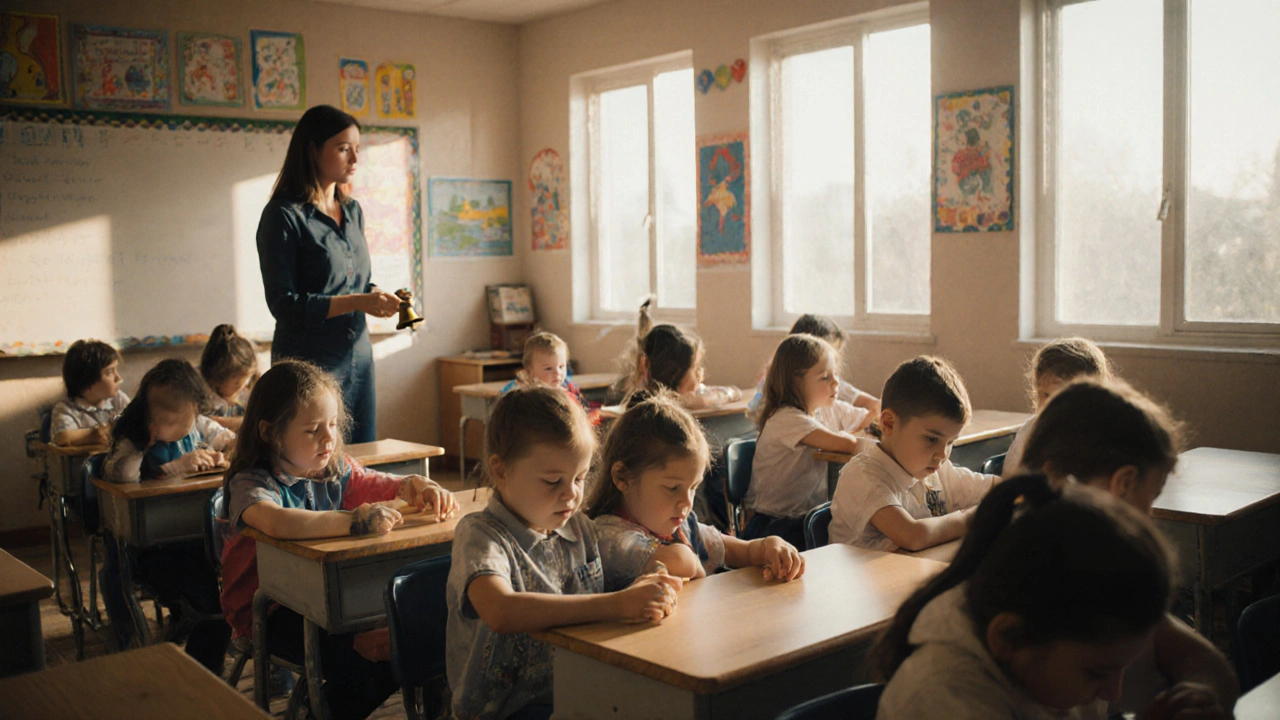
Meditation: A Potential Game-Changer in Education
Meditation in schools is quietly transforming classrooms by improving focus, reducing stress, and helping students manage emotions. Real data shows better behavior, attendance, and test scores-not from more studying, but from learning to pause.
Read More