Meditation for Education: How Mindfulness Boosts Learning and Focus
When you think about meditation for education, a practical, evidence-based tool to improve attention, reduce anxiety, and support emotional growth in learning environments. Also known as mindfulness in schools, it’s not about sitting cross-legged for hours—it’s about giving students and teachers a moment to reset their minds so learning can actually stick. Schools that use meditation for education report fewer disruptions, better test scores, and students who feel more in control of their emotions. It’s not magic. It’s biology. When the brain is calm, it’s better at absorbing information, recalling facts, and solving problems.
mindfulness, the practice of paying attention to the present moment without judgment is the core of meditation for education. It doesn’t require special tools, apps, or training. A simple three-breath pause before a test, or five minutes of quiet breathing after lunch, can shift a student’s nervous system from fight-or-flight to focus mode. Teachers who use it notice kids are less reactive, more patient, and better at handling frustration. And it’s not just for students—teachers who practice mindfulness report lower burnout and more patience in the classroom. This isn’t a trend. It’s a response to rising stress levels in schools, backed by studies from Harvard and Stanford showing improved attention spans and emotional regulation after just a few weeks of regular practice.
focus, the ability to concentrate on a task without distraction is the biggest win for education. Kids today are bombarded with notifications, social pressure, and academic demands. Meditation for education teaches them to notice when their mind wanders—and gently bring it back. That skill doesn’t just help with math homework. It builds resilience for life. When a student learns to manage their attention, they’re also learning how to manage stress, regulate emotions, and stay calm under pressure. These are the same skills that help adults in high-stakes jobs, but starting early gives kids a real advantage.
What you’ll find in the posts below are real, practical ways meditation for education works in daily life. From simple breathing exercises that fit into a 10-minute break, to how emotional regulation helps kids handle failure in class, to why a calm classroom is a better classroom. You’ll see how these practices connect to gut health, sleep, and even how food affects focus. No fluff. No hype. Just what works.
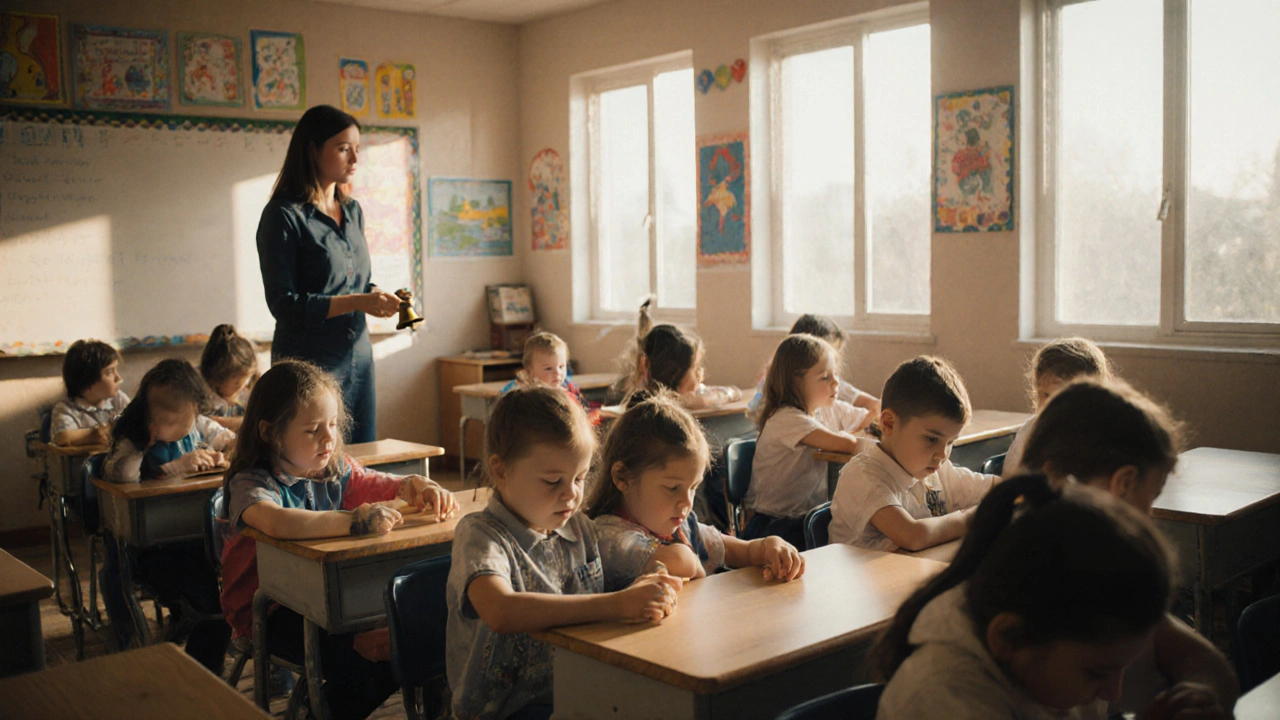
Meditation: A Potential Game-Changer in Education
Meditation in schools is quietly transforming classrooms by improving focus, reducing stress, and helping students manage emotions. Real data shows better behavior, attendance, and test scores-not from more studying, but from learning to pause.
Read More