Student Mindfulness: Simple Ways to Stay Calm and Focused in College
When you're juggling classes, part-time work, and social pressures, student mindfulness, a practical way to train your mind to stay present instead of reacting to stress. Also known as mindfulness for students, it doesn’t require hours of meditation or special apps—just a few mindful moments each day to reset your nervous system. This isn’t about being perfect. It’s about noticing when your thoughts spiral before an exam, or when your stomach knots up before a presentation, and choosing to breathe instead of panic.
Stress relief for students, the immediate reduction of mental and physical tension caused by academic pressure often comes from small, repeatable actions. A 60-second breathing pause before class. Walking to the library without headphones. Writing down three things you’re grateful for before bed. These aren’t fluffy ideas—they’re tools backed by studies showing lower cortisol levels, better sleep, and improved memory retention in students who practice them consistently. Focus techniques, methods that help direct attention away from distractions and toward the task at hand like mindful listening or single-tasking (yes, just one thing at a time) are proven to boost study efficiency. You don’t need to be calm all the time—you just need to know how to return to calm when things get loud.
Emotional regulation, the ability to recognize, understand, and respond to emotions instead of being controlled by them is the quiet superpower students don’t talk about but desperately need. When you feel overwhelmed, anxious, or frustrated, mindfulness helps you pause before snapping at a roommate, skipping a meal, or pulling an all-nighter out of panic. It’s not about ignoring stress—it’s about changing your relationship to it. And that’s exactly what the posts below cover: real, no-nonsense strategies used by students who’ve been there. You’ll find quick practices for exam season, ways to calm your gut when stress hits your digestion, and simple habits that fit between lectures and coffee runs. No retreats. No apps. Just what works when you’re tired, busy, and need to feel like yourself again.
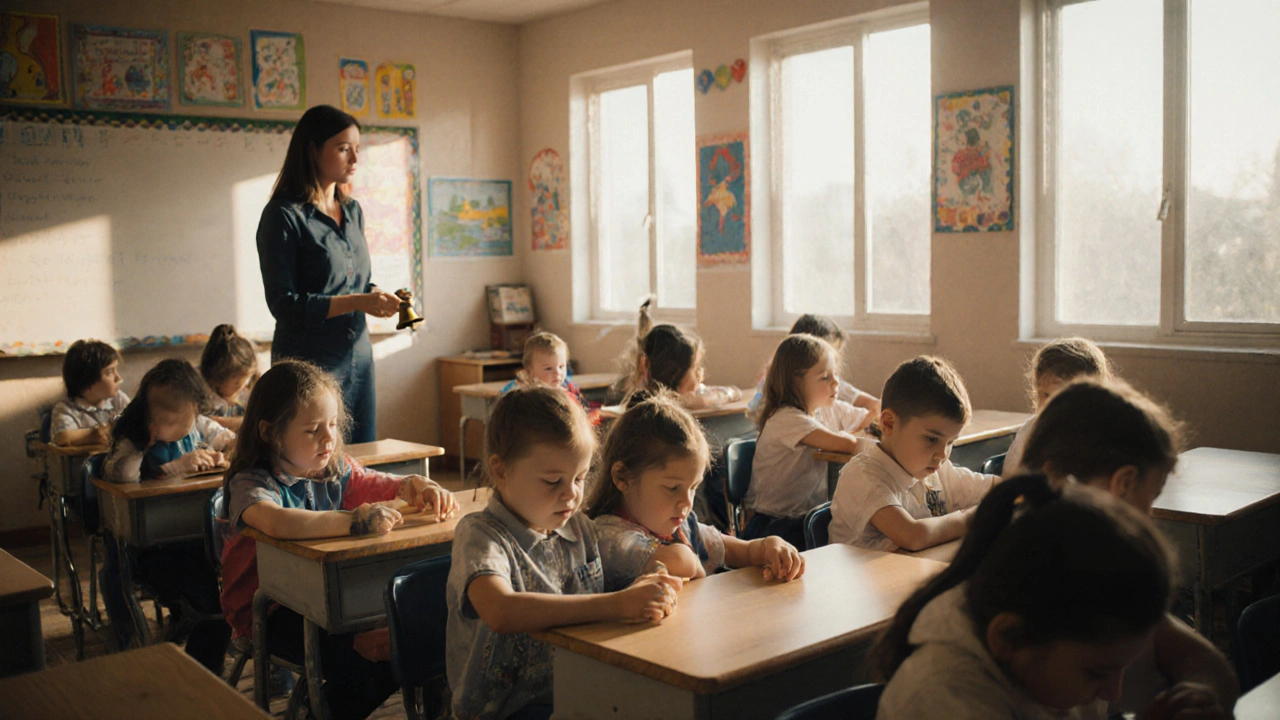
Meditation: A Potential Game-Changer in Education
Meditation in schools is quietly transforming classrooms by improving focus, reducing stress, and helping students manage emotions. Real data shows better behavior, attendance, and test scores-not from more studying, but from learning to pause.
Read More