Quick Guide: Your Starter Kit
- Lavender: The gold standard for sleep and anxiety.
- Peppermint: Perfect for headaches and mental alertness.
- Eucalyptus: The go-to for respiratory congestion.
- Lemon: A natural mood booster and cleaning agent.
- Tea Tree: The ultimate first-aid oil for skin and immunity.
- Frankincense: Great for grounding and skin rejuvenation.
- Sweet Orange: The simplest way to fight a bad mood.
The Calm Collector: Lavender and Frankincense
If you only buy one bottle, make it Lavender is an aromatic oil derived from the Lavandula angustifolia plant, prized for its anxiolytic and sedative properties. It contains linalool, a compound that helps lower blood pressure and slow down a racing heart. If you've had a day where your boss wouldn't stop emailing you at 6 PM, a few drops of lavender in a diffuser or diluted on your wrists can act like a biological "off switch" for stress.
While lavender is for the "crash," Frankincense is for the "center." Extracted from the Boswellia tree resin, this oil is often called the king of oils. Unlike the floral sweetness of lavender, Frankincense has a woody, earthy scent. It's an incredible tool for mindfulness. When you feel scattered, smelling Frankincense helps slow your breathing and brings you back into your body. It's also a favorite in skincare because it helps reduce the appearance of fine lines and age spots by supporting cellular health.
The Energy Boosters: Peppermint and Lemon
We've all hit that 3 PM wall where the brain just stops working. Instead of reaching for a fourth coffee, try Peppermint. This oil contains high concentrations of menthol, which stimulates the hippocampus-the part of the brain linked to memory and attention. Rubbing a diluted drop on your temples can clear "brain fog" faster than most supplements. Just be careful; it's potent. If you put it too close to your eyes, the vapors can make them water.
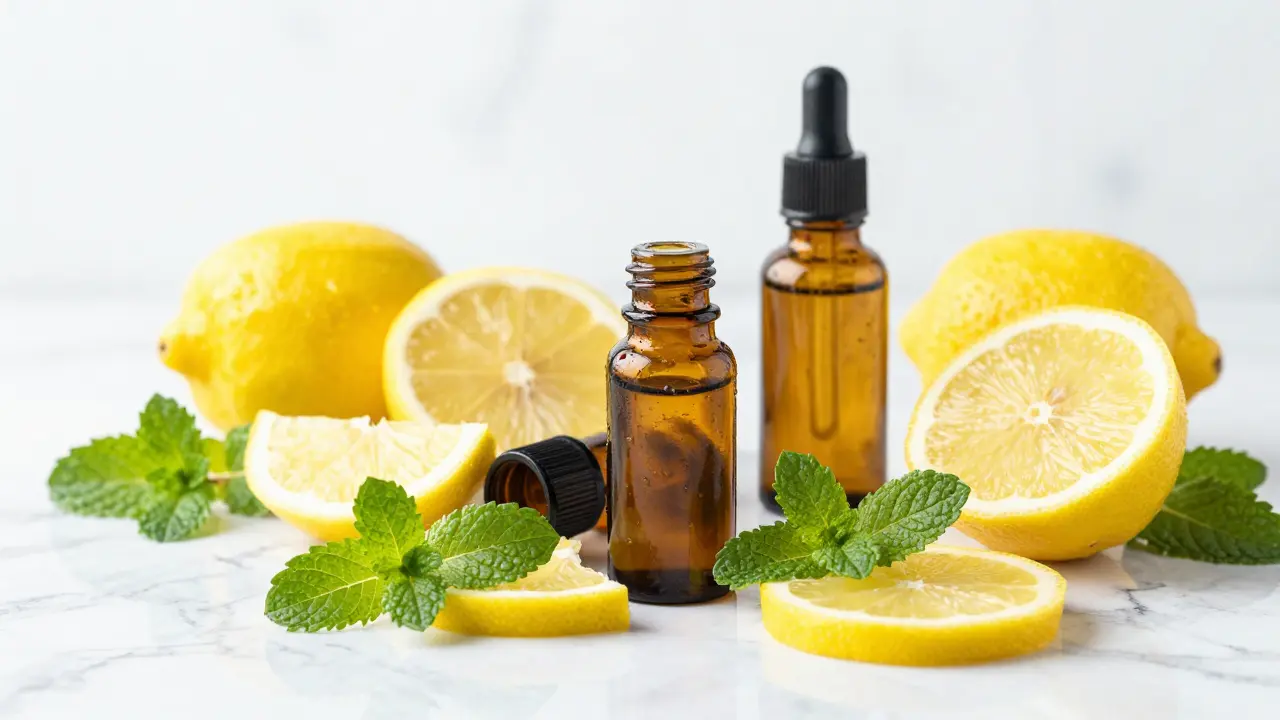
Then there is Lemon oil. It's the olfactory equivalent of opening the curtains on a sunny morning. Lemon is a powerful mood elevator. It contains limonene, which has been shown in clinical settings to reduce cortisol levels. Beyond your mood, it's a powerhouse for the home. Because it's naturally antimicrobial, it's the perfect addition to a homemade surface cleaner. Mix it with white vinegar and water for a fresh, chemical-free home.
| Oil | Primary Use | Scent Profile | Key Compound |
|---|---|---|---|
| Lavender | Sleep & Anxiety | Floral | Linalool |
| Peppermint | Focus & Energy | Minty | Menthol |
| Lemon | Mood & Cleaning | Citrus | Limonene |
| Tea Tree | Skin & Immunity | Medicinal | Terpinen-4-ol |
The Health Heroes: Tea Tree and Eucalyptus
Not every oil is about a "vibe"; some are about utility. Tea Tree oil (Melaleuca alternifolia) is essentially a natural pharmacy in a bottle. It is one of the most powerful antifungal and antibacterial oils available. If you have a sudden breakout of acne or a fungal nail issue, a tiny bit of Tea Tree oil applied directly (though a carrier oil is safer for sensitive skin) can clear it up. It doesn't smell like a flower; it smells like a pharmacy, which is exactly why it works so well for first aid.
When your sinuses feel like they've been glued shut, Eucalyptus is the answer. It contains eucalyptol, which acts as a mucolytic, meaning it helps break up the mucus in your lungs and sinuses. A pro tip: put two drops on the floor of your shower. The steam will carry the oil up, creating a natural sauna that opens your airways. It's a game-changer during the winter flu season.
The Happy Helper: Sweet Orange
Finally, we have Sweet Orange. While Lemon is about energy and cleanliness, Orange is about pure joy. It's one of the most accessible oils for children and pets (though always check safety guides first). If you're feeling grumpy or overwhelmed, the scent of orange triggers the release of serotonin. It's the perfect blend partner for almost everything else on this list. Orange and Lavender together create a relaxing, sunny atmosphere that is hard to dislike.
The Golden Rule of Safety: Dilution
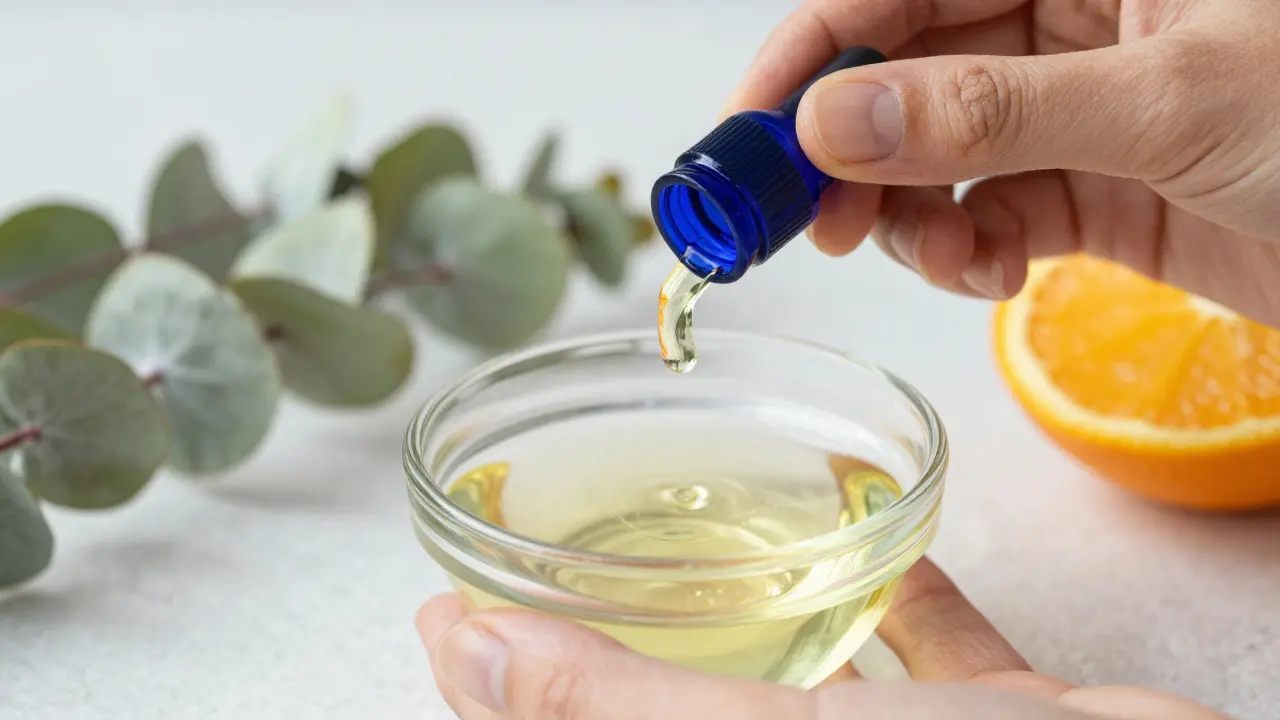
You cannot just pour these oils directly onto your skin. Essential oils are highly concentrated; for example, it takes about 250 pounds of lavender flowers to make just one pound of essential oil. Applying them "neat" can lead to chemical burns or permanent skin sensitization. You need a Carrier Oil, which is a fatty oil used to dilute the essential oil. Common options include Jojoba oil, Sweet Almond oil, or Fractionated Coconut oil. A safe rule of thumb for adults is a 2% dilution, which is roughly 10-12 drops of essential oil per 30ml of carrier oil.
Another point of caution is photosensitivity. Citrus oils like Lemon and Sweet Orange can make your skin hyper-sensitive to UV rays. If you apply them to your skin and then go sit in the sun, you might end up with a nasty sunburn in the shape of where you applied the oil. Always use citrus oils in your diffuser or apply them only to areas that will stay covered by clothing.
How to Mix Your Own Blends
Once you have these seven oils, you can create custom recipes. The secret to a good blend is the "Note" system. Think of it like a song: you need a base, a melody, and a highlight.
- Base Notes (Long-lasting, heavy): Frankincense. These ground the scent.
- Middle Notes (The heart of the blend): Lavender, Tea Tree, Eucalyptus. These provide the main character.
- Top Notes (First impression, evaporates quickly): Lemon, Peppermint, Orange. These give the immediate "pop."
Try these three combinations to get started:
- The Sleepy Head: 3 drops Lavender + 2 drops Frankincense. Use this in a diffuser 30 minutes before bed.
- The Productivity Powerhouse: 3 drops Peppermint + 2 drops Lemon. Great for when you're studying or tackling a huge spreadsheet.
- The Winter Shield: 2 drops Eucalyptus + 2 drops Tea Tree + 1 drop Lemon. Perfect for keeping the air fresh when everyone in the house is sneezing.
Can I ingest essential oils?
Generally, no. You should never swallow essential oils unless you are under the direct supervision of a certified clinical aromatherapist or medical doctor. Many oils are toxic to the liver or can burn the lining of the esophagus. Stick to diffusion and topical application with carrier oils.
What is the difference between "fragrance oil" and "essential oil"?
This is a huge distinction. Fragrance oils are synthetic, man-made chemicals designed to smell like something. They have no therapeutic value. Essential oils are extracted directly from plants via steam distillation or cold pressing and contain the actual chemical compounds of the plant that provide health benefits.
How do I know if an oil is high quality?
Avoid bottles that say "perfume oil" or "fragrance." Look for the Latin name of the plant on the label (like Lavandula angustifolia). The bottle should be dark glass (amber or cobalt) because sunlight breaks down the chemical compounds. If the price seems too good to be true-like $2 for a large bottle of Frankincense-it's likely diluted with synthetic fillers.
Are essential oils safe for cats and dogs?
Be very careful. Animals have different liver enzymes than humans. For example, Tea Tree and Peppermint can be toxic to cats if diffused in a small, closed room or applied to their skin. Always ensure your pet can leave the room where a diffuser is running and never apply oils directly to their fur without vet approval.
How long do essential oils last?
Citrus oils (Lemon, Orange) oxidize the fastest and usually last about 1-2 years. Heavier oils like Frankincense or Sandalwood can last 3-5 years if stored in a cool, dark place. If an oil smells "off" or like plastic, it has oxidized and should be tossed.
Next Steps for Your Aromatherapy Journey
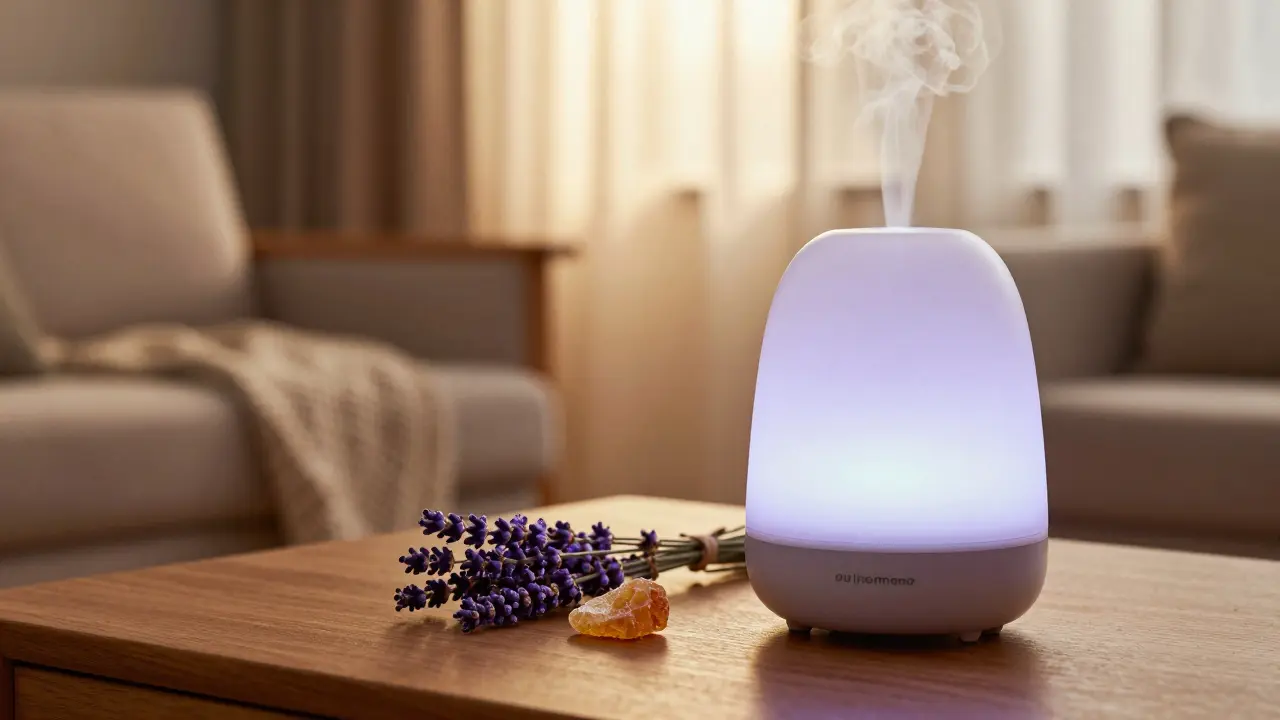
If you've mastered these seven oils, your next move is to explore "synergies." This is where you start mixing oils based on specific health goals. You might want to look into carrier oil types to see which one fits your skin best-Jojoba is great for oily skin, while Almond is better for dry skin. Also, consider investing in a high-quality ultrasonic diffuser, which uses water and vibrations to disperse the oil without heating it, preserving the delicate chemical properties of the plant.