Mental Health: Simple Steps to Feel Better Every Day
Ever felt your mind running like a radio on too many stations? Mental health isn't about fixing something broken—it's about learning which stations help you. You can start small and get real results.
First, notice the signs. Trouble sleeping, constant worry, sudden mood changes, avoiding friends, or feeling numb are clear signals. Pinpointing one or two of these makes it easier to act. If your work, relationships, or daily tasks slip, that’s a red flag to take action now.
Quick daily habits
Small habits add up. Try three things: a five-minute breathing break, a short walk, and one tiny task you finish each day. Breathing slows your heart and clears your head. Walking boosts mood chemicals and breaks a negative thought loop. Finishing a small task gives you a win—use that to build momentum.
Use tech wisely. A mood or sleep tracker app can show patterns you miss. But set limits: social feeds can spike anxiety. Pick one app for help—guided breathing, sleep stories, or CBT exercises—and mute the rest for an hour each day.
Connect with people. Talk about how you feel with someone you trust or join a local group. You don’t need to overshare—just a “I’m having a rough day” can change how you feel. Real human contact reduces stress hormones and reminds you you aren’t alone.
When to get help and what to try
If symptoms persist for weeks, get worse, or lead to self-harm thoughts, reach out to a professional. Start by calling your primary care doctor, a therapist, or a crisis line. Therapies like CBT, creative arts therapy, and mindfulness-based approaches help many people. Ask about short-term plans so you know what to expect.
Medication can be useful for some conditions. It often works best with therapy, not alone. Talk openly with a clinician about side effects and follow-up plans. Trust your instincts—if one approach doesn’t fit, ask about other options.
Build a toolbox. Include a few go-to strategies: breathing, grounding exercises (name 5 things you see), a playlist that calms you, and a contact list of people you trust. Put this list where you can reach it during a tough moment.
Stigma still exists, but talking changes that. Share what works for you and read real stories—others’ experiences can give practical ideas, not just hope. If you need guidance, our articles cover anxiety, stress, mindfulness, creative therapies, and how tech affects well-being. Pick one small step today and try it for a week.
Try improving sleep first: set a regular bedtime, dim lights an hour before, and avoid caffeine late in the day. If budget is tight, look for sliding-scale clinics, community mental health centers, or free online peer support groups. Employers often offer mental health benefits—check your HR or benefits portal. Keep a simple mood journal for two weeks to notice trends you can discuss with a clinician. Small practical moves make a big difference when you stick with them and keep going.
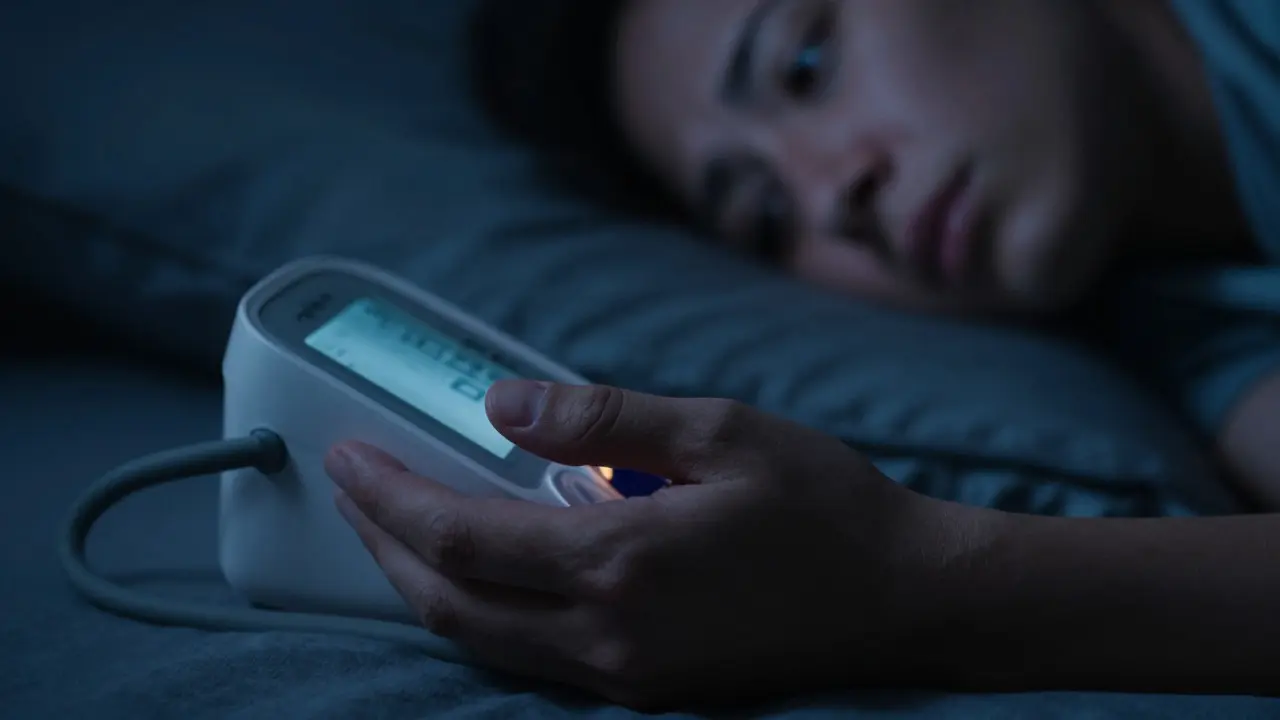
Health Anxiety: Signs, Causes, and How to Break the Cycle
Discover how to identify and manage health anxiety. Learn practical strategies like CBT and mindfulness to break the cycle of fear and regain control over your well-being.
Read More
Health Anxiety: Signs, Causes, and How to Stop the Cycle of Fear
Discover how health anxiety impacts daily life and learn practical strategies, including CBT and mindfulness, to break the cycle of fear and reclaim your well-being.
Read More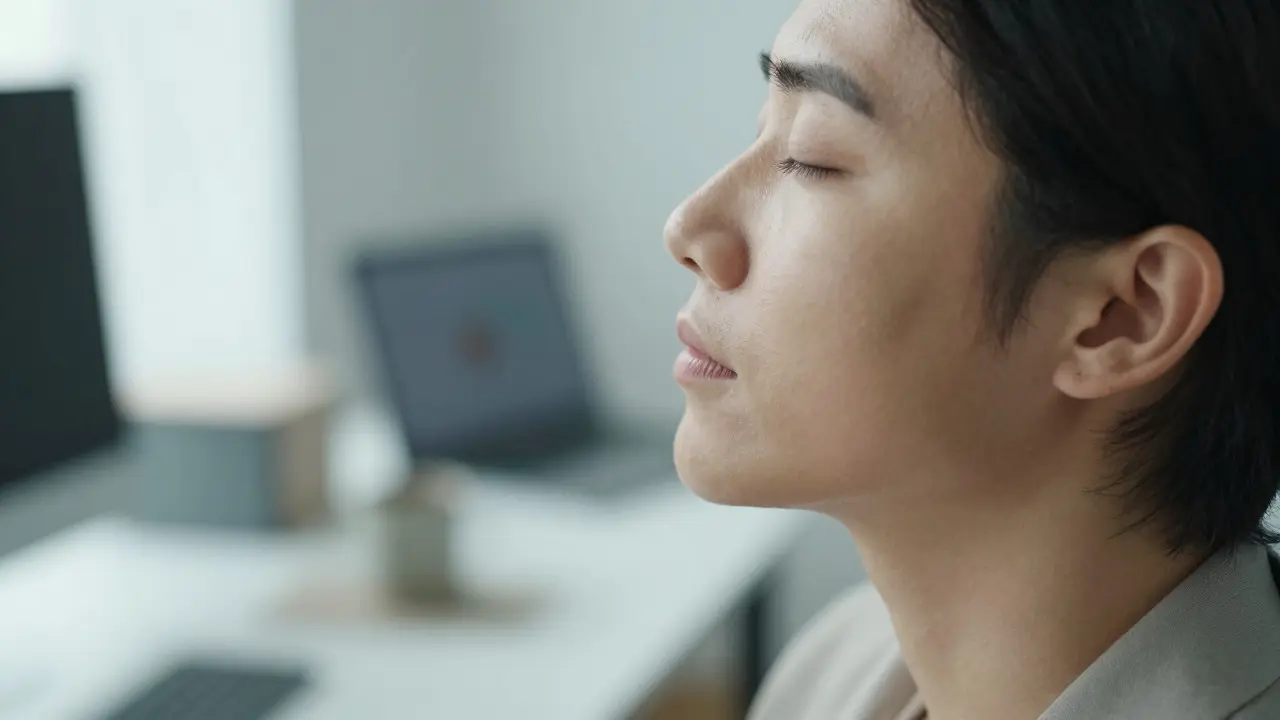
7 Practical Relaxation Techniques to Master Stress in 2026
Struggling with daily stress? Discover 7 practical relaxation techniques like box breathing and progressive muscle relaxation that help you manage tension quickly and effectively.
Read More
Relaxation Techniques: The Missing Puzzle Piece in Your Wellness Routine
Discover why relaxation techniques are the critical missing link in your wellness routine. Learn evidence-based methods like diaphragmatic breathing and PMR to regulate your nervous system, reduce cortisol, and build true resilience.
Read More
Health Anxiety: How to Handle the Fear of Illness
Struggling with health anxiety? Learn practical strategies to break the cycle of fear, stop symptom checking, and regain control using CBT techniques and mindfulness.
Read More
Health Anxiety: Causes, Consequences, and Coping Mechanisms
Explore the causes, consequences, and coping mechanisms for health anxiety. Learn how to break the cycle of worry, understand the role of CBT, and reclaim your peace of mind.
Read More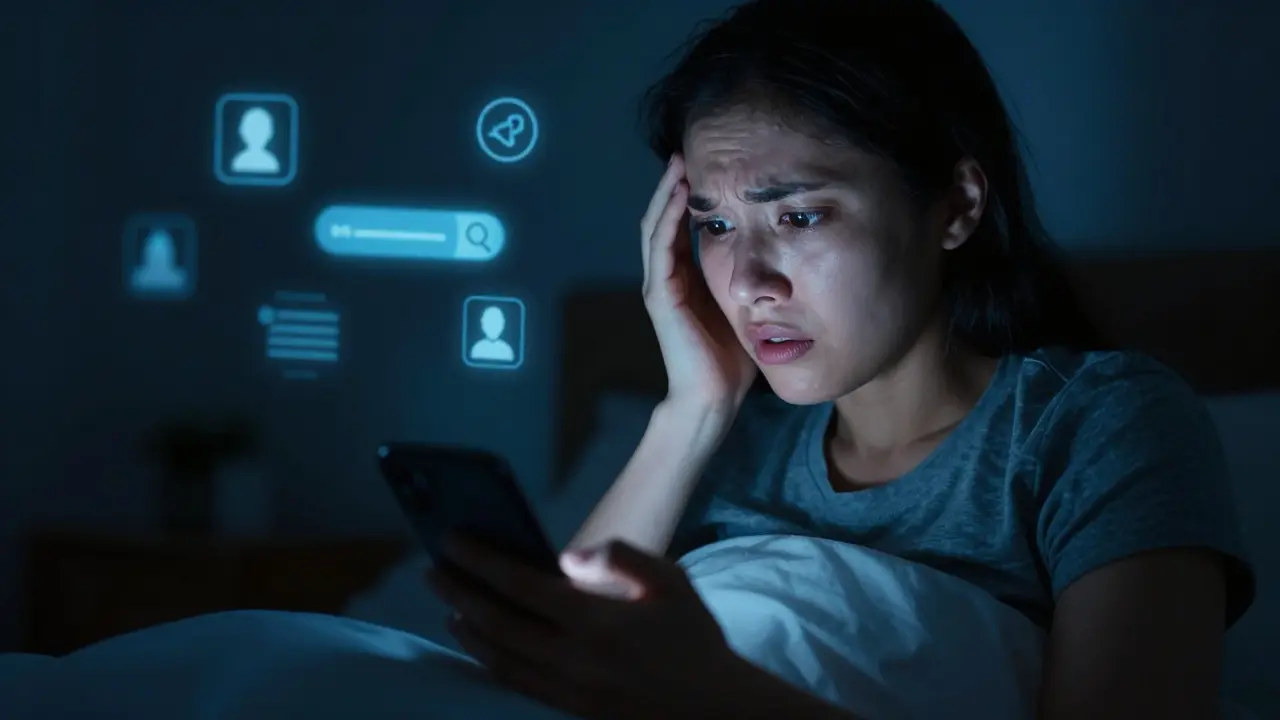
Health Anxiety: Understanding Causes, Consequences, and Proven Coping Mechanisms
Discover the root causes of health anxiety, its impact on daily life, and effective coping mechanisms like CBT and mindfulness to regain control.
Read More
Top 10 Biofeedback Techniques for Stress Management: A Practical Guide
Discover the top 10 biofeedback techniques for stress management, from HRV to neurofeedback. Learn how to use real-time physiological data to reduce anxiety, prevent migraines, and regain control over your body's stress response.
Read More
The Essential Guide to Mental Health Resources: Where to Get Help Now
Find reliable mental health resources in Australia. This guide covers crisis hotlines, how to use Medicare rebates, choosing between private and public care, and evaluating digital tools for 2026.
Read More