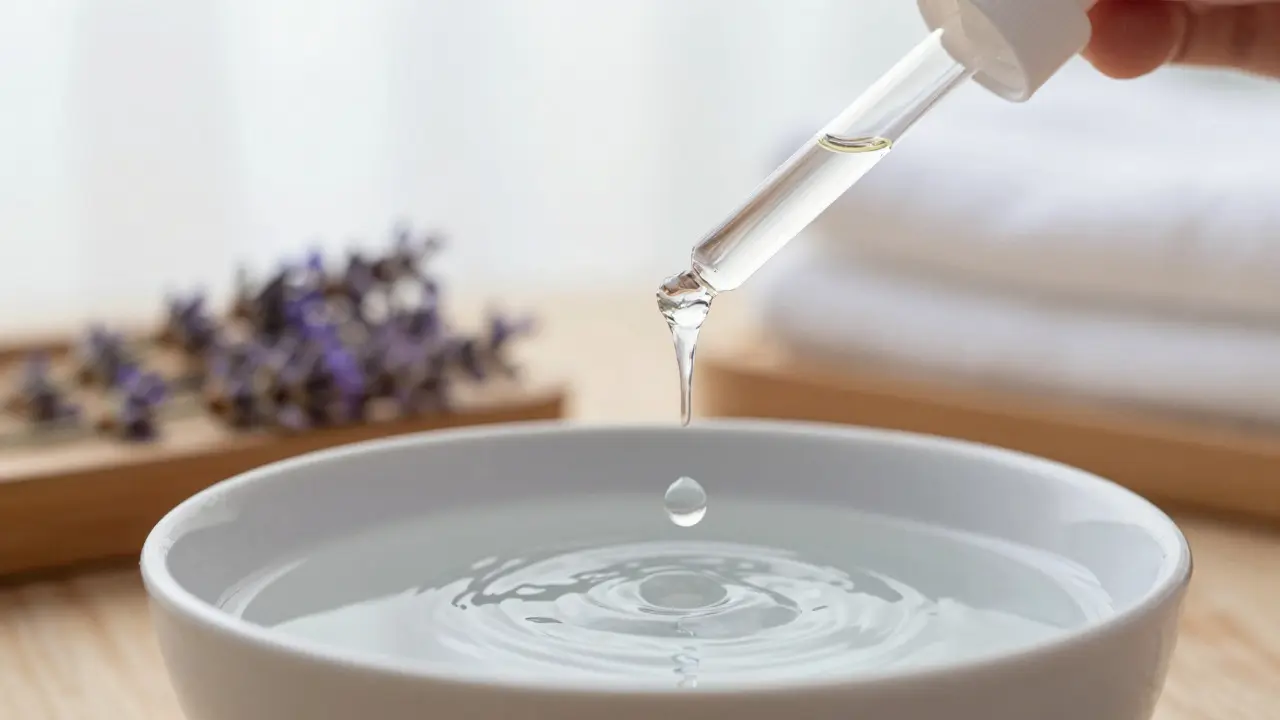
Chronic pain is a stubborn companion. It doesn't just hurt; it disrupts sleep, drains energy, and clouds the mind. While pharmaceuticals often take center stage in treatment plans, many people are turning to complementary approaches to find additional relief. One of the most accessible and widely studied options is aromatherapy. But does it actually work, or is it just a pleasant scent? The answer lies in understanding how specific plant compounds interact with your nervous system.
Aromatherapy involves using plant extracts, known as essential oils, to support health and well-being. When applied to the skin or inhaled, these volatile compounds can influence mood, reduce stress, and potentially lower the perception of pain. It is not a magic cure-all, but for many, it is a valuable tool in a broader pain management strategy. Understanding the mechanics, safety, and best practices can help you decide if this approach fits your needs.
How Scent Affects Pain Perception
To understand why a smell might ease a headache, you have to look at the olfactory system. Your nose contains olfactory receptors that detect molecules in the air. These signals travel directly to the limbic system, the part of the brain responsible for emotions, memory, and behavior. This direct pathway bypasses the thalamus, which is the brain's main relay station for other senses. This is why scents can trigger powerful emotional responses so quickly.
In the context of pain, this connection is crucial. Stress and anxiety often amplify pain signals. By calming the limbic system, certain essential oils can reduce the "noise" of stress, allowing the brain to process pain more objectively. Furthermore, some studies suggest that specific terpenes found in essential oils may have mild anti-inflammatory or analgesic properties when absorbed through the skin, though the primary mechanism remains neurological rather than purely chemical.
Top Essential Oils for Different Types of Pain
Not all oils are created equal. Matching the right oil to the type of pain is key to getting results. Here are some of the most effective options based on common usage and research:
- Lavender: Best for tension headaches, migraines, and general stress-induced pain. Its calming effect helps lower cortisol levels.
- Peppermint: Contains menthol, which provides a cooling sensation. It is highly effective for muscular soreness, cramps, and post-exercise recovery. Applied topically, it can distract from deep muscle pain.
- Eucalyptus: Great for respiratory congestion and sinus pressure. It also has anti-inflammatory properties that can help with joint stiffness.
- Ginger: Often used for digestive pain, nausea, and arthritis. Ginger root extract has been shown to inhibit enzymes that cause inflammation.
- Frankincense: Known for its anti-inflammatory effects, making it a popular choice for chronic conditions like rheumatoid arthritis and fibromyalgia.
Safety First: Dilution and Application
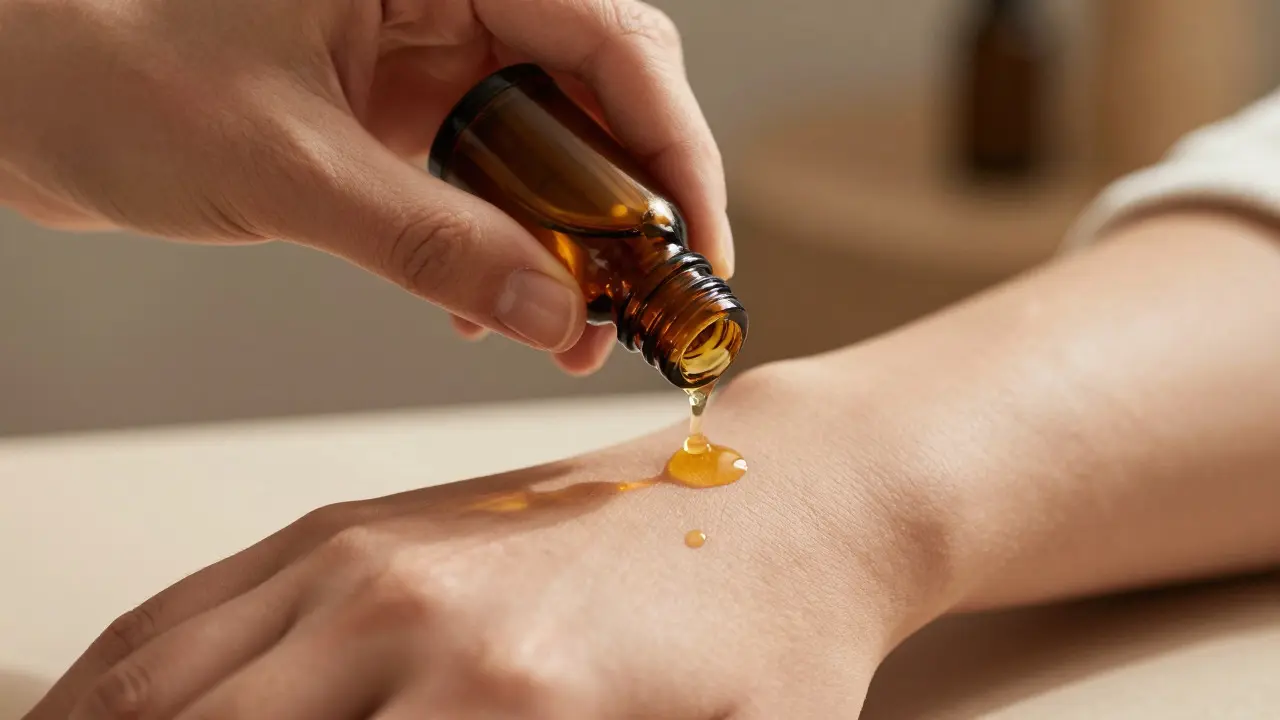
The biggest mistake beginners make is applying undiluted essential oils directly to the skin. Pure essential oils are highly concentrated plant extracts. Using them straight can cause irritation, redness, or even chemical burns. Always dilute them in a carrier oil before topical application.
A standard safe dilution rate for adults is between 1% and 3%. For a 1% dilution, mix one drop of essential oil into every teaspoon (5 ml) of carrier oil. Common carrier oils include jojoba, sweet almond, or fractionated coconut oil. If you have sensitive skin, start with a lower concentration, such as 0.5%, and perform a patch test on your inner arm 24 hours before full use.
When applying for pain relief, massage the diluted oil gently into the affected area. The massage itself increases blood flow and relaxes muscles, working synergistically with the aromatic compounds. For inhalation, you can use a diffuser in your room or inhale directly from a tissue with one or two drops. Avoid getting oil in your eyes or near mucous membranes.
Daily Routines for Maximum Benefit
Consistency matters more than intensity. Integrating aromatherapy into your daily routine can yield better long-term results than sporadic heavy use. Consider these practical scenarios:
- Morning Stiffness: Mix a few drops of ginger and eucalyptus in a carrier oil. Apply to stiff joints or lower back before starting your day. The warming sensation of ginger combined with the clarity of eucalyptus can help wake up the body.
- After-Work Tension: Add three drops of lavender to a warm bath. Soak for 15-20 minutes. The heat opens pores, enhancing absorption, while the scent calms the nervous system after a stressful day.
- Nighttime Recovery: Diffuse a blend of chamomile and lavender in your bedroom an hour before bed. This supports deeper sleep, which is critical for pain recovery, as poor sleep lowers pain thresholds.
What the Science Says
While aromatherapy is often categorized as complementary medicine, it is backed by a growing body of scientific evidence. A systematic review published in the Journal of Pain Research found that aromatherapy significantly reduced pain intensity in patients with chronic low back pain. Another study focused on migraine sufferers showed that inhaling lavender oil reduced the frequency and severity of attacks compared to a placebo group.
However, it is important to manage expectations. Aromatherapy is rarely a standalone solution for severe acute pain. It works best as an adjunct therapy alongside physical therapy, medication, or lifestyle changes. The placebo effect also plays a role; knowing you are taking active steps to care for yourself can genuinely reduce perceived pain. This psychological benefit is real and valid, even if the mechanism isn't purely pharmacological.

Common Mistakes to Avoid
Even with good intentions, mistakes can undermine the effectiveness of aromatherapy. Watch out for these pitfalls:
- Overloading Scents: Mixing too many oils can create a chaotic scent profile that triggers headaches instead of relieving them. Stick to simple blends of two or three compatible oils.
- Ignoring Allergies: Some people are allergic to specific plant families. If you have eczema or asthma, consult a healthcare provider before trying new oils.
- Using Low-Quality Oils: Synthetic fragrances do not have the same therapeutic benefits. Look for 100% pure, therapeutic-grade essential oils from reputable suppliers. Check for GC/MS testing reports if possible.
- Expecting Instant Results: While topical menthol can provide immediate cooling relief, systemic benefits like reduced inflammation take time. Give it at least two weeks of consistent use before judging its efficacy.
Frequently Asked Questions
Can I use essential oils if I am pregnant?
Generally, yes, but caution is required. Avoid strong stimulating oils like rosemary or clary sage during the first trimester. Lavender and chamomile are usually considered safe, but always consult your midwife or doctor before using any essential oil during pregnancy or breastfeeding.
Do essential oils interact with medications?
Yes, they can. For example, grapefruit oil can affect how certain drugs are metabolized in the liver. If you are on blood thinners, be cautious with oils that have anticoagulant properties like clove or oregano. Always inform your pharmacist about the oils you are using regularly.
Is aromatherapy suitable for children?
It can be, but dilution rates must be lower. For children under six, use a maximum of 0.5% to 1% dilution. Avoid citrus oils on their skin if they will be exposed to sunlight, as these can cause phototoxicity reactions. Lavender is generally the safest starting point for young children.
How long should I keep my essential oils?
Most essential oils last 1-2 years when stored properly in dark glass bottles away from heat and light. Citrus oils tend to expire faster, often within 6-12 months. If the scent becomes stale or rancid, it’s time to replace the bottle.
Which is better for pain: diffusion or topical application?
It depends on the goal. Topical application is better for localized muscle or joint pain because the active ingredients reach the tissue directly. Diffusion is better for generalized stress, tension headaches, or creating a relaxing environment that lowers overall pain sensitivity.