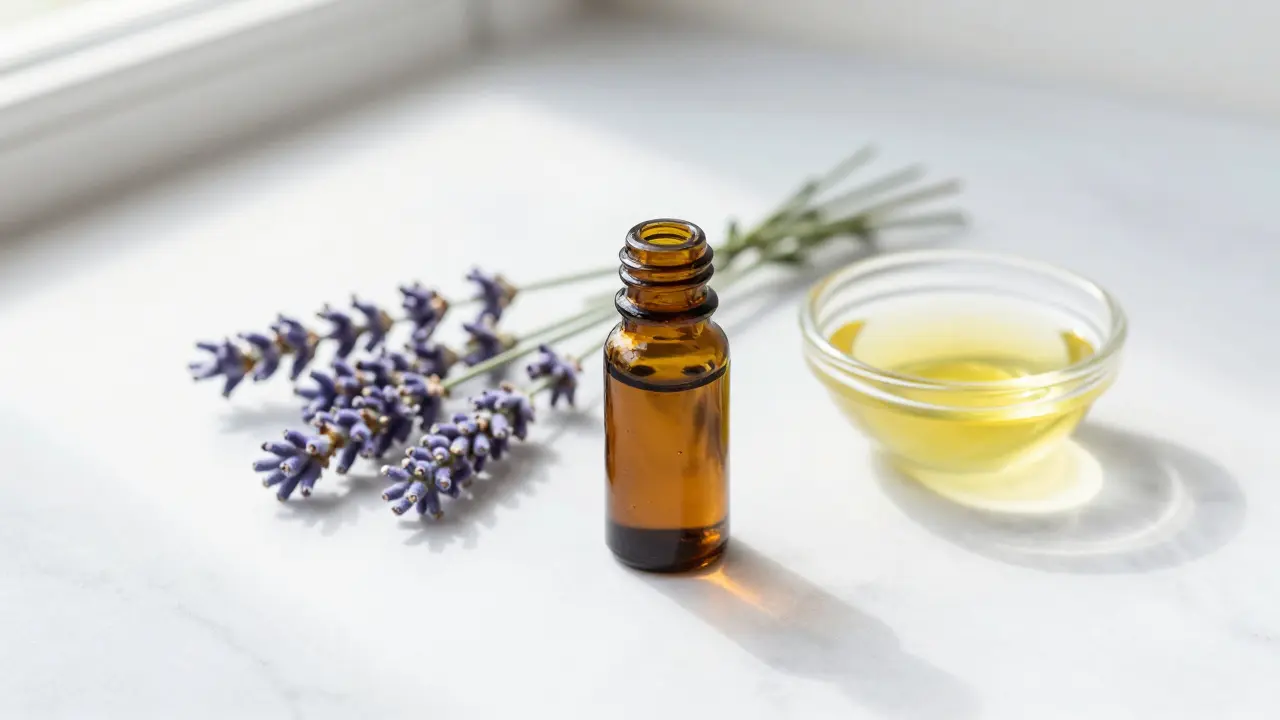
You've probably seen those fancy bottles of face oils claiming to solve every skin problem from acne to wrinkles. But there is a big difference between a generic oil and a targeted blend. Most of us treat skincare as a chore-wash, moisturize, repeat. But what if your skincare routine actually shifted your mood while fixing your complexion? That is where aromatherapy in skincare comes in. It isn't just about smelling like a spa; it is about using plant chemistry to trigger biological responses in your skin and your brain.
Key Takeaways for Natural Skin Care
- Essential oils must be diluted in carrier oils to avoid chemical burns.
- Different oils target specific skin types: Tea Tree for oily skin, Rosehip for aging skin.
- The scent of the oil affects the nervous system, reducing cortisol which helps skin heal faster.
- Patch testing is non-negotiable when working with potent botanical extracts.
The Science Behind Scent and Skin
When we talk about aromatherapy, we aren't just talking about a nice smell. We are talking about volatile organic compounds. Aromatherapy is a holistic healing treatment that uses natural plant extracts, known as essential oils, to promote health and well-being. When these oils hit your skin, they don't just sit on the surface. Because they are lipophilic (fat-loving), they can penetrate the lipid barrier of your skin.
But the real magic happens in the brain. When you inhale Linalool (a compound found in lavender), it sends a signal to the limbic system. This reduces stress. Why does this matter for your face? Because high levels of cortisol-the stress hormone-break down collagen and trigger breakouts. By calming your mind through scent, you are literally stopping your skin from aging prematurely.
Matching Essential Oils to Your Skin Type
You can't just dump any oil on your face. Using a stimulating oil on sensitive skin is a recipe for a red, itchy disaster. You need to match the chemical profile of the oil to your specific skin needs. For example, someone struggling with adult acne needs antibacterial properties, while someone with dry, winter skin needs deep emollient support.
| Skin Type | Recommended Oil | Primary Action | Scent Profile |
|---|---|---|---|
| Oily / Acne-Prone | Tea Tree Oil | Antimicrobial & Anti-inflammatory | Medicinal, Sharp |
| Dry / Dehydrated | Frankincense Oil | Cellular Regeneration | Resinous, Warm |
| Sensitive / Red | Lavender Oil | Soothing & Calming | Floral, Herbaceous |
| Mature / Aging | Rose Otto Oil | Hydration & Elasticity | Deep Floral |

The Golden Rule: The Role of Carrier Oils
If you try to apply a pure essential oil directly to your skin, you are risking a systemic reaction or a severe chemical burn. This is where Carrier Oils come in. These are base oils derived from fatty acids of seeds, nuts, or kernels that dilute essential oils to a safe concentration. They aren't just "fillers"; they provide the actual nutrition your skin craves.
For a light, non-greasy feel, Jojoba Oil is a powerhouse because it mimics human sebum almost exactly. If you have extremely dry skin, Sweet Almond Oil provides a richer barrier. The trick is to keep your essential oil concentration between 0.5% and 2% for facial application. That means roughly 3 drops of essential oil per tablespoon of carrier oil. Any more, and you're pushing the limit of what your skin can handle.
Building Your Ritual: From Application to Absorption
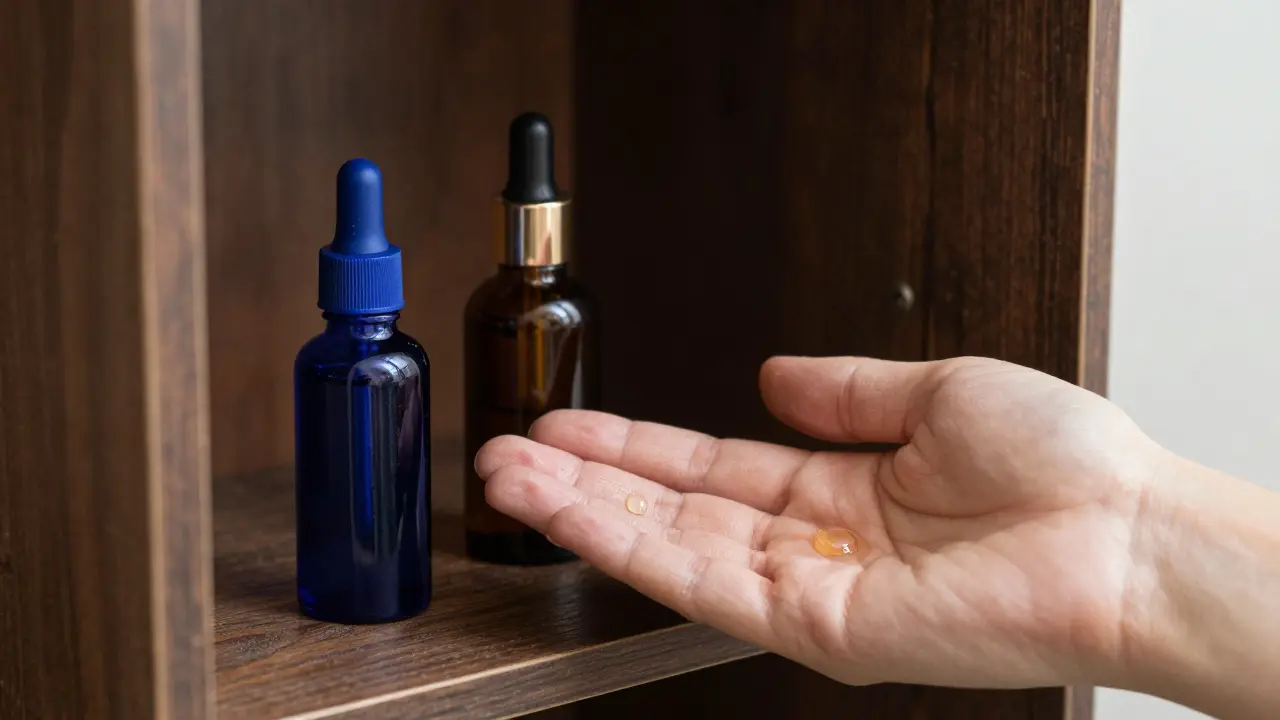
Turning your skincare into an aromatherapy ritual changes the experience from a task to a therapy session. Start by warming a few drops of your blend in your palms. This doesn't just heat the oil; it releases the volatile aromatic molecules so you can inhale them before the oil even touches your face.
- Cleanse: Use a gentle, pH-balanced cleanser to remove debris. If your pores are clogged, the oils can't penetrate.
- Steam: Use a warm towel for 30 seconds. This opens the pores and prepares the skin for absorption.
- Apply: Press the oil into your skin using a pulsing motion rather than rubbing. Rubbing can cause irritation, while pressing pushes the nutrients deeper.
- Breathe: Close your eyes and take three deep breaths of the scent. This anchors the experience and triggers the relaxation response.
Common Pitfalls and How to Avoid Them
Not all "natural" products are safe. One of the biggest mistakes people make is ignoring Phototoxicity. Certain oils, especially cold-pressed citrus oils like Bergamot or Lemon, contain furanocoumarins. These chemicals react with UV light and can cause severe blistering or permanent dark spots on the skin if you go out in the sun after applying them. Always use citrus oils in your nighttime routine, never in the morning.
Then there is the issue of oxidation. Essential oils are sensitive to light and heat. If you store your beauty oils in a clear glass bottle on a sunny windowsill, the oil will oxidize. Oxidized oil isn't just less effective; it can actually create free radicals that damage your skin cells. Only buy oils in dark amber or cobalt blue glass bottles, and keep them in a cool, dark cupboard.
Integrating Aromatherapy into Different Lifestyles
Your skin needs change based on your environment. If you live in a humid city, you might find that a heavy blend feels suffocating. In that case, switch your carrier to a lighter option like Grapeseed oil and use a refreshing oil like Peppermint (highly diluted) to wake up the skin. If you are dealing with the dry air of a heater in winter, move toward heavier oils like Avocado oil blended with Sandalwood to lock in moisture.
For those with high-stress jobs, integrating a "mindset shift" through scent can be a game changer. Using a blend of Roman Chamomile and Neroli in your evening skincare helps signal to your brain that the workday is over, easing the transition into sleep. Better sleep equals better skin regeneration, creating a positive feedback loop.
Can I use essential oils on my face every day?
Yes, provided they are properly diluted in a carrier oil. However, it is wise to rotate your blends every few weeks to prevent your skin from becoming too accustomed to one specific oil and to provide a variety of nutrients.
What is the difference between an essential oil and a carrier oil?
Essential oils are highly concentrated volatile plant extracts that are too potent to be used alone. Carrier oils are fat-based oils (like Jojoba or Almond) that "carry" the essential oil into the skin safely without causing irritation.
How do I know if an oil is reacting badly with my skin?
Look for immediate redness, itching, or a burning sensation. If you notice small bumps or a rash appearing 24 hours later, you may have a delayed allergic reaction. Always perform a patch test on your inner forearm before applying a new blend to your face.
Are all "natural" skincare products safe?
Not necessarily. Many natural ingredients, like citrus oils or cinnamon oil, can be highly irritating or phototoxic. The term "natural" does not mean "non-irritating." Always check the ingredients for dilution and specific warnings.
Which oils are best for anti-aging?
Frankincense and Rose Otto are top choices. Frankincense helps with skin tightening and cellular turnover, while Rose Otto provides intense hydration and helps reduce the appearance of fine lines by supporting the skin's elasticity.
Next Steps for Your Skin Journey
If you are a beginner, start with a simple "Safe Trio": Lavender, Frankincense, and Tea Tree. These cover most bases from calming to repairing. Grab a bottle of organic Jojoba oil as your base, and experiment with one oil at a time. If you have a history of extreme skin sensitivity or chronic conditions like rosacea, it is a good idea to chat with a dermatologist before starting an essential oil regimen to ensure the specific botanical compounds won't aggravate your condition.