What if you could heal without saying a single word? For many people struggling with anxiety, grief, or trauma, traditional talk therapy feels like hitting a wall. But what if your hands, your body, your voice could speak when your words failed? That’s the quiet power of creative arts therapies.
What Exactly Are Creative Arts Therapies?
Creative arts therapies aren’t just hobbies or weekend crafts. They’re evidence-based clinical practices led by trained professionals who use art, music, dance, drama, and writing to help people process emotions, reduce stress, and rebuild a sense of self. Unlike art classes where the goal is to make something beautiful, these therapies focus on what happens inside you while you create - not how the final piece looks.
The American Art Therapy Association defines it as a form of psychotherapy that uses the creative process to improve mental and emotional well-being. Research from the Journal of the American Art Therapy Association shows that just 45 minutes of art-making can significantly lower cortisol levels - the body’s main stress hormone. Music therapy, led by board-certified music therapists, has been shown to reduce symptoms of depression in adults by up to 38% in controlled studies. Dance movement therapy doesn’t require you to be a dancer - it uses natural movement to reconnect mind and body after trauma.
Why Does Creating Something Help You Heal?
Your brain doesn’t process emotions the same way it processes words. When you’re overwhelmed, the part of your brain responsible for language shuts down. But the part that handles sensory input - sight, sound, touch, motion - stays wide awake. That’s why painting a stormy sky or drumming out anger can feel more real than explaining it.
Think of it this way: you’ve probably had moments where you cried while listening to a song, or felt calm after doodling in a notebook. Those aren’t coincidences. Creative arts therapies turn those everyday experiences into structured, safe spaces guided by professionals who understand how to help you interpret what your creation is telling you.
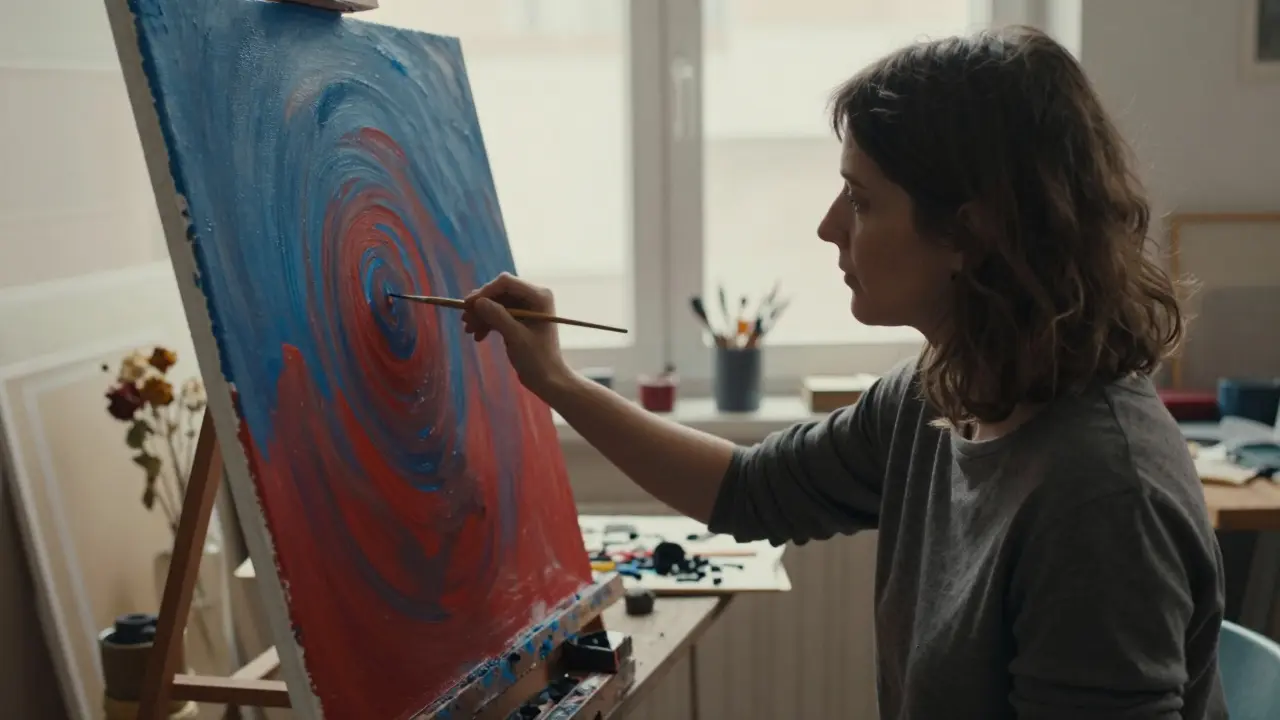
One client I worked with - a retired teacher recovering from a stroke - couldn’t speak clearly anymore. But she started painting with her non-dominant hand. Within weeks, she was using colors to show her frustration, her hope, her fear. Her therapist didn’t ask her to explain. They sat with her while she painted. Over time, her words came back - not because she practiced speech therapy alone, but because she found a new way to speak through color and brushstrokes.
The Five Main Types of Creative Arts Therapies
There are five core modalities, each offering something unique:
- Art Therapy - Uses drawing, painting, sculpture, and collage. Ideal for people who struggle to verbalize feelings or have experienced trauma. No artistic skill needed.
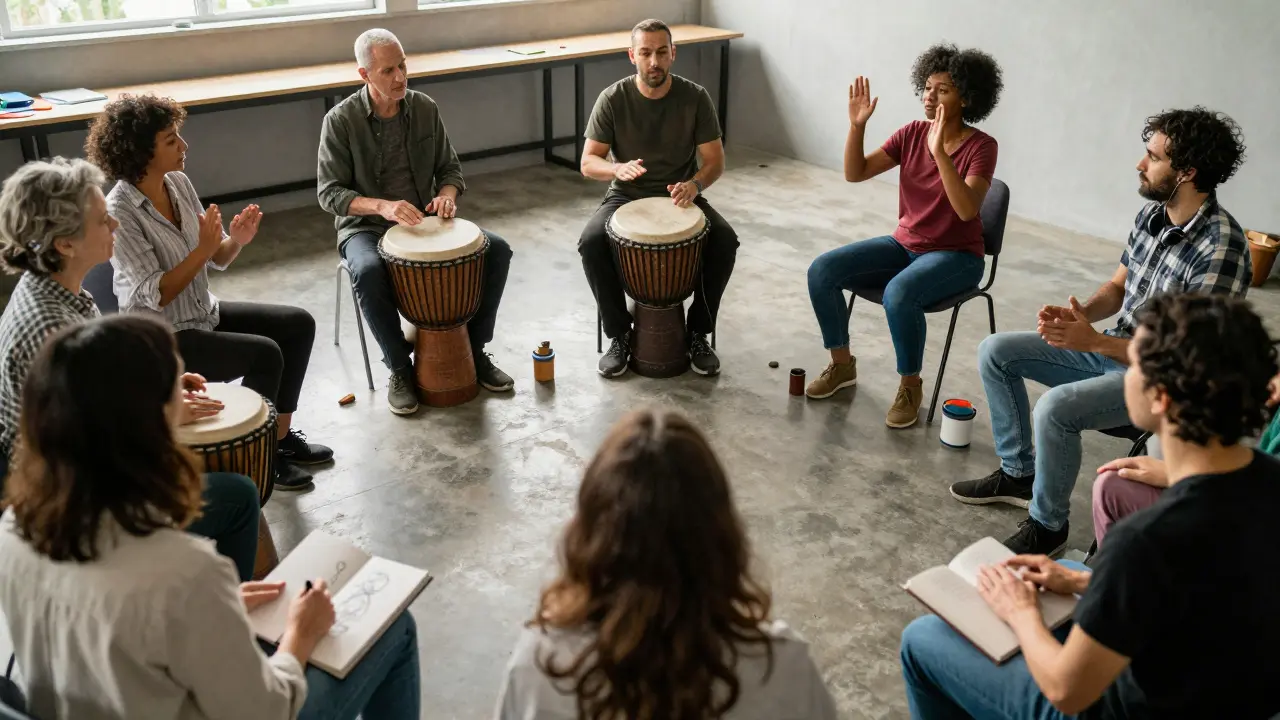
- Music Therapy - Involves playing instruments, singing, or even just listening to carefully selected music. Helps regulate emotions, improve memory, and reduce pain perception.
- Dance/Movement Therapy - Focuses on body awareness and nonverbal expression. Used for PTSD, autism, eating disorders, and depression. Movement becomes the language.
- Drama Therapy - Uses role-playing, storytelling, and improvisation. Helps people explore different parts of themselves or practice new ways of interacting.
- Expressive Writing Therapy - Not just journaling. Structured prompts help uncover hidden emotions. Studies show writing for 20 minutes a day, three days in a row, can boost immune function and reduce hospital visits.
Each modality has its own training standards. A music therapist isn’t just a musician - they’re trained in psychology, neurology, and clinical assessment. They hold credentials like MT-BC (Music Therapist-Board Certified) in the U.S. or are registered with the British Association for Creative Arts Therapies (BACAT) in the UK.
Who Can Benefit?
You don’t need to be ‘artistic’ or ‘emotional’ to benefit. These therapies work for people of all ages and backgrounds.
- Children with autism - Use art or music to communicate when speech is hard.
- People with dementia - Music triggers long-term memory. A familiar song can bring someone back to their childhood, even after years of silence.
- Veterans with PTSD - Drama therapy helps them reframe traumatic stories without reliving them.
- People with chronic illness - Art and music reduce perceived pain and loneliness.
- Anyone grieving - Creating something tangible - a memory box, a song, a poem - gives form to invisible loss.
A 2023 study from the University of Bristol tracked 120 adults in community-based art therapy groups. After 12 weekly sessions, 82% reported improved mood, 76% felt less isolated, and 68% said they felt more in control of their emotions. These weren’t people with diagnosed mental illnesses - just regular folks feeling stuck.
How to Get Started
There’s no right way to begin - only your way.
- Find a certified therapist - Look for someone registered with the British Association for Creative Arts Therapies (BACAT) or the Health and Care Professions Council (HCPC) in the UK. Avoid unqualified ‘art coaches’ - therapy requires clinical training.
- Try a group session - Many community centers, hospitals, and charities offer low-cost or free group sessions. You don’t have to be alone.
- Start small at home - Keep a sketchbook. Play one song that matches your mood. Dance barefoot in your kitchen. Write a letter you’ll never send. The goal isn’t perfection - it’s presence.
- Let go of judgment - If you think ‘I can’t draw’ or ‘I’m tone deaf’, that’s the voice of the critic, not the healer. Therapy isn’t about talent. It’s about truth.
Some NHS trusts in England now offer art therapy on referral for depression and anxiety. Others partner with charities like The Art Room or The Creative Therapies Trust. You don’t need a diagnosis to ask.
What to Expect in Your First Session
There’s no pressure to create anything ‘meaningful’. In your first session, the therapist will likely:
- Ask you what’s been on your mind - but won’t push you to talk if you’re not ready.
- Offer a few simple materials: paper, clay, rhythm sticks, a guitar, or a journal.
- Invite you to explore without instructions. ‘Just see what happens.’
- Listen quietly while you create.
- Later, gently ask: ‘What did you notice while you were doing that?’
That’s it. No analysis. No interpretation from them. Only space for you to discover what your creation reveals - and that’s where healing begins.
Myths About Creative Arts Therapies
There are a lot of misconceptions. Let’s clear a few:
- Myth: You need to be good at art. Truth: The quality of the artwork doesn’t matter. The process does.
- Myth: It’s just for kids or people with severe mental illness. Truth: It’s for anyone feeling disconnected - from themselves, from others, from joy.
- Myth: It’s a substitute for medication or talk therapy. Truth: It’s often used alongside them. Many people find it helps them get more out of other treatments.
- Myth: It’s too expensive. Truth: Many community programs cost under £10 per session. Some are free.
What Happens After You Start?
Healing isn’t linear. Some weeks, you’ll feel lighter. Other weeks, you might feel more raw. That’s normal. The goal isn’t to feel happy all the time. It’s to feel more alive - even when it’s messy.
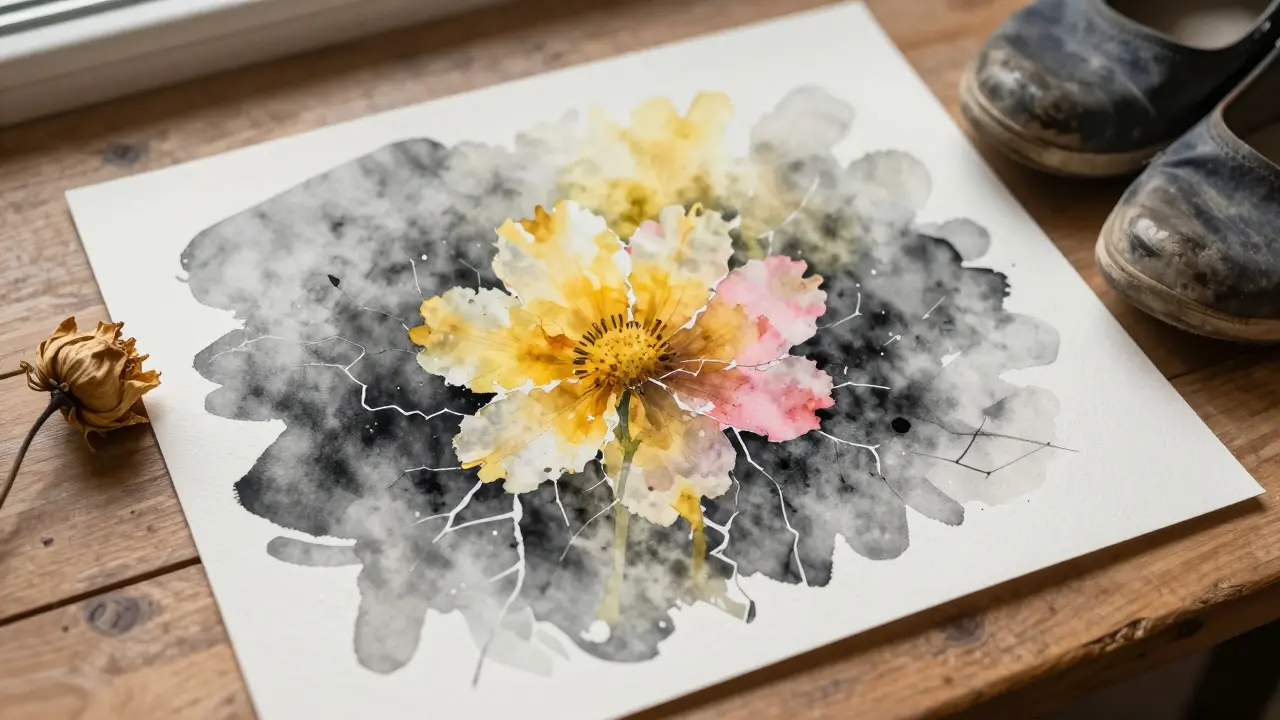
One woman I met at a local art group had lost her husband two years earlier. She came every Thursday to paint flowers. She didn’t talk about him. But her paintings slowly changed - from dark, tangled branches to bright, open blooms. One day, she handed me a small watercolor. ‘I think he’d like this,’ she said. She didn’t cry. She smiled. That was the moment she started to heal.
You don’t need to fix everything. You just need to begin.
Do I need any artistic experience to try creative arts therapies?
No experience is needed. Creative arts therapies focus on the process, not the product. Whether you’ve never held a paintbrush or haven’t sung since childhood, you’re welcome. The goal is expression, not perfection.
Is creative arts therapy covered by the NHS?
In some areas of the UK, yes - especially for depression, anxiety, PTSD, or long-term conditions like dementia. You usually need a referral from your GP or mental health team. Many community groups also offer free or low-cost sessions funded by charities.
Can I do creative arts therapy at home?
You can use creative activities at home to support your well-being - journaling, drawing, listening to music mindfully, dancing freely. But for therapeutic results, especially with trauma or deep emotional pain, working with a trained therapist is essential. They provide safety, structure, and insight you can’t get alone.
How long does it take to see results?
Some people feel calmer after one session. For lasting change, most therapists recommend 8-12 weekly sessions. Like physical therapy, emotional healing takes time and consistency. Progress isn’t always visible - sometimes it’s a quiet sense of peace you didn’t have before.
Are creative arts therapies only for mental health issues?
No. They’re also used in physical rehabilitation, palliative care, autism support, and even for people dealing with chronic pain or illness. Expressing emotions through creativity can reduce stress, improve sleep, and even lower blood pressure.
Where to Find Help in the UK
If you’re ready to try this, here are a few trusted starting points:
- The British Association for Creative Arts Therapies (BACAT) - Offers a directory of registered therapists across the UK.
- Art Therapy Projects - Runs community programs in London, Bristol, and Manchester.
- The Creative Therapies Trust - Provides free sessions for people with cancer and long-term conditions.
- NHS Talking Therapies - Ask your GP if they can refer you to an arts therapy program.
- Local libraries and community centres - Many host low-cost creative groups open to all.
You don’t have to wait for a crisis to begin. You don’t need to be broken to deserve healing. Sometimes, all you need is a brush, a drum, a song, or a page - and the courage to let yourself feel.