Most of us hit snooze one too many times, grab a coffee on the run, and skip breakfast entirely. We think we’re saving time, but by 10:30 AM, our brains are foggy, our energy has crashed, and we’re reaching for sugary snacks just to survive until lunch. Breakfast isn’t just about filling an empty stomach; it’s the strategic fuel that sets your metabolic tone for the next twelve hours. If you want sustained focus, stable mood, and real physical energy, what you eat in the first hour of waking matters more than you might realize.
The Science Behind Morning Energy
To understand why breakfast works, you have to look at how your body processes fuel after sleep. During the night, your glycogen stores-the primary energy reserve in your liver and muscles-deplete significantly. When you wake up, your blood sugar is naturally lower. If you start the day with high-sugar cereals or pastries, you trigger a rapid spike in insulin, followed by a sharp crash. This is the "sugar hangover" that leaves you tired before your workday even begins.
A truly healthy breakfast stabilizes this process. By combining complex carbohydrates with protein and healthy fats, you slow down digestion. This means glucose enters your bloodstream gradually, providing a steady stream of energy rather than a rollercoaster ride. Research from the Australian Diabetes Foundation highlights that consistent morning eating patterns help regulate appetite hormones like ghrelin (which signals hunger) and leptin (which signals fullness). In simple terms, a good breakfast keeps you from overeating later in the day.
Core Components of a Power Breakfast
You don’t need a gourmet chef to build a meal that fuels success. You just need three key components working together. Think of these as the pillars of your morning plate:
- Protein: This is non-negotiable. Protein increases satiety and supports muscle repair. Aim for at least 15-20 grams per meal. Sources include eggs, Greek yogurt, tofu, or protein powder.
- Fiber-Rich Carbohydrates: Choose slow-burning carbs. Oats, berries, chia seeds, and whole-grain toast provide lasting energy without the spike. Avoid refined white flour and sugary fruits like dried mangoes.
- Healthy Fats: Fat aids in the absorption of fat-soluble vitamins (A, D, E, K) and keeps you feeling full. Avocado, nuts, seeds, and olive oil are excellent choices.
When you combine these elements, you create a meal that digests slowly. For example, a bowl of oatmeal alone might give you energy for two hours. Add walnuts (fat) and blueberries (fiber/antioxidants), and you extend that window to four or five hours of focused productivity.
Top Healthy Breakfast Ideas for Busy Mornings
Let’s get practical. Here are five specific, easy-to-make breakfast ideas that fit into a busy schedule while delivering maximum nutritional value.
1. The Classic Egg & Avocado Toast
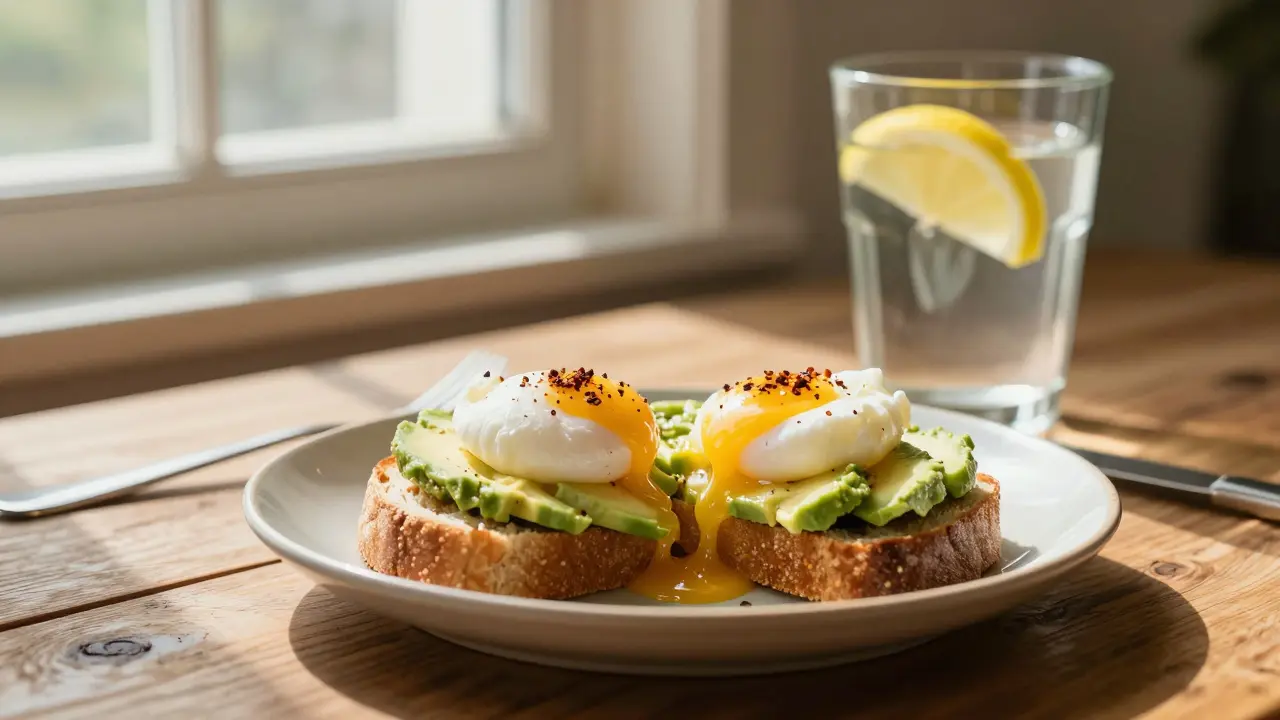
This is a staple for a reason. Two boiled eggs provide about 12 grams of protein and essential choline, which is vital for brain health. Mash half an avocado onto a slice of sourdough bread for heart-healthy monounsaturated fats. Top with chili flakes for a metabolic boost from capsaicin. It takes ten minutes to prepare and keeps you full until early afternoon.
2. Overnight Oats with Chia Seeds
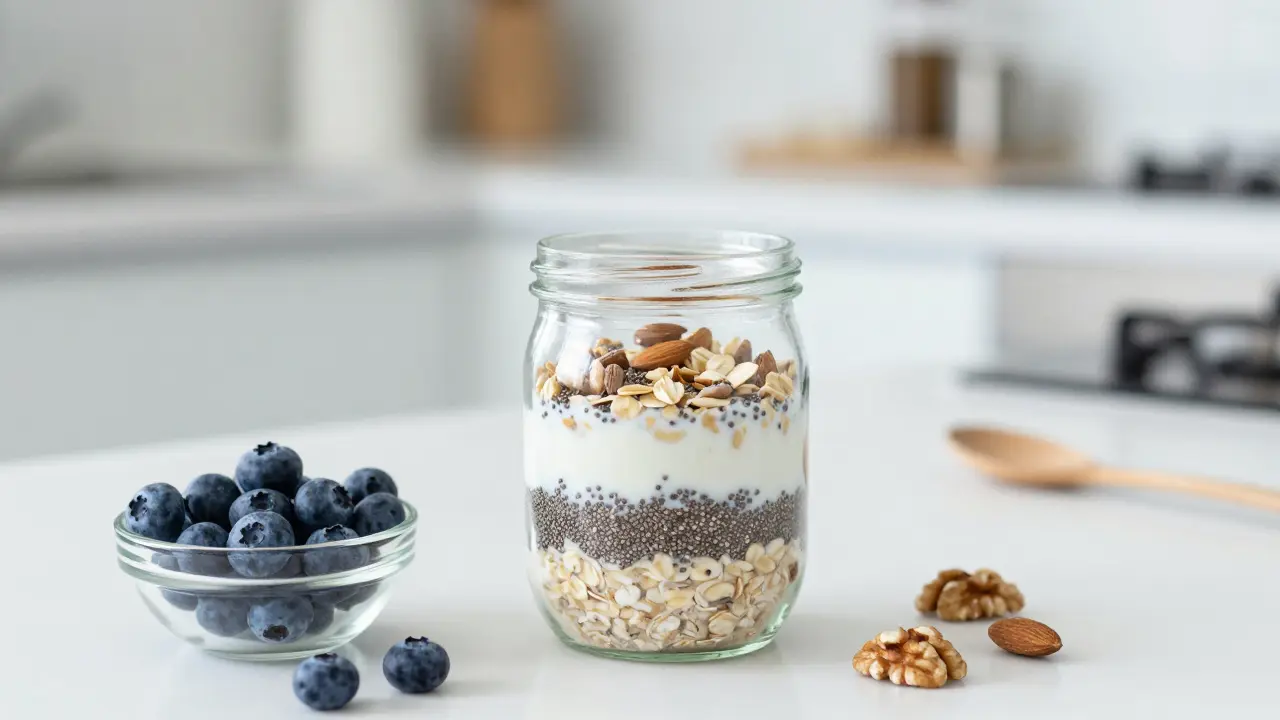
If you hate cooking in the morning, prep this the night before. Mix rolled oats, chia seeds, almond milk, and a scoop of vanilla protein powder in a jar. Let it sit in the fridge overnight. The chia seeds absorb liquid and expand, creating a pudding-like texture rich in omega-3 fatty acids. In the morning, just add fresh berries and you’re out the door. This meal provides a slow-release energy source perfect for mental tasks.
3. Greek Yogurt Parfait
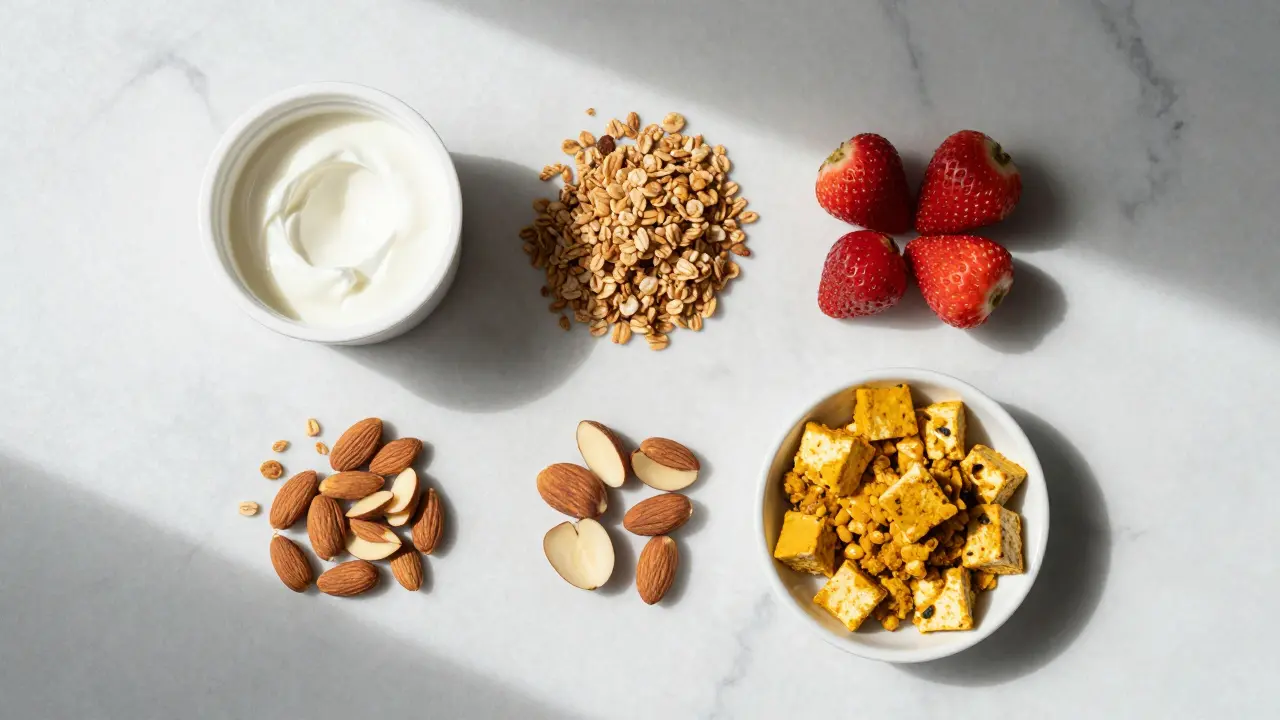
Plain Greek yogurt is a powerhouse, offering twice the protein of regular yogurt. Layer it with unsweetened granola, sliced almonds, and fresh strawberries. The probiotics support gut health, which is increasingly linked to overall immunity and mood regulation. Keep it under 300 calories if you’re watching weight, but ensure the protein content stays high to prevent mid-morning cravings.
4. Green Smoothie Bowl
For those who prefer drinking their breakfast, blend spinach, frozen banana, peanut butter, and soy milk. Pour it into a bowl and top with hemp seeds and coconut flakes. Spinach adds iron and magnesium without altering the taste much when masked by fruit. Peanut butter provides dense calories and protein. This is ideal for post-workout recovery or days when you feel sluggish.
5. Tofu Scramble with Vegetables
If you’re vegetarian or vegan, tofu is your best friend here. Crumble firm tofu and sauté it with turmeric (for color and anti-inflammatory benefits), black salt (for an egg-like flavor), spinach, and bell peppers. Serve with a side of quinoa or whole-grain toast. This meal is packed with plant-based protein and micronutrients, supporting long-term cardiovascular health.
| Breakfast Option | Protein (g) | Fiber (g) | Fat (g) | Energy Duration |
|---|---|---|---|---|
| Egg & Avocado Toast | 18 | 6 | 15 | High (4-5 hrs) |
| Overnight Oats | 15 | 10 | 8 | Moderate-High (3-4 hrs) |
| Greek Yogurt Parfait | 20 | 4 | 10 | Moderate (3 hrs) |
| Green Smoothie Bowl | 12 | 7 | 12 | Moderate (3 hrs) |
| Tofu Scramble | 16 | 5 | 10 | High (4 hrs) |
Common Mistakes That Sabotage Your Morning
Even with good intentions, many people fall into traps that undermine their efforts. Recognizing these errors is half the battle.
The Fruit-Only Trap: Eating a banana or an apple alone seems healthy, but it’s mostly sugar and water. Without protein or fat, your blood sugar spikes and crashes quickly. Always pair fruit with a protein source like nuts or cheese.
Sugary Cereals: Many boxed cereals contain added sugars comparable to candy bars. Check the label. If sugar is in the top three ingredients, put it back. Opt for plain oats or bran instead.
Skipping Hydration: You wake up dehydrated after six to eight hours of sleep. Drinking a glass of water before your coffee or breakfast jumpstarts your metabolism and helps your brain function better. Dehydration mimics hunger cues, so you might be thirsty, not hungry.
Timing and Consistency
When should you eat? Ideally, within an hour of waking up. This aligns with your body’s natural cortisol rhythm, which peaks in the morning to help you wake up. Eating during this window helps utilize that hormone for energy rather than stress. However, consistency matters more than perfection. If you’re not a morning person, try a light snack like a handful of almonds or a small yogurt, followed by a larger meal at 10 AM. The goal is to avoid long gaps without fuel.
Listen to your body. Some people thrive on heavier meals, while others prefer lighter options. Experiment with different combinations to see what gives you the most stable energy levels throughout the day. Track your mood and productivity for a week. You’ll likely notice a clear pattern emerging between what you eat and how you perform.
Prepping for Success
The biggest barrier to a healthy breakfast is often time. Meal prepping solves this. Spend twenty minutes on Sunday boiling eggs, washing fruits, and portioning out oats. Keep your kitchen organized so healthy choices are the easiest ones. If you rely on willpower in the morning, you’ll lose. Make the right choice the default option.
Invest in quality basics. Good olive oil, fresh produce, and high-quality proteins cost more upfront but save money in the long run by reducing reliance on expensive convenience foods and medical costs associated with poor diet-related issues. Cooking at home also allows you to control sodium and sugar intake, which is crucial for maintaining blood pressure and overall heart health.
Is it okay to skip breakfast if I’m not hungry?
If you practice intermittent fasting and feel fine, skipping breakfast may be acceptable for some. However, for most people, skipping leads to overeating later. If you’re not hungry, try a small, nutrient-dense snack like a hard-boiled egg or a handful of nuts to keep your metabolism active without forcing a large meal.
What is the best breakfast for weight loss?
High-protein breakfasts are best for weight loss. Protein reduces hunger hormones and increases feelings of fullness. Meals like egg whites with vegetables or Greek yogurt with berries help control calorie intake throughout the day by preventing mid-morning snacking.
Can I drink coffee before eating breakfast?
Yes, but wait at least 30 minutes after waking up to allow your cortisol levels to stabilize. Drinking coffee on an empty stomach can sometimes cause jitters or acid reflux. Pairing your coffee with a few nuts or a piece of fruit can mitigate these effects.
How much protein should I have for breakfast?
Aim for 15 to 30 grams of protein. This amount is sufficient to stimulate muscle protein synthesis and keep you satiated. Two eggs provide about 12 grams, while a cup of Greek yogurt offers around 20 grams.
Are smoothies a healthy breakfast option?
Smoothies can be healthy if they include protein and fiber. Liquid meals digest faster, so adding ingredients like protein powder, chia seeds, or nut butter slows down absorption and prevents blood sugar spikes. Avoid store-bought smoothies loaded with added sugars.