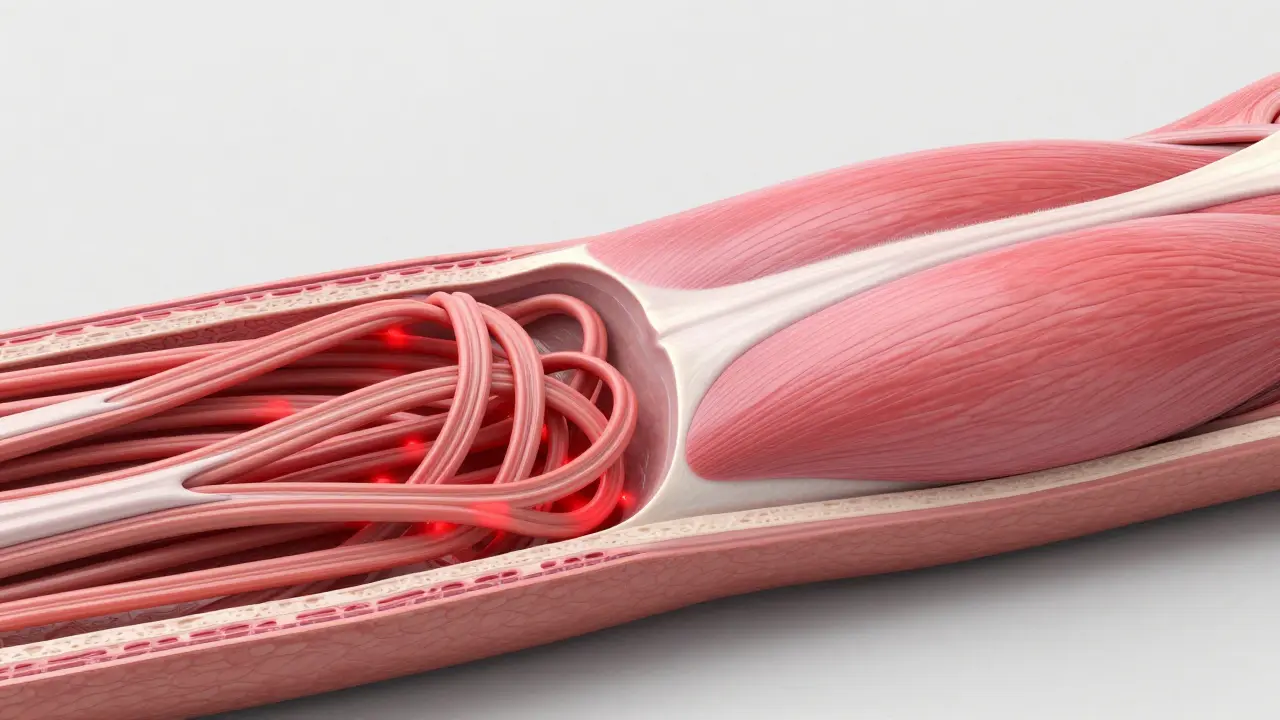
Most athletes think about massage only after they get hurt. They wait until the pain is sharp, the swelling is visible, or they can no longer run a full mile. But what if you could stop that pain before it starts? That is exactly where sports massage is a specialized form of bodywork designed to prepare the body for physical activity and aid in recovery afterward. It is not just a luxury spa treatment; it is a functional tool used by everyone from weekend joggers to Olympic sprinters.
The idea that massage prevents injury might sound like an old wives' tale to some. However, the mechanics behind it are solid. By manipulating soft tissues, therapists can identify tight spots, improve blood flow, and reset muscle tension long before these issues turn into tears or strains. This article breaks down how sports massage works as a shield against injury, when you should book your sessions, and which techniques actually move the needle on your health.
Understanding the Mechanics of Injury Prevention
To understand how massage prevents injury, you first need to understand why injuries happen. Most non-contact sports injuries stem from two main culprits: muscle imbalances and restricted mobility. When one muscle group is tighter than its opposing group, your joints don't move through their natural range of motion. This forces other muscles to work overtime, leading to fatigue and eventual failure.
Soft tissue therapy is the manual manipulation of muscles, tendons, and fascia to restore function and reduce pain. Sports massage targets this soft tissue directly. Think of your muscles like rubber bands. If you leave them stretched out or knotted up for weeks, they lose their elasticity. They become stiff and brittle. A sudden movement can snap them. Massage acts as a maintenance routine, keeping those rubber bands pliable and responsive.
Furthermore, tightness often leads to poor posture and altered biomechanics. For example, tight hip flexors from sitting all day can pull on your lower back, causing strain when you start running. A therapist working on your hips doesn't just make you feel relaxed; they realign your pelvis so your legs swing freely. This reduces the mechanical load on your knees and ankles, lowering the risk of overuse injuries like shin splints or plantar fasciitis.
Key Techniques Used in Preventative Care
Not all massage strokes are created equal. While a gentle Swedish massage feels nice, it might not dig deep enough to prevent a hamstring tear during a soccer match. Sports massage therapists use specific techniques tailored to the demands of physical activity.
- Effleurage: These are long, gliding strokes used at the beginning of a session. They warm up the tissue and increase blood circulation. Better blood flow means more oxygen reaches the muscles, which helps them handle stress better.
- Petrissage: This involves kneading and squeezing the muscle belly. It helps break up adhesions-those sticky knots where muscle fibers fuse together. Adhesions restrict movement and are a primary cause of pulling muscles.
- Friction: Deep, cross-fiber friction is applied to tendons and ligaments. This is crucial for preventing tendonitis. By aligning collagen fibers correctly, friction ensures that tendons can withstand heavy loads without micro-tearing.
- Trigger Point Therapy: Therapists apply sustained pressure to specific hyper-irritable spots in the muscle. Releasing these trigger points restores normal muscle length and reduces referred pain, ensuring the muscle fires correctly during exercise.
These techniques work together to maintain the integrity of your musculoskeletal system. The goal isn't just to relax you; it's to ensure every fiber is ready to contract and release efficiently.
Maintenance vs. Event-Specific Massage
Timing is everything in sports massage. You wouldn't wait for your car to break down before changing the oil, right? The same logic applies to your body. There are two distinct types of massage schedules: maintenance and event-specific.
| Feature | Maintenance Massage | Event-Specific Massage |
|---|---|---|
| Frequency | Every 4-6 weeks | 1-3 days before or after competition |
| Primary Goal | Prevent chronic tightness and imbalances | Optimize readiness or accelerate recovery |
| Intensity | Can be deep and corrective | Gentle (pre-event) or moderate (post-event) |
| Focus Areas | Problem areas and weak links | Primary muscle groups used in sport |
Maintenance massage is your baseline defense. Even if you feel fine, booking a session every month allows a therapist to catch small issues early. They might notice your left shoulder is consistently tighter than your right, suggesting a technique flaw in your swimming stroke. Catching this early prevents rotator cuff damage later.
Event-specific massage serves a different purpose. Pre-event massage is light and stimulating, aimed at increasing heart rate and mental focus. Post-event massage focuses on flushing out metabolic waste products like lactic acid and reducing inflammation. While post-event massage aids recovery, it is the regular maintenance schedule that truly prevents the accumulation of damage that leads to injury.
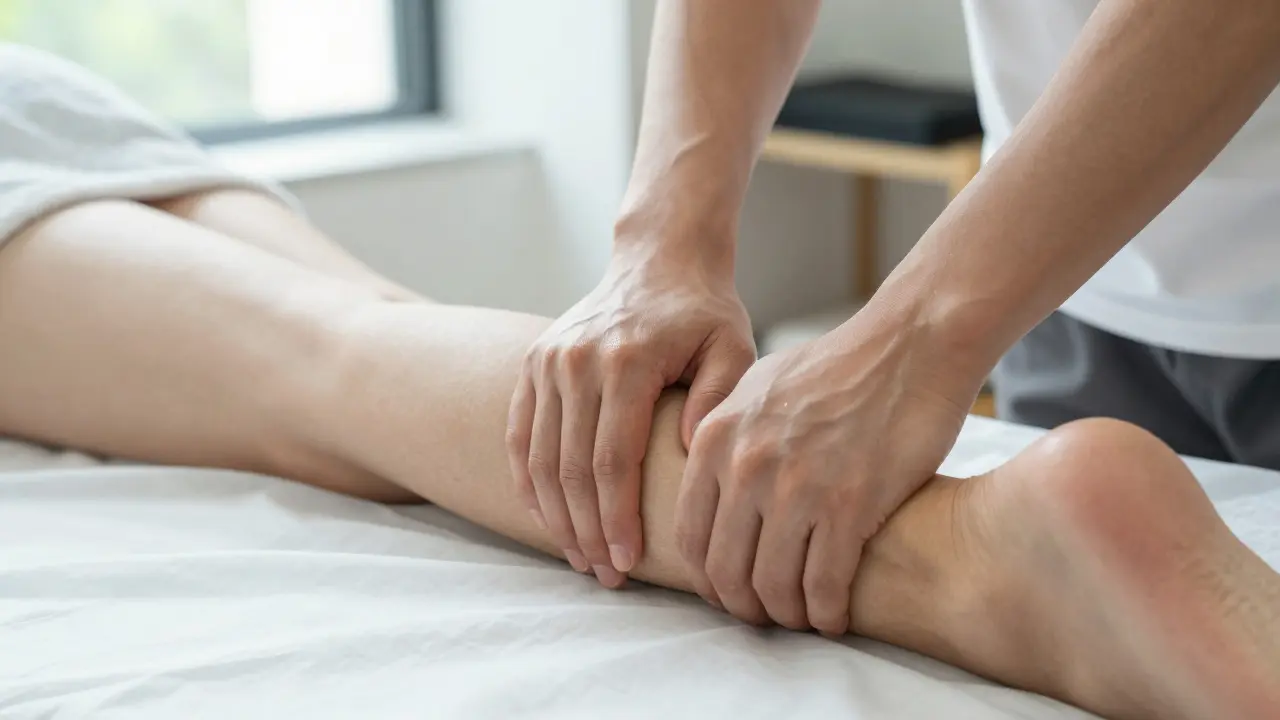
The Role of Fascia in Mobility and Pain
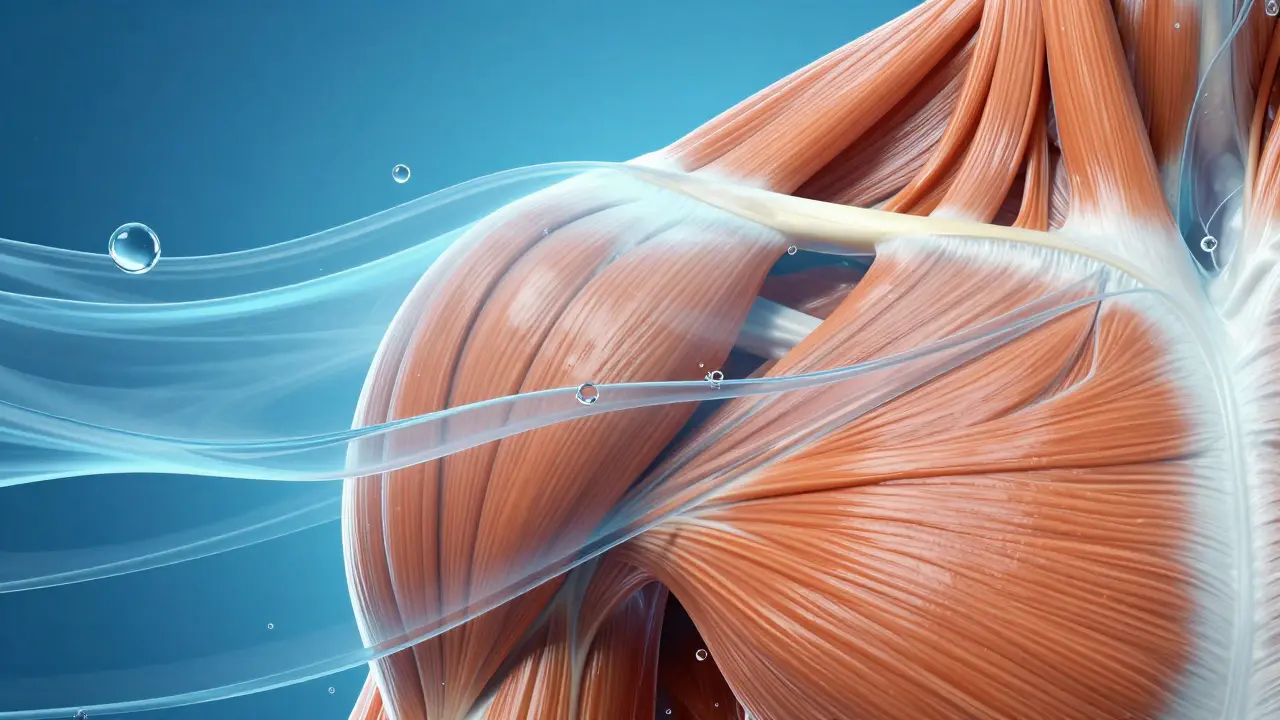
We often talk about muscles, but we ignore the sheath that holds them together: fascia is a connective tissue that surrounds muscles, bones, nerves, and organs throughout the body. Fascia is like the packing peanuts in a box; it fills the spaces and provides structure. When you are dehydrated or inactive, fascia becomes sticky and dense. This restricts the glide between muscle layers.
When fascia is restricted, your muscles have to work harder to move. This increased effort leads to faster fatigue. Fatigued muscles are prone to injury because they cannot stabilize joints effectively. Sports massage techniques, particularly myofascial release, aim to hydrate and loosen this tissue. By improving the sliding mechanism between muscle layers, you enhance overall flexibility and reduce the risk of strains.
This is especially important for runners and cyclists who rely on repetitive motions. Repetitive motion causes fascial layers to adhere to each other. Regular massage breaks these adhesions, maintaining the fluidity required for efficient movement patterns.
Integrating Massage with Other Recovery Methods
Sports massage does not work in a vacuum. To maximize injury prevention, it needs to be part of a broader ecosystem of care. Think of massage as one piece of the puzzle. If you neglect the other pieces, the picture remains incomplete.
Combine massage with dynamic stretching and strength training. Massage loosens the tissue, allowing you to stretch further and lift heavier weights safely. Without the strength component, loose muscles may lack the stability needed to protect joints. Conversely, without massage, tight muscles limit your range of motion, making strength training less effective and more risky.
Hydration is another critical factor. Massage moves fluids around in your body, helping to flush out toxins. If you are dehydrated, this process is hindered, and you may experience soreness or headaches after a session. Drink plenty of water before and after your appointment to support the lymphatic system and enhance the benefits of the treatment.
Common Misconceptions About Sports Massage
There are several myths surrounding sports massage that can deter people from using it effectively. Let's clear them up.
"It has to hurt to work." This is false. While deep tissue work can be intense, pain is not a requirement for effectiveness. In fact, excessive pain can cause muscles to guard and tighten up, counteracting the benefits. Good sports massage should feel challenging but therapeutic, not abusive.
"I only need it when I'm injured." As discussed, reactive treatment is less effective than proactive prevention. Waiting for injury means you've already crossed the threshold from discomfort to damage. Prevention keeps you in the game; treatment takes you out of it.
"Foam rolling replaces massage." Foam rolling is a great self-care tool, but it lacks the precision of a human therapist. A therapist can feel subtle differences in tissue texture and temperature, adjusting pressure accordingly. Foam rolling is good for general maintenance, but it cannot replicate the targeted assessment and correction provided by professional hands-on therapy.
Who Benefits Most from Preventative Sports Massage?
While elite athletes are the most visible users of sports massage, anyone engaged in regular physical activity can benefit. Here are the groups who see the highest return on investment:
- Runners: Due to the high impact on legs and feet, runners are prone to IT band syndrome, shin splints, and Achilles tendonitis. Regular massage keeps these areas supple.
- Gym-goers: Weightlifters often develop asymmetries due to improper form or dominant side usage. Massage helps balance muscle tone and prevent joint wear.
- Tennis and Golf Players: These sports involve rotational movements that stress the spine and shoulders. Massage maintains spinal mobility and shoulder health.
- Dancers: Dancers require extreme flexibility and strength. Massage helps manage the delicate balance between loose and stable muscles.
If you participate in any of these activities, viewing massage as a necessary expense rather than a luxury will likely save you money on medical bills and time lost to injury in the long run.
Finding the Right Therapist
Not all massage therapists are trained in sports massage. Look for credentials such as LMT (Licensed Massage Therapist) with additional certification in sports massage or orthopedic techniques. Ask potential therapists about their experience with your specific sport. A therapist who understands the biomechanics of cycling will provide a different and more effective treatment than one who specializes in relaxation massage.
Communication is key. Tell your therapist about your training schedule, recent competitions, and any areas of concern. The more information they have, the better they can tailor the session to your needs. Remember, you are the expert on your body; they are the expert on tissue manipulation. Work together to keep your body performing at its best.
How often should I get a sports massage for injury prevention?
For most active individuals, a maintenance massage every 4 to 6 weeks is sufficient. During peak training seasons or if you have existing tightness, you may benefit from bi-weekly sessions. Listen to your body and adjust frequency based on your activity level and stress.
Does sports massage help with mental preparation?
Yes. Physical tension often correlates with mental stress. By releasing physical tightness, sports massage can lower cortisol levels and promote a sense of calm. This mental clarity can improve focus and reaction times during competition.
Is sports massage painful?
It can be intense, especially if you have significant adhesions or chronic tightness. However, it should not be excruciating. Effective sports massage operates within your pain tolerance to achieve therapeutic results without causing trauma to the tissue.
Can sports massage replace physical therapy?
No. Sports massage complements physical therapy but does not replace it. If you have an acute injury or structural issue, you need a diagnosis and rehabilitation plan from a physical therapist. Massage supports the healing process and maintains tissue health.
What should I wear to a sports massage appointment?
Wear comfortable, loose-fitting clothing that allows easy access to the areas being treated. Many therapists use draping sheets to maintain modesty while working on specific muscle groups. You may be asked to change into shorts or a tank top depending on the focus of the session.