When you sit still for just ten minutes a day, something surprising happens. Your heart rate slows. Your breathing deepens. The noise in your head doesn’t vanish-but it gets quieter. That’s the power of meditation, and it’s not just about feeling calm. The health benefits of meditation are backed by real science, and they reach far beyond a temporary sense of peace.
Stress Doesn’t Stand a Chance
Chronic stress is one of the biggest silent killers in modern life. It raises cortisol, weakens your immune system, and can lead to heart disease, digestive problems, and insomnia. Meditation doesn’t just distract you from stress-it rewires how your brain responds to it.
A 2023 study from Johns Hopkins reviewed over 18,000 participants and found that mindfulness meditation reduced cortisol levels by an average of 27% after just eight weeks. That’s comparable to the effect of some medications, without the side effects. People who meditated daily reported feeling less overwhelmed by work, family, and financial pressures. They didn’t eliminate stressors-but they stopped letting stress control them.
Lower Blood Pressure, Naturally
If you’ve been told to cut salt, exercise more, or take medication for high blood pressure, meditation might be the missing piece. The American Heart Association officially recognized meditation as a complementary tool for lowering blood pressure in 2020, based on clinical trials showing consistent reductions in both systolic and diastolic pressure.
In one trial, participants who practiced Transcendental Meditation for 15 minutes twice a day saw an average drop of 10 mm Hg in systolic pressure after three months. That’s enough to move someone from Stage 1 hypertension into the normal range. It works because meditation activates the parasympathetic nervous system-the body’s natural “rest and digest” mode-counteracting the constant fight-or-flight signal many of us live with.
Deep, Restorative Sleep
Over 30% of adults struggle with sleep, and insomnia is linked to anxiety, depression, and even weight gain. Meditation doesn’t force sleep-it removes the mental barriers that keep you awake.
A 2024 meta-analysis of 12 randomized trials found that people who meditated before bed fell asleep 20% faster and stayed asleep longer than those who didn’t. One group used body scan meditation, focusing slowly from toes to head. Another used breath awareness. Both groups reported fewer nighttime awakenings and less time spent lying awake worrying. Unlike sleeping pills, meditation doesn’t leave you groggy or dependent. It teaches your nervous system how to relax on command.
Sharper Focus and Mental Clarity
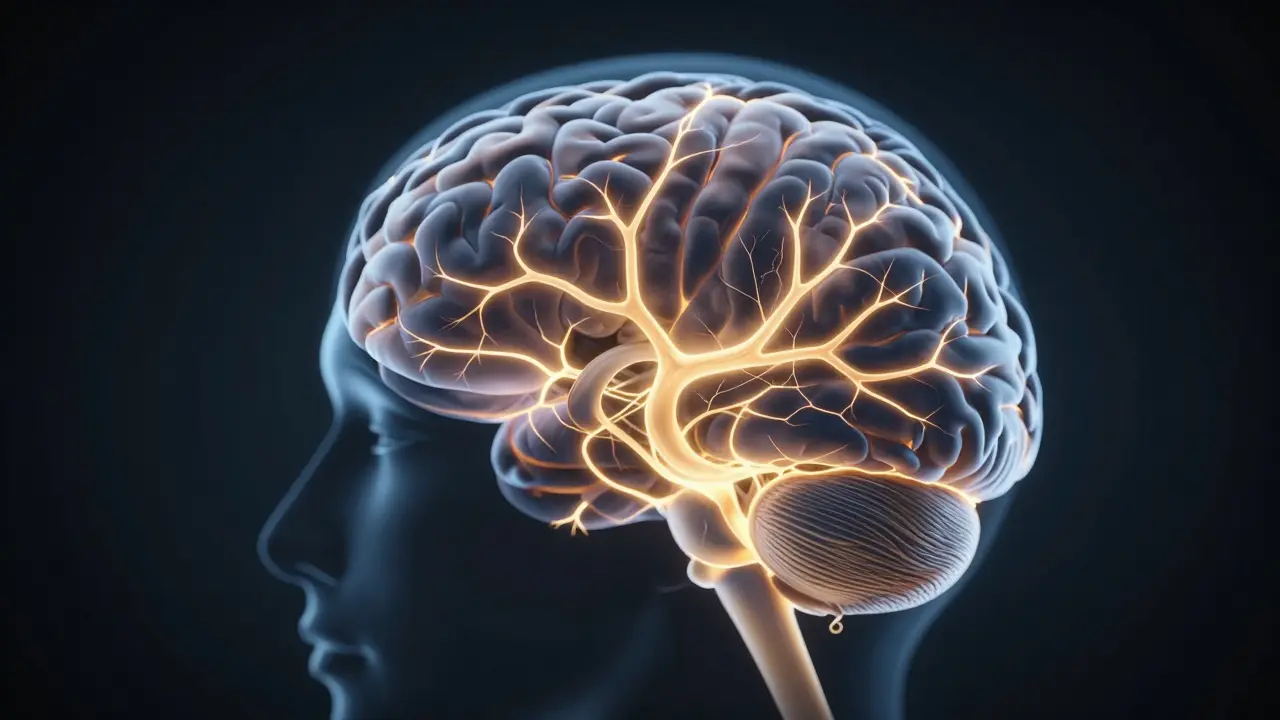
Ever feel like your brain is running ten apps at once? That mental fog? Meditation clears it. Regular practice increases gray matter in the prefrontal cortex-the part of your brain responsible for decision-making, focus, and emotional regulation.
A Harvard study using MRI scans showed that after eight weeks of daily meditation, participants had thicker brain regions linked to attention and self-awareness. They also performed better on memory and reaction-time tests. Office workers who meditated for 10 minutes before starting their day reported fewer mistakes, less distraction, and better handling of multitasking. You’re not just calming down-you’re upgrading your mental hardware.
Stronger Immune Response
When you’re stressed, your immune system takes a hit. Meditation helps turn that around. A 2022 study at the University of Wisconsin found that people who practiced mindfulness meditation for eight weeks produced more antibodies in response to a flu vaccine than a control group.
Their immune cells were more active. Their inflammation markers were lower. They got sick less often and recovered faster. It’s not magic-it’s biology. By reducing stress hormones, meditation gives your body the signal to repair, defend, and regenerate. Think of it as a daily tune-up for your internal defense system.
Emotional Resilience That Lasts
Meditation doesn’t make you happy all the time. But it does make you less reactive. When someone cuts you off in traffic, or a coworker snaps at you, meditation helps you pause before reacting. That pause is everything.
Studies show that meditators have stronger connections between the amygdala (the fear center) and the prefrontal cortex (the rational brake). This means you feel emotions-but you don’t get hijacked by them. People who meditate regularly report fewer mood swings, less anger, and more patience. They’re not emotionally numb. They’re emotionally balanced.
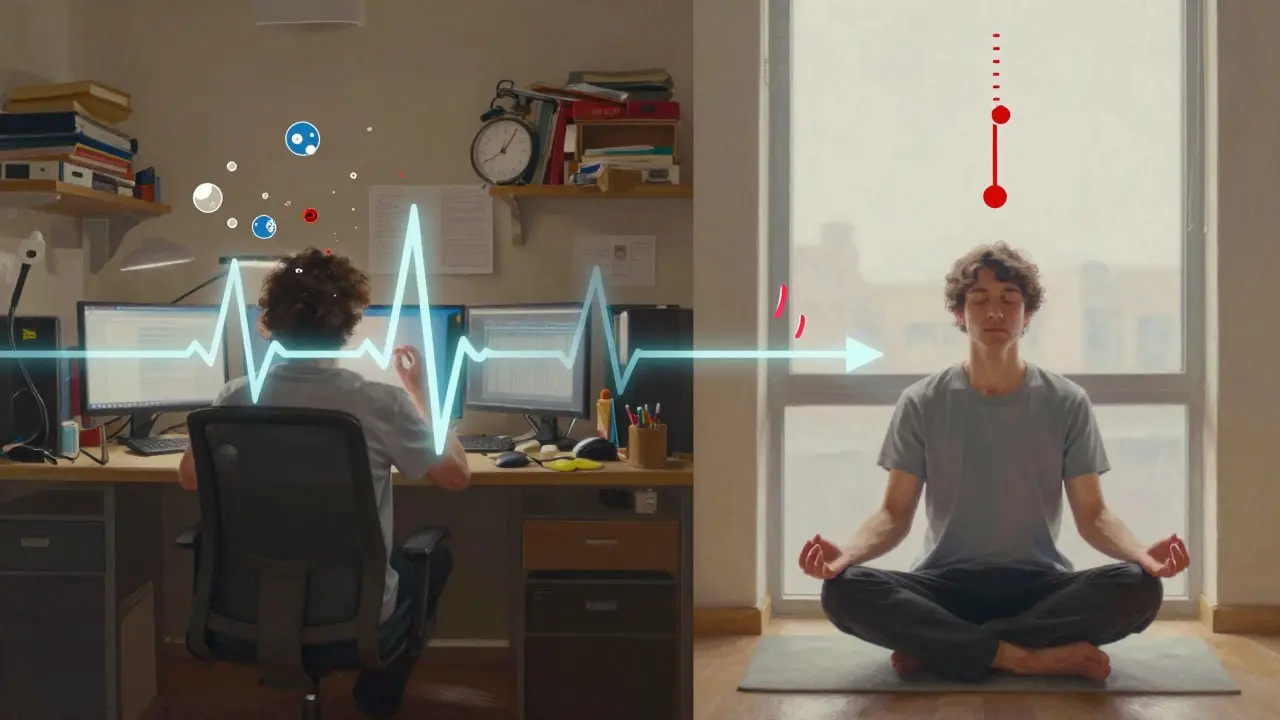
How to Start-Without Overcomplicating It
You don’t need to sit cross-legged for an hour. You don’t need a fancy app or a quiet room. All you need is five minutes and a willingness to try.
- Find a quiet spot. Sit in a chair or lie down-no rules.
- Close your eyes or soften your gaze.
- Focus on your breath. Inhale… exhale…
- When your mind wanders (and it will), gently bring it back. No judgment.
- Start with five minutes a day. Build to ten. Then fifteen.
Try free guided meditations from reputable sources like UCLA’s Mindful Awareness Research Center or the Insight Timer app. There’s no perfect way-just consistent effort.
What Happens If You Skip Days?
Life gets busy. You’ll miss a day. Or ten. That’s okay. Meditation isn’t a test. It’s a practice. The benefits don’t vanish if you skip a week. But they do fade if you stop entirely. Think of it like brushing your teeth. You don’t need to do it perfectly every day-but doing it regularly keeps your mouth healthy. Same here.
Even a single 10-minute session can reset your nervous system. The key isn’t perfection-it’s return. Come back, even if it’s just for three breaths.
The Long-Term Shift
People who meditate for years don’t become monks. They become more themselves. Less reactive. More present. More in control of their reactions. Their relationships improve. Their energy levels stabilize. They sleep better. They handle pressure without burning out.
It’s not about escaping life. It’s about showing up for it-clearer, calmer, and more alive.