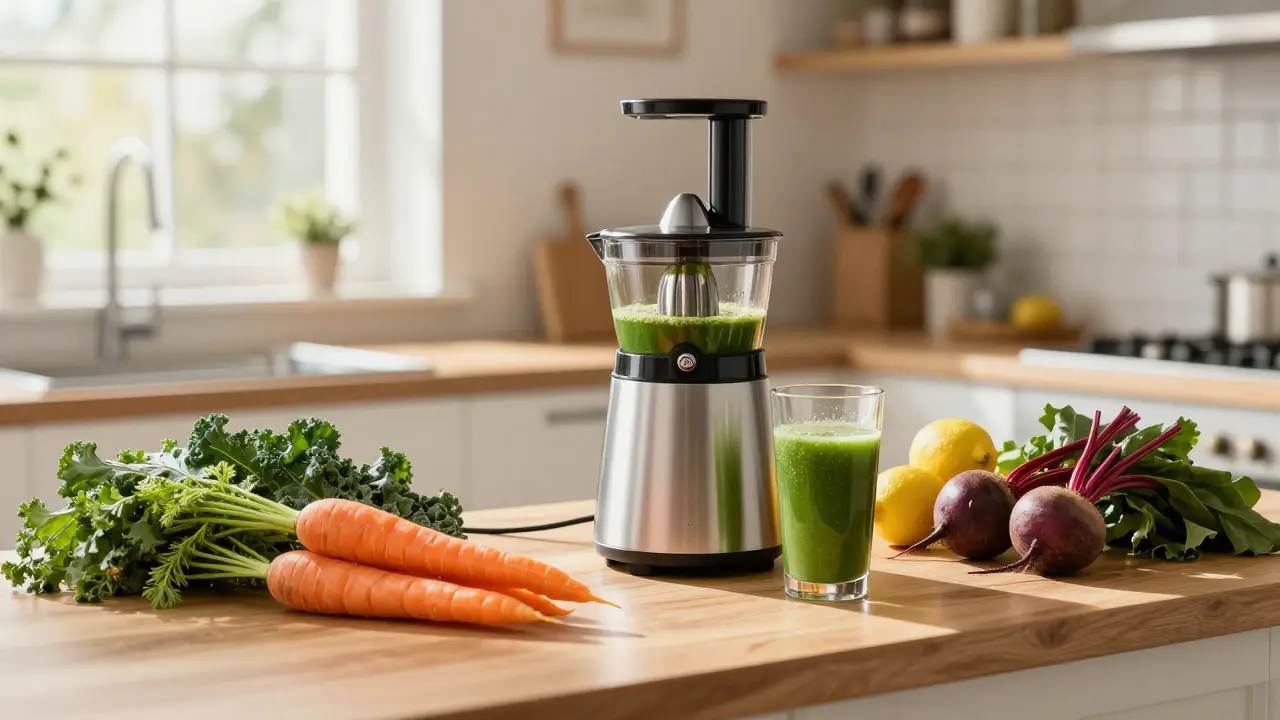
There is a specific moment in the morning when the kitchen smells like crushed leaves and bright citrus. It’s not just breakfast; it’s fuel. Making health juice is a concentrated liquid extract of fruits and vegetables that delivers high levels of vitamins, minerals, and antioxidants while removing indigestible fiber at home isn’t about following rigid rules. It is about understanding what your body needs right now and giving it exactly that, without the preservatives or added sugars found in store-bought bottles.
If you have ever looked at a jar of green sludge on a supermarket shelf and wondered if it was worth the price tag, you are not alone. Most commercial juices lose their nutritional value within days of being pressed. By making your own, you control the freshness, the ingredients, and the balance of flavors. This guide will walk you through selecting the right produce, choosing between extraction methods, and crafting recipes that actually taste good.
Choosing Your Extraction Method: Centrifugal vs. Masticating
The first decision you face is the machine. Not all juicers are created equal, and the technology inside determines how much nutrition ends up in your glass. There are two main types of juicers available today, and each serves a different purpose.
Centrifugal juicers use a fast-spinning metal blade and mesh filter to separate juice from pulp by centrifugal force. They are fast, loud, and affordable. You can throw chunks of apple or carrot into the chute, and juice comes out in seconds. However, the speed generates heat, and the exposure to air causes oxidation. Oxidation breaks down enzymes and vitamins, meaning your juice should be consumed immediately for maximum benefit. These machines are also less efficient with leafy greens, often leaving behind wet, nutrient-rich pulp.
Masticating juicers, also known as cold-press or slow juicers, use a single auger that crushes and presses produce against a screen to extract juice slowly and gently. They are slower, quieter, and more expensive. But they produce drier pulp, meaning more yield from your produce. More importantly, the low speed minimizes heat and oxidation. The resulting juice is richer in color, creamier in texture, and retains nutrients longer-often staying fresh in the fridge for up to 72 hours. If you plan to juice leafy greens like kale or spinach regularly, a masticating juicer is the superior choice.
| Feature | Centrifugal Juicer | Masticating Juicer |
|---|---|---|
| Speed | Fast (minutes) | Slow (5-10 minutes) |
| Noise Level | Loud | Quiet |
| Oxidation | High (consume immediately) | Low (stores up to 3 days) |
| Leafy Green Efficiency | Poor | Excellent |
| Price Range | $50 - $150 | $200 - $600+ |
The Golden Rule of Flavor: Balancing Sweet, Sour, and Bitter
The biggest mistake beginners make is trying to drink pure vegetable juice. Pure beet juice tastes like dirt. Pure celery juice tastes like salt water. To make health juice delicious, you need to balance three flavor profiles: sweet, sour, and bitter/pungent.
Sweet bases provide the volume and palatability. Apples, carrots, pears, and beets are the workhorses here. They contain natural sugars that mask the harshness of greens. A general rule of thumb is to start with 50% sweet base in your recipe. For example, two medium apples or three large carrots form a solid foundation.
Sour accents add brightness and cut through the sweetness. Lemon, lime, and ginger are essential. Ginger, in particular, adds a spicy kick that wakes up the palate and aids digestion. Always squeeze half a lemon or lime into any green juice. It not only improves taste but also helps preserve the vitamin C content by lowering the pH level.
Bitter or pungent elements deliver the medicinal benefits. Kale, spinach, cucumber, celery, and wheatgrass fall into this category. While they might not taste great on their own, they pack the highest density of chlorophyll and micronutrients. Start with small amounts-a handful of spinach or one stalk of celery-and increase as your palate adjusts.
Essential Ingredients and Their Benefits
Understanding what each ingredient brings to the table allows you to customize your juice for specific health goals. Here are the most versatile and nutrient-dense options to keep in your fridge.
- Carrots: High in beta-carotene, which converts to Vitamin A in the body. Essential for eye health and immune function. Carrots also add a natural sweetness that pairs well with almost anything.
- Ginger Root: A powerful anti-inflammatory agent. It soothes nausea, supports digestion, and adds a warming spice. Use a 1-inch knob for every liter of juice.
- Cucumber: Hydrating and alkalizing. It has a mild flavor that dilutes stronger tastes without adding sugar. Great for detoxifying blends.
- Kale: One of the most nutrient-dense foods on the planet. Rich in Vitamins K, A, and C. Remove the tough stems before juicing to avoid clogging your machine and improving yield.
- Lemon: Adds acidity and Vitamin C. The citric acid helps bind iron from plant sources, making it more absorbable by your body.
- Beetroot: Contains nitrates that improve blood flow and lower blood pressure. Beets have an earthy flavor, so pair them with apple or carrot to make them palatable.
Three Proven Recipes for Every Goal
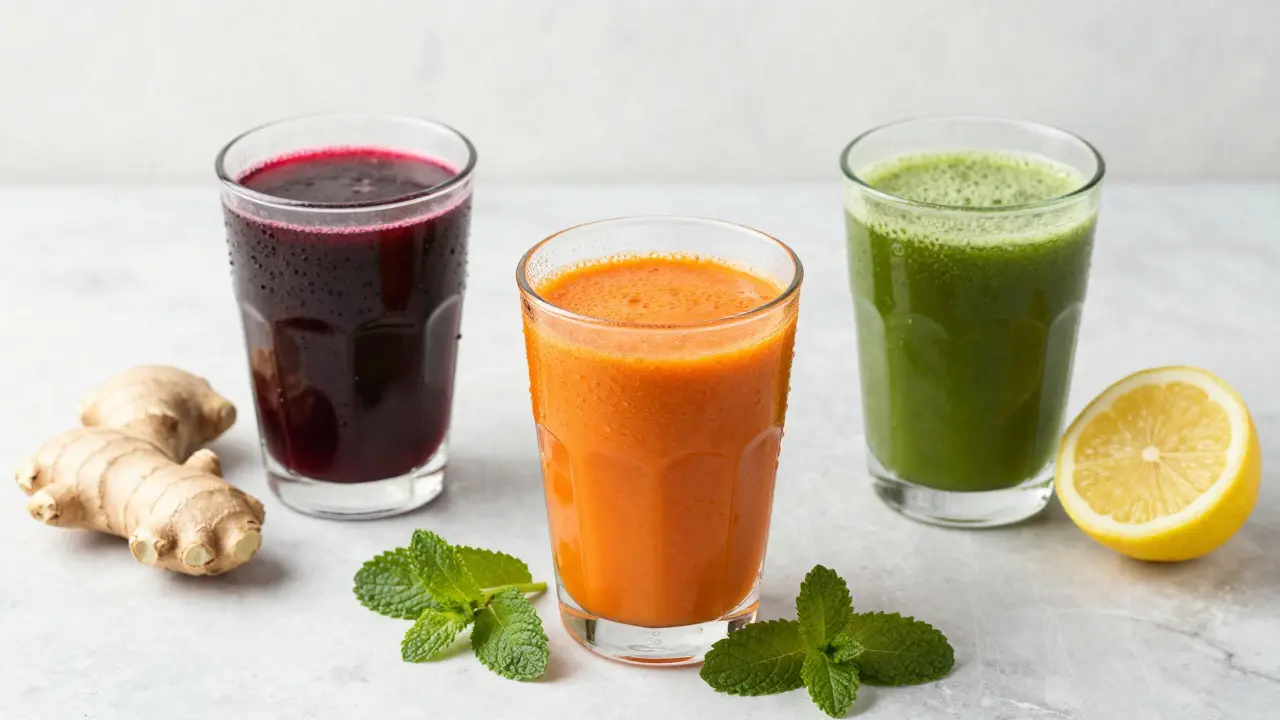
Here are three balanced recipes that cover different health needs. Each makes approximately 250ml (one cup) of juice.
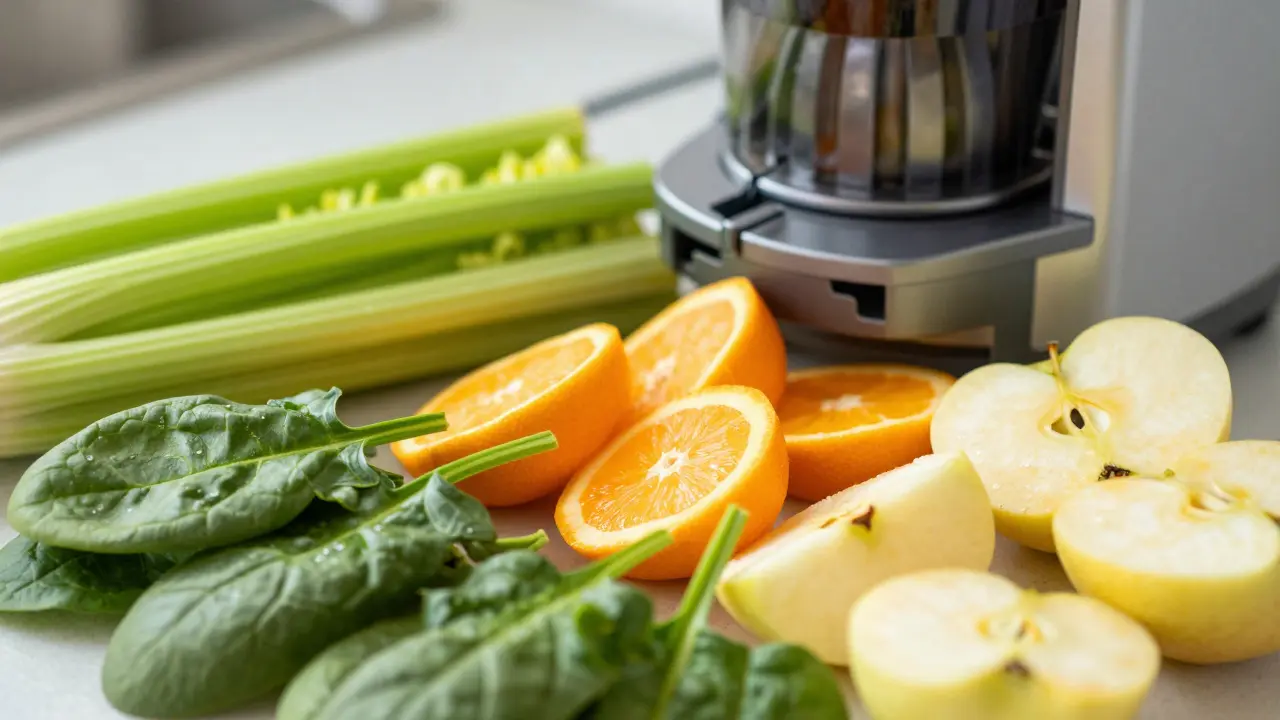
1. The Daily Green Detox
This recipe is designed to boost energy and support liver function. It is light, refreshing, and easy to drink on an empty stomach.
- 2 stalks of celery
- 1 cucumber
- 1 handful of spinach leaves
- 1/2 lemon (peeled)
- 1 inch of ginger root
2. The Immunity Booster
Rich in Vitamin C and antioxidants, this orange-hued juice is perfect during cold and flu season. It tastes like sunshine.
- 3 large carrots
- 1 orange (peeled)
- 1 inch of turmeric root (or 1/2 tsp powder)
- 1/2 lemon (peeled)
- A pinch of black pepper (enhances turmeric absorption)
3. The Energy & Stamina Blend
Ideal for pre-workout fuel. Beets improve oxygen efficiency, while apples provide quick carbs.
- 1 medium beetroot (scrubbed clean)
- 2 green apples
- 1/2 lemon (peeled)
- 1 inch of ginger root
Preparation Tips for Maximum Yield
How you prepare your produce matters just as much as the ingredients themselves. Washing everything thoroughly is non-negotiable, especially if you are using organic produce which may still carry soil residues. Scrub root vegetables like carrots and beets with a brush under running water.
Cutting produce into sizes that fit your juicer’s feed chute saves time and prevents jamming. For centrifugal juicers, you can often leave skins on apples and cucumbers, as they add fiber and nutrients. However, for masticating juicers, peeling hard-skinned fruits like oranges and lemons is necessary because the thick rind contains bitter oils and can damage the auger over time.
Layering ingredients strategically can improve extraction. Alternate soft and hard ingredients. For example, put a slice of apple, then a handful of spinach, then another slice of apple. The harder pieces help push the softer leaves through the mechanism, ensuring you get every drop of juice.
Storage and Consumption Guidelines
Fresh juice begins to degrade the moment it is extracted. Enzymes break down, and oxidation turns the liquid brown. For the best results, drink your juice immediately after pressing. If you must store it, use airtight glass bottles filled to the very top to minimize air exposure. Store them in the coldest part of your refrigerator.
Centrifugal juice should be consumed within 15-20 minutes. Masticating juice can last up to 72 hours, though the flavor and nutrient profile will slowly decline. Shake well before drinking, as separation is natural. Never freeze juice, as the ice crystals destroy cell walls and ruin the texture upon thawing.
Troubleshooting Common Issues
Juice tastes too bitter: You likely used too many leafy greens or didn't peel the citrus rind. Add more apple or carrot next time to balance the bitterness.
Juicer jams frequently: You may be feeding it too quickly or putting in pieces that are too large. Slow down and cut produce smaller. Also, ensure you are alternating soft and hard ingredients.
Pulp is still wet: This indicates inefficient extraction. With centrifugal juicers, this is normal. With masticating juicers, try re-juicing the pulp once or twice, or check if the screen is clogged.
Making health juice at home is an investment in your long-term vitality. It requires a bit of planning and cleanup, but the reward is a vibrant, nutrient-packed drink that tastes far better than anything you can buy. Start with simple recipes, listen to your body, and adjust the ingredients based on your daily needs. Before long, it will become a seamless part of your morning routine.
Can I drink health juice every day?
Yes, drinking fresh juice daily can significantly boost your intake of vitamins and minerals. However, it should complement, not replace, whole foods. Whole fruits and vegetables contain fiber, which slows sugar absorption and promotes gut health. Aim for one glass per day, preferably in the morning or before a workout.
Is it better to juice or blend?
It depends on your digestive system and goals. Blending keeps all the fiber, creating a thicker smoothie that keeps you fuller longer and stabilizes blood sugar. Juicing removes insoluble fiber, allowing for faster absorption of nutrients. If you have digestive issues or struggle to eat enough vegetables, juicing is often easier on the stomach.
Do I need to peel my fruits and vegetables?
Not always. You should peel citrus fruits (oranges, lemons) because the rind is bitter and can damage juicer parts. For apples, cucumbers, and carrots, you can leave the skin on if they are organic or thoroughly washed, as the skin contains valuable nutrients. Always remove tough stems from leafy greens like kale.
How long does fresh juice last in the fridge?
Juice made with a centrifugal juicer should be drunk within 15-20 minutes due to rapid oxidation. Juice made with a masticating (slow) juicer can last up to 72 hours if stored in an airtight glass bottle filled to the brim in the coldest part of the fridge. Always shake well before consuming.
Can juicing help with weight loss?
Juicing can support weight loss by replacing high-calorie processed snacks with low-calorie, nutrient-dense drinks. However, fruit-heavy juices can spike blood sugar if consumed without fiber. For weight management, focus on vegetable-based juices with minimal fruit, and never use juice as a complete meal replacement for extended periods.