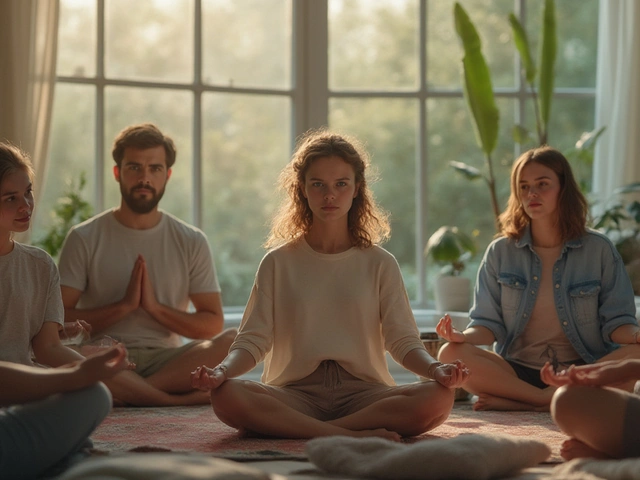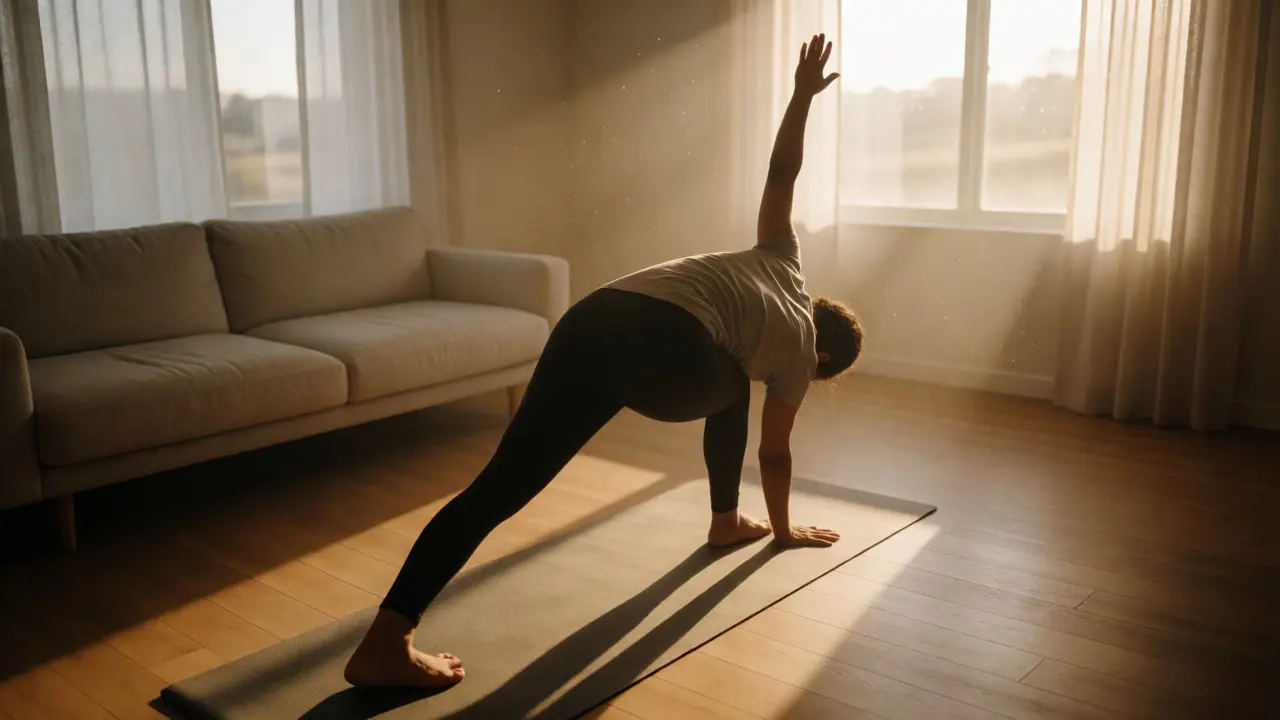
You’ve probably heard that yoga is good for your body and meditation is good for your mind. But what if I told you they’re actually two halves of the same whole? For years, I treated them like separate chores-one for my muscles, one for my brain. Then I tried combining them. The result wasn’t just "better"; it was transformative. If you’re stuck in a rut with either practice alone, pairing them might be the exact reset your nervous system needs.
Why Your Body Needs Movement Before Stillness
Here’s a hard truth about sitting still: most people can’t do it well when their bodies are tense or restless. You sit down to meditate, and suddenly your back hurts, your legs itch, and your mind races because there’s nowhere else for that pent-up energy to go. That’s where yoga comes in as a prep tool. It’s not just exercise; it’s a way to metabolize stress hormones like cortisol and adrenaline before you try to quiet your mind.
When you move through poses like Sun Salutations or Warrior II, you’re physically releasing tension stored in your hips, shoulders, and spine. A study published in the Journal of Clinical Psychology found that participants who engaged in gentle movement before meditation reported significantly lower anxiety levels than those who sat cold. Think of yoga as clearing the static from a radio channel so the music (your meditation) can come through clearly.
The Science Behind the Synergy
It’s not magic; it’s physiology. Both practices activate the parasympathetic nervous system, often called the "rest and digest" mode. But they hit different switches. Yoga primarily engages the vagus nerve through deep breathing linked to physical stretching, while meditation directly trains the prefrontal cortex to regulate emotional responses.
When you combine them, you get a compounding effect. The physical release from yoga lowers your heart rate and blood pressure, creating a physiological baseline that makes meditation deeper and faster. You aren’t fighting against a racing heartbeat to find focus; you’re already halfway there. This is why many traditional lineages, like Hatha Yoga, never separated the two. They understood that asana (posture) prepares the body for dhyana (meditation).
| Feature | Yoga Focus | Meditation Focus | Combined Benefit |
|---|---|---|---|
| Primary Mechanism | Physical release & breath control | Mental observation & focus | Holistic stress reduction |
| Nervous System | Activates parasympathetic via stretch | Calms sympathetic overdrive | Faster return to baseline calm |
| Best Time to Use | Morning or after work | Before sleep or during breaks | Anytime for rapid reset |
| Common Pitfall | Over-exertion or injury | Frustration with wandering mind | Boring routine if not varied |
How to Build a Simple 15-Minute Routine
You don’t need an hour-long class or a silent retreat. Consistency beats duration every time. Here’s a straightforward sequence that works whether you’re in a living room or a hotel room. The key is intentionality, not perfection.
- Grounding Breath (2 minutes): Sit comfortably. Close your eyes. Inhale for four counts, hold for four, exhale for six. This signals safety to your brain.
- Gentle Flow (8 minutes): Move slowly through three simple poses: Cat-Cow (for spine mobility), Child’s Pose (for hip release), and Seated Forward Fold (for hamstring stretch). Sync each movement with your breath. Don’t push into pain; aim for mild discomfort.
- Stillness (5 minutes): Return to a seated position. Keep your spine straight but relaxed. Focus on the sensation of air entering and leaving your nostrils. When your mind wanders-and it will-gently bring it back without judgment.
This structure uses yoga to open the channels and meditation to flood them with awareness. It’s accessible, requires no equipment, and fits into a busy schedule.
Choosing the Right Style for Your Personality
Not all yoga and meditation pairs are created equal. Your personality type matters here. Are you high-strung and analytical? Or are you lethargic and foggy?
If you tend toward anxiety or overthinking, try Vinyasa Yoga followed by Mindfulness Meditation. The continuous movement burns off nervous energy, making it easier to observe thoughts without getting swept away. Conversely, if you feel sluggish or depressed, Restorative Yoga paired with Loving-Kindness (Metta) Meditation can gently lift your mood. Restorative poses use props to support the body, allowing deep relaxation, while Metta focuses on generating feelings of warmth and connection.
Avoid intense power yoga if your goal is immediate stress relief; you might spike your cortisol instead of lowering it. Match the intensity of the movement to the state you want to achieve.

Pitfalls That Kill the Practice
I see people quit this combo for three specific reasons. First, they treat it like a workout. They check their form, worry about how they look, and rush through the breath. Yoga isn’t about touching your toes; it’s about listening to your body. Second, they judge their meditation. They think, "I failed because I thought about groceries." No, noticing you drifted *is* the meditation. Third, they lack consistency. Doing this once a month does nothing. Doing it five minutes daily changes your baseline stress levels within two weeks.
Another trap is ignoring the transition. Jumping straight from a vigorous flow into silence can feel jarring. Take one minute between moving and sitting to just breathe normally. Let your heart rate settle. This bridge prevents the shock of sudden stillness.
Real-Life Impact: Beyond the Mat
The real win isn’t how flexible you become or how long you can sit still. It’s how you handle a rude email or a traffic jam. Practitioners who combine these methods report higher resilience in daily life. Why? Because you’ve trained your nervous system to switch gears. You know what it feels like to be tense, and you know the exact physical cues to release it. You know what mental chaos feels like, and you have a anchor to return to.
In Vancouver, where rain and gray skies can dampen spirits, this combo is a non-negotiable part of my winter survival kit. It’s portable, free, and effective. Whether you’re dealing with workplace burnout or general life noise, having a toolkit that addresses both the physical container (body) and the content (mind) gives you a massive advantage.
Do I need to be flexible to start this combo?
No. Flexibility is a byproduct of practice, not a prerequisite. You can use blocks, straps, or even a chair for yoga poses. The goal is comfort and breath awareness, not extreme range of motion. If you can sit in a chair, you can meditate. If you can stand up, you can do modified yoga.
Which should I do first: yoga or meditation?
Generally, do yoga first. Physical movement releases stored tension and regulates your breathing, which creates a calmer physiological state for meditation. Trying to meditate with a tightly wound body often leads to distraction or physical discomfort. However, if you are feeling very sleepy, starting with meditation might help wake you up before moving.
How long until I notice benefits?
Many people feel immediate relaxation after a single session. However, structural changes in stress response typically take 2-4 weeks of consistent practice (even 10-15 minutes daily). Look for subtle signs like sleeping better, reacting less impulsively, or feeling more centered during stressful moments.
Can I do this at home without a teacher?
Absolutely. Apps like Insight Timer or YouTube channels offer guided sequences specifically designed to blend yoga and meditation. Start with beginner-friendly videos that emphasize breath and slow movement. Just ensure you listen to your body and avoid pushing into pain.
Is this suitable for people with chronic pain?
Yes, but consult your doctor first. Gentle restorative yoga and mindfulness meditation are often recommended for chronic pain management. The key is avoiding aggressive stretching. Focus on breath-led movement that respects your limits. Meditation helps change your relationship with pain, reducing the suffering component even if the sensation remains.