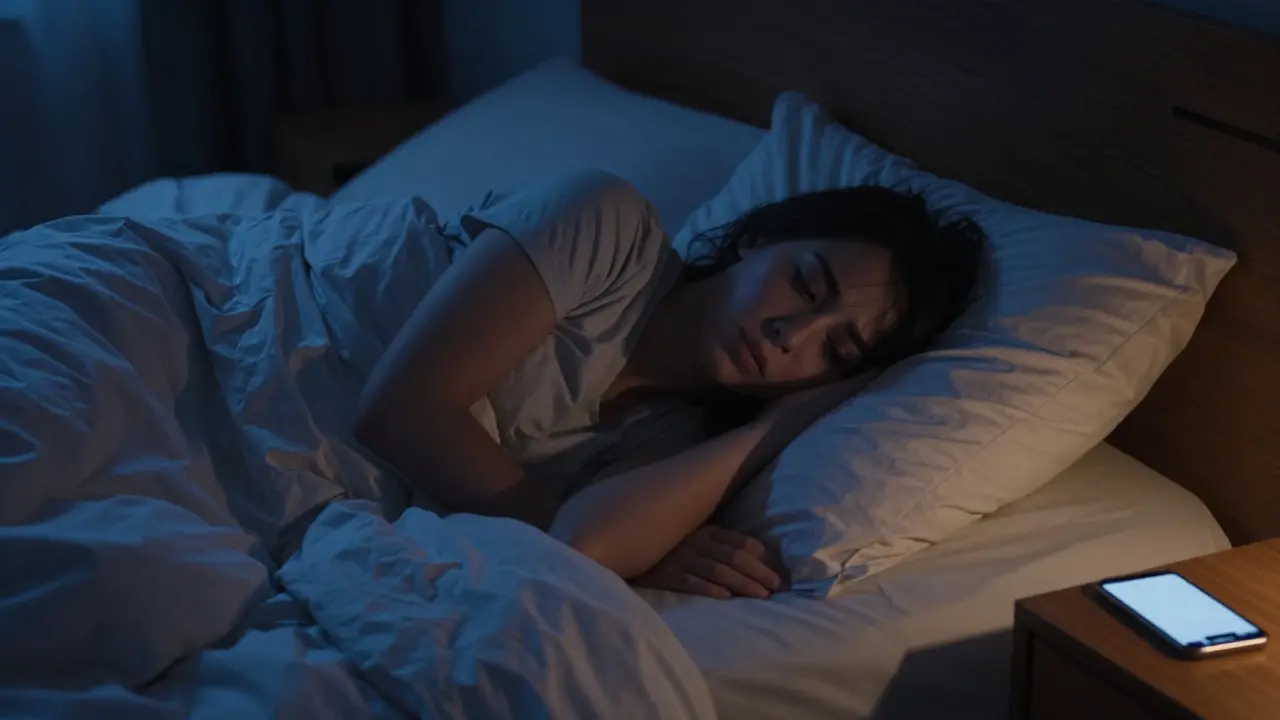
Life doesn’t stop asking for more. Bills pile up. Work emails never quiet down. Kids need things. Parents need care. And somewhere in the middle, you forget how to breathe. If you’ve ever lain awake at 3 a.m. with your heart racing, wondering why everything feels heavy, you’re not broken-you’re just human. The good news? Stress doesn’t have to rule your life. There are real, proven ways to reduce it-not with expensive retreats or impossible routines, but with small, daily shifts that actually stick.
What Stress Really Does to Your Body
Most people think stress is just about feeling anxious or overwhelmed. But it’s more than that. When you’re under pressure, your body releases cortisol and adrenaline. That’s fine for short bursts-like dodging a car or giving a presentation. But when it’s constant? Your immune system weakens. Your digestion gets messy. Your sleep breaks down. And over time, chronic stress raises your risk for high blood pressure, heart disease, and even depression.
A 2024 study from the Australian Institute of Health and Welfare found that over 60% of adults in Western Australia reported feeling overwhelmed at least three times a week. And it wasn’t just work-it was traffic, parenting, social media, and the constant pressure to "do more." The body doesn’t know the difference between a looming deadline and a screaming toddler. It just reacts. And if you don’t give it a chance to reset, it never does.
Stop Trying to "Eliminate" Stress
A lot of stress advice sounds like this: "Meditate for an hour. Quit your job. Go live in the mountains." That’s not realistic. You don’t need to overhaul your life to feel calmer. You need to interrupt the stress cycle-again and again-through tiny, repeatable actions.
Think of it like brushing your teeth. You don’t do it once and expect lifelong dental health. You do it daily. Stress reduction works the same way. It’s not about removing stress entirely. It’s about building habits that let your nervous system recover.
Five Daily Habits That Actually Work
- Start with 2 minutes of breathwork-not meditation, just breath. Inhale for 4 counts, hold for 2, exhale for 6. Repeat five times. Do this before you check your phone in the morning. It signals to your brain: "You’re safe right now."
- Move your body, even a little-walk around the block, stretch while waiting for coffee, dance to one song. Movement lowers cortisol. You don’t need a gym. Just get your limbs moving for 10 minutes.
- Write down three things that went okay today-not "I didn’t get fired," but "I laughed at my kid’s joke," or "The coffee was perfect." This rewires your brain to notice what’s working, not just what’s broken.
- Set one digital boundary-no emails after 7 p.m., mute group chats on weekends, delete social apps for 24 hours once a week. Your brain needs silence to heal. Constant notifications keep it in fight-or-flight mode.
- Touch something real-hold a pet, hug someone, run your hands under warm water, sit in the sun with bare feet. Physical grounding tells your nervous system: "You’re here. You’re safe."

The Myth of the "Perfect" Routine
You don’t need a morning ritual with essential oils and journaling. You don’t need to wake up at 5 a.m. or do yoga every day. Those things can help-but they’re not magic. The real key is consistency, not perfection.
One woman I spoke to in Perth, a single mom working two jobs, told me she only had 90 seconds to herself each day. So she stood in the shower, closed her eyes, and just breathed. That’s it. No candles. No apps. Just breath. Within two weeks, she said her panic attacks dropped by 70%. You don’t need more time. You need better use of the time you have.
What Doesn’t Work (And Why)
Not all "relaxation" is actually relaxing. Here’s what often backfires:
- Scrolling to unwind-Social media spikes cortisol. It’s designed to keep you anxious and engaged.
- Drinking to relax-Alcohol may calm you temporarily, but it disrupts sleep and increases anxiety the next day.
- Waiting for "someday"-"I’ll relax when I get promoted," or "when the kids are older." That someday never comes.
- Over-scheduling "self-care"-If your spa day feels like another task on your list, it’s not rest. It’s performance.
Real stress reduction isn’t about adding more to your plate. It’s about removing the things that drain you without giving you anything back.

Your Nervous System Is Always Listening
Here’s a simple truth: your body is always responding to your environment. Loud noises. Tight schedules. Judgmental texts. Uncertainty. Your nervous system doesn’t need grand gestures. It needs safety signals.
Try this: every time you feel tension rising, ask yourself: "What’s one thing I can do right now to feel safer?" Maybe it’s opening a window. Maybe it’s saying "I need five minutes" to a coworker. Maybe it’s putting your phone on silent. Small actions build a sense of control-and control is the antidote to chronic stress.
When to Seek Help
Some stress is normal. Chronic, unrelenting stress isn’t. If you’ve tried these steps for 6-8 weeks and still feel constantly on edge, exhausted, or numb, it’s time to talk to someone. A therapist, a doctor, or even a trusted community group can help. There’s no shame in needing support. In fact, asking for help is one of the strongest stress-reduction tools you have.
And if you’re reading this because you’re tired of feeling like you’re barely holding on-you’re not alone. Thousands of people in Perth, Sydney, Melbourne, and beyond are right there with you. The path to peace isn’t about fixing everything. It’s about learning how to rest, even in the middle of the storm.
Can stress really cause physical illness?
Yes. Chronic stress triggers long-term changes in your body. High cortisol levels can lead to high blood pressure, weakened immunity, digestive issues like IBS, and even worsen conditions like eczema or asthma. A 2023 study from the University of Melbourne found that people with persistent stress were 40% more likely to develop heart disease over five years-even when they had no other risk factors.
How long does it take to see results from stress reduction?
Most people notice small shifts within 7-10 days-like sleeping better or feeling less reactive. But real, lasting change takes 4-8 weeks of consistent practice. It’s not about one big moment. It’s about stacking small moments of calm into a new habit. Think of it like building muscle: you don’t get stronger from one workout. You get stronger from showing up, day after day.
Is meditation necessary for stress reduction?
No. While meditation helps some people, it’s not the only way. Many find it hard to sit still or quiet their minds-and that’s okay. Breathing exercises, walking in nature, journaling, or even washing dishes with full attention can be just as effective. The goal isn’t to empty your mind. It’s to give your nervous system a break.
Can changing my diet help reduce stress?
Yes, indirectly. Eating too much sugar, caffeine, or processed food can spike your blood sugar and make anxiety worse. On the other hand, foods rich in magnesium (like spinach, nuts, and bananas), omega-3s (like salmon and flaxseeds), and probiotics (like yogurt and kimchi) support your nervous system. You don’t need a perfect diet. Just reduce the stuff that makes you jittery and add in a few calming foods.
What if I don’t have time for any of this?
You don’t need time-you need intention. Even 60 seconds counts. Pause before answering a text. Take three deep breaths while waiting for the kettle to boil. Look out the window for 10 seconds. These micro-moments add up. You don’t need to carve out an hour. You just need to reclaim the seconds you’re already losing to autopilot.
Peace doesn’t come from escaping life. It comes from learning how to be in it-without falling apart. Start small. Stay consistent. And remember: you’re not trying to become someone else. You’re just trying to come back to yourself.