Beginner Juicing: Simple Steps to Start Healthy Juicing Today
When you start beginner juicing, the practice of extracting nutrient-rich liquid from fruits and vegetables for daily consumption. Also known as fresh juicing, it’s not about detoxes or extreme diets—it’s about making it easy to get more vitamins, enzymes, and antioxidants into your day without swallowing a pound of greens. Most people begin because they want better digestion, more energy, or clearer skin. And honestly? They’re right to try it.
health juices, liquid blends made from whole fruits and vegetables without added sugars or preservatives work because they give your body a head start. When you juice, you remove the fiber, which means your digestive system doesn’t have to work as hard to absorb nutrients. That’s why many people notice less bloating, better bowel movements, and even fewer cravings after just a few days. It’s not magic—it’s biology. Your gut, which gut health, the balance of bacteria and function in your digestive tract, thrives on clean, concentrated nutrients. Juicing supports that balance by reducing inflammation and feeding good bacteria with natural sugars and phytonutrients.
You don’t need a $500 machine to start. A basic centrifugal juicer or even a blender with a fine strainer will do. Start with mild flavors: carrots, apples, cucumbers, and ginger. These are forgiving, sweet, and easy on the stomach. Avoid jumping into kale or beetroot right away—they’re powerful, but can cause upset if your gut isn’t used to them. Drink your juice on an empty stomach, ideally in the morning. That’s when your body absorbs the most nutrients. And skip the sugar. Even if you’re using fruit, too much can spike blood sugar and undo the benefits.
digestion improvement, the process of enhancing how efficiently your body breaks down and absorbs food is one of the most common reasons people stick with juicing. Studies show that enzymes in raw produce—like bromelain in pineapple and papain in papaya—help break down proteins and ease bloating. When you juice, you get these enzymes without chewing, which is helpful if your digestion is slow or sensitive. Pair your juice with a good night’s sleep and less stress, and you’ll see even bigger results.
There’s no one-size-fits-all recipe. Some people juice every day. Others do it three times a week. What matters is consistency, not perfection. If you miss a day, just start again. The goal isn’t to become a juicing expert—it’s to make your body feel better, one glass at a time. Below, you’ll find real guides from people who started exactly where you are now: curious, a little unsure, but ready to try something that actually works.
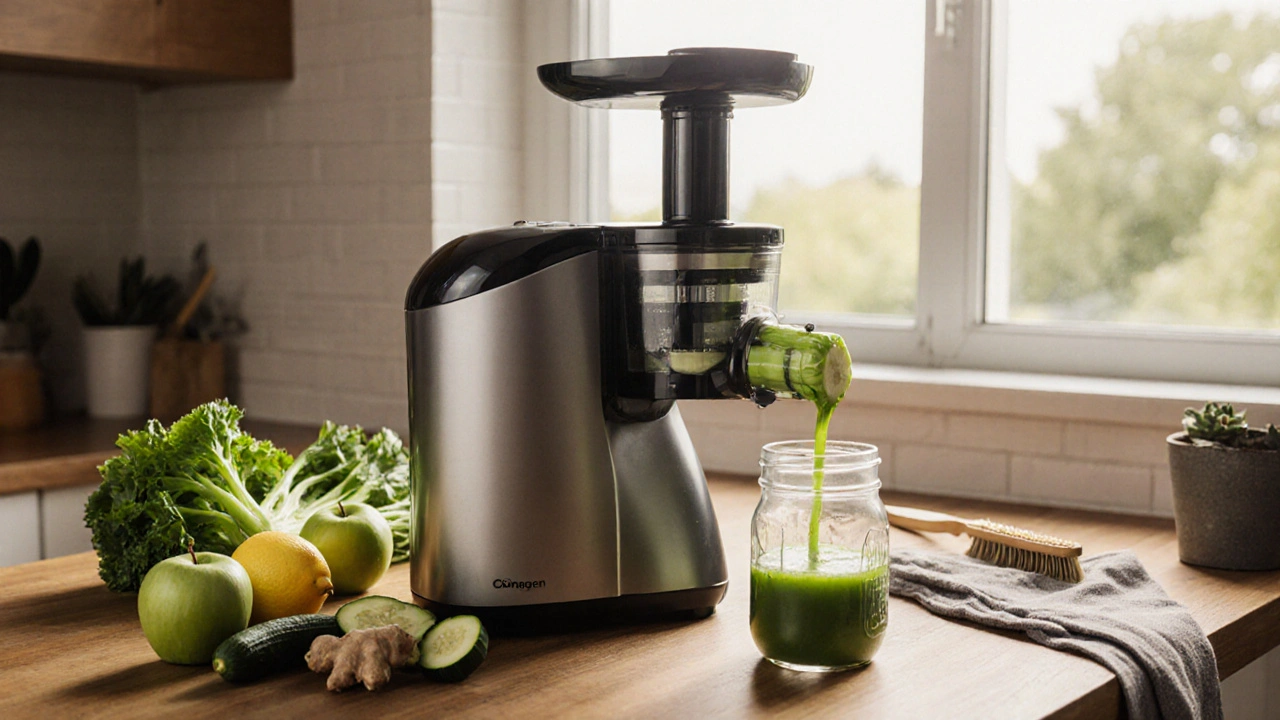
Juicing for Health: The Ultimate Beginner’s Guide
Learn how to start juicing for health with simple recipes, what equipment you really need, and how to avoid common mistakes. Get real results without the hype.
Read More