Juicing for Health: What It Really Does for Your Gut, Energy, and Immunity
When you hear juicing for health, the practice of extracting liquid nutrients from fruits and vegetables to support wellness. Also known as fresh juice therapy, it’s not about detox fads—it’s about giving your body a concentrated dose of vitamins, enzymes, and antioxidants that are easy to absorb. People don’t juice because it’s trendy. They do it because their digestion improves, their energy levels stop crashing after lunch, and they feel less bloated. It’s not magic. It’s biology.
What you drink matters more than you think. A glass of carrot, ginger, and apple juice isn’t just sweet—it’s loaded with gut health, the balance of bacteria and function in your digestive tract that affects everything from mood to immunity. The enzymes in raw produce help break down food before it even hits your stomach. That means less work for your gut, less inflammation, and better nutrient uptake. And when your gut is happy, your skin clears up, your sleep improves, and you stop reaching for sugar just to stay awake.
Then there’s digestion, how your body turns food into fuel and gets rid of waste. Most people don’t chew enough or eat too fast. Juicing gives your digestive system a break. You still need fiber from whole foods, but a daily green juice can kickstart your system—especially if you’re sluggish after meals or deal with bloating. Think of it like a reset button for your stomach. You don’t need to juice every day. Just a few times a week, with the right ingredients, makes a difference.
And let’s talk about nutrition, the actual nutrients your body uses to function, repair, and fight off illness. A single carrot has vitamin A. A celery stalk has potassium. A handful of kale? That’s calcium, iron, and vitamin K. When you juice them together, you’re not just drinking liquid—you’re drinking concentrated health. No supplements. No pills. Just plants, crushed and poured.
It’s not about drinking juice instead of meals. It’s about using juice to fill the gaps. If you’re not eating enough veggies, a morning green juice covers a lot of ground. If your digestion feels slow, a ginger-turmeric shot wakes it up. If you’re tired all the time, the natural sugars in fruit—paired with minerals from greens—give you clean energy without the crash.
Some people worry about sugar. Fair point. But the sugar in an apple isn’t the same as the sugar in soda. It comes with fiber (even in juice, some remains), water, and nutrients that slow absorption. The key? Keep it vegetable-heavy. Aim for 80% greens and roots, 20% fruit. That’s the sweet spot.
You’ll find posts here that break down exactly which juices help with digestion, which ones calm inflammation, and how to avoid common mistakes—like using too much fruit or skipping cleanup routines that keep your blender safe. You’ll see what real people are drinking, what science says about timing, and how to make this simple habit stick without turning it into another chore.
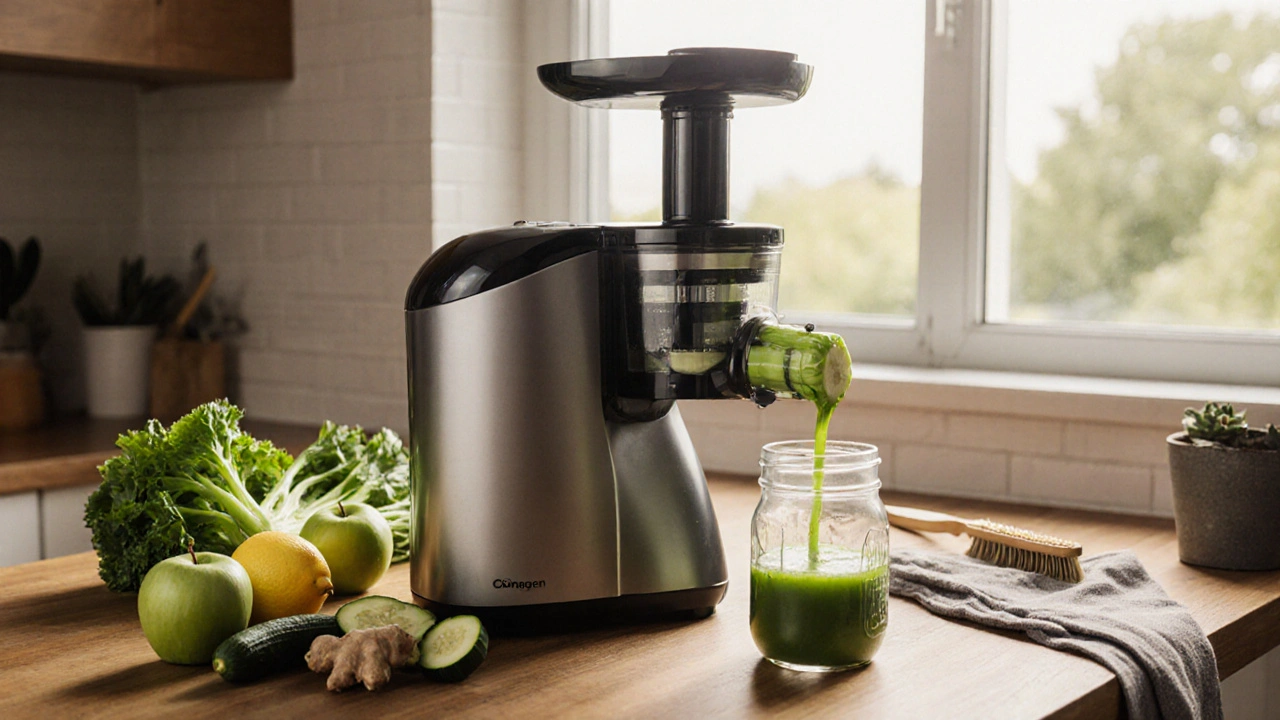
Juicing for Health: The Ultimate Beginner’s Guide
Learn how to start juicing for health with simple recipes, what equipment you really need, and how to avoid common mistakes. Get real results without the hype.
Read More