
That familiar throbbing starts behind your eyes. The room gets too bright. Even the hum of the refrigerator feels like a drill. You reach for the cabinet, but maybe you’re already at your limit for painkillers this month. Or maybe you just want to try something different before the next wave hits.
You are not alone. Millions of people deal with migraines, and many are turning to aromatherapy is a complementary therapy using plant extracts called essential oils to improve physical and mental well-being. While it won't replace emergency care for severe cases, specific scents have shown real promise in reducing the intensity and frequency of these debilitating headaches.
Why Scents Can Stop Pain
It sounds simple, almost too good to be true: sniffing a flower helps stop a brain storm. But there is biology backing this up. When you inhale an essential oil, the scent molecules travel through your nasal passages and stimulate the olfactory bulb. This part of your brain has direct connections to the limbic system, which controls emotions, stress responses, and memory.
Migraines are often triggered or worsened by stress, anxiety, and muscle tension. By calming the limbic system, aromatherapy can lower cortisol levels (the stress hormone) and relax tight muscles in the neck and shoulders. Additionally, some essential oils contain compounds that have anti-inflammatory properties. For example, menthol in peppermint oil acts as a mild analgesic, blocking pain signals from reaching the brain.
Think of it this way: if your migraine is a fire, painkillers might pour water on the flames, while aromatherapy helps remove the oxygen feeding them. It addresses the environment around the pain, not just the pain itself.
The Top Essential Oils for Migraine Relief
Not all essential oils are created equal when it comes to headaches. Some might even make things worse. Based on clinical studies and anecdotal evidence from thousands of users, three oils stand out as the most effective for managing migraines.
| Essential Oil | Primary Benefit | Best Application Method | Key Compound |
|---|---|---|---|
| Lavender is an essential oil derived from Lavandula angustifolia flowers, known for its calming and sedative effects. | Reduces anxiety and promotes relaxation | Inhalation via diffuser or tissue | Linalool |
| Peppermint is an essential oil extracted from Mentha piperita leaves, recognized for its cooling and analgesic properties. | Relieves tension and blocks pain signals | Topical application to temples/forehead | Menthol |
| Chamomile is an essential oil from Matricaria chamomilla flowers, valued for its anti-inflammatory and soothing qualities. | Calms inflammation and soothes nerves | Inhalation or diluted topical use | Bisabolol |
Lavender: The Calming Anchor
Lavender is the gold standard for stress-related migraines. A study published in the journal *Headache* found that inhaling pure lavender oil significantly reduced migraine severity compared to a placebo. The key compound here is linalool, which interacts with neurotransmitters to produce a sedative effect. If your migraines start with feelings of overwhelm or anxiety, lavender is your first line of defense.
Peppermint: The Cooling Blocker
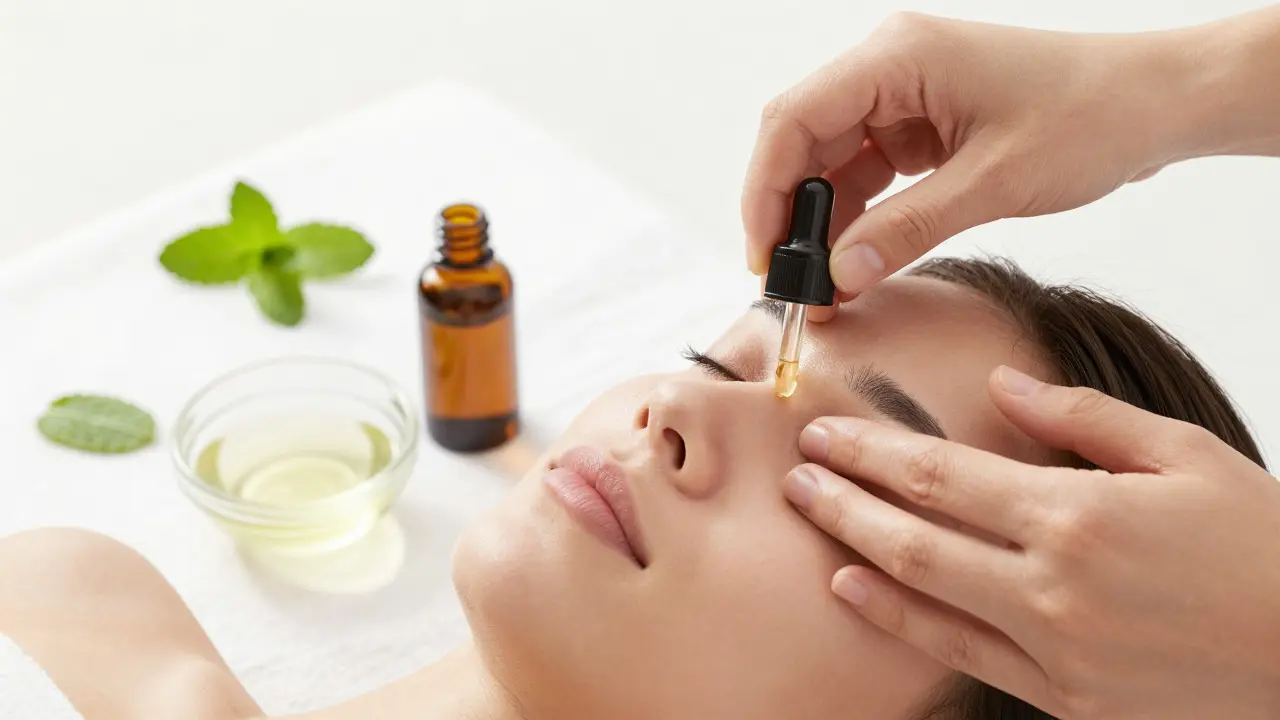
If your migraine feels like a tight band around your head, peppermint is likely your best friend. The menthol in peppermint oil creates a cooling sensation that distracts nerve endings from sending pain signals. In a randomized controlled trial, participants who applied peppermint oil to their foreheads reported less pain and fewer side effects than those who took aspirin. Just remember: never apply undiluted peppermint oil directly to sensitive skin without testing first.
Chamomile: The Gentle Soother
Roman chamomile is excellent for inflammatory migraines. It contains bisabolol, which reduces swelling and irritation. Chamomile is particularly useful if your migraine is accompanied by nausea or general body aches. Its sweet, apple-like scent is also less overpowering than peppermint, making it easier to tolerate when you are sensitive to strong smells.
How to Use Essential Oils Safely and Effectively
Using essential oils correctly is crucial. Using too much, applying them wrong, or choosing low-quality oils can lead to irritation or ineffective results. Here is how to maximize benefits while minimizing risks.
Method 1: Inhalation
This is the safest and fastest method. During a migraine attack, your sense of smell might be heightened (osmophobia), so subtlety is key.
- The Tissue Trick: Put one drop of lavender or chamomile on a cotton ball or tissue. Hold it near your nose and take slow, deep breaths. Do not force it; let the scent drift toward you.
- The Diffuser: Add 3-5 drops of oil to a cool-mist humidifier or ultrasonic diffuser. Run it in a dark, quiet room for 15-20 minutes. Avoid heated diffusers, as high heat can destroy the therapeutic compounds in the oil.
Method 2: Topical Application
Applying oils to the skin allows for longer-lasting absorption. However, essential oils are highly concentrated and can burn bare skin.
- Dilution is Mandatory: Always mix essential oils with a carrier oil like jojoba, fractionated coconut, or almond oil. A safe ratio is 1-2 drops of essential oil per teaspoon of carrier oil.
- Target Areas: Gently massage the mixture onto your temples, the back of your neck, or the soles of your feet. Avoid the eye area completely.
- Patch Test: Before trying a new oil, apply a tiny amount to your inner wrist and wait 24 hours to check for allergic reactions.
Pitfalls to Avoid
Even natural remedies have downsides. Here are common mistakes people make when using aromatherapy for migraines:
- Ignoring Quality: Many "essential oils" sold in stores are actually synthetic fragrances. Look for bottles that say "100% pure essential oil" and list the botanical name (e.g., *Lavandula angustifolia*). Dark glass bottles protect the oil from light degradation.
- Overusing Strong Scents: If you have osmophobia (sensitivity to smells), even pleasant scents can trigger a headache. Start with very small amounts and dilute heavily.
- Mixing Too Many Oils: Stick to one or two oils at a time. Complex blends can be overwhelming for a sensitized nervous system.
- Skipping Medical Advice: Aromatherapy is complementary, not curative. If you experience sudden changes in migraine patterns, vision loss, or slurred speech, seek immediate medical attention.
Creating a Migraine Prevention Routine
Aromatherapy works best when used proactively, not just reactively. Building a routine can help reduce the overall frequency of attacks.
Morning Grounding: Start your day with a few drops of lemon or bergamot in a diffuser. These citrus oils are uplifting and can help regulate mood, preventing stress buildup throughout the day.
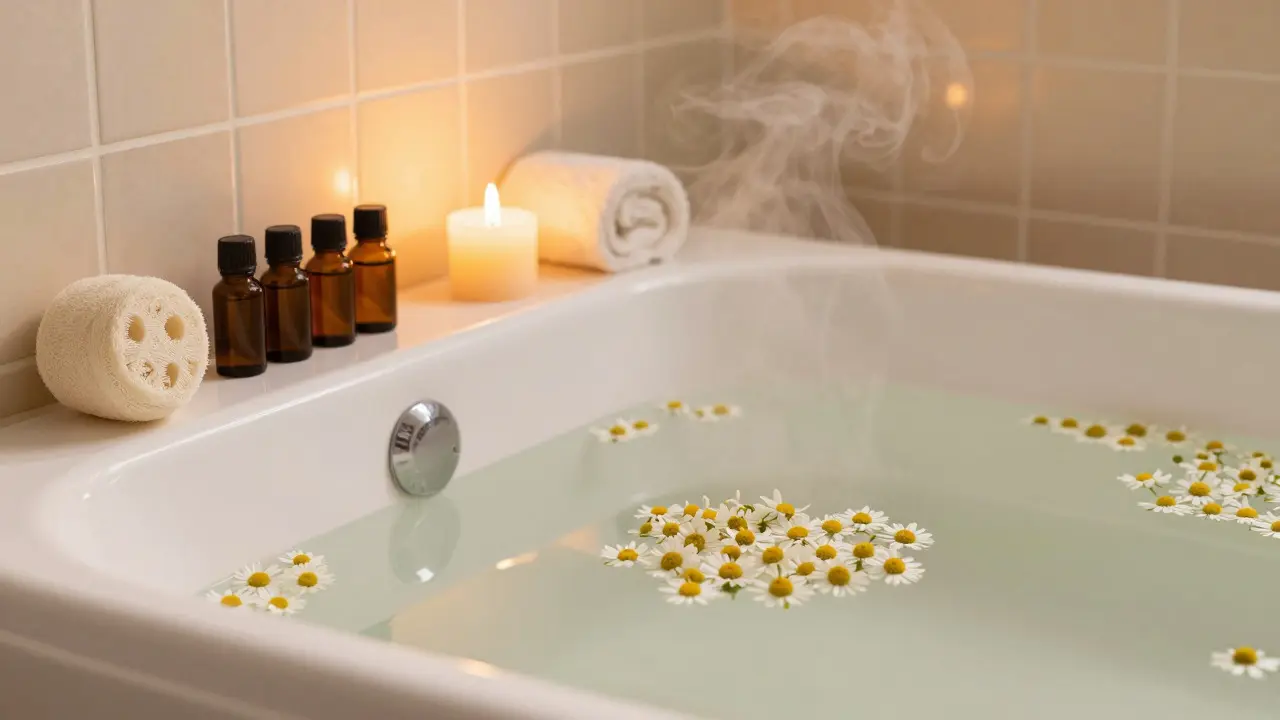
Evening Wind-Down: Create a ritual 30 minutes before bed. Mix lavender and chamomile in a warm bath or use them in a pillow spray. Consistent sleep hygiene is one of the most powerful migraine preventatives available.
Workplace Rescue Kit: Keep a small rollerball bottle filled with diluted peppermint and lavender in your bag. At the first sign of tension-tight shoulders, jaw clenching-apply it immediately. Catching the prodrome phase (the warning signs before full pain) is critical.
When to See a Doctor
While aromatherapy is gentle, it is not a substitute for professional medical care. Consult a healthcare provider if:
- Your migraines occur more than four times a month.
- Over-the-counter medications and natural remedies no longer provide relief.
- You experience new neurological symptoms like numbness, confusion, or fever alongside the headache.
- You are pregnant, breastfeeding, or taking medications that might interact with essential oils (like blood thinners).
Integrating aromatherapy into your migraine management plan requires patience and experimentation. What works for one person might irritate another. Keep a journal noting which oils, methods, and timings helped you most. Over time, you will build a personalized toolkit that empowers you to manage your health with greater confidence and comfort.
Which essential oil is best for immediate migraine relief?
Peppermint oil is often cited as the most effective for immediate relief due to its menthol content, which acts as a topical analgesic. Apply a diluted mixture to your temples and forehead to block pain signals. Lavender is a close second, particularly if stress is a primary trigger.
Can aromatherapy cure migraines permanently?
No, aromatherapy does not cure migraines. It is a complementary therapy that helps manage symptoms, reduce frequency, and alleviate severity. It works by addressing triggers like stress and muscle tension rather than eliminating the underlying neurological condition.
Is it safe to put essential oils directly on my skin?
Generally, no. Pure essential oils are highly concentrated and can cause chemical burns or allergic reactions. Always dilute them with a carrier oil like jojoba or coconut oil before topical application. A standard safe dilution rate is 1-2% for adults.
What should I do if smells trigger my migraine?
If you have osmophobia (sensitivity to smells), avoid inhalation methods during an active attack. Instead, try topical application on the soles of your feet, where the scent is minimal but absorption still occurs. Alternatively, wait until the acute phase passes before using aromatherapy for prevention.
Are there any essential oils to avoid with migraines?
Avoid oils with strong, pungent, or spicy scents like eucalyptus, camphor, or strong citrus varieties if they trigger sensitivity. Also, avoid ylang-ylang, which can sometimes cause headaches in sensitive individuals due to its intense sweetness.
How long does it take for aromatherapy to work for migraines?
For topical application of peppermint, relief can begin within 15-30 minutes. For inhalation methods like lavender, calming effects may be felt within 10-15 minutes. However, consistent daily use over weeks is needed to see a reduction in overall migraine frequency.
Can children use essential oils for headaches?
Use extreme caution. Children's skin is more absorbent and their systems are smaller. Only use child-safe oils like lavender and chamomile, heavily diluted (under 1%). Always consult a pediatrician before introducing essential oils to a child's routine.
Does the brand of essential oil matter?
Yes, significantly. Low-quality or synthetic oils lack the therapeutic compounds needed for pain relief and may contain additives that cause irritation. Look for brands that provide GC/MS (Gas Chromatography/Mass Spectrometry) test results to verify purity and composition.