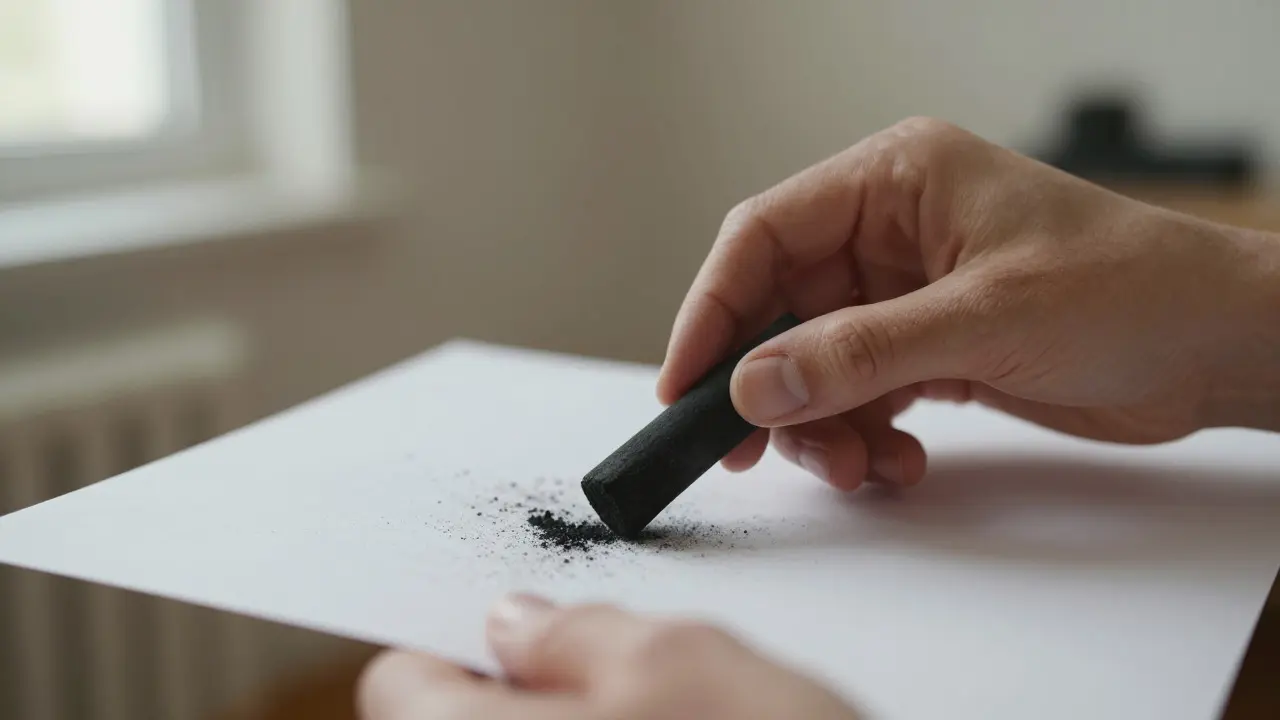
Imagine sitting in a quiet room, holding a charcoal stick. You aren't trying to paint a masterpiece. You aren't worrying about perspective or color theory. You are simply letting the black dust move across the paper, matching the chaotic rhythm of your thoughts. In that moment, you aren't just making art; you are processing pain. This is the core promise of Creative Arts Therapies, a group of clinical practices that use the creative process-visual art, music, dance, drama, and poetry-to improve physical, mental, and emotional well-being.
We often think of therapy as talking. We sit on a couch and dissect our past with a licensed professional. While talk therapy is powerful, it has limits. Words can fail us when trauma is too deep, emotions are too raw, or cognitive function is impaired by conditions like dementia or autism. That is where creativity steps in. It bypasses the logical brain and speaks directly to the limbic system, the part of our brain that handles emotion and memory.
Beyond Talk: The Science of Non-Verbal Healing
Why does creating something help us heal? The answer lies in neuroscience. When we experience trauma or severe stress, the verbal centers of our brain (like Broca’s area) can actually shut down. This is why survivors often say they "can't find the words." However, the sensory-motor cortex remains active. Engaging in tactile activities like molding clay, drumming, or moving your body activates these areas, helping to regulate the nervous system.
Art Therapy works by externalizing internal states. Instead of keeping anxiety trapped inside, you draw it. Once it is on paper, it becomes an object you can look at, discuss, and even change. This creates psychological distance, making overwhelming feelings manageable. Research published in the Journal of the American Art Therapy Association suggests that this externalization reduces cortisol levels and lowers heart rate, providing immediate physiological relief alongside emotional processing.
The Five Modalities of Creative Arts Therapy
When people hear "arts therapy," they usually picture painting. But the field is much broader. There are five primary modalities, each serving different therapeutic needs. Understanding these differences helps you choose the right approach for your specific situation.
| Modality | Primary Medium | Best For | Key Benefit |
|---|---|---|---|
| Visual Art Therapy | Paint, clay, collage, charcoal | Trauma, anxiety, self-discovery | Externalizing complex emotions |
| Music Therapy | Instruments, singing, listening | Pain management, mood regulation, dementia | Physiological synchronization and memory recall |
| Dance/Movement Therapy | Body movement, gesture | Somatic trauma, body image issues, depression | Reconnecting mind and body |
| Drama Therapy | Role-play, storytelling, masks | Social skills, PTSD, identity confusion | Safe experimentation with new behaviors |
| Poetry/Writing Therapy | Journals, poems, narratives | Grief, narrative reconstruction, reflection | Structuring chaotic thoughts into coherent stories |
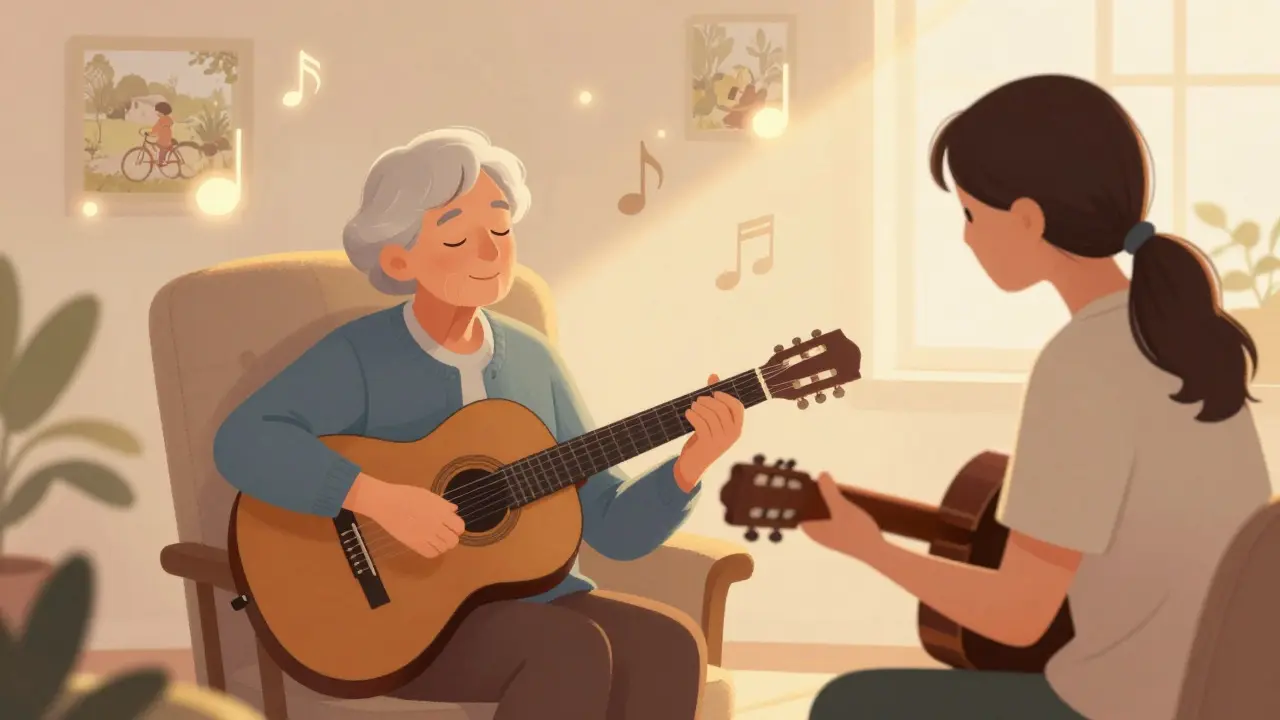
Music Therapy is particularly unique because it engages both hemispheres of the brain simultaneously. Rhythm affects the autonomic nervous system, slowing breathing and heart rate. Melody stimulates dopamine release. For patients with Alzheimer's disease, who may have lost the ability to speak, familiar songs from their youth can unlock memories and moments of clarity that no other intervention can achieve.
Dance/Movement Therapy operates on the premise that the body holds the truth of our experiences. Trauma isn't just a story; it's stored in muscle tension and posture. By consciously moving through restricted patterns, clients can release physical stagnation. A person carrying grief might feel heavy and slow; a therapist might guide them toward lighter, upward movements to symbolize hope and release.
Who Actually Benefits from Creative Arts Therapies?
You don't need to be "artistic" to benefit from these therapies. In fact, the lack of skill is often an advantage. Without the pressure to perform, you are free to explore. Here is who tends to see the most significant results:
- Trauma Survivors: For individuals with Post-Traumatic Stress Disorder (PTSD), traditional talk therapy can sometimes re-traumatize if the patient has to recount events verbally. Expressive Arts Therapy allows for symbolic representation. A veteran might build a model of a safe house rather than describing the battlefield, allowing them to process safety and threat without direct verbal exposure.
- Children and Adolescents: Kids often lack the vocabulary to describe complex feelings. Play and art are their natural languages. A child acting out aggression might channel that energy into pounding clay, which gives the therapist insight into the intensity and direction of their anger.
- Neurodivergent Individuals: People on the autism spectrum may struggle with social cues and verbal communication. Music and structured movement provide predictable, non-verbal ways to connect and regulate sensory input.
- Elderly Patients: Beyond dementia care, older adults often face isolation and loss of purpose. Group art projects foster community and provide a tangible sense of accomplishment.
The Role of the Therapist: It’s Not Just Art Class
A common misconception is that creative arts therapy is just a guided art class. The difference lies in the facilitator. A certified Registered Art Therapist (ATR) or Board-Certified Music Therapist (MT-BC) undergoes rigorous graduate-level training. They are trained in psychology, psychopathology, and developmental theory, not just aesthetics.
The therapist observes not just what you create, but how you create it. Do you hesitate before touching the materials? Do you erase aggressively? Do you isolate yourself in the corner? These behaviors are data points. The therapist uses these observations to ask open-ended questions that deepen the therapeutic process. They create a "holding environment"-a safe, non-judgmental space where vulnerability is protected.
Integrating Creativity into Daily Wellness
You don't need a formal session to harness the therapeutic value of creativity. Incorporating small doses of artistic expression into your daily routine can boost resilience and mindfulness. Try these evidence-based practices:
- Morning Pages: Write three pages of stream-of-consciousness text first thing in the morning. Don't edit, don't judge. This clears mental clutter and reduces anxiety.
- Guided Imagery: Close your eyes and visualize a safe place. Engage all senses. What do you smell? What is the temperature? This technique, often used in Clinical Hypnotherapy, lowers blood pressure and induces relaxation.
- Rhythmic Drumming: If you feel angry or frustrated, drum on a pillow or table. Match the beat to your heartbeat, then gradually slow it down. This physically regulates your arousal state.
- Nature Collage: Collect leaves, stones, or twigs during a walk. Arrange them on a table. This combines the benefits of nature exposure (forest bathing) with tactile creativity.

Overcoming Common Barriers
Despite the proven benefits, many people hesitate to try creative arts therapies. Let's address the two biggest roadblocks.
1. "I'm not creative." This is the most common fear. Remember, the goal is not product; it is process. Your therapist is not looking for a gallery-worthy piece. They are looking for your authentic expression. Smudges, messy lines, and broken clay are all valid data. Perfectionism is often a defense mechanism against vulnerability; letting go of control is part of the healing.
2. Accessibility and Cost. Therapy can be expensive, and insurance coverage varies widely. However, many community centers, hospitals, and non-profits offer sliding-scale fees or free groups. Look for organizations accredited by bodies like the American Art Therapy Association (AATA) or the American Music Therapy Association (AMTA). These directories help you find qualified professionals near you.
The Future of Expressive Care
We are seeing a shift in healthcare toward holistic models. Hospitals are increasingly integrating music therapists into oncology wards to manage pain and reduce the need for opioids. Schools are bringing back drama programs not just for enrichment, but for social-emotional learning. The stigma around "alternative" therapies is fading as the scientific evidence mounts.
Creativity is not a luxury; it is a biological imperative. Humans are wired to make meaning through symbols, rhythms, and stories. When life becomes too painful to bear, creativity offers a way to carry the weight. It doesn't erase the pain, but it changes your relationship to it. It turns suffering into something you can hold, shape, and eventually, transform.
Do I need to be talented at art to benefit from art therapy?
No. Art therapy focuses on the process of creation, not the aesthetic quality of the final product. The goal is self-expression and emotional processing, not technical skill. In fact, beginners often find it easier to let go of perfectionism and engage authentically.
Is creative arts therapy covered by insurance?
Coverage varies by provider and plan. Many major insurers now cover services provided by board-certified therapists (such as MT-BCs or ATR-BCs) if diagnosed with a mental health condition. Always check with your insurer and ask the therapist for their CPT codes before starting treatment.
How long does a typical creative arts therapy session last?
Individual sessions typically last 45 to 50 minutes, similar to traditional talk therapy. Group sessions may run longer, often 60 to 90 minutes, to allow time for sharing and discussion among participants.
Can children benefit from these therapies?
Yes, children are ideal candidates. Since kids often lack the vocabulary to articulate complex emotions, play, art, and music provide natural outlets for expression. It is highly effective for managing anxiety, ADHD, and trauma in pediatric populations.
What is the difference between taking an art class and seeing an art therapist?
An art class focuses on teaching techniques and producing a finished artwork. An art therapist focuses on the client's emotional journey using art as a tool. The therapist is trained in psychology and uses the artwork to facilitate dialogue and healing, not to critique artistic merit.
Which type of creative therapy is best for trauma?
There is no single "best" type, as it depends on individual preference. However, somatic approaches like Dance/Movement Therapy and tactile methods like clay modeling in Art Therapy are often recommended for trauma because they help ground the client in the present moment and release physical tension stored in the body.