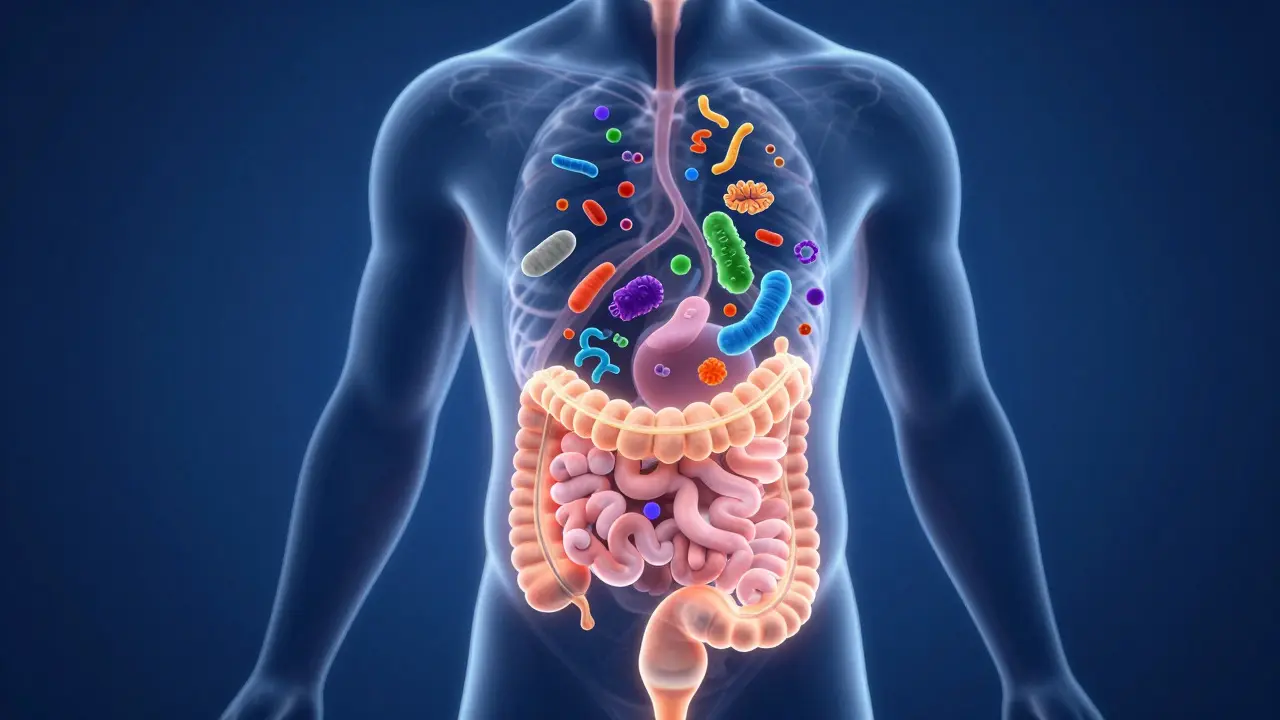
Ever wonder why that heavy meal left you feeling sluggish, bloated, or just plain off? It’s rarely about the food itself. More often, it’s about what happens *after* you swallow. Your gut is doing far more than just breaking down lunch; it’s running a complex biological show that affects your energy, mood, and immunity. If you’re struggling with poor digestion, the secret isn’t in a quick fix pill. It’s in understanding and nurturing your gut health, which is the balance of microorganisms, enzymes, and cellular structures in your digestive tract that determine how well you process nutrients and maintain overall wellness.
We tend to think of digestion as a simple mechanical process-food goes in, waste comes out. But inside your abdomen lies the microbiome, a vast ecosystem of trillions of bacteria, viruses, and fungi that live in symbiosis with human cells. This internal universe weighs about two pounds and contains more genes than your own DNA. When this system is balanced, you feel light, energized, and clear-headed. When it’s thrown off-a state known as dysbiosis-you might experience brain fog, skin issues, or chronic fatigue long before you notice any stomach pain.
The Microbiome: Your Second Brain
Your gut communicates directly with your brain via the vagus nerve, creating what scientists call the gut-brain axis, a bidirectional communication network linking the enteric nervous system of the gut with the central nervous system of the brain. This connection explains why stress can cause diarrhea or why anxiety can trigger nausea. It also means that improving your digestion can actually improve your mental clarity.
The key players here are specific bacterial strains. For instance, Lactobacillus and Bifidobacterium are beneficial bacteria that produce short-chain fatty acids like butyrate, which nourish colon cells and reduce inflammation. These microbes don’t just sit there; they actively synthesize vitamins like B12 and K2, regulate blood sugar, and even influence serotonin production. Since 90% of your body’s serotonin is made in the gut, your mood is literally tied to your microbial balance.
Fueling the Good Guys: Prebiotics vs. Probiotics
If you want better digestion, you need to feed the right bacteria. This is where most people get confused between prebiotics and probiotics. Think of it like gardening. Probiotics are live beneficial bacteria found in fermented foods or supplements that introduce new strains to your gut ecosystem. They are the seeds. Prebiotics are non-digestible fibers that serve as food for existing beneficial bacteria, encouraging them to multiply and thrive. They are the fertilizer.
You can’t have a thriving garden without both. Many people take expensive probiotic supplements but ignore their fiber intake, meaning those new bacteria starve and die off quickly. To build a resilient gut, focus on whole-food sources first:
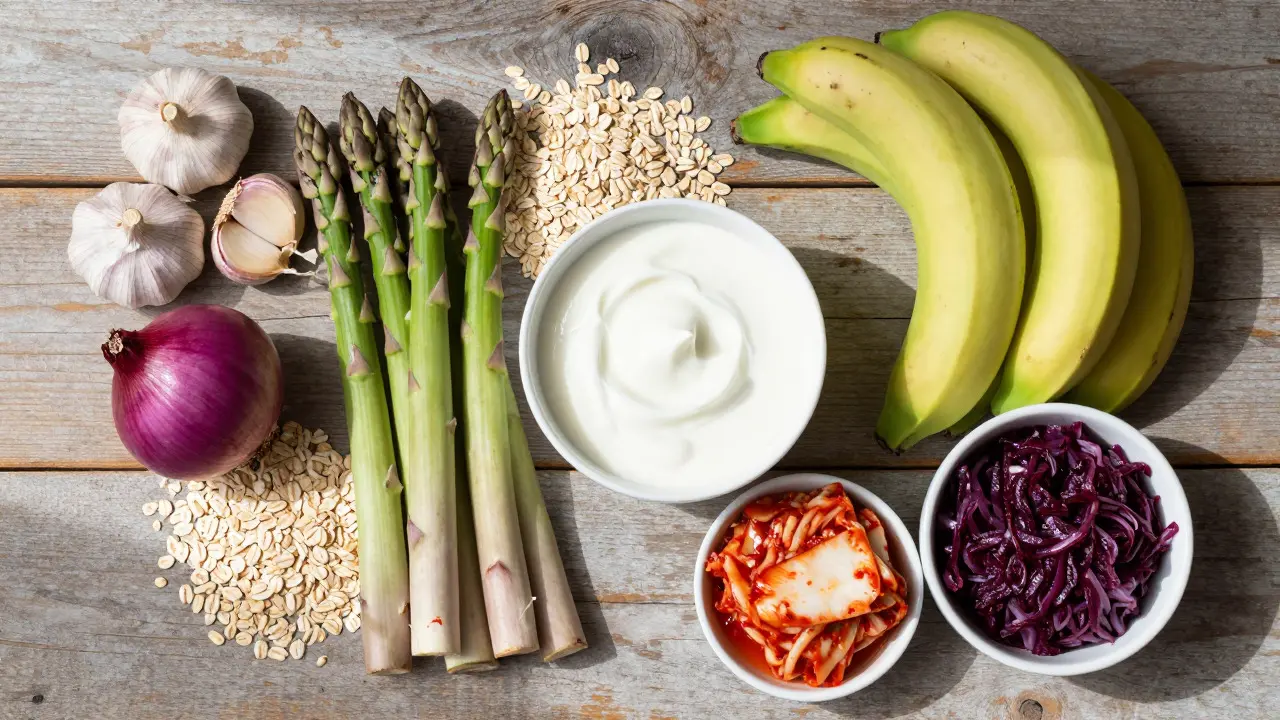
- Probiotic Foods: Unsweetened yogurt, kefir, kimchi, sauerkraut, miso, and kombucha. Look for labels that say “live and active cultures.”
- Prebiotic Foods: Garlic, onions, leeks, asparagus, bananas (especially slightly green ones), oats, and flaxseeds.
Aim for variety. Different bacteria eat different fibers. Eating a rainbow of plants ensures you’re feeding a diverse range of microbes, which is the hallmark of a healthy gut.
The Silent Killers of Digestive Health
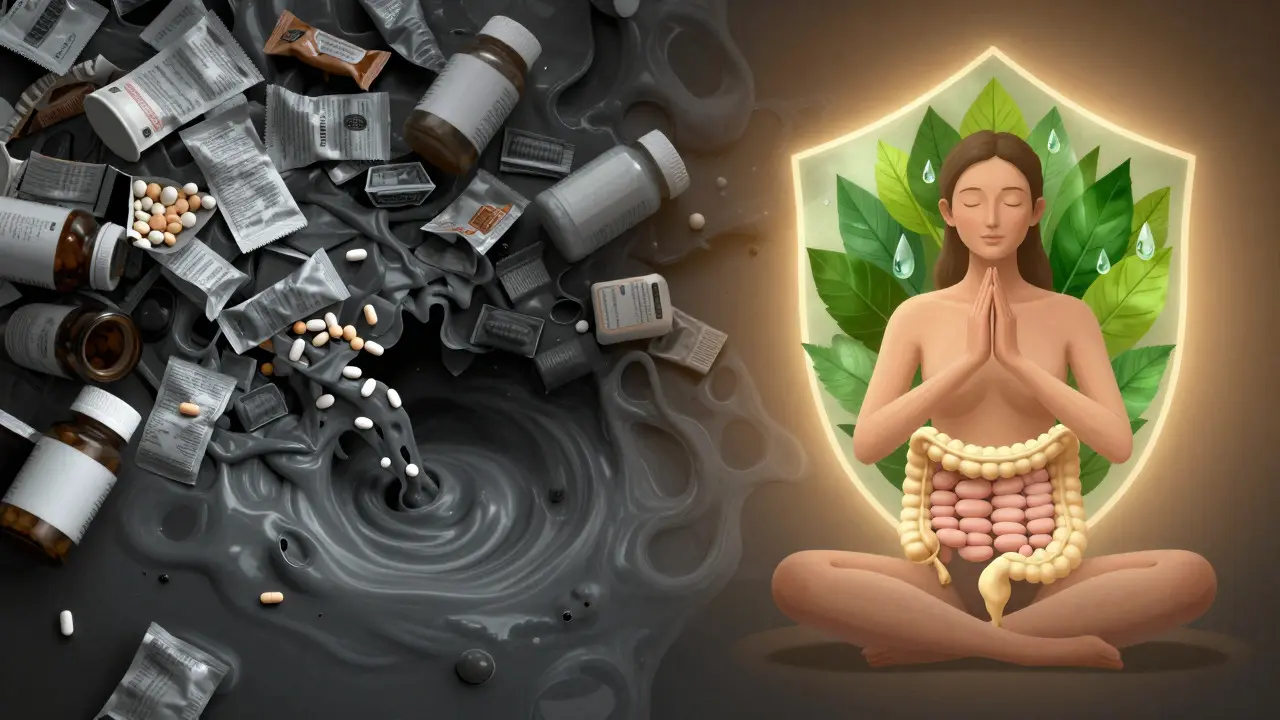
It’s not just about what you add; it’s about what you remove. Several modern habits silently destroy gut diversity. The biggest offender is ultra-processed food. These foods are stripped of fiber and loaded with emulsifiers and artificial sweeteners that can erode the mucus layer protecting your gut lining.
Another major culprit is unnecessary antibiotic use. While antibiotics save lives by killing harmful bacteria, they also wipe out the good guys indiscriminately. A single course can reduce microbial diversity for months or even years. If you must take antibiotics, discuss post-treatment probiotic strategies with your doctor.
Chronic stress is equally damaging. When you’re stressed, your body shifts into “fight or flight” mode, diverting blood flow away from digestion. This slows gastric emptying and reduces enzyme production, leading to bloating and indigestion. Over time, high cortisol levels can increase intestinal permeability, often called “leaky gut,” allowing toxins to enter the bloodstream and triggering systemic inflammation.
Signs Your Gut Needs Attention
Your body sends signals when things aren’t right. Don’t ignore these red flags:
- Persistent Bloating: Feeling tight or swollen after meals, especially if it lasts hours.
- Irregular Bowel Movements: Chronic constipation or frequent diarrhea indicates an imbalance in transit time and water absorption.
- Food Intolerances: Developing sudden sensitivities to foods you used to tolerate suggests compromised digestion or an overactive immune response in the gut.
- Skin Issues: Acne, eczema, or rosacea can be external manifestations of internal gut inflammation.
- Fatigue: Poor nutrient absorption means your cells aren’t getting the fuel they need, leaving you drained.
If you experience these symptoms regularly, it’s time to audit your diet and lifestyle. Start a food diary to identify triggers. Note how you feel two hours after eating. You might discover patterns you never noticed before.
Actionable Steps for Better Digestion
Improving gut health doesn’t require a complete life overhaul overnight. Small, consistent changes yield the best results. Here is a practical roadmap:
- Chew Thoroughly: Digestion begins in the mouth. Saliva contains enzymes that start breaking down starches. Rushing meals forces your stomach to work harder, leading to gas and discomfort. Aim for 20-30 chews per bite.
- Increase Fiber Gradually: Jumping from 10g to 30g of fiber daily will cause massive bloating. Increase your intake by 5g every few days to allow your microbiome to adapt.
- Stay Hydrated: Fiber needs water to move through the intestines. Without adequate hydration, fiber causes constipation. Drink at least 2-3 liters of water daily.
- Manage Stress: Incorporate deep breathing, walking, or meditation into your day. Even five minutes of mindful breathing before meals can shift your body into “rest and digest” mode.
- Sleep Well: Your gut repairs itself during sleep. Poor sleep disrupts circadian rhythms, affecting gut motility and microbial composition.
When to Seek Professional Help
While dietary tweaks help many, some conditions require medical intervention. If you experience unexplained weight loss, blood in stool, severe abdominal pain, or persistent vomiting, see a gastroenterologist immediately. Conditions like Irritable Bowel Syndrome (IBS), Inflammatory Bowel Disease (IBD), or Celiac Disease need specific diagnostic tests and treatment plans.
A functional medicine practitioner or registered dietitian can also provide personalized guidance, especially if you suspect food sensitivities. They may recommend elimination diets or stool testing to map your unique microbial profile.
How long does it take to improve gut health?
Most people notice improvements in digestion within 2 to 4 weeks of making consistent dietary changes. However, fully restoring microbial diversity can take several months, especially if you’ve recently taken antibiotics or had a prolonged period of poor diet. Consistency is key; sporadic efforts won’t yield lasting results.
Are probiotic supplements necessary?
For most healthy individuals, getting probiotics from whole foods like yogurt and kimchi is sufficient and more sustainable. Supplements can be helpful if you’ve recently taken antibiotics, have a diagnosed condition like IBS, or struggle to consume fermented foods. Look for products with multiple strains and at least 10 billion CFUs (colony-forming units).
What is the best breakfast for gut health?
A gut-friendly breakfast combines prebiotic fiber and protein. Try oatmeal topped with chia seeds, flaxseeds, and berries, or a smoothie with spinach, banana, Greek yogurt, and a scoop of protein powder. Avoid sugary cereals and pastries, which spike blood sugar and feed harmful bacteria.
Does coffee hurt gut health?
Coffee has mixed effects. It stimulates gut motility, which can help with constipation, but it can also irritate the stomach lining and increase acid reflux in sensitive individuals. If you tolerate it well, moderate consumption (1-2 cups) is generally fine. Adding milk or plant-based alternatives can buffer acidity.
Can gut health affect weight loss?
Yes. Certain gut bacteria are more efficient at extracting calories from food, while others promote satiety hormones. A diverse microbiome helps regulate metabolism and reduce inflammation linked to obesity. Improving gut health through fiber and fermented foods can support natural weight management efforts.