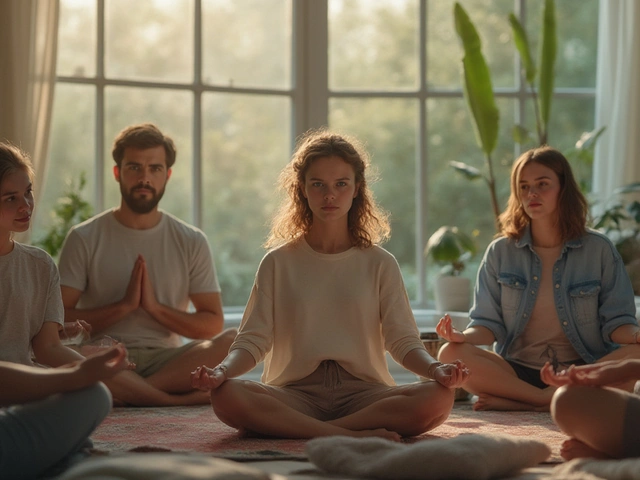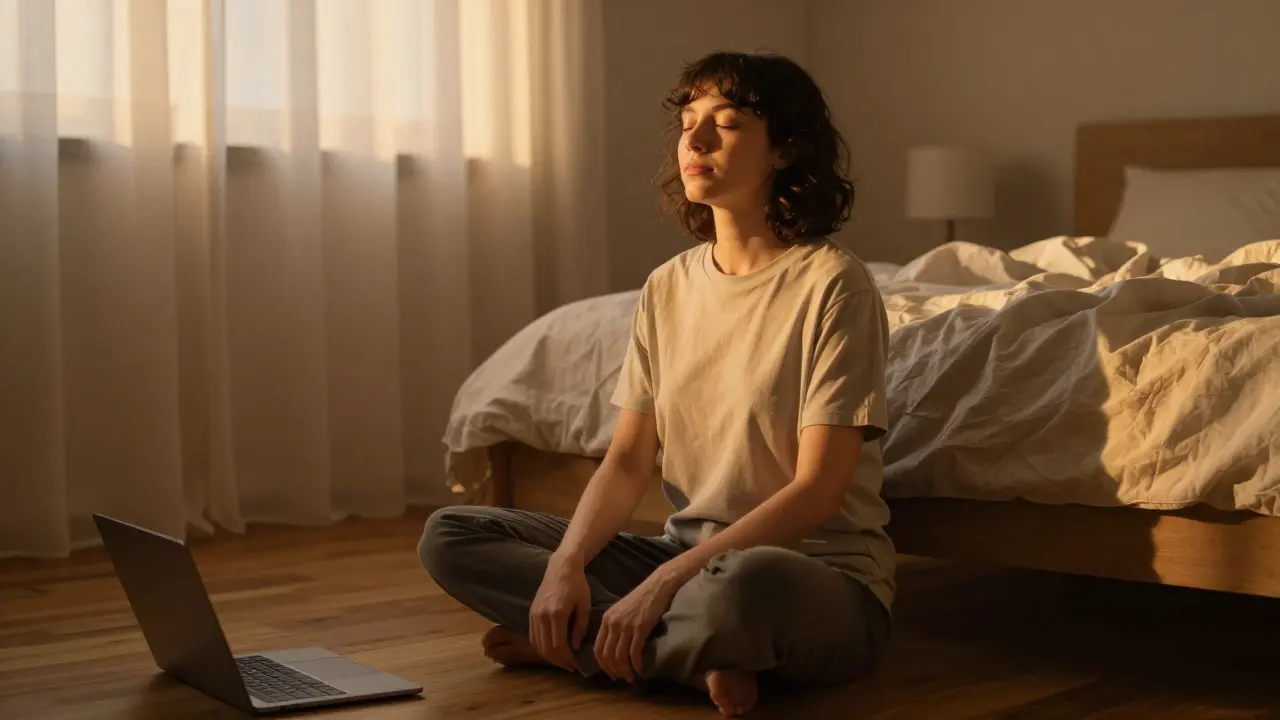
Stress isn’t just a feeling-it’s a physical reaction that can wear you down over time. Your heart races, your shoulders tighten, your sleep gets broken, and before you know it, you’re running on empty. The good news? Stress reduction isn’t about finding some perfect, quiet life. It’s about learning how to reset your nervous system when things get loud. And the secrets aren’t hidden in expensive apps or retreats. They’re in simple, daily habits backed by science and lived experience.
What Happens in Your Body When You’re Stressed
When you feel overwhelmed, your brain triggers the fight-or-flight response. Adrenaline surges, cortisol rises, and your body prepares to run or fight. That’s useful if you’re dodging a car. Not so useful when you’re stuck in traffic, dealing with a demanding email, or worrying about bills. The problem isn’t the stress itself-it’s that modern life rarely lets your body switch back to rest mode. Over weeks or months, this constant state of alertness leads to headaches, digestive issues, poor sleep, and even weakened immunity.
Studies from the American Psychological Association show that chronic stress is linked to a 50% higher risk of developing high blood pressure and a 40% increase in anxiety disorders. But here’s the flip side: when you actively reduce stress, your body starts repairing itself. Heart rate variability improves. Cortisol levels drop. Sleep deepens. You start feeling like yourself again.
The Three Most Effective Stress Reduction Techniques
Not all relaxation methods work the same for everyone. But three approaches have consistent, measurable results across thousands of people:
- Breathwork-4-7-8 breathing: Inhale for 4 seconds, hold for 7, exhale slowly for 8. Do this three times. It triggers the vagus nerve, which tells your body to calm down. Try it before bed, after a tough meeting, or when you feel panic rising. No app needed. Just your lungs.
- Progressive muscle relaxation: Starting at your toes, tense each muscle group for 5 seconds, then release. Move upward: feet, calves, thighs, abdomen, shoulders, face. This isn’t just about relaxing muscles-it’s about teaching your brain to recognize tension before it becomes pain. People who do this daily report 30% fewer headaches within two weeks.
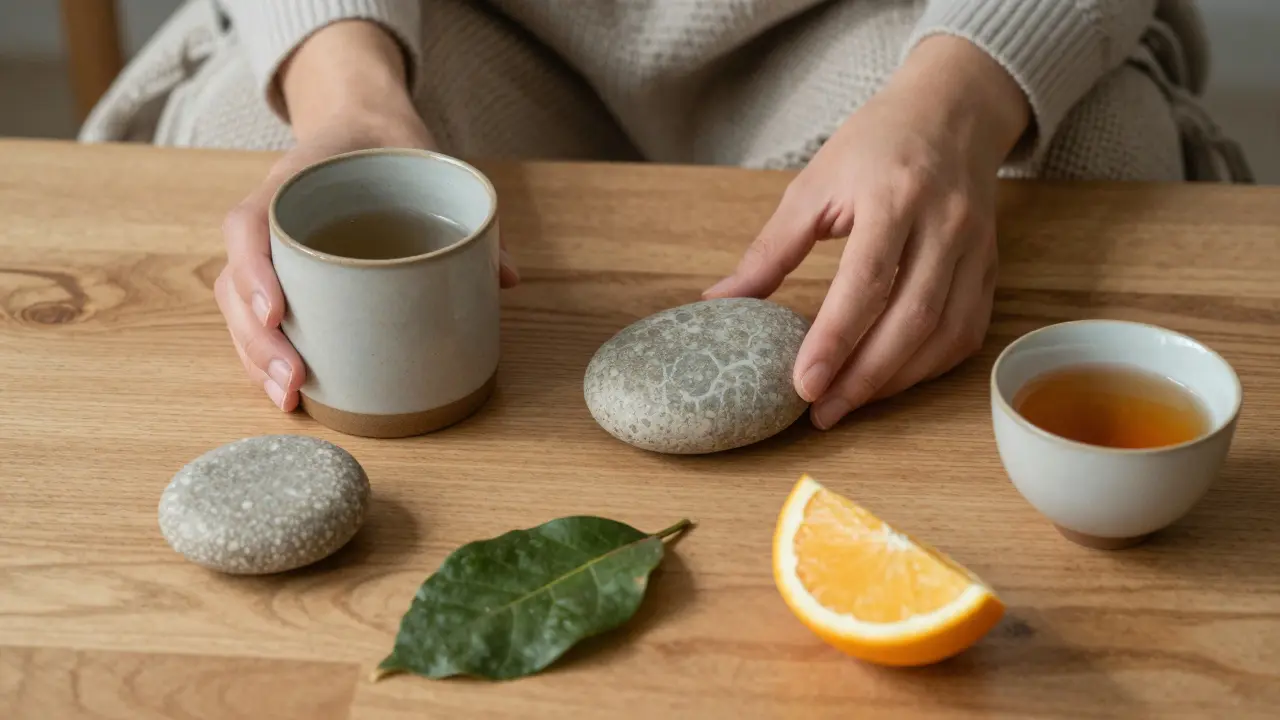
- Grounding with the five senses: When your mind is racing, stop and name: 5 things you can see, 4 you can touch, 3 you can hear, 2 you can smell, 1 you can taste. This isn’t a meditation trick-it’s neuroscience. It redirects your brain from worry mode to present-moment awareness. I’ve used this in grocery stores, on buses, even in doctor’s waiting rooms.
Why Movement Is Non-Negotiable
You don’t need to run a marathon or lift heavy weights to reduce stress. But you do need to move. Walking for 20 minutes a day lowers cortisol as effectively as a 30-minute yoga class. Why? Because movement signals safety to your nervous system. Your body doesn’t care if you’re walking to the mailbox or pacing your living room. It just needs rhythm, repetition, and space.
A 2024 study from the University of East Anglia tracked over 1,200 adults and found that those who walked at least 150 minutes per week reported 37% less daily stress than those who didn’t. Even better? Walking outside, especially near trees or water, boosts the effect. Sunlight helps regulate melatonin and serotonin. The sound of birds or wind in leaves lowers brain activity in the amygdala-the fear center.
If you’re short on time, try a 5-minute stretch routine. Roll your shoulders, reach for the ceiling, twist gently side to side. These aren’t just stretches-they’re tiny resets for your nervous system.

What You’re Probably Doing Wrong
Most people think stress reduction means adding more to their to-do list: “I’ll meditate for 10 minutes,” “I’ll journal before bed,” “I’ll do yoga on Sundays.” But adding more tasks often creates more pressure.
The real trick is removing the mental clutter that keeps you stuck. That means:
- Turning off notifications after 7 p.m.-not just your phone, but email and work apps too.
- Letting go of the idea that you need to be productive every waking hour. Rest isn’t wasted time-it’s maintenance.
- Stopping the habit of replaying conversations in your head. If you’ve said what you needed to say, let it go. Your brain doesn’t need to rehearse the past.
One woman I know, a teacher in Norwich, stopped checking her work email after 6 p.m. She started leaving her phone in another room at night. Within three weeks, she stopped waking up at 3 a.m. with her heart pounding. She didn’t change her job. She just changed her boundaries.
The Role of Sleep in Stress Recovery
You can do all the breathing and walking in the world, but if you’re not sleeping well, your body never gets the chance to reset. Sleep is when your brain clears out stress chemicals. Without it, even small stressors feel overwhelming.
Most adults need 7-8 hours. But quality matters more than quantity. To improve sleep:
- Keep your bedroom cool-around 18°C (65°F) is ideal for deep sleep.
- Avoid screens for at least 60 minutes before bed. Blue light blocks melatonin production.
- Read a physical book or listen to a calm podcast (no drama, no news).
- If you wake up and can’t fall back asleep, get up. Sit quietly in a dim room for 10 minutes, then return to bed. Forcing sleep creates more anxiety.
A 2025 sleep study from the University of Cambridge found that people who followed these steps saw a 45% drop in morning stress levels within four weeks. No pills. No expensive gadgets. Just better habits.
Small Changes That Add Up
Stress reduction isn’t a one-time fix. It’s a daily practice of small choices:
- Drink a glass of water first thing in the morning-dehydration increases cortisol.
- Take one deep breath before answering a phone call.
- Write down one thing you’re grateful for each night-no pressure to be poetic. Just one sentence.
- Say no to one thing this week that doesn’t serve you.
- Light a candle, play one song you love, or sit quietly for five minutes. No goal. Just presence.
These aren’t grand gestures. They’re quiet acts of self-care. But over time, they rewire your brain to respond differently to pressure.
When to Seek Help
Some stress is normal. But if you’re feeling numb, hopeless, or unable to get out of bed for days, that’s not just stress-it’s burnout or depression. Don’t wait until you’re broken to ask for help. Talking to a therapist isn’t a sign of weakness. It’s a step toward healing.
In the UK, the NHS offers free talking therapies through IAPT (Improving Access to Psychological Therapies). You don’t need a referral. Just visit their website or call your GP. You’re not alone, and you don’t have to suffer in silence.
How long does it take to see results from stress reduction techniques?
Most people notice small changes within 3-7 days-like sleeping better or feeling less tense in their shoulders. Deeper shifts, like lower overall anxiety or improved emotional resilience, usually show up after 3-4 weeks of consistent practice. The key isn’t perfection-it’s persistence.
Can stress reduction replace medication for anxiety?
For mild to moderate anxiety, techniques like breathwork, movement, and sleep hygiene can be as effective as medication-with no side effects. But for severe anxiety or clinical depression, medication may be necessary. The best approach often combines both: therapy and lifestyle changes to support medical treatment. Never stop prescribed medication without talking to your doctor.
Is meditation the only way to reduce stress?
No. Meditation is one tool, but it’s not for everyone. Some people find it frustrating or boring. That’s okay. Walking, stretching, journaling, listening to music, gardening, even washing dishes mindfully-all of these can activate the same calming response in your nervous system. Find what feels natural to you.
Does diet affect stress levels?
Yes. Sugar and caffeine spike cortisol and can make anxiety worse. Processed foods disrupt gut bacteria, which are linked to mood regulation. Eating regular meals with protein, healthy fats, and fiber helps stabilize blood sugar and keeps your nervous system steady. You don’t need a perfect diet-just fewer sugary snacks and more whole foods.
What if I don’t have time for stress reduction?
You don’t need hours. One deep breath before a meeting. A 5-minute walk around the block. Turning off your phone for 20 minutes after dinner. These tiny moments add up. Stress reduction isn’t about carving out more time-it’s about using the time you already have more wisely. Start with one 60-second reset each day. That’s enough to begin.
Next Steps: Start Today
Don’t wait for the perfect moment. Pick one technique from above-just one-and try it tomorrow. Maybe it’s the 4-7-8 breath before bed. Maybe it’s a 10-minute walk without headphones. Maybe it’s writing down one thing you’re grateful for. Do it for seven days. Then check in: How do you feel? Are you sleeping better? Are you less reactive? That’s your signal to keep going.
Stress reduction isn’t about escaping life. It’s about learning to live through it without breaking. And you’re already capable of it.