For decades, if you needed help with anxiety, depression, or trauma, the standard path was clear: sit on a couch and talk. Cognitive Behavioral Therapy (CBT) and traditional psychotherapy dominated the landscape. But by 2026, that model is shifting. More people are realizing that words often fail to capture the depth of human pain. This is where Creative Arts Therapies step in-not as a hobby, but as a rigorous, evidence-based clinical discipline.
You might think of painting or playing guitar as leisure activities. In a therapeutic context, they become powerful tools for bypassing the brain’s logical defenses. When language centers like Broca’s area shut down during severe stress or trauma, creative expression remains open. This article breaks down exactly how these therapies work, who they help, and why they are becoming a cornerstone of modern mental healthcare.
What Exactly Are Creative Arts Therapies?
Creative Arts Therapies is an umbrella term for several distinct modalities that use the creative process as a means of psychological healing. It is not just "art class" with a therapist watching. It involves structured interventions designed to improve emotional, cognitive, and social functioning.
The field primarily consists of four core disciplines:
- Art Therapy: Uses drawing, painting, and sculpting to externalize internal conflicts.
- Music Therapy: Utilizes rhythm, melody, and songwriting to regulate mood and memory.
- Dance/Movement Therapy: Connects physical movement to emotional states, helping release stored tension.
- Drama Therapy: Uses role-playing and storytelling to explore different perspectives and rehearse new behaviors.
In Australia and globally, these practitioners are required to hold master’s degrees and specific clinical credentials. They are trained in psychology, neuroscience, and artistic technique. The goal isn’t to produce a masterpiece; it’s to produce insight.
The Neuroscience Behind the Brushstroke
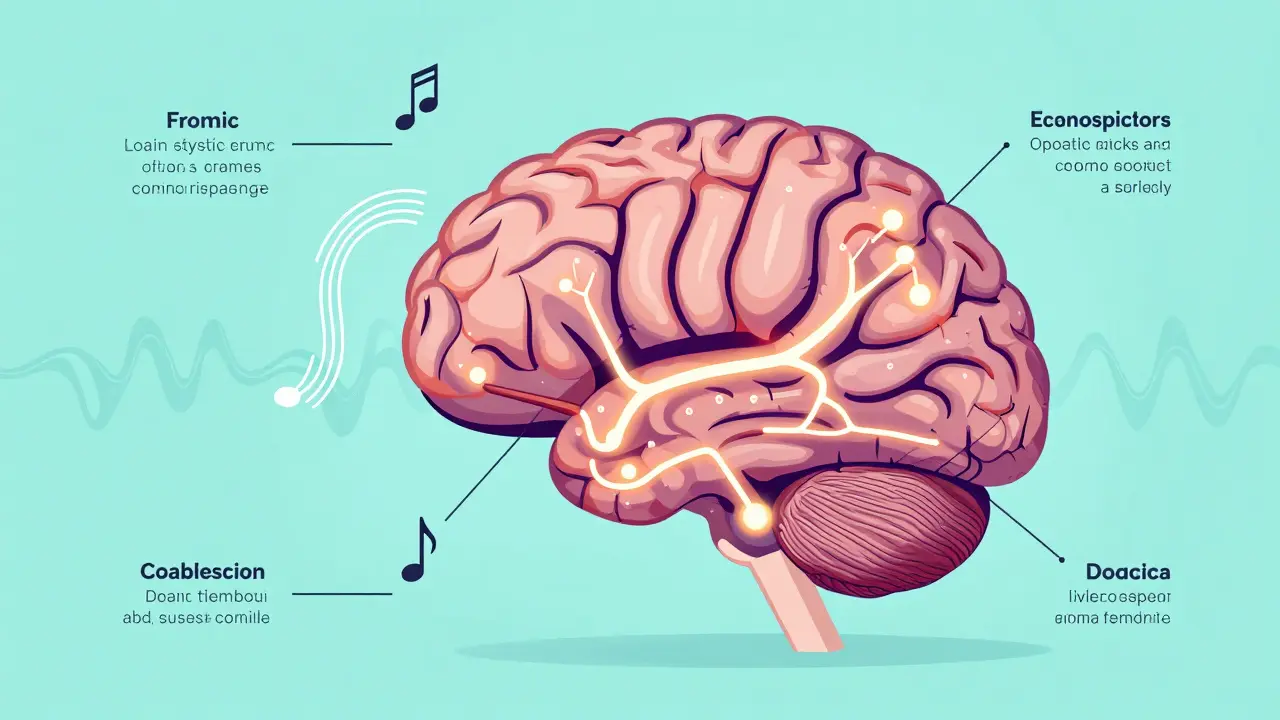
Why does creating something help heal the mind? The answer lies in neuroplasticity-the brain's ability to rewire itself. Traditional talk therapy engages the prefrontal cortex, the area responsible for logic and language. However, trauma and deep-seated emotions are often stored in the limbic system and the body’s somatic memory, areas that don't respond well to verbal processing alone.
When you engage in Art Therapy, for example, you activate multiple neural pathways simultaneously. You’re using motor skills, visual-spatial reasoning, and emotional regulation. Research from institutions like the National Association of Music Therapists shows that rhythmic auditory stimulation can lower cortisol levels (the stress hormone) more effectively than silence or generic relaxation techniques.
Furthermore, creative acts increase dopamine production. This provides a natural reward mechanism, making the therapeutic process feel less like a chore and more like a discovery. For someone with treatment-resistant depression, this small boost in neurotransmitter activity can be the difference between staying stuck and finding motivation.
Who Benefits Most From Expressive Arts?
Creative Arts Therapies are versatile, but they shine brightest in specific scenarios where traditional methods hit a wall.
| Condition / Population | Primary Modality | Key Benefit |
|---|---|---|
| Post-Traumatic Stress Disorder (PTSD) | Art & Drama Therapy | Bypasses verbal avoidance; allows safe re-enactment of trauma narratives. |
| Childhood Developmental Disorders | Play & Art Therapy | Children communicate through play before they master complex language. |
| Anxiety & Panic Disorders | Music Therapy | Rhythm regulation slows heart rate and grounds the nervous system. |
| Grief and Loss | All Modalities | Provides tangible objects (memorials, songs) to process intangible loss. |
| Aging & Dementia | Music & Dance Therapy | Stimulates long-term memory recall when short-term memory fails. |
Consider the case of veterans dealing with PTSD. Many struggle to articulate their experiences without becoming re-traumatized. Drama Therapy allows them to step into a character, creating a safe distance between themselves and the traumatic event. They can process the emotion without feeling directly attacked by their own memories.
The New Era: Integration and Technology
We are entering a new era of healing because creative arts therapies are no longer seen as "alternative." They are now integrated into mainstream psychiatric care. In 2025 and 2026, we’ve seen a surge in hospitals embedding art therapists in oncology wards and music therapists in intensive care units.
Technology is also reshaping the field. Virtual Reality (VR) combined with Dance/Movement Therapy allows patients with agoraphobia to practice exposure therapy in a controlled, immersive environment. Apps that guide users through biofeedback-assisted music creation are helping people manage acute panic attacks at home. However, the human element remains irreplaceable. The therapeutic alliance-the trust between client and practitioner-is what makes the intervention effective.
How to Find a Qualified Practitioner
If you’re considering this route, quality matters. Not everyone who teaches art can treat mental health conditions. Look for accredited credentials. In Australia, check for registration with organizations like the Australian Creativity Arts Therapy Association (ACATA). Internationally, look for board certification from bodies like the American Art Therapy Association (AATA) or the American Music Therapy Association (AMTA).
A qualified therapist will:
- Conduct a thorough initial assessment to determine which modality suits your needs.
- Create a safe, non-judgmental space where "good" or "bad" art doesn’t exist.
- Collaborate with other healthcare providers if you are receiving medication or psychiatric care.
It’s okay to ask questions. A good therapist will explain their approach and ensure you feel comfortable. If you feel pressured to perform or judged for your creative output, it’s time to find someone else.

Overcoming Common Misconceptions
One of the biggest barriers to entry is the belief that you must be "talented." This is false. In fact, being highly skilled at an art form can sometimes be a hindrance in therapy, as perfectionism may block emotional vulnerability. The goal is raw expression, not technical precision.
Another myth is that it’s only for children. While play and art therapy are staples in pediatric care, adults benefit immensely. Corporate wellness programs are increasingly hiring drama therapists to improve team communication and reduce burnout. Older adults use music therapy to combat isolation and cognitive decline.
Finally, some worry about the cost. While private sessions can be pricey, many public health systems and insurance providers now cover creative arts therapies for diagnosed mental health conditions. Always check your coverage before starting.
Getting Started: What to Expect
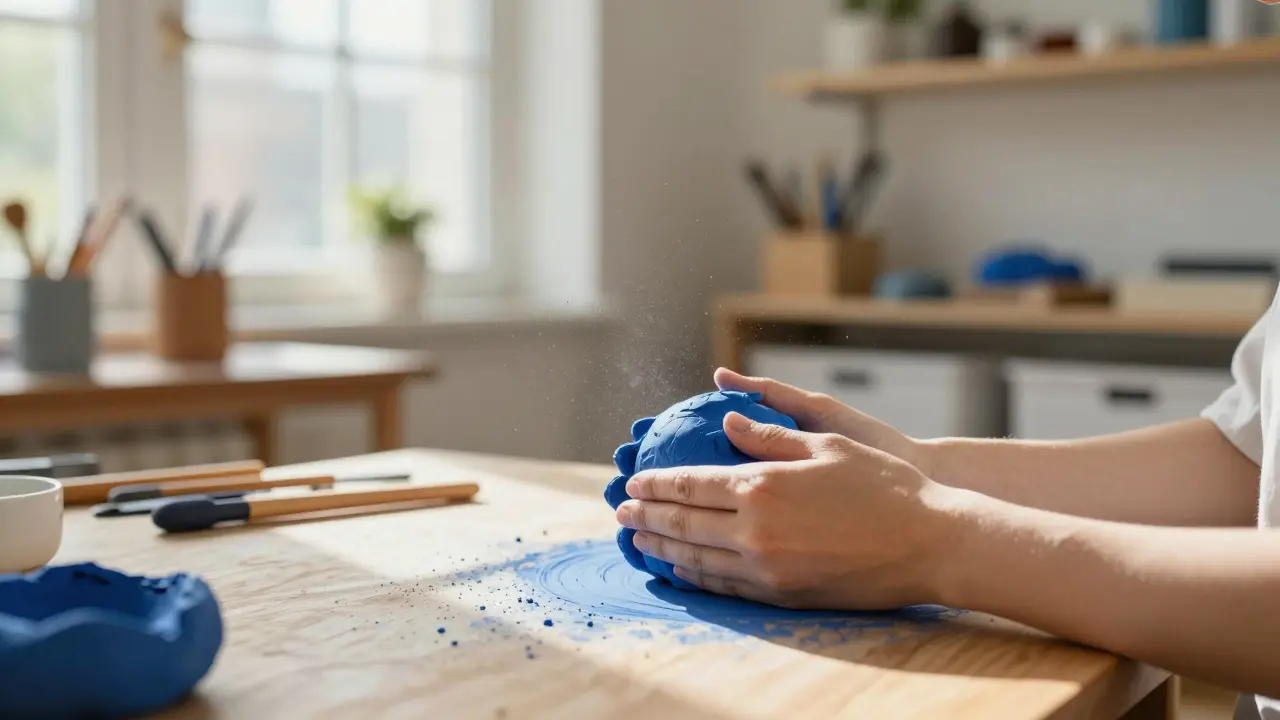
Your first session might feel awkward. You’ll likely meet in a room equipped with supplies-clay, paints, instruments, or masks. The therapist won’t force you to create immediately. They’ll start with conversation to build rapport.
Then, they might offer a prompt. For example, in art therapy, you might be asked to "draw your current mood." In music therapy, you might drum along to match your heartbeat. As you create, the therapist observes patterns, asks reflective questions, and helps you connect the creative act to your life challenges.
Afterward, you’ll discuss the piece. This is where the magic happens. You might realize that the chaotic scribbles you made represent your feeling of overwhelm at work. Or that the slow, heavy movements in dance therapy mirror your grief. These insights are yours to take forward.
Is creative arts therapy covered by insurance?
Coverage varies by provider and location. In many countries, including parts of Australia and the US, insurance plans now cover creative arts therapies if prescribed by a medical doctor for a diagnosed mental health condition. Always verify with your insurer beforehand.
Do I need to be good at art to benefit from art therapy?
No. Art therapy is not about aesthetic quality. It’s about expression. In fact, beginners often progress faster because they haven’t developed perfectionist habits that can block emotional honesty.
Can creative arts therapy replace medication?
It depends on the individual and the condition. For some, it reduces the need for medication over time. For others, it works best as a complementary treatment alongside pharmacotherapy. Never stop medication without consulting your psychiatrist.
How long does a typical course of therapy last?
Sessions usually last 45-60 minutes. Short-term focused therapy might last 8-12 weeks. Long-term trauma work can extend for months or years. Your therapist will help set goals and review progress regularly.
What is the difference between taking an art class and doing art therapy?
An art class focuses on skill acquisition and final product. Art therapy focuses on the process and emotional meaning behind the creation. A therapist is trained to handle psychological distress that may arise during the session.
The era of silent suffering is ending. By embracing the languages of color, sound, and movement, we are unlocking deeper paths to healing. Whether you’re dealing with acute trauma or chronic stress, creative arts therapies offer a way to speak when words run out.