Forget everything you’ve heard about detoxes, cleanses, or eating only kale for 30 days. A healthy diet isn’t about restriction-it’s about consistency, simplicity, and real food that actually works for your body. If you’ve tried every trendy diet and ended up back where you started, you’re not failing. The system is broken. The truth is, you don’t need to eat like a model or follow a guru on Instagram to feel better, have more energy, or sleep well. You just need to eat more of what your body was built to process-and less of what it wasn’t.
What a Healthy Diet Actually Looks Like
A healthy diet isn’t a list of forbidden foods. It’s a pattern. Think of it like brushing your teeth: you don’t do it perfectly every time, but you do it every day. The same goes for eating. The foundation is simple: mostly whole, minimally processed foods. That means vegetables, fruits, whole grains, legumes, nuts, seeds, lean proteins, and healthy fats. These aren’t fancy ingredients. They’re the stuff your grandparents ate before the food industry got involved.
Here’s what that looks like on a plate: half your plate filled with colorful vegetables and fruits. A quarter with whole grains like brown rice, oats, or quinoa. The last quarter with protein-beans, lentils, chicken, fish, tofu, or eggs. Add a thumb-sized portion of healthy fat: olive oil, avocado, or a handful of almonds. That’s it. No counting calories. No macro tracking. Just food that comes from the ground, the tree, or the animal-not a factory.
Studies from the Harvard T.H. Chan School of Public Health show that people who eat this way reduce their risk of heart disease by up to 25%, type 2 diabetes by 30%, and certain cancers by as much as 15%. These aren’t theoretical benefits. They’re real outcomes from real eating habits.
The Real Culprits Behind Unhealthy Eating
If you’re struggling to eat well, it’s not because you lack willpower. It’s because you’re surrounded by food designed to trick your brain. Ultra-processed foods-things like packaged snacks, sugary cereals, frozen meals, and soft drinks-make up nearly 60% of the average Australian’s daily calorie intake. These foods are engineered to be hyper-palatable: high in sugar, salt, and unhealthy fats, with additives that keep you coming back for more.
They don’t fill you up. They don’t nourish you. They just keep you hungry. And when you’re tired, stressed, or busy, they’re the easiest option. That’s not weakness. That’s biology. Your brain is wired to crave quick energy. The food industry knows this. They’ve spent billions perfecting it.
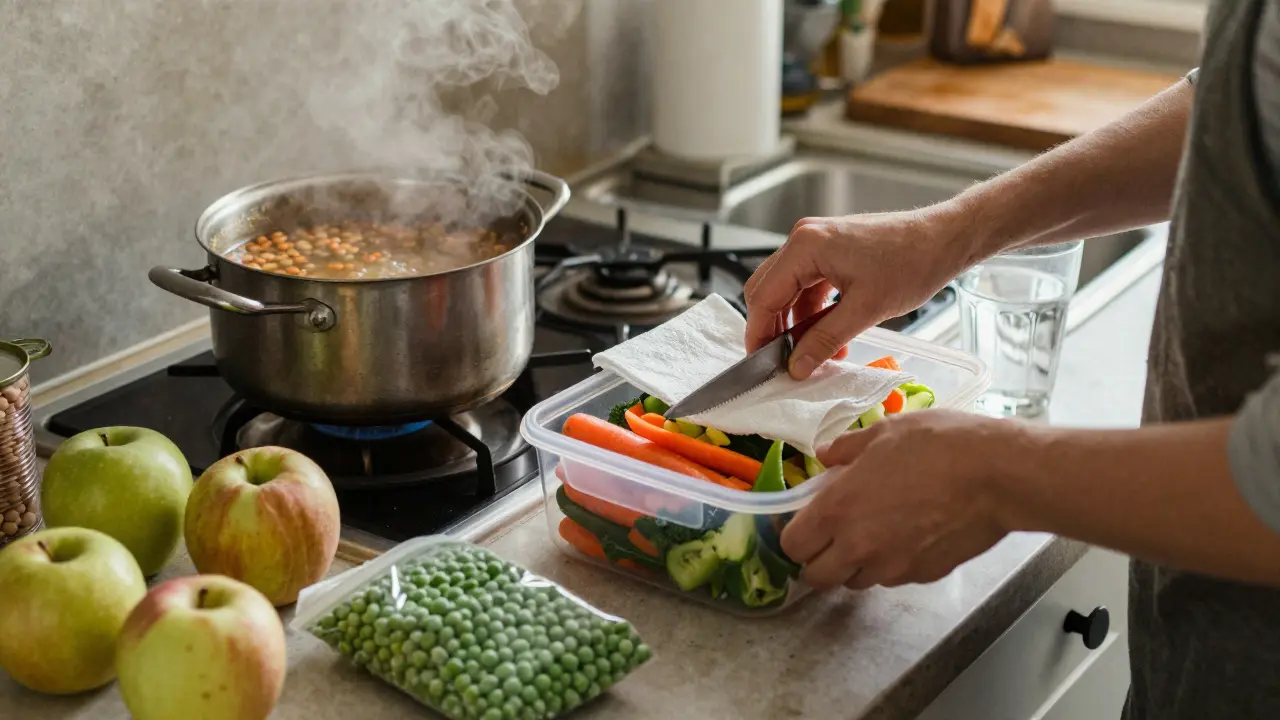
The fix? Start by removing the triggers. Clear your pantry of the packaged stuff. Replace it with whole foods you can see, smell, and recognize. Keep apples on the counter. Buy frozen vegetables-they’re just as nutritious as fresh, and they last longer. Stock up on canned beans and lentils. They’re cheap, shelf-stable, and packed with fiber and protein.
Meal Planning That Actually Works
People think meal planning means spending Sunday afternoon chopping 12 different vegetables and labeling containers. That’s not sustainable. Real meal planning is about reducing decisions, not adding work.
Here’s how to do it in 15 minutes a week:
- Pick two simple, repeatable meals for the week-like lentil soup and stir-fried veggies with brown rice.
- Buy the ingredients in bulk. One big bag of brown rice lasts a week. A can of chickpeas goes a long way.
- Prep one thing: wash and chop a big batch of veggies. Store them in containers with a paper towel on top to absorb moisture.
- Keep hard-boiled eggs or canned tuna on hand for quick lunches.
- Don’t plan for perfection. Plan for “good enough.” If you only eat well 70% of the time, you’re doing better than most.
People who plan meals this way eat 20% more vegetables and 30% less sugar than those who don’t, according to a 2023 study in the Journal of Nutrition and Dietetics. The key isn’t complexity. It’s consistency.
How to Handle Cravings Without Guilt
Cravings aren’t a sign you’re failing. They’re a sign your body is asking for something. Sometimes it’s sugar because you’re low on energy. Sometimes it’s salt because you’re dehydrated. Sometimes it’s comfort because you’re stressed.
Instead of fighting cravings, meet them halfway. Want chocolate? Have a square of dark chocolate (70% cocoa or higher). Craving chips? Try roasted chickpeas with a pinch of sea salt. Missing cookies? Bake a batch with oats, mashed banana, and a little honey. You’re not depriving yourself-you’re upgrading.
And if you eat something that doesn’t fit your “healthy” plan? Move on. One meal doesn’t ruin your progress. One week of stress-eating doesn’t erase months of good habits. Health isn’t a straight line. It’s a messy, winding path-and that’s okay.
Why Healthy Eating Isn’t Just About the Body
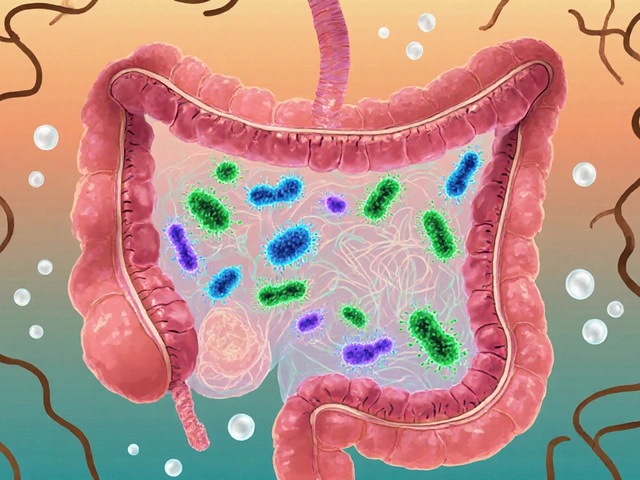
A healthy diet doesn’t just change your waistline. It changes how you think, feel, and show up for your life. The gut-brain connection is real. Your gut microbiome-the trillions of bacteria living in your digestive tract-produces over 90% of your serotonin, the hormone that helps you feel calm and happy.
When you eat lots of fiber from vegetables, beans, and whole grains, you feed the good bacteria. When you eat sugar and processed fats, you feed the bad ones. That affects your mood, your focus, even your sleep. People who switch to a whole-food diet often report better concentration, fewer anxiety spikes, and more stable energy throughout the day.
This isn’t magic. It’s biochemistry. And it works whether you’re 25 or 65.
What to Avoid (Without Becoming Obsessed)
You don’t need to eliminate sugar entirely. You don’t need to go gluten-free unless you have a diagnosed sensitivity. You don’t need to buy organic everything. The goal isn’t purity. It’s balance.
Here’s what actually matters:
- Reduce added sugar-aim for less than 25g per day (about 6 teaspoons). That’s one can of soda.
- Avoid industrial seed oils-like soybean, corn, and canola oil. They’re in almost all packaged foods. Use olive oil, avocado oil, or coconut oil instead.
- Limit ultra-processed meats-bacon, sausages, deli meats. They’re linked to higher cancer risk. Choose fresh chicken, fish, or plant-based proteins.
- Drink water first-many cravings are just thirst. Keep a bottle handy. Start your day with a glass.
These are the big levers. You don’t need to be perfect. Just notice the patterns. If you’re eating three sugary snacks a day, start by cutting one. If you’re drinking soda every night, swap it for sparkling water with lemon. Small changes add up.
Real Progress, Not Perfect Results
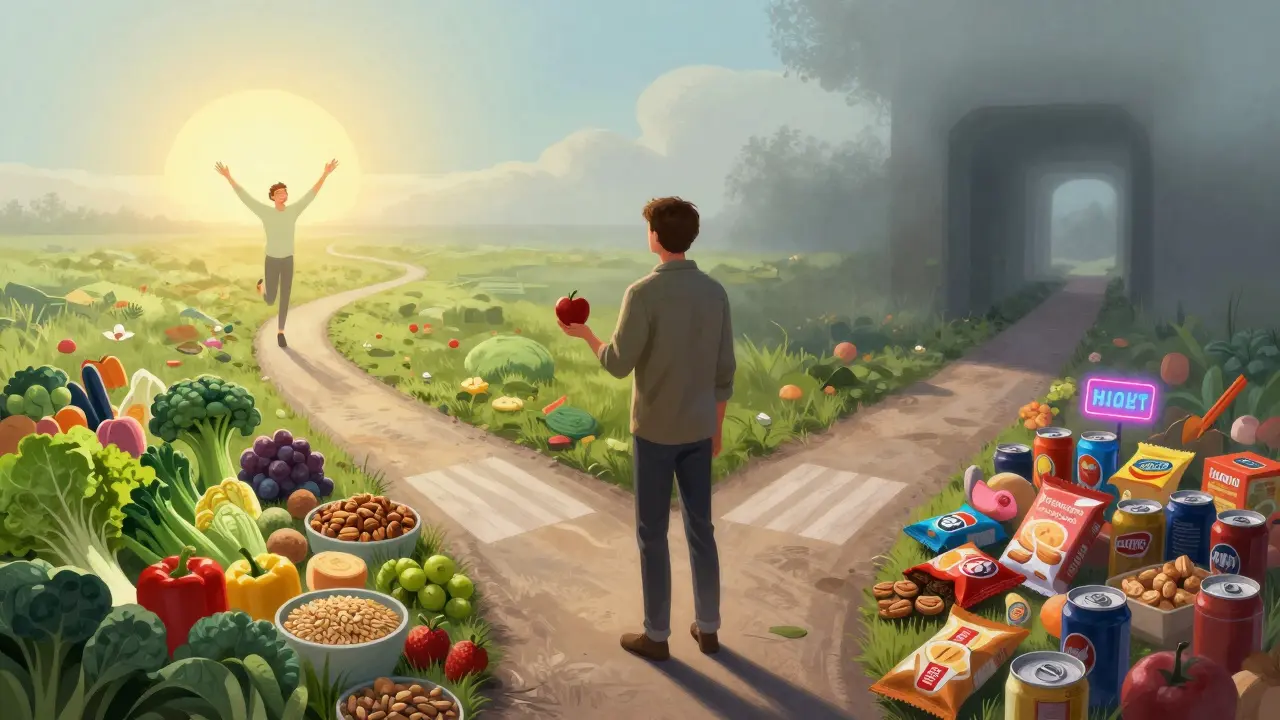
Healthy eating isn’t about fitting into a dress or hitting a number on the scale. It’s about waking up without a sugar crash. It’s about having the energy to play with your kids, walk to the park, or finish your workday without needing a nap. It’s about feeling like your body works for you-not against you.
Start with one change this week. Maybe it’s adding a vegetable to your dinner. Or swapping your morning muffin for oatmeal with berries. Or drinking water before coffee. Don’t aim for perfection. Aim for progress.
Because the best healthy diet is the one you can stick to for the rest of your life. Not for 30 days. Not until you lose 10 kilos. For life.
What Happens When You Stick With It
After 3 months of eating mostly whole foods, people typically report:
- More stable energy-no mid-afternoon slumps
- Better digestion-less bloating, fewer stomach aches
- Improved sleep-falling asleep faster, waking up more refreshed
- Clearer skin
- Less emotional eating
- More confidence in their food choices
These aren’t side effects. They’re the direct result of feeding your body what it needs.
You don’t need to overhaul your life overnight. Just start where you are. One meal at a time. One grocery trip at a time. One day at a time.
Is a healthy diet expensive?
Not if you focus on the right foods. Beans, lentils, oats, seasonal vegetables, eggs, and frozen fish are among the most affordable, nutrient-dense foods you can buy. Processed snacks and pre-packaged meals cost more per gram of nutrition. Buying in bulk, cooking at home, and planning ahead cuts costs significantly. A bag of dried beans costs less than $2 and makes six meals.
Can I eat out and still have a healthy diet?
Absolutely. Look for restaurants that serve grilled or baked proteins, steamed vegetables, and whole grains. Skip the fried appetizers, creamy sauces, and sugary drinks. Ask for dressing on the side. Order a side of vegetables instead of fries. Most places will accommodate you if you ask. You don’t have to eat a salad-just avoid the overload of oil, salt, and sugar.
Do I need supplements on a healthy diet?
Most people don’t. If you’re eating a variety of whole foods, you’re getting the nutrients you need. Vitamin D is an exception-if you live in a place with limited sunlight (like Canberra in winter), a supplement of 1000 IU daily is common and safe. Otherwise, focus on food first. Supplements can’t replace a healthy diet, but they can fill small gaps.
How long does it take to see results?
Some people feel better in just 3-5 days-more energy, less bloating. Others notice changes after 2-4 weeks: better sleep, clearer skin, fewer cravings. The biggest shifts-like improved blood pressure or cholesterol-take 3-6 months. But you don’t need to wait to feel the difference. Your body responds quickly to real food.
What if I have dietary restrictions?
A healthy diet works for everyone-whether you’re vegetarian, gluten-free, lactose intolerant, or allergic to nuts. The core principle stays the same: focus on whole, unprocessed foods. Replace dairy with unsweetened plant-based milk. Swap wheat pasta for lentil or rice noodles. Use seeds instead of nuts. The goal isn’t to follow rules-it’s to nourish your body with what works for you.
Next Steps: Start Today
Here’s your simple action plan:
- Take a look in your fridge and pantry. What’s packaged and processed? Put it in a bag to donate or toss.
- Go to the grocery store. Buy one new whole food you’ve never tried-like farro, kale, or tempeh.
- Drink a glass of water before every meal for the next 7 days.
- At dinner tonight, add one extra vegetable to your plate.
That’s it. No need to change everything at once. Just start. Your body will thank you long before your mirror does.