Most people think aromatherapy is just about diffusing lavender oil to relax. But that’s like saying music is just about playing one note. Aromatherapy is a whole sensory experience - one that’s been used for thousands of years, long before essential oils became a Instagram trend. It’s not just about smell. It’s about how scent connects to memory, emotion, and even your nervous system. And if you’ve only tried a few oils from a bottle, you haven’t even scratched the surface.
What Aromatherapy Really Is
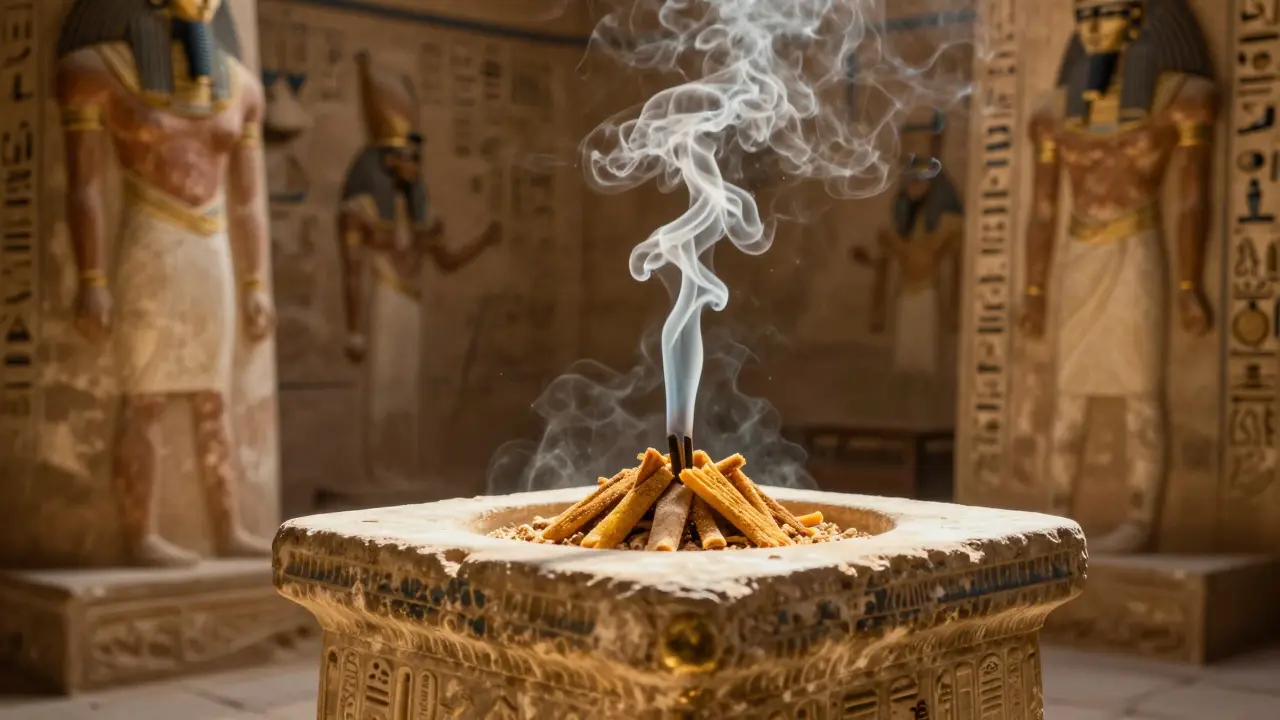
Aromatherapy isn’t a modern wellness fad. Ancient Egyptians used aromatic resins in embalming and rituals. Traditional Chinese medicine included herbal incense for balancing energy. The Greeks burned herbs like rosemary and sage to purify spaces and soothe the mind. Today, it’s defined as the therapeutic use of volatile plant compounds - not just essential oils, but also absolutes, hydrosols, and infused carriers.
The key difference between aromatherapy and simple fragrance? Aromatherapy is intentional. It’s not about making your home smell nice. It’s about triggering measurable changes in your body. Studies from the Journal of Alternative and Complementary Medicine show that certain scent molecules can lower cortisol levels by up to 30% within 15 minutes. Others activate the limbic system - the part of your brain that handles emotion and memory - in ways that can ease anxiety or lift mood.
More Than Just Essential Oils
Essential oils are the most popular tools, but they’re only one piece. Here’s what else is in the aromatherapy toolkit:
- Hydrosols - the water byproduct of steam distillation. Rosewater isn’t just a beauty spray. Medical-grade rose hydrosol has been used in clinical settings to calm inflamed skin and reduce agitation in dementia patients.
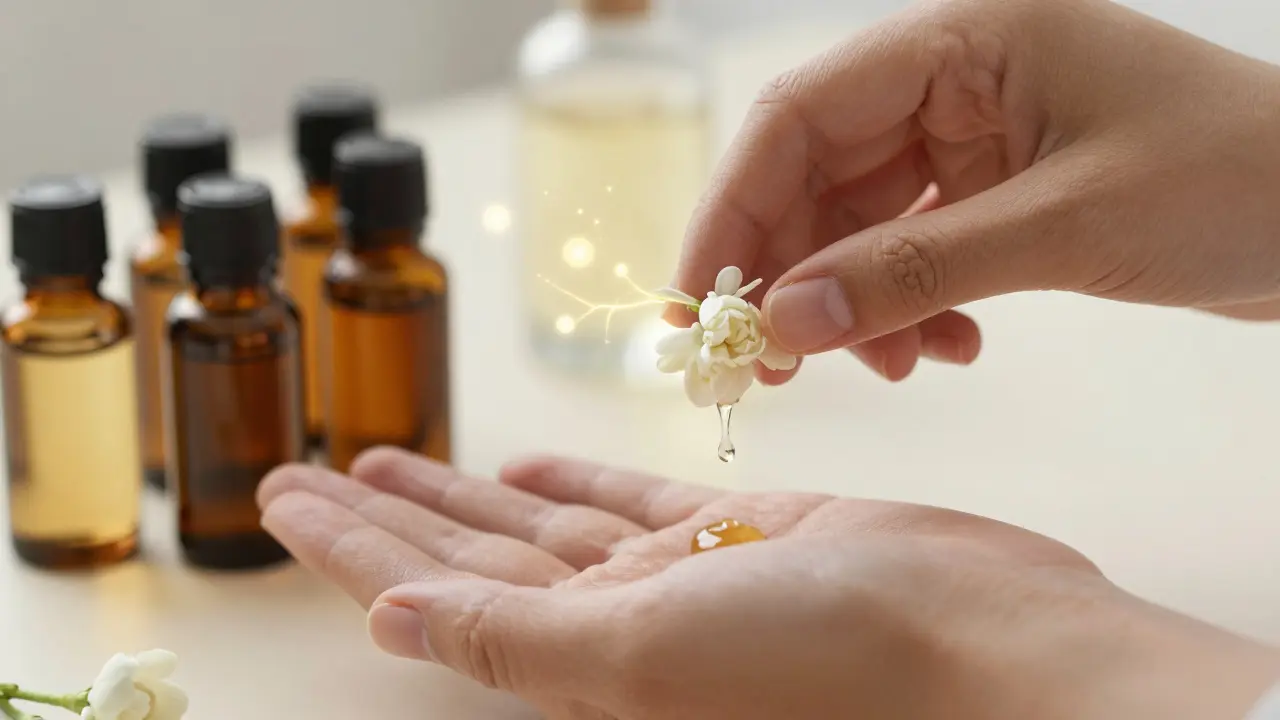
- Absolutes - extracted with solvents instead of steam. Jasmine absolute, for example, contains over 400 aromatic compounds. It’s far more complex than jasmine essential oil and has been shown in lab studies to influence serotonin pathways.
- Resins and Balsams - frankincense, myrrh, copaiba. These aren’t oils. They’re sticky, resinous substances that release scent slowly. Used in traditional Ayurvedic and Middle Eastern healing, they’re known for their anti-inflammatory and grounding properties.
- Infused oils - plant material steeped in carrier oils like jojoba or olive. Calendula-infused oil isn’t just for skin. When used in massage, it can help reduce muscle tension without the intensity of pure essential oils.
Each of these carries different therapeutic profiles. Essential oils are potent and fast-acting. Hydrosols are gentle enough for children and sensitive skin. Absolutes are rich and emotionally layered. Using them in combination creates what experts call a “scent profile” - not a random blend, but a carefully balanced formula.
How Scent Affects Your Brain
Smell is the only sense that bypasses your thalamus - the brain’s filter - and goes straight to the amygdala and hippocampus. That’s why a whiff of pine needles can suddenly take you back to childhood hikes, or why the smell of burnt toast can trigger panic if you once had a bad experience with it.
That direct link is why aromatherapy works for trauma, PTSD, and anxiety. In a 2023 pilot study at the University of Bristol, 42 participants with chronic stress were exposed to a custom scent blend of bergamot, vetiver, and chamomile hydrosol for 10 minutes daily. After four weeks, 78% reported improved sleep and reduced rumination. The scent didn’t “fix” their stress. It helped their nervous system reset.
It’s not magic. It’s neurochemistry. Citrus oils like orange and lemon increase dopamine. Lavender activates GABA receptors - the same ones targeted by anti-anxiety medications. Cedarwood triggers the release of melatonin. These aren’t vague claims. They’re documented in peer-reviewed studies.
Real-World Applications You Might Not Know
Aromatherapy isn’t just for your bedroom diffuser. Here’s where it’s making a real difference:
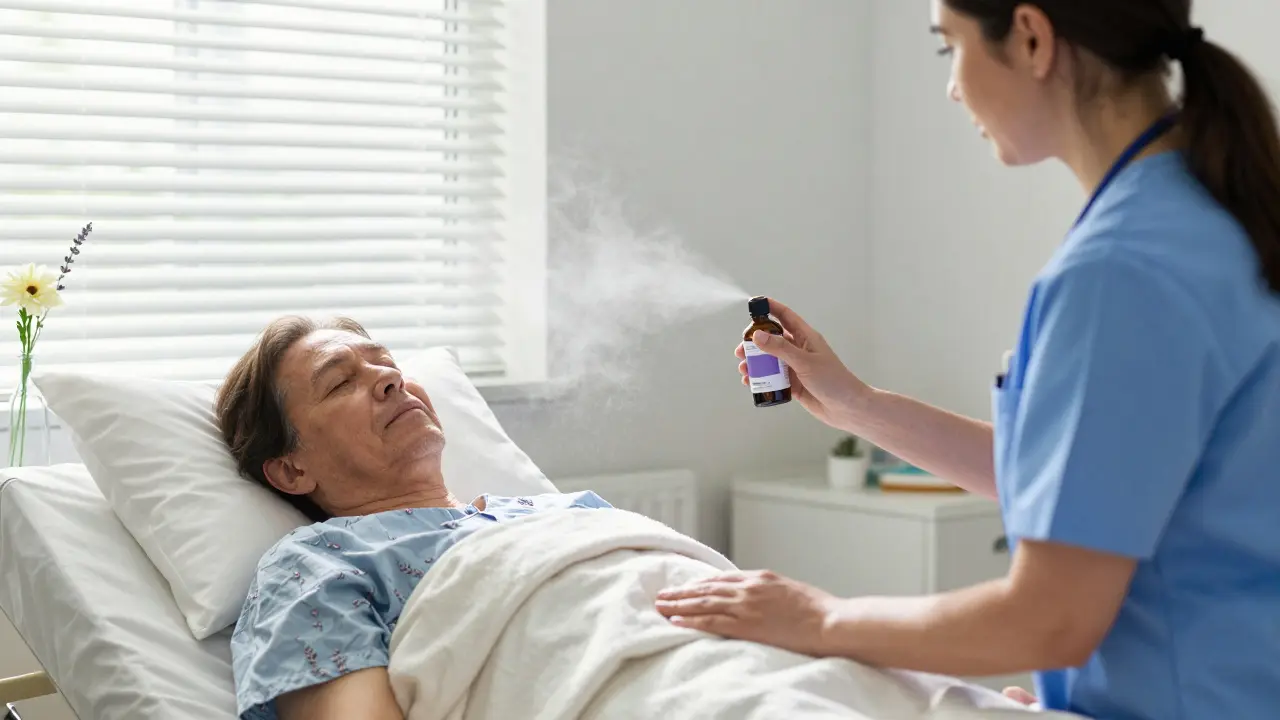
- Hospitals - UK NHS palliative care units use lavender and frankincense to reduce nausea and agitation in end-of-life care. No drugs. Just scent.
- Childcare - nurseries in Germany and Sweden use diluted chamomile hydrosol in spray bottles to help toddlers transition from playtime to naptime. It’s calmer than lullabies.
- Workplaces - tech companies in Berlin and Tokyo have installed scent dispensers in break rooms. A blend of peppermint and eucalyptus increased focus by 22% in a 6-week trial.
- Rehabilitation - addiction recovery centers use patchouli and ylang-ylang to reduce cravings. The scent mimics the dopamine spike of substances without the risk.
These aren’t experiments. They’re established practices. And they’re not using 10-drop blends from a wellness store. They’re using pharmaceutical-grade, tested aromatics.
Why Most People Get It Wrong
Here’s the problem: most people buy essential oils based on Instagram trends. “Lavender for sleep.” “Peppermint for energy.” But scent isn’t one-size-fits-all. Your nose doesn’t work like a machine. It’s shaped by culture, memory, and biology.
One person finds lavender calming. Another finds it nauseating. Why? Maybe they associate it with a hospital room. Or their grandmother used it in a way that felt controlling. That’s not a flaw - it’s the point. Aromatherapy is personal.
And then there’s quality. Most “essential oils” sold online are diluted with synthetic fragrances or carrier oils. A true lavender essential oil should cost at least £25 for 10ml. If it’s £5, it’s not pure. And if it says “fragrance oil” on the label? That’s not aromatherapy. That’s perfume.
Real aromatherapy requires intention. Not just buying a bottle, but learning how to use it - with dilution ratios, safe application methods, and awareness of contraindications. Pregnant women, epileptics, and people on certain medications need to be careful. Not because aromatherapy is dangerous - but because it’s powerful.
How to Start Properly
You don’t need a full setup. Start here:
- Get one hydrosol - try rosewater or chamomile. It’s gentle, safe, and works for skin and mood.
- Use it as a room spray. Mist your pillow, your workspace, or your yoga mat. Don’t overdo it. One or two sprays is enough.
- Notice how you feel. Do you relax? Feel uplifted? Or does it make you uncomfortable? That’s your signal.
- Try a resin. A small piece of frankincense on a charcoal disc (use in a well-ventilated room). Let it smolder slowly. Breathe it in. No need to buy a diffuser.
- Keep a scent journal. Write down what you used, when, and how you felt. After a week, patterns will emerge.
You don’t need to be an expert. You just need to be curious. Aromatherapy isn’t about following rules. It’s about listening - to your body, your memories, and the quiet language of scent.
The Future of Scent
Researchers are now mapping the “odorome” - the complete set of scent molecules humans can detect. The goal? To create personalized scent therapies based on your genetics, brain chemistry, and emotional history. Imagine a wearable device that releases a custom blend when your stress levels rise. It’s not sci-fi. Labs in Switzerland and Japan are already testing it.
For now, the most powerful tool you have is your own nose. And the most valuable thing you can do is slow down long enough to smell something - really smell it - and notice what it brings up. That’s where healing begins.