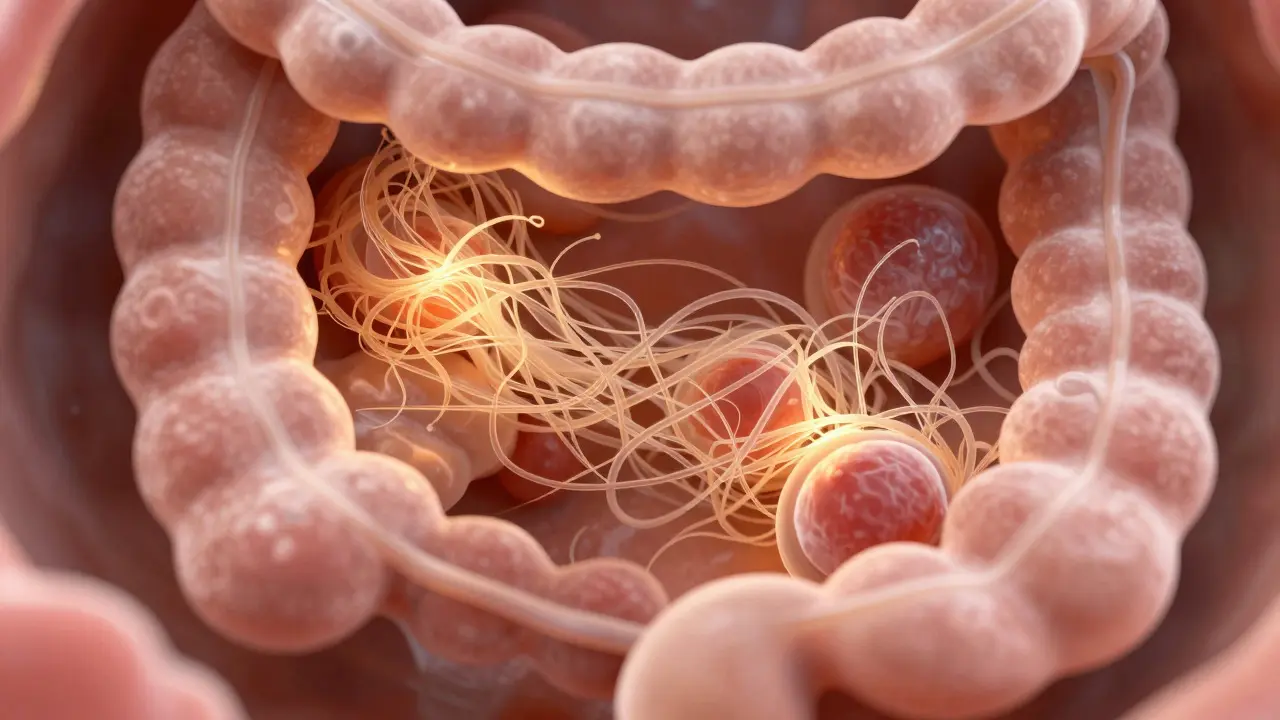
You probably know you should eat more fiber, but do you actually know what it does inside your gut? Most people think of it as just "roughage" that keeps things moving. But fiber is far more complex than that. It’s the fuel for your gut microbiome, a regulator of blood sugar, and a shield against chronic disease. If you’re dealing with bloating, irregularity, or just want better energy, understanding how fiber interacts with your digestive system is the first step toward fixing it.
The Two Faces of Fiber
Not all fiber is created equal. This is where most people get confused. You have two main types: soluble and insoluble. They work differently, and your body needs both in specific ratios.
Soluble fiber dissolves in water. Think of oats, apples, and beans. When this type hits your stomach, it turns into a gel-like substance. This gel slows down digestion, which helps stabilize blood sugar levels and lowers cholesterol. It’s also the primary food source for the good bacteria living in your colon.
Insoluble fiber doesn’t dissolve. It stays intact as it moves through your system. Found in whole wheat, nuts, and vegetables like cauliflower, it adds bulk to your stool and helps food pass more quickly through the stomach and intestines. If you struggle with constipation, insoluble fiber is often the missing link.
| Feature | Soluble Fiber | Insoluble Fiber |
|---|---|---|
| Solubility | Dissolves in water to form a gel | Does not dissolve; remains intact |
| Primary Benefit | Lowers cholesterol, regulates blood sugar | Promotes regularity, prevents constipation |
| Common Sources | Oats, barley, legumes, citrus fruits | Whole grains, nuts, seeds, vegetable skins |
| Gut Impact | Feeds beneficial gut bacteria (prebiotic) | Adds bulk, speeds up transit time |
Your Gut Microbiome Depends on It
Here is the part many people miss: fiber isn’t just for your bowel movements. It’s for your bacteria. Your gut microbiome consists of trillions of microorganisms, including bacteria, viruses, and fungi, that reside in your digestive tract. These microbes play a huge role in your immune system, mood, and metabolism.
When you eat soluble fiber, your body can’t digest it completely. Instead, it travels to the large intestine where your gut bacteria ferment it. This fermentation process produces short-chain fatty acids (SCFAs), such as butyrate, acetate, and propionate. Butyrate, in particular, is crucial because it serves as the primary energy source for the cells lining your colon. Healthy colon cells mean a stronger gut barrier, which prevents toxins from leaking into your bloodstream-a condition often referred to as "leaky gut."
If you don’t eat enough fiber, these bacteria starve. Some studies suggest that when deprived of dietary fiber, certain gut bacteria start eating the mucus layer that protects your intestinal wall. Over time, this thinning mucus layer can lead to inflammation and increased susceptibility to infection.
How Much Do You Actually Need?
The general recommendation for adults is about 25 to 30 grams of total fiber per day. However, the average American consumes only about 15 grams. That’s half of what you need. But here is the catch: if you are currently eating very little fiber, jumping straight to 30 grams will likely cause gas, bloating, and abdominal pain. Your gut bacteria need time to adapt to the new fuel supply.
A practical approach is to increase your intake by 5 grams every few days until you reach your target. Hydration is non-negotiable here. Fiber works by absorbing water. If you eat high-fiber foods without drinking enough water, the fiber can harden in your intestines, leading to severe constipation rather than relieving it. Aim for at least eight glasses of water daily when increasing fiber intake.
Best Food Sources for Gastro Health
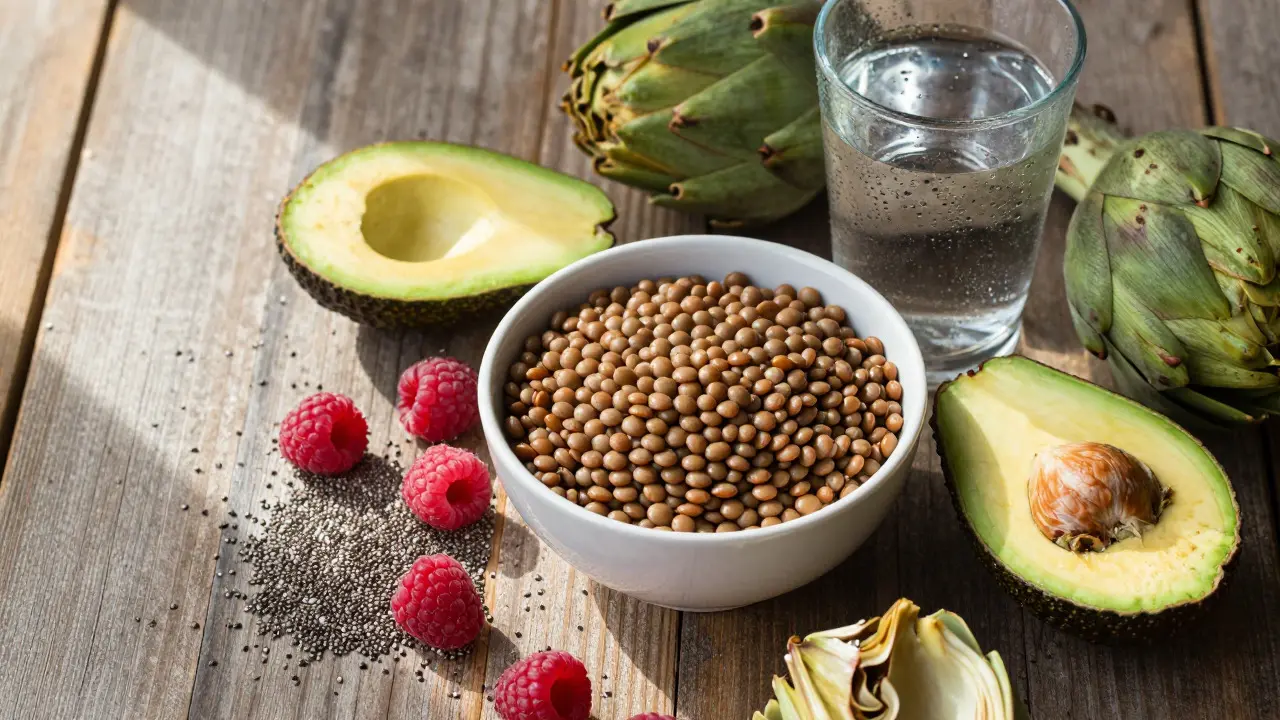
You don’t need expensive supplements to fix your digestion. Real food provides a matrix of nutrients that supplements often lack. Here are some top-tier sources that balance both types of fiber:
- Chia Seeds: Just two tablespoons provide nearly 10 grams of fiber. They are mostly soluble, forming a gel that soothes the digestive tract.
- Lentils: A cup of cooked lentils contains about 15 grams of fiber. They are also rich in resistant starch, another type of prebiotic that feeds gut bacteria.
- Berries: Raspberries and blackberries are packed with insoluble fiber in their tiny seeds and skin, plus soluble pectin. One cup of raspberries offers 8 grams of fiber.
- Artichokes: One medium artichoke has about 7 grams of fiber and is one of the highest antioxidant-rich vegetables available.
- Avocado: Often overlooked, an avocado contains roughly 10-14 grams of fiber, depending on size. It provides healthy fats that aid in nutrient absorption alongside the fiber.
Troubleshooting Common Issues
Even with the best intentions, adding fiber can backfire if done incorrectly. Here is how to troubleshoot common problems:
Bloating and Gas: This is the most common complaint. It happens because your gut bacteria are suddenly getting a feast. Reduce portion sizes of high-FODMAP foods (like onions, garlic, and certain beans) temporarily while your microbiome adjusts. Consider using an enzyme supplement like alpha-galactosidase (Beano) to help break down complex sugars in beans and veggies.
Constipation Persists: If you’ve added fiber but still feel backed up, check your water intake. Also, ensure you aren’t relying solely on insoluble fiber. Sometimes, too much bulk without enough lubrication (soluble fiber/water) creates a blockage. Try adding psyllium husk, a soluble fiber supplement that forms a soft gel, to soften the stool.
Diarrhea: Surprisingly, fiber can help with diarrhea too. Soluble fiber absorbs excess water in the intestines, firming up loose stools. Applesauce, bananas, and white rice (though low in fiber, it binds) are classic remedies. For long-term management, focus on soluble fiber sources like oatmeal and flaxseeds.
Fiber Supplements: Worth the Hype?
Should you take a powder? Not necessarily. Whole foods offer vitamins, minerals, and antioxidants that isolated fiber lacks. However, supplements can be useful tools. Psyllium husk is a popular choice because it is highly effective at regulating bowel movements and lowering cholesterol. It is gentle and less likely to cause gas compared to other fibers like inulin.
Other supplements like methylcellulose (Citrucel) are synthetic and generally well-tolerated but don’t feed gut bacteria as effectively as natural fibers. Inulin and chicory root are potent prebiotics but can cause significant bloating in sensitive individuals. Start with a small dose (1 teaspoon) and scale up slowly.
The Long-Term Payoff
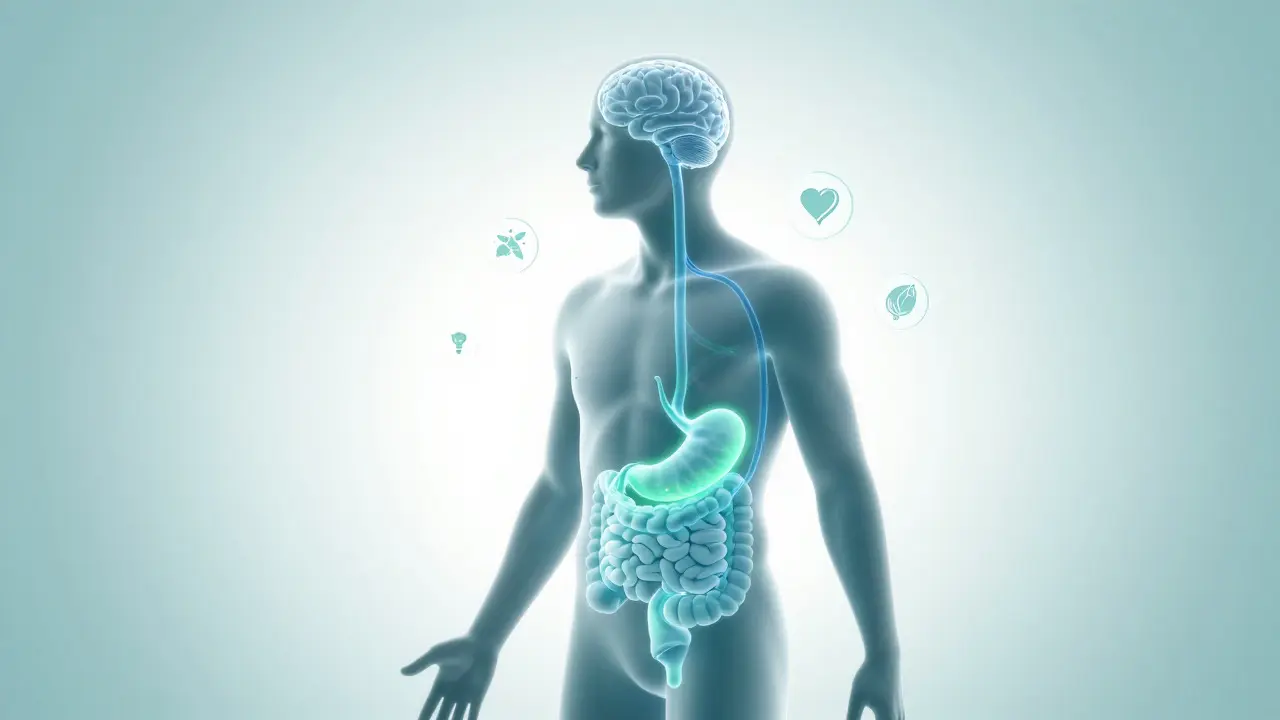
Consistently meeting your fiber goals isn’t just about avoiding bathroom drama. High fiber intake is linked to a reduced risk of heart disease, type 2 diabetes, and colorectal cancer. The SCFAs produced by fiber fermentation reduce systemic inflammation throughout the body. There is even emerging research connecting a healthy, fiber-fed microbiome to improved mental health outcomes via the gut-brain axis.
Think of fiber as an investment. The returns aren’t always immediate, but over months and years, they compound into better energy, clearer skin, and a resilient digestive system. Start today by adding one extra serving of vegetables or swapping white bread for whole grain. Your gut will thank you.
Can I eat too much fiber?
Yes. Consuming excessive amounts of fiber, especially if increased rapidly, can lead to bloating, gas, cramping, and even mineral deficiencies (like iron, zinc, calcium, and magnesium) because fiber can bind to these minerals and prevent their absorption. Sticking to the recommended 25-30 grams per day is usually safe for most adults, but individual tolerance varies.
Does cooking vegetables destroy their fiber?
No, cooking does not destroy fiber. In fact, cooking can sometimes make fiber easier to digest by breaking down tough cell walls. While heat-sensitive vitamins like Vitamin C may decrease with prolonged boiling, the structural integrity of the fiber remains largely intact. Steaming or roasting is often better than boiling to preserve overall nutrient density.
Is gluten-free fiber different?
Gluten is a protein, not a fiber. Gluten-free grains like quinoa, buckwheat, and amaranth are excellent sources of fiber. However, many processed gluten-free products use refined starches (like potato or tapioca starch) which are low in fiber. Always check labels to ensure you are getting whole-grain gluten-free options if fiber is your goal.
How does fiber affect blood sugar?
Soluble fiber slows down the absorption of sugar into the bloodstream. By forming a gel in the stomach, it delays gastric emptying, which prevents rapid spikes in blood glucose after meals. This makes fiber particularly beneficial for people with insulin resistance or type 2 diabetes.
What is the fastest way to relieve constipation with fiber?
Prunes and prune juice are among the most effective natural remedies due to their combination of sorbitol (a sugar alcohol with laxative effects) and fiber. Additionally, kiwi fruit has been shown in clinical trials to improve bowel frequency and consistency without causing significant gas, making it a gentler alternative to traditional high-fiber bulking agents.