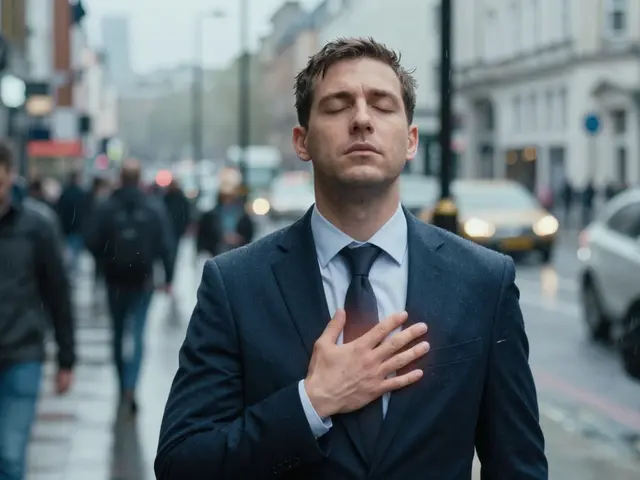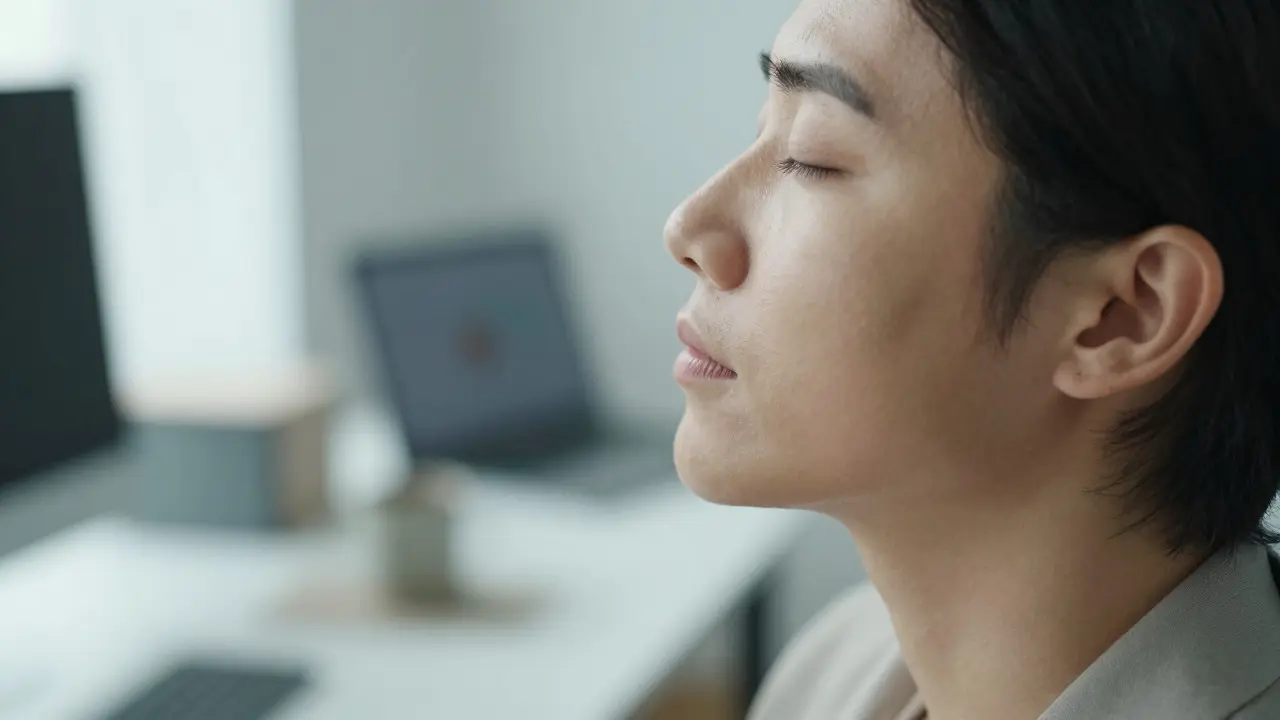
Stress doesn’t always announce itself with a panic attack. Sometimes it’s the tight jaw you forget to unclench until dinner, or the way your brain loops over an email from three days ago while you’re trying to sleep. If you’ve been feeling that low-grade hum of tension lately, you’re not alone. But here’s the good news: you don’t need a vacation or hours of free time to hit the reset button. You just need the right relaxation techniques and a few minutes a day.
These aren’t just feel-good suggestions; they are physiological tools that switch your nervous system from "fight or flight" mode to "rest and digest." When you understand how your body reacts to pressure, you can hack that response. Let’s look at seven methods that actually work, why they work, and how to fit them into a busy schedule without making them feel like another chore.
Quick Summary / Key Takeaways
- Deep Breathing is the fastest way to lower heart rate in under two minutes.
- Progressive Muscle Relaxation (PMR) helps release physical tension you didn’t know you were holding.
- Mindfulness stops the mental loop of worrying about the future or past.
- Consistency beats intensity: 5 minutes daily works better than one hour once a week.
- Combine techniques for better results (e.g., breathing + visualization).
Why Your Body Needs More Than Just "Calming Down"
To fix the problem, you have to understand the mechanism. When you face a stressful event, your amygdala triggers the release of cortisol and adrenaline. This is useful if you’re running from a bear, but less helpful if you’re staring at a spreadsheet. The issue is that modern life keeps us in a state of chronic sympathetic activation. Your muscles stay tense, your digestion slows down, and your mind stays alert for threats that aren’t there.
Relaxation techniques work by activating the parasympathetic nervous system, often called the "rest and digest" branch. Think of it as the brake pedal for your stress response. Unlike sedatives or distractions, these techniques train your body to recognize safety cues. Over time, this lowers your baseline stress levels, meaning you react less intensely to minor annoyances. It’s not about eliminating stress-it’s about changing your relationship with it so it doesn’t control your physiology.
The Breath First Approach: Box Breathing and 4-7-8
If you only try one thing today, make it breathwork. Your lungs are directly connected to your vagus nerve, which regulates heart rate and blood pressure. By slowing your exhale, you send a direct signal to your brain that the danger has passed.
Two specific patterns stand out for their effectiveness:
- Box Breathing: Inhale for 4 seconds, hold for 4, exhale for 4, hold for 4. This technique is used by Navy SEALs to maintain focus under pressure. It’s great for high-stakes moments like before a presentation or a difficult conversation.
- 4-7-8 Breathing: Inhale through the nose for 4 counts, hold for 7, and exhale slowly through the mouth for 8. Developed by Dr. Andrew Weil, this method is particularly effective for falling asleep because the long exhale acts as a natural tranquilizer for the nervous system.
You don’t need to count perfectly. The goal is to make the exhale longer than the inhale. Try doing four cycles before you check your phone in the morning. It sets a calmer tone for the entire day.
Releasing Physical Tension with Progressive Muscle Relaxation
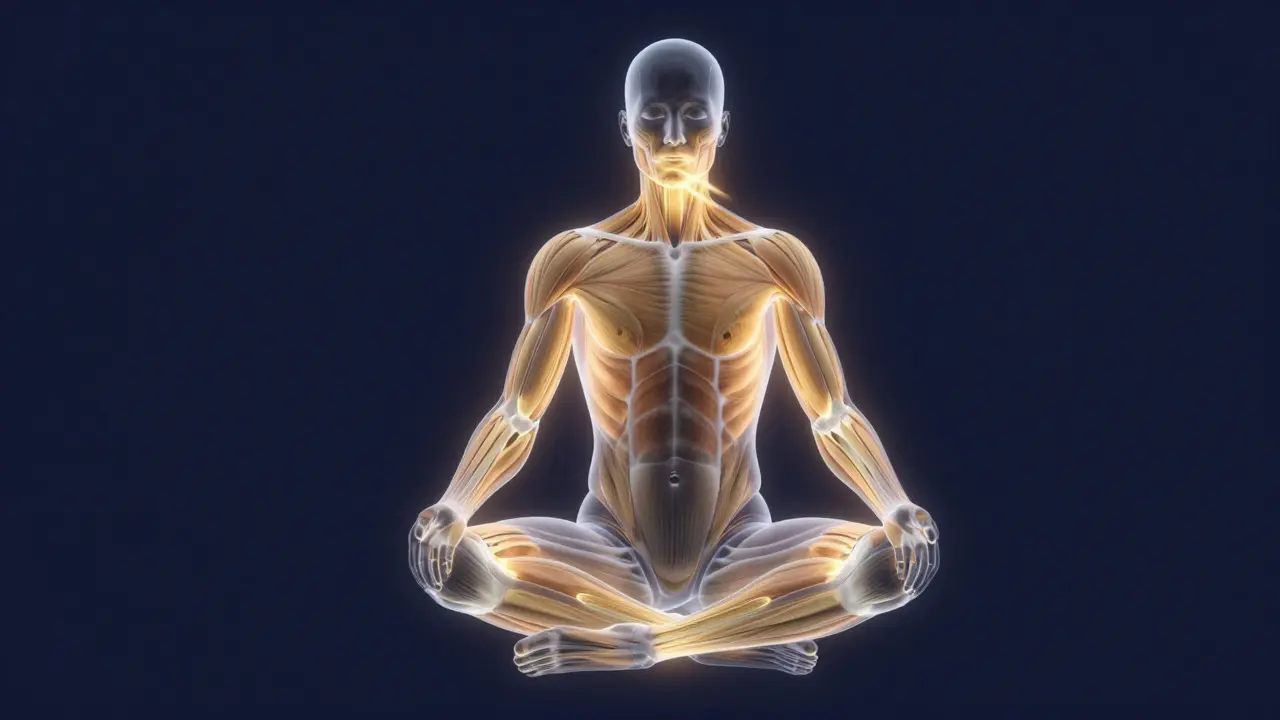
Sometimes your mind is quiet, but your body is still screaming. You might carry tension in your shoulders, neck, or jaw without realizing it. Progressive Muscle Relaxation (PMR) is a technique where you systematically tense and then relax different muscle groups. The contrast between tension and release makes the relaxation feel much deeper.
Here is how to do a quick 10-minute version:
- Feet and Calves: Curl your toes tightly for 5 seconds, then let go completely for 10 seconds. Notice the difference.
- Thighs: Squeeze your thigh muscles hard, hold, release.
- Belly: Tighten your abdominal muscles, hold, release.
- Hands and Arms: Make fists, hold, open hands wide, release.
- Jaw and Face: Clench your teeth, scrunch your face, then drop everything loose.
This isn’t just about feeling good; it reduces the physical symptoms of stress like headaches and back pain. Many people find PMR more effective than meditation because it gives the mind something concrete to focus on-the sensation of the muscles-rather than trying to "clear" thoughts.
Mindfulness: Stopping the Mental Loop
Physical tension is one side of the coin; mental chatter is the other. Mindfulness is the practice of paying attention to the present moment without judgment. It sounds simple, but it’s counterintuitive because our brains are wired to plan for the future and regret the past.
You don’t need to sit cross-legged for an hour. You can practice "micro-mindfulness" during routine tasks. For example, when washing dishes, focus entirely on the temperature of the water, the texture of the soap, and the sound of the clinking plates. If your mind wanders to your to-do list, gently bring it back to the water. That act of returning is the actual exercise.
Studies show that regular mindfulness practice shrinks the amygdala (the fear center) and thickens the prefrontal cortex (the decision-making center). In plain English, it literally rewires your brain to be less reactive and more thoughtful.
Visualization and Guided Imagery
Your brain doesn’t always distinguish between real experiences and vividly imagined ones. If you imagine swimming in a cool lake, your heart rate drops, your breathing slows, and your muscles relax. Guided Imagery uses this phenomenon to transport you mentally to a safe, peaceful place.
Create your own "safe space" script. Pick a location that feels calm to you-a beach, a forest, or a cozy room. Engage all five senses:
- Sight: What colors do you see? Is the light bright or dim?
- Sound: Do you hear waves, birds, or silence?
- Smell: Does the air smell like salt, pine, or coffee?
- Touch: Is the ground soft or warm?
Spend 5 to 10 minutes in this space. It’s particularly useful if you struggle with anxiety spikes during the day. You can close your eyes at your desk and take yourself there for a minute, resetting your emotional state without leaving your chair.

Building a Daily Routine: Making It Stick
The best technique is the one you actually use. Here is a sample daily structure to integrate these methods without overwhelming your schedule:
| Time of Day | Technique | Duration | Purpose |
|---|---|---|---|
| Morning | Box Breathing | 2 minutes | Set a calm tone before checking emails |
| Lunch Break | Micro-Mindfulness (Eating) | 5 minutes | Reset mid-day stress |
| Afternoon Dip | Guided Imagery | 3 minutes | Combat afternoon fatigue/anxiety |
| Evening | Progressive Muscle Relaxation | 10 minutes | Release physical tension before bed |
| Bedtime | 4-7-8 Breathing | 4 cycles | Induce sleepiness |
Start small. If 10 minutes of PMR feels like too much, start with just the hands and feet. The key is consistency. Your nervous system needs repeated signals of safety to change its default setting. After two weeks, you’ll likely notice that you snap back to calm faster after stressful events.
Common Pitfalls and How to Avoid Them
One of the biggest mistakes people make is thinking relaxation is passive. They lie down and expect to feel calm instantly. If your mind races, they think they’re "doing it wrong." Instead, view it as a skill. Like learning to play guitar, the first attempts are clumsy. Give yourself permission to be distracted.
Another pitfall is perfectionism. You don’t need to meditate in a silent, dark room. You can practice mindfulness while walking the dog or listening to music. The environment matters less than the intention. Finally, don’t mix too many techniques at once. Pick one primary tool for the next two weeks. Master it, then add another. Mixing box breathing, PMR, and complex visualization on day one will just create more cognitive load.
Frequently Asked Questions
How long does it take to see results from relaxation techniques?
You should feel immediate relief during the session, such as lowered heart rate or reduced muscle tension. However, changes in your baseline stress levels typically occur after 2 to 4 weeks of consistent daily practice. The neural pathways associated with calm responses strengthen with repetition.
Can I do these techniques while working?
Yes. Box breathing and micro-mindfulness are discreet and can be done at a desk. For example, you can perform a single cycle of 4-7-8 breathing before opening a difficult email. Just avoid techniques that require closing your eyes for long periods if you are in a meeting.
What if my mind won't stop racing during mindfulness?
This is normal. Mindfulness is not about stopping thoughts; it’s about changing your reaction to them. When you notice a thought, label it (e.g., "worrying") and return your focus to your anchor (like your breath). The act of noticing is the success, not the absence of thought.
Is Progressive Muscle Relaxation good for people with chronic pain?
Generally, yes, but proceed with caution. Tensing muscles that are already painful can be uncomfortable. Focus on relaxing the muscles around the painful area rather than tensing the painful spot itself. Consult a healthcare provider if you have acute injuries or severe conditions.
Do I need special equipment for these techniques?
No. All the techniques listed require only your body and your breath. While apps and guided audio tracks can be helpful for beginners, they are optional. The core skills are internal and portable.