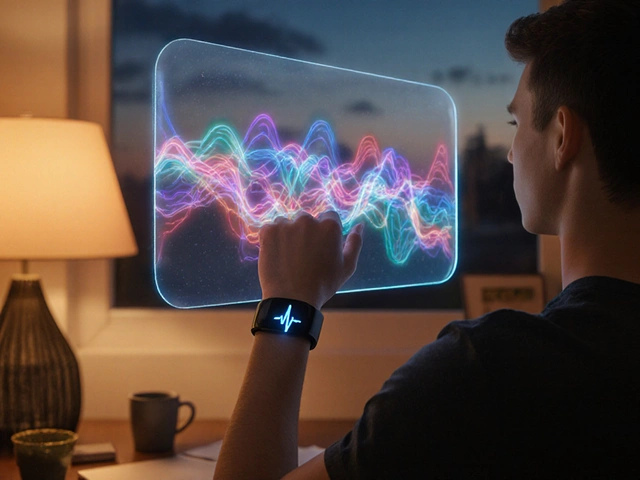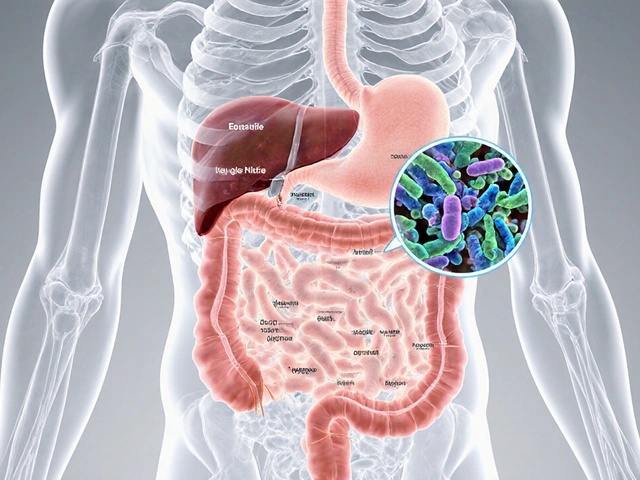
Imagine waking up with a slight headache. For most people, it’s just a bad night’s sleep or too much screen time. But for someone dealing with health anxiety is a condition where excessive worry about physical health leads to significant distress and functional impairment, that same headache feels like the first sign of a brain tumor. You check your pulse. You search your symptoms on the internet. You call a friend who works in medicine. The relief lasts an hour, then the fear creeps back in.
This isn’t just being cautious. It’s a mental health pattern that can hijack your life. While many people worry about their health occasionally, health anxiety becomes a problem when the fear itself causes more suffering than any potential illness would. It’s distinct from actual medical conditions because the primary driver is the *interpretation* of bodily sensations, not the sensations themselves.
Understanding the Core of Illness Fear
To tackle this, we need to understand what’s actually happening in the brain. Health anxiety is closely linked to hypochondria, though modern psychology often uses the term Illness Anxiety Disorder (IAD) as defined in the DSM-5. The key difference? IAD focuses on the *fear* of having a disease, even when symptoms are mild or absent. If you have significant physical symptoms but still worry excessively, it might be classified under Somatic Symptom Disorder, but the underlying mechanism is similar: a heightened sensitivity to internal body signals.
Your nervous system acts like a smoke detector. Normally, it only goes off when there’s real danger. In health anxiety, the detector is set to "sensitive." A normal heartbeat variation registers as an arrhythmia. A minor muscle twitch registers as a neurological event. This hyper-vigilance keeps your body in a state of low-grade stress, releasing cortisol and adrenaline, which ironically creates more physical symptoms-like fatigue or stomach upset-that feed the cycle of fear.
Common Triggers and Risk Factors
Why do some people develop this pattern while others don’t? It’s rarely one single cause. Usually, it’s a mix of personality traits, past experiences, and environmental factors.
- Past Medical Trauma: Having had a serious illness in childhood or watching a parent struggle with a chronic disease can leave a lasting imprint. Your brain learns that "body change = danger."
- Personality Traits: Individuals who are high in neuroticism or perfectionism tend to scrutinize details more intensely. If you’re used to controlling every aspect of your life, losing control over your health feels threatening.
- Internet Access: This is a modern amplifier. Before smartphones, you’d ask a doctor. Now, you can read thousands of forum posts at 2 AM. The internet tends to present worst-case scenarios, reinforcing the idea that rare diseases are common.
- Stressful Life Events: Divorce, job loss, or grief can shift focus inward. When external life feels chaotic, the body becomes a place where you try to find answers.

Recognizing the Symptoms Beyond Physical Pain
The tricky part about health anxiety is that the symptoms feel very real. You aren’t imagining them; they are physiological responses to psychological stress. However, the *pattern* gives it away.
| Feature | Normal Health Concern | Health Anxiety |
|---|---|---|
| Duration | Temporary, resolves with reassurance | Persistent, returns despite reassurance |
| Impact on Daily Life | Mild inconvenience | Avoidance of work/social events due to fear |
| Response to Doctor Visits | Relief after diagnosis | Doubt persists; seeks second/third opinions |
| Focus | Specific symptom management | Catastrophic interpretation of vague sensations |
If you find yourself checking your skin for moles daily, measuring your blood pressure three times a day, or avoiding news stories about diseases, you’re likely engaging in safety behaviors. These behaviors provide short-term relief but long-term reinforcement of the anxiety.
The Role of Cognitive Behavioral Therapy (CBT)
Medication can help manage the chemical imbalance, but Cognitive Behavioral Therapy (CBT) is widely considered the gold standard for treating health anxiety. Why? Because it addresses the root cause: your thoughts about your body.
In CBT, you don’t fight the symptoms. Instead, you learn to change how you interpret them. A therapist will help you identify automatic thoughts like "This tightness means I’m having a heart attack" and challenge them with evidence. You’ll practice exposure techniques, such as staying in a situation where you feel anxious without checking your pulse. Over time, your brain learns that the sensation passes without catastrophe. This process, known as habituation, rewires your neural pathways.
Another effective approach is Acceptance and Commitment Therapy (ACT). Unlike CBT, which tries to change thoughts, ACT teaches you to make peace with uncertainty. You learn to say, "Maybe I’m sick, maybe I’m not, but I’m going to go for my walk anyway." This reduces the energy spent fighting the fear and allows you to live your life fully.

Practical Strategies for Managing Daily Fear
Waiting for a therapy appointment can take weeks. In the meantime, you can start small changes today.
- Limited Checking: Set a specific time (e.g., 10 minutes on Sunday evening) to check your health. Outside that window, no checking. Use a timer. When it rings, stop. This breaks the compulsive loop.
- Body Scanning Meditation: Practice mindfulness by observing sensations without judgment. Lie down, close your eyes, and notice where you feel tension. Label it "tightness," not "anxiety." This builds tolerance to internal signals.
- Limit Internet Research: Unfollow social media accounts that post medical horror stories. Create a rule: if you want to look up a symptom, wait 24 hours. Often, the urge fades.
- Stay Active: Exercise burns off excess adrenaline. It also improves sleep and mood, which lowers baseline anxiety levels. Even a 20-minute walk can reset your nervous system.
Remember, the goal isn’t to never worry again. The goal is to reduce the *cost* of worrying. When you stop spending all your energy monitoring your body, you free up space for joy, connection, and productivity.
When to Seek Professional Help
You should consider seeing a mental health professional if:
- Your worry takes up more than 30 minutes a day.
- You’ve missed work or school due to health fears.
- Relationships are strained because partners/family are tired of reassuring you.
- You’re avoiding activities (like exercise or travel) because of perceived risk.
A primary care physician can rule out actual medical issues, but a psychologist or psychiatrist specializing in anxiety disorders will treat the fear itself. Don’t dismiss your suffering as "just in your head." The pain is real, and it is treatable.
Is health anxiety a form of OCD?
They overlap significantly. Both involve intrusive thoughts and compulsive behaviors (checking). However, health anxiety is specifically focused on the fear of illness, whereas OCD can involve obsessions about cleanliness, order, or symmetry. Many therapists use similar CBT techniques for both.
Can health anxiety be cured completely?
While "cure" is a strong word, remission is very common. With proper treatment, most people experience a significant reduction in symptoms. Some may have occasional flare-ups during stressful periods, but the intensity and frequency decrease dramatically over time.
Do antidepressants help with health anxiety?
Yes, particularly SSRIs (Selective Serotonin Reuptake Inhibitors). They can lower the overall level of anxiety, making it easier to engage in therapy. However, medication alone is less effective than combining it with CBT, which provides the tools to manage future triggers.
How do I stop my family from enabling my health anxiety?
Educate them gently. Explain that constant reassurance reinforces the belief that something is wrong. Ask them to support you by encouraging you to stick to your plan (e.g., "Did you go for your walk despite the worry?") rather than asking "Are you okay?" repeatedly.
Is it possible to have health anxiety without any physical symptoms?
Yes. This is classic Illness Anxiety Disorder. You might feel perfectly healthy but constantly fear that you have an undiagnosed condition. The anxiety itself can create subtle physical sensations, so distinguishing between "no symptoms" and "mild symptoms" can be difficult.