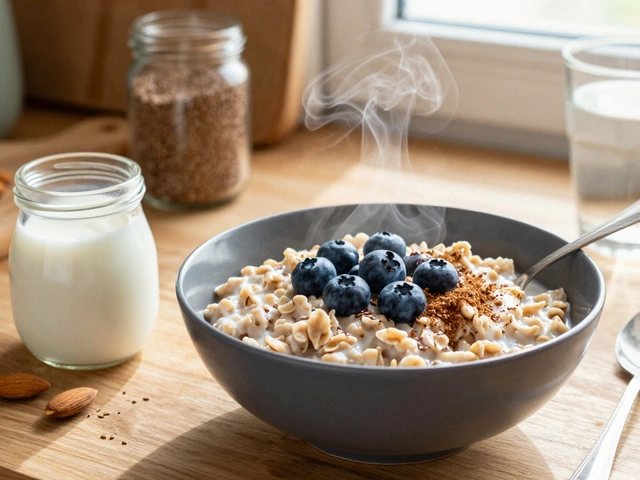
Most of us treat the morning like a race against the clock. We grab a coffee, maybe a sugary pastry on the way out the door, and hit the ground running. But what if that rushed start is actually setting you up for a crash later in the day? A healthy breakfast isn't just about eating before noon; it's the strategic fuel that dictates your energy levels, mood, and even your long-term disease risk. Skipping it or choosing the wrong options can leave you hungry by 10 AM, reaching for vending machine snacks, and feeling mentally foggy during critical work hours.
Why Your Body Needs Morning Fuel
After sleeping for seven to eight hours, your body has been fasting. Your glycogen stores-your primary energy source-are depleted. Think of your body like a car that has been sitting idle all night. You wouldn't expect it to sprint onto the highway without warming up or filling the tank. Eating a nutritious meal within an hour of waking up signals your metabolism to kick into gear.
The concept here is simple but powerful: breaking the fast with the right nutrients stabilizes your blood sugar. When you eat a meal high in refined carbohydrates, like white toast or cereal, your blood sugar spikes rapidly. This triggers a surge of insulin to manage the glucose. Shortly after, your blood sugar crashes, leading to fatigue and cravings. By contrast, a breakfast rich in protein and fiber provides a slow, steady release of energy. This keeps you satiated and focused until lunchtime.
| Breakfast Type | Blood Sugar Response | Satiety Level | Energy Duration |
|---|---|---|---|
| Sugary Cereal/Pastry | Rapid Spike then Crash | Low (Hungry in 2 hours) | Short-lived burst |
| High-Protein/Fiber | Stable and Gradual | High (Full for 4+ hours) | Sustained focus |
| Skipped Meal | Low/Depleted | Variable (Often leads to overeating later) | Fatigue and brain fog |
The Core Components of a Balanced Plate
To build a breakfast that supports better health, you need three key players: protein, healthy fats, and complex carbohydrates. These aren't just buzzwords; they are the structural elements that keep your body functioning optimally.
Protein is the building block of muscles and enzymes, essential for repair and satiety. It takes longer for your body to digest protein than carbs, which means you stay fuller for longer. Sources include eggs, Greek yogurt, cottage cheese, tofu, or protein powder. Aim for at least 15-20 grams of protein in your first meal. This amount is significant enough to curb hunger hormones like ghrelin.
Healthy Fats are nutrients derived from sources like avocados, nuts, seeds, and olive oil that support brain function and hormone production. Fat slows down digestion further, preventing rapid blood sugar spikes. Adding half an avocado to your toast or sprinkling chia seeds on your yogurt adds crucial omega-3 fatty acids, which are linked to reduced inflammation and improved cognitive performance.
Complex Carbohydrates are fiber-rich starches such as oats, quinoa, and whole grains that provide sustained energy without the sugar crash. Unlike simple sugars found in pastries, complex carbs contain fiber. Fiber feeds the good bacteria in your gut, improving digestive health. Oats, for example, contain beta-glucan, a type of soluble fiber known to lower cholesterol levels.
Real-Life Examples of Healthy Breakfasts
Knowing the theory is one thing; putting it into practice is another. Here are three practical, delicious options that fit the criteria above. These meals take less than ten minutes to prepare, making them viable even on busy weekdays.
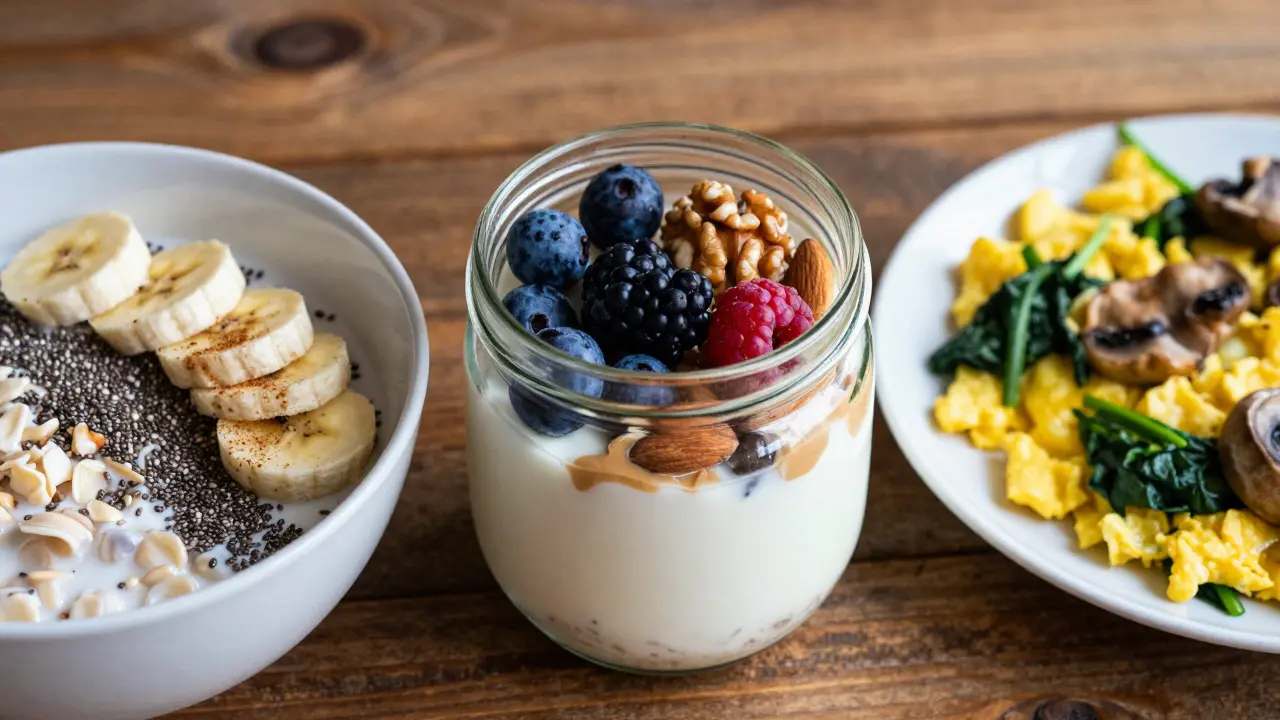
- The Classic Egg Scramble: Two eggs scrambled with spinach and mushrooms, served on a slice of sourdough bread. Top with half an avocado. This combination offers high-quality protein from the eggs, fiber from the vegetables and bread, and healthy fats from the avocado.
- Greek Yogurt Parfait: One cup of plain Greek yogurt mixed with a tablespoon of almond butter and topped with berries and a sprinkle of walnuts. Greek yogurt is packed with protein, while berries provide antioxidants and fiber without spiking blood sugar.
- Overnight Oats: Rolled oats soaked overnight in milk (dairy or plant-based) with chia seeds and cinnamon. In the morning, add sliced banana or apple. This requires zero cooking time in the morning and provides a hearty, fiber-rich start.
The Connection Between Breakfast and Mental Health
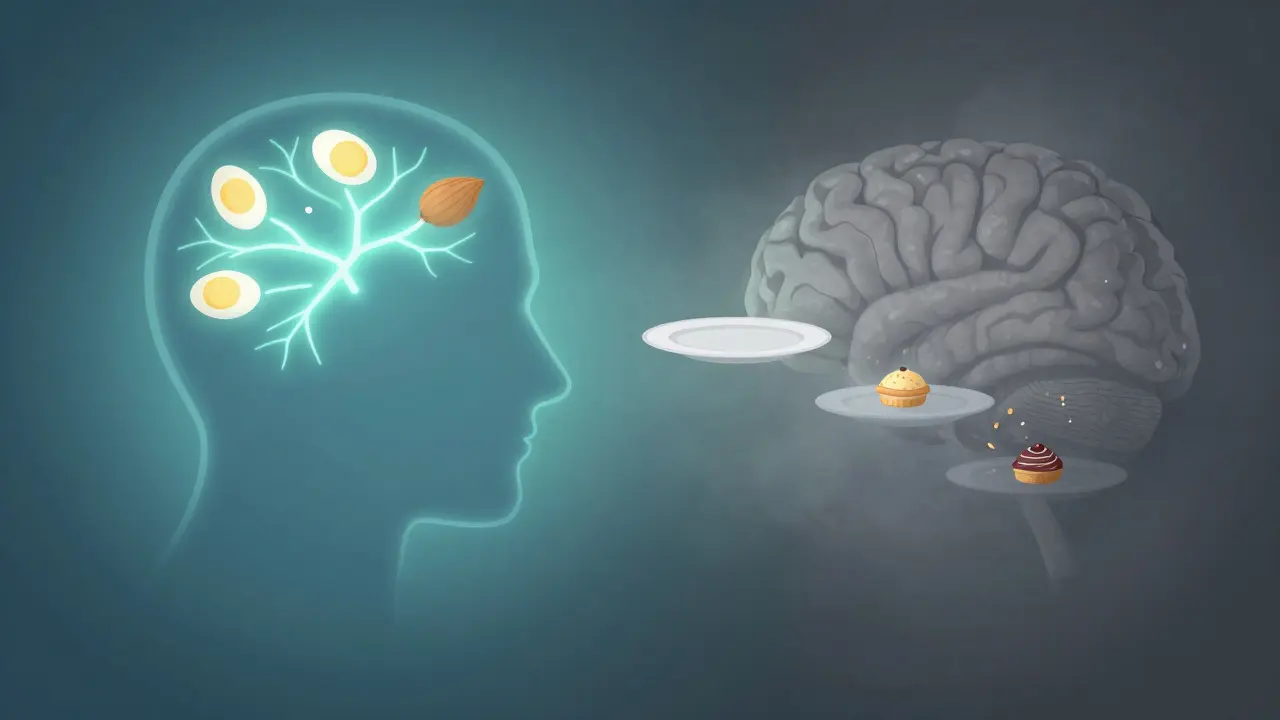
We often separate physical health from mental well-being, but they are deeply intertwined. What you eat in the morning directly impacts your neurotransmitters-the chemicals in your brain that regulate mood. For instance, serotonin, often called the "happy chemical," is produced from tryptophan, an amino acid found in protein-rich foods.
A study published in the Journal of Nutrition highlighted that adolescents who ate breakfast regularly reported lower levels of depression and anxiety compared to those who skipped it. While this study focused on teens, the principle applies to adults too. Low blood sugar triggers the release of cortisol, the stress hormone. High cortisol levels make you feel anxious, irritable, and unable to concentrate. By stabilizing your blood sugar with a proper breakfast, you essentially create a buffer against daily stressors.
Furthermore, hydration plays a role here. Many people wake up dehydrated, which contributes to headaches and lethargy. Drinking a glass of water before or with your breakfast rehydrates your cells and aids digestion. Consider adding lemon juice to your water for a boost of vitamin C, which supports immune function.
Pitfalls to Avoid: Hidden Sugars and Processed Foods
Not all breakfasts labeled "healthy" are created equal. The food industry is clever at marketing processed items as nutritious. Watch out for these common traps:
- Fruit Juices: Even 100% fruit juice lacks the fiber of whole fruit. A glass of orange juice contains the sugar of several oranges without the beneficial fiber, leading to a quick sugar spike.
- Granola Bars: Many commercial granola bars are essentially candy bars disguised as health food. Check the label; if sugar is listed as the first or second ingredient, skip it.
- Flavored Yogurts: Plain yogurt is nutritious. Flavored varieties often contain added sugars comparable to dessert. Stick to plain and sweeten it yourself with fresh fruit or a drizzle of honey.
Reading labels is non-negotiable. If you can't pronounce the ingredients or if there are more than five items on the list, it might be too processed for a foundational meal like breakfast.
Tailoring Breakfast to Your Lifestyle
Your ideal breakfast depends on your activity level and personal preferences. An athlete training early in the morning needs more carbohydrates for immediate energy. Someone working a sedentary desk job might benefit from a higher fat and protein intake to maintain focus without the jitters.
If you don't have an appetite in the morning, don't force a large meal. Try a small, nutrient-dense snack instead, like a handful of almonds and a hard-boiled egg. The goal is consistency and quality, not volume. Over time, your body will adjust, and you may find that you naturally crave healthier options because they make you feel better.
Long-Term Health Benefits
Eating a healthy breakfast consistently is linked to numerous long-term health benefits. Research suggests that regular breakfast eaters have a lower risk of developing type 2 diabetes, heart disease, and obesity. This isn't magic; it's biology. Regular eating patterns help regulate insulin sensitivity. When your body knows when to expect fuel, it manages glucose more efficiently.
Weight management is another key area. Contrary to the belief that skipping meals helps lose weight, studies show that breakfast skippers tend to consume more calories later in the day. They are hungrier and more likely to choose calorie-dense, nutrient-poor foods. A solid breakfast sets a positive tone for the rest of your dietary choices, reducing the likelihood of mindless snacking.
What is the best time to eat breakfast?
Ideally, you should eat breakfast within one hour of waking up. This timing helps replenish glycogen stores depleted during sleep and jumpstarts your metabolism. However, listen to your body; if you aren't hungry immediately, a light snack followed by a full meal a few hours later is also acceptable.
Can I drink coffee on an empty stomach?
While moderate coffee consumption is generally safe, drinking it on an empty stomach can increase acidity and stimulate cortisol production, potentially causing jitters or anxiety for some people. It's better to have a small bite of food, like a few nuts or a piece of fruit, before or with your coffee to buffer its effects.
Is intermittent fasting better than eating breakfast?
Intermittent fasting can be effective for some people, but it is not suitable for everyone. Those with blood sugar issues, pregnant women, or individuals with a history of eating disorders should consult a doctor. For most people, a balanced breakfast provides steady energy and prevents overeating later in the day.
How much protein should I aim for at breakfast?
Aim for at least 15 to 20 grams of protein. This amount is sufficient to promote satiety and muscle maintenance. Examples include two eggs (12g), a cup of Greek yogurt (20g), or a scoop of protein powder (25g).
What are good vegetarian breakfast options?
Vegetarian options are abundant. Try tofu scramble with vegetables, chickpea flour omelets, smoothies with protein powder and spinach, or oatmeal topped with nuts, seeds, and soy milk. These provide ample protein and fiber without meat.