You know that feeling. It’s 3 PM. Your eyes are heavy, your focus is scattered, and you’re reaching for the nearest sugary treat just to survive until 5 PM. But instead of a boost, you get a crash. If this sounds familiar, the problem isn’t your willpower-it’s your snack choice. Healthy snacks are nutrient-dense foods consumed between meals that provide steady fuel without causing blood sugar spikes. They are the secret weapon for maintaining consistent energy levels throughout the day.
We often think of snacking as a guilty pleasure or a necessary evil. In reality, strategic snacking is a biological hack. When you skip meals or eat the wrong things, your body enters survival mode, hoarding energy and slowing down your metabolism. The goal isn't just to fill your stomach; it's to feed your cells the right combination of macronutrients to keep your brain sharp and your body moving.
The Science Behind the Crash: Why Sugar Fails You
To understand why some snacks give you energy and others steal it, we have to look at glucose. Glucose is the primary fuel source for your brain. When you eat a high-sugar snack-like a candy bar or a white bagel-your blood sugar skyrockets. Your pancreas releases insulin to manage this spike. Insulin clears the sugar from your blood quickly, but often too quickly. This rapid drop leaves you with less energy than before you ate. This is the infamous "sugar crash."
Sustained energy requires a different approach. You need foods that release glucose slowly into your bloodstream. This involves pairing carbohydrates with protein and healthy fats. Protein slows digestion, while fat provides a dense, long-lasting energy source. Together, they create a buffer that prevents the insulin spike. Think of it like burning logs on a fire versus tossing on newspaper. Newspaper burns hot and fast (sugar), leaving you with ash. Logs burn slow and steady (complex carbs + protein + fat), keeping the heat going for hours.
| Snack Type | Primary Components | Blood Sugar Response | Duration of Energy |
|---|---|---|---|
| Sugary Treats | Refined sugars, white flour | Rapid Spike & Sharp Drop | 30-60 minutes (followed by crash) |
| Complex Carbs Only | Fruit, whole grains | Moderate Rise | 1-2 hours |
| Balanced Healthy Snack | Protein, Fiber, Healthy Fats | Stable, Slow Release | 3-4+ hours |
The Golden Formula: Protein, Fiber, and Fat
If you want to build a snack that actually works, follow this simple formula: Protein + Fiber + Healthy Fat. You don't need to measure grams obsessively, but aiming for a balance of these three ensures you stay full and energized.
- Protein: Keeps you satiated and supports muscle repair. Sources include Greek yogurt, nuts, seeds, eggs, and lean meats.
- Fiber: Slows down the absorption of sugar. Found in vegetables, fruits, legumes, and whole grains.
- Healthy Fats: Provides dense energy and supports brain health. Look for avocado, olive oil, nut butters, and fatty fish.
Avoid snacks that rely solely on one macronutrient. A banana alone? Good fiber, but lacks protein/fat for longevity. A handful of almonds? Great fats/protein, but might not satisfy a carb craving. Pair them up. Banana with almond butter is a classic for a reason-it hits all three markers perfectly.
Top 5 High-Energy Snack Combinations
Here are five specific, easy-to-make snack ideas that deliver on the promise of sustained energy. These aren't just theoretical concepts; they are practical solutions for busy days.
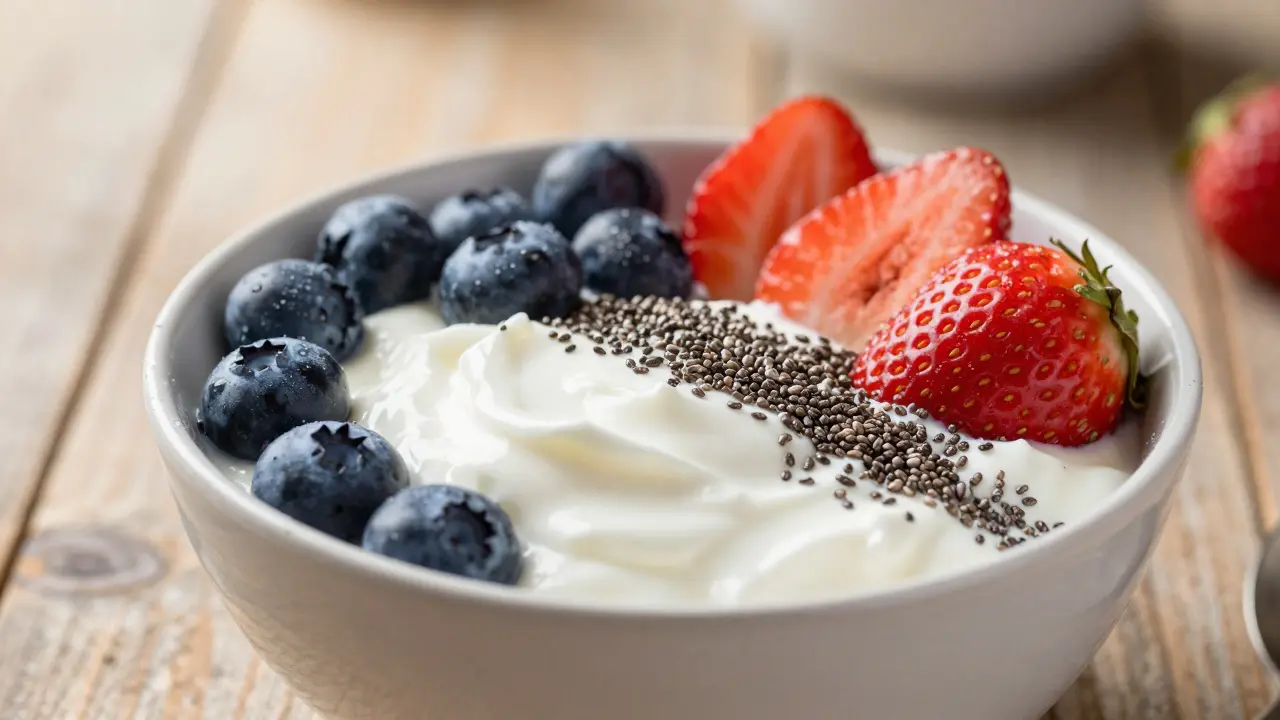
- Greek Yogurt with Berries and Chia Seeds: Greek yogurt offers double the protein of regular yogurt. Berries provide antioxidants and fiber with low sugar impact. Chia seeds add omega-3 fatty acids and more fiber. This combo keeps you full for hours and supports cognitive function.
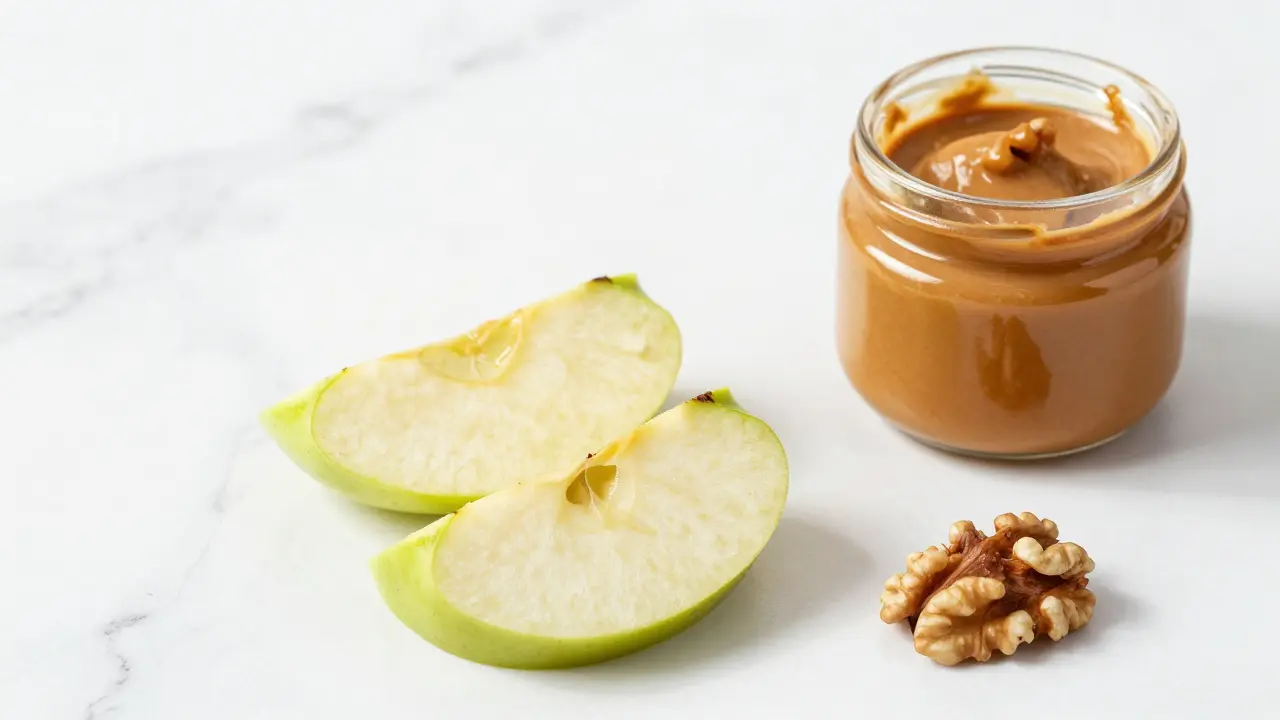
- Apple Slices with Almond Butter: Apples contain pectin, a type of soluble fiber that helps stabilize blood sugar. Almond butter adds monounsaturated fats and protein. It’s crunchy, sweet, and satisfying without the processed ingredients found in granola bars.
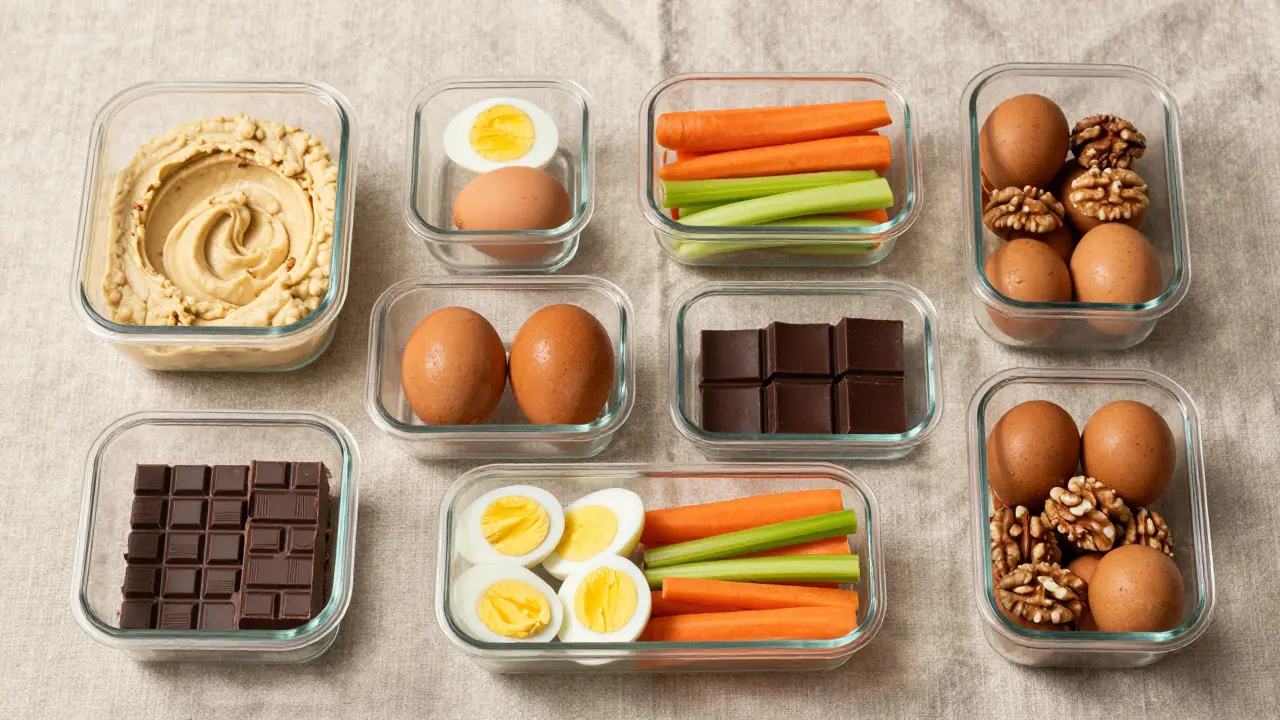
- Hummus with Veggie Sticks: Chickpeas (the base of hummus) are rich in complex carbs and protein. Pairing them with celery, carrots, or bell peppers adds volume and micronutrients. This snack is hydrating and nutrient-dense, perfect for mid-afternoon slumps.
- Hard-Boiled Eggs with Everything Bagel Seasoning: Eggs are nature’s multivitamin, containing choline which is vital for brain health. The seasoning adds flavor without sodium overload if used sparingly. Portable and shelf-stable for a short time, these are great for office environments.
- Dark Chocolate and Walnuts: Choose dark chocolate with at least 70% cocoa. It contains flavonoids that improve blood flow to the brain. Walnuts provide alpha-linolenic acid (ALA), a plant-based omega-3. This satisfies sweet cravings while boosting mental clarity.
Hydration: The Hidden Energy Factor
Sometimes, what feels like hunger is actually dehydration. Your body uses water to convert food into energy. Even mild dehydration can lead to fatigue, headaches, and poor concentration. Before you reach for a snack, drink a glass of water. Wait ten minutes. If you’re still hungry, then eat.
Incorporate water-rich foods into your snacks. Cucumbers, watermelon, and oranges have high water content. Herbal teas, particularly green tea, offer a gentle caffeine boost along with L-theanine, an amino acid that promotes calm alertness. Unlike coffee, which can cause jitters and crashes, green tea provides a smoother energy curve.
Timing Matters: When to Snack
When you eat is just as important as what you eat. For most people, two main meals plus one or two snacks work best. Aim to snack about 2-3 hours after a meal. This timing aligns with your body’s natural digestion cycle and prevents overeating at the next main meal.
Avoid snacking right before bed. Digestion slows down during sleep, and eating heavy or sugary foods late at night can disrupt sleep quality and raise blood sugar levels overnight. Poor sleep leads to lower energy the next day, creating a vicious cycle. Stick to light, easily digestible snacks if you must eat in the evening, such as a small portion of cottage cheese or a few almonds.
Common Pitfalls to Avoid
Even well-intentioned snacking can go wrong. Watch out for these common traps:
- Processed "Health" Foods: Many granola bars, protein shakes, and dried fruit packets are loaded with added sugars and artificial ingredients. Read the label. If sugar is in the top three ingredients, put it back.
- Portion Distortion: Nuts and seeds are healthy, but calorie-dense. Eating a whole cup of almonds can add hundreds of calories without providing proportional satiety. Stick to a small handful (about 1 ounce).
- Ignoring Hunger Cues: Don’t snack out of boredom or stress. Emotional eating rarely leads to sustained energy. Pause and ask yourself: Am I physically hungry? If not, try a walk, a stretch, or a glass of water instead.
Prepping for Success
The biggest barrier to healthy snacking is convenience. If the only option available is a vending machine cookie, you’ll likely choose it. Prep your snacks in advance. On Sunday, wash and cut vegetables, hard-boil a batch of eggs, and portion out nuts into small containers. Keep these ready-to-eat options visible in your fridge or desk drawer. Visual cues trigger behavior; seeing healthy options makes you more likely to choose them.
Invest in reusable containers. Glass jars for yogurt, bento boxes for mixed snacks, and insulated bags for transport make healthy eating portable and sustainable. Reducing friction is key to building lasting habits.
What is the best snack for sustained energy?
The best snack combines protein, fiber, and healthy fats. Examples include Greek yogurt with berries, apple slices with almond butter, or hummus with veggie sticks. These combinations prevent blood sugar spikes and provide steady fuel for several hours.
Why do I feel tired after eating a healthy snack?
If you feel tired after a "healthy" snack, it may be high in refined carbohydrates or sugar despite appearing wholesome. Check for hidden sugars in dried fruits or granola bars. Additionally, dehydration can mimic hunger; ensure you are drinking enough water.
How much should I snack per day?
Most adults benefit from 1-2 snacks per day, spaced 2-3 hours apart from main meals. Listen to your body’s hunger cues. If you are not hungry, skip the snack. Over-snacking can lead to weight gain and energy fluctuations.
Are protein bars good for sustained energy?
It depends on the brand. Many commercial protein bars are high in added sugars and artificial sweeteners, which can cause energy crashes. Look for bars with minimal ingredients, under 5g of added sugar, and at least 10g of protein. Whole food snacks are generally superior.
Can snacking help with weight loss?
Yes, if done correctly. Strategic snacking with protein and fiber can prevent overeating at main meals by keeping you satiated. However, mindless snacking or choosing high-calorie, low-nutrient foods will hinder weight loss efforts. Portion control is essential.