Stress isn’t just a bad feeling-it’s a physical burden. Your heart races, your muscles tighten, your sleep breaks down. And if it doesn’t stop, it starts eating away at your health. The good news? You don’t need to quit your job or move to a mountain to fix it. Real stress reduction happens in small, daily choices. Not fancy apps. Not expensive retreats. Just habits that actually work.
What Stress Really Does to Your Body
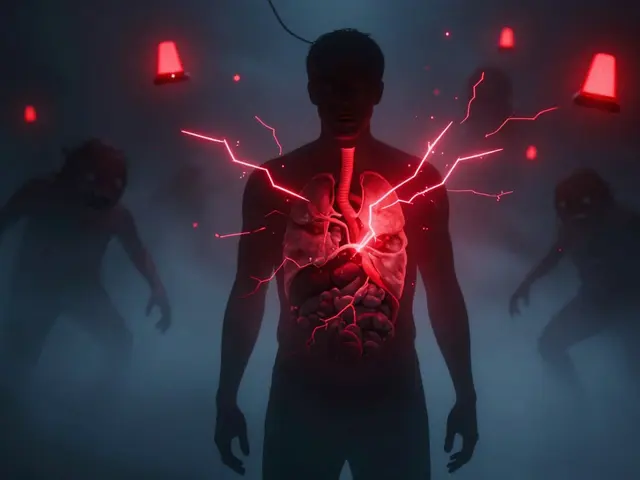
Most people think stress is all in your head. It’s not. When you’re stressed, your body releases cortisol and adrenaline. These aren’t bad chemicals-they’re survival tools. But when they’re always on, they start damaging you. Chronic stress raises blood pressure, weakens your immune system, and messes with digestion. It even changes how your brain stores memories. A 2024 study from the American Psychological Association found that adults with unmanaged stress were 43% more likely to develop heart disease within five years. That’s not a guess. That’s data.
And it’s not just physical. Stress shrinks your attention span. It makes you snap at people you love. It kills motivation. You start skipping workouts, eating junk, and scrolling instead of sleeping. It’s a cycle. And the longer it runs, the harder it is to break.
The 3 Pillars of Real Stress Reduction
There’s no magic bullet. But there are three things that work for almost everyone. They’re simple. They’re free. And you can start today.
- Breathe like your life depends on it - Not just a deep inhale. Try this: 4 seconds in, hold for 4, exhale for 6, pause for 2. Repeat five times. Do this before checking your phone in the morning. Do it when you feel tension rising. It doesn’t erase stress. But it resets your nervous system. That’s huge.
- Move without pressure - You don’t need to run a marathon. Walk for 20 minutes. Dance in your kitchen. Stretch while watching TV. Movement lowers cortisol. It also floods your brain with endorphins. The key? No goals. No steps. Just motion. Even standing up every hour helps.
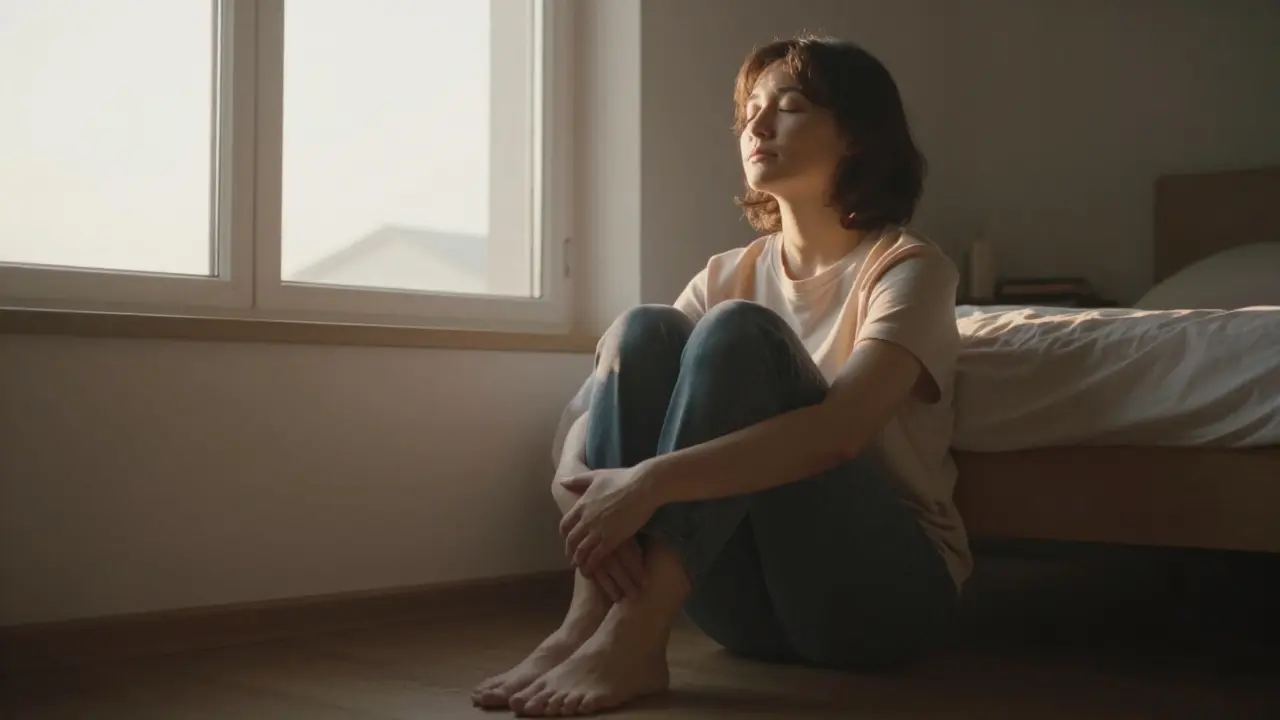
- Protect your quiet time - Your brain needs downtime. Not scrolling. Not listening to podcasts. Just silence. Try 10 minutes a day with no screens, no music, no talking. Sit by a window. Look out. Let your thoughts drift. This isn’t meditation. It’s rest. And your brain is begging for it.

What Doesn’t Work (And Why)
There’s a whole industry selling you stress relief. Candles. Weighted blankets. Crystal baths. Some of these feel nice. But they don’t fix the root problem. Here’s what you should stop doing:
- Waiting for "perfect" conditions - You think you’ll relax when you have more time, more money, or less work. That day never comes. Stress reduction starts now, with what you’ve got.
- Over-relying on apps - Guided meditations and breathing timers help. But if you’re using them to avoid feeling anything, they become another distraction. The goal isn’t to feel calm all the time. It’s to feel what you feel-and not let it control you.
- Self-medicating with caffeine, sugar, or alcohol - They give a quick fix. Then they make the crash worse. One study in 2025 showed that people who cut back on sugar and caffeine saw a 30% drop in daily anxiety symptoms within three weeks.
Your Daily Stress-Reduction Routine (Start Here)
You don’t need a full overhaul. Just pick one thing. Do it for a week. Then add another.
- Morning (5 minutes): Before you check your phone, take three slow breaths. Feel your feet on the floor. Notice how your body feels.
- Midday (10 minutes): Step outside. Even if it’s cloudy. Look at the sky. Let your shoulders drop. No phone. No talking.
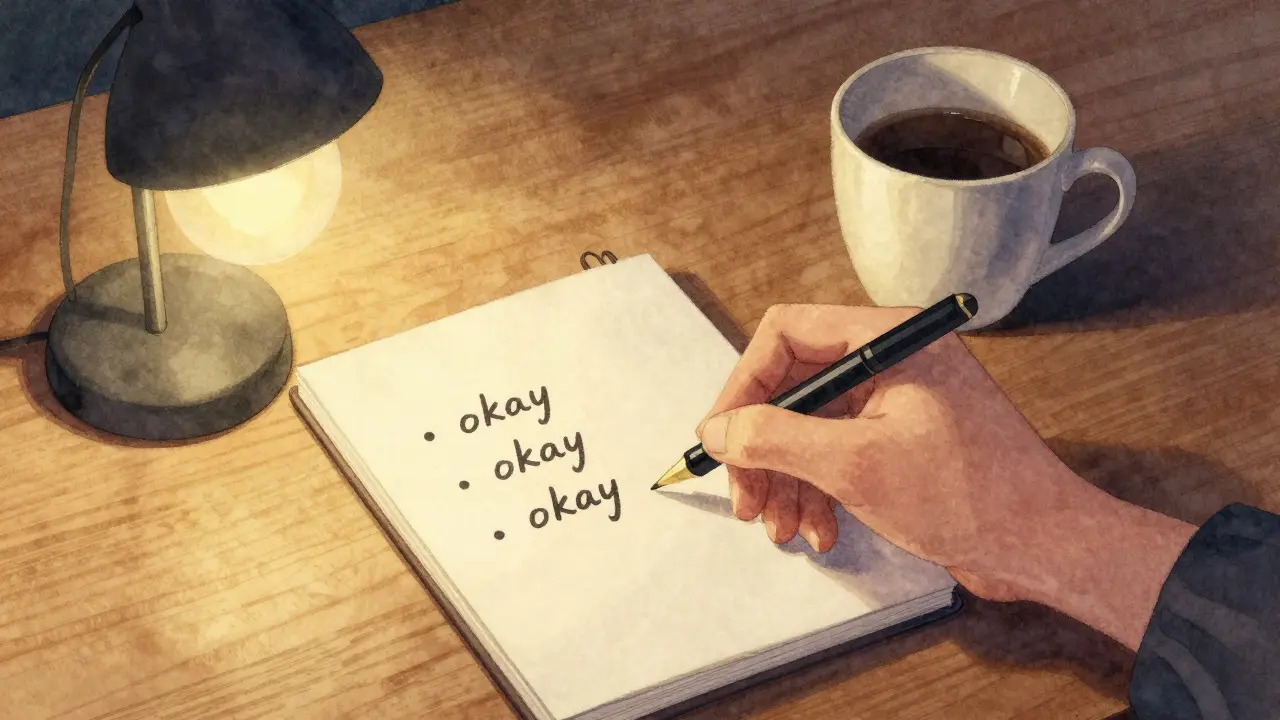
- Evening (15 minutes): Write down three things that went okay today. Not perfect. Just okay. This rewires your brain to notice the good.
That’s it. No app needed. No cost. Just consistency. After a few weeks, you’ll notice small shifts. You’ll sleep better. You’ll stop snapping. You’ll feel lighter. Not because you changed your life. Because you changed how you respond to it.
When Stress Feels Overwhelming
Some days, the weight is too heavy. You feel stuck. That’s normal. Here’s what to do:
- Call someone real - Not a text. A voice call. Say: "I’m having a rough day. Can I just talk?" Most people want to help. They just don’t know you’re struggling.
- Do one tiny thing - Wash one dish. Open a window. Put on clean socks. Small actions rebuild your sense of control.
- Let yourself rest - You don’t have to "fix" everything today. Rest isn’t failure. It’s repair.
And if you’re still stuck after trying this for a month? Talk to a therapist. Not because you’re broken. Because you’re human. And humans need support sometimes.
Long-Term Health Starts With Small Shifts
Stress reduction isn’t about becoming zen. It’s about becoming more yourself. Less reactive. More present. More in control of your reactions. The goal isn’t to never feel stressed. It’s to not let stress decide how you live.
Every time you choose to breathe instead of panic. Every time you walk instead of scroll. Every time you say no to something that drains you-you’re building a healthier life. Not in five years. Today.
Start small. Stay consistent. And remember: you don’t need to be perfect. You just need to show up.
Can stress reduction really improve physical health?
Yes. Chronic stress raises cortisol, which increases blood pressure, weakens immunity, and disrupts sleep. A 2024 study found that people who practiced daily stress-reduction techniques reduced their risk of heart disease by nearly half over five years. Lower stress also improves digestion, skin health, and energy levels.
How long does it take to see results from stress reduction?
Most people notice small changes in two weeks-better sleep, fewer headaches, less irritability. Deeper shifts, like lower blood pressure or improved focus, take 4-8 weeks of consistent practice. The key isn’t intensity. It’s regularity. Five minutes a day, every day, beats an hour once a week.
Is meditation necessary for stress reduction?
No. Meditation helps some people, but it’s not required. Breathing exercises, walking in nature, journaling, or even organizing a drawer can reduce stress. The goal is to create space between stimulus and reaction. That space can come from many quiet, simple activities-not just sitting cross-legged.
What if I don’t have time for stress reduction?
You don’t need time-you need attention. Stress reduction doesn’t require extra hours. It requires replacing one automatic habit with a conscious one. Instead of scrolling for 10 minutes, breathe for 10. Instead of grabbing coffee, step outside. These aren’t additions. They’re swaps. And they take less than five minutes.
Can diet affect stress levels?
Absolutely. High sugar and processed foods spike blood sugar, then crash it-leading to mood swings and anxiety. Omega-3s (found in fish, flaxseed, walnuts) reduce inflammation linked to stress. A 2025 study showed that people who ate more whole foods and fewer processed snacks reported 30% less daily stress. You don’t need a perfect diet. Just cut back on sugar and add more vegetables.