Most people think of the food pyramid as a rigid chart from their childhood health class. They remember the wide base of breads and cereals and the tiny tip of fats. But that model is outdated. Modern nutrition science has flipped the script. Today, the focus isn't just on calories; it's on density. It’s about getting the most nutrients for every bite you take.
We often treat snacks as an afterthought-a quick fix between meals or a guilty pleasure. This mindset leads to reaching for processed bars, sugary crackers, or vending machine chips. These options might fill your stomach, but they crash your energy levels and leave you hungry an hour later. What if we looked at snacking differently? What if we treated these small meals as opportunities to consume the "hidden gems" of our diet-the foods packed with vitamins, minerals, fiber, and healthy fats that we usually overlook?
Rethinking the Base: Fiber-Rich Foundations
The old pyramid told us to eat lots of grains. The new approach tells us to choose whole grains and legumes. These are not just filler; they are metabolic stabilizers. When you snack on refined carbs, your blood sugar spikes and then plummets. This rollercoaster makes you feel tired and crave more sugar. Whole grains and legumes release energy slowly, keeping you focused and satisfied.
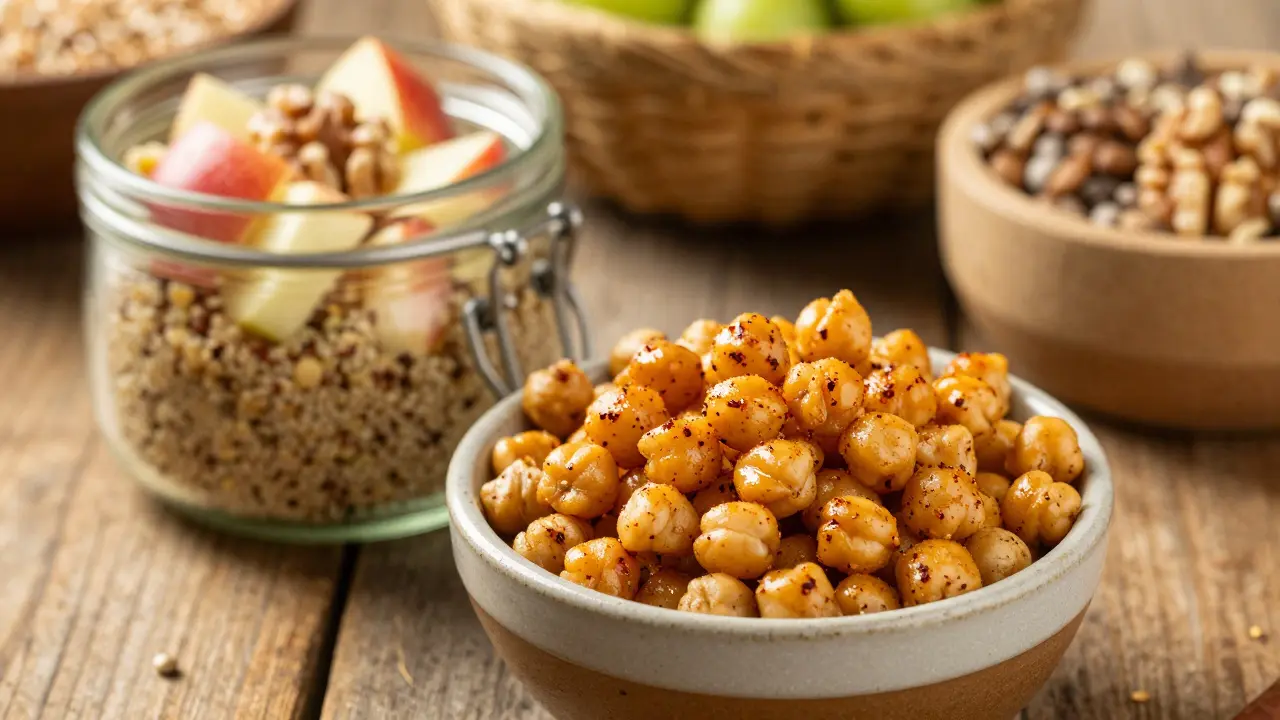
Consider roasted chickpeas. Instead of buying salty, oily potato chips, try roasting chickpeas with paprika and cumin. They provide a satisfying crunch but come with a massive dose of protein and fiber. A single serving can contain up to 6 grams of protein and 7 grams of fiber. This combination slows digestion and keeps insulin levels stable. You get the savory satisfaction without the mid-afternoon slump.
Another hidden gem is quinoa. Often used in main dishes, quinoa works beautifully as a snack base. Mix cooked quinoa with diced apples, walnuts, and a drizzle of honey. You get complex carbohydrates, heart-healthy omega-3 fatty acids, and natural sweetness. This isn’t just a snack; it’s a mini-meal that supports brain function and sustained energy.
The Unsung Heroes: Cruciferous Vegetables
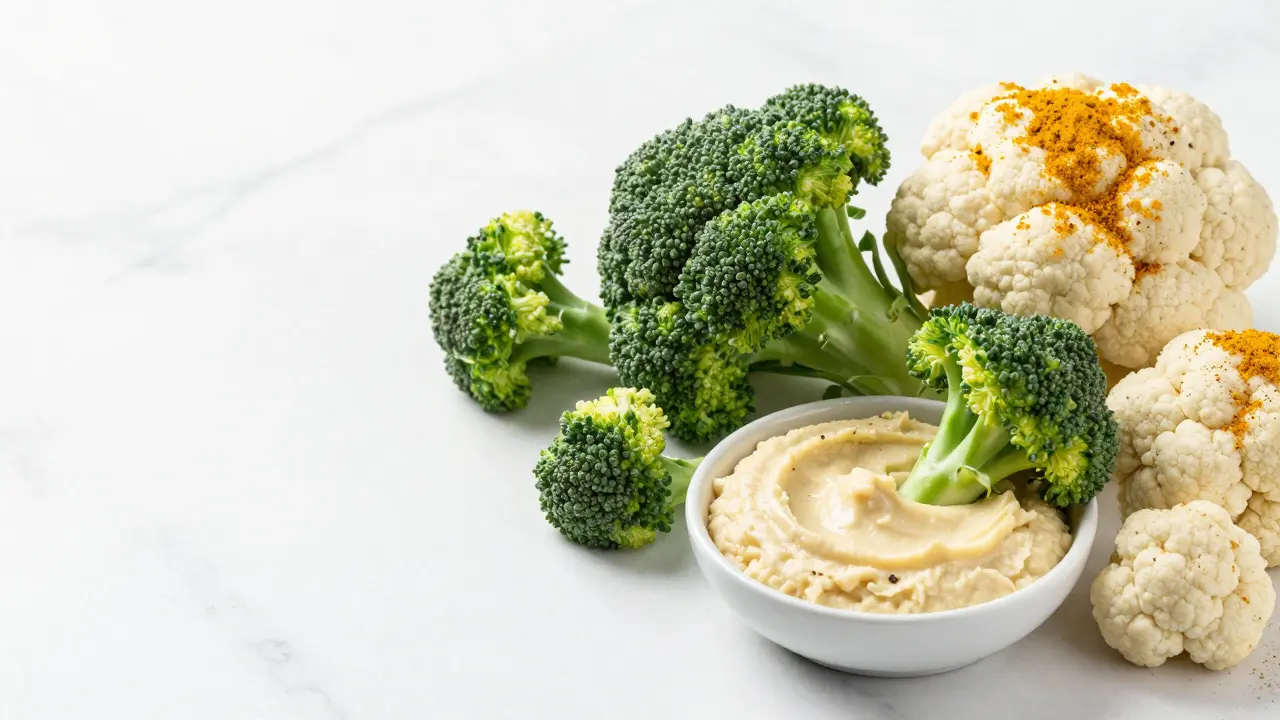
We tend to save vegetables for dinner sides. We rarely think of them as standalone snacks. Yet, cruciferous vegetables like broccoli, cauliflower, and Brussels sprouts are nutritional powerhouses. They contain sulforaphane, a compound linked to reduced inflammation and improved cellular health. Eating them raw or lightly steamed preserves these benefits.
Try broccoli florets with hummus. Most people associate hummus with pita bread, which adds extra refined carbs. Dipping broccoli directly into the dip gives you a low-carb, high-fiber option. The fiber in broccoli aids digestion, while the healthy fats in the tahini-based hummus help your body absorb fat-soluble vitamins like Vitamin K. It’s a simple swap that dramatically increases the nutrient profile of your snack.
Cauliflower rice is another versatile option. You can sauté it with turmeric and black pepper for an anti-inflammatory boost. Turmeric contains curcumin, which has potent antioxidant properties. Black pepper enhances the absorption of curcumin by up to 2000%. This specific pairing turns a plain vegetable into a functional food that actively supports your immune system.
Fat Is Your Friend: Healthy Lipids
Fear of fat led many to avoid nuts, seeds, and avocados for decades. Science now confirms that healthy fats are essential for hormone production, brain health, and satiety. Skipping fats often leads to overeating later because you never felt truly full. Incorporating lipid-rich snacks helps regulate hunger hormones like ghrelin.
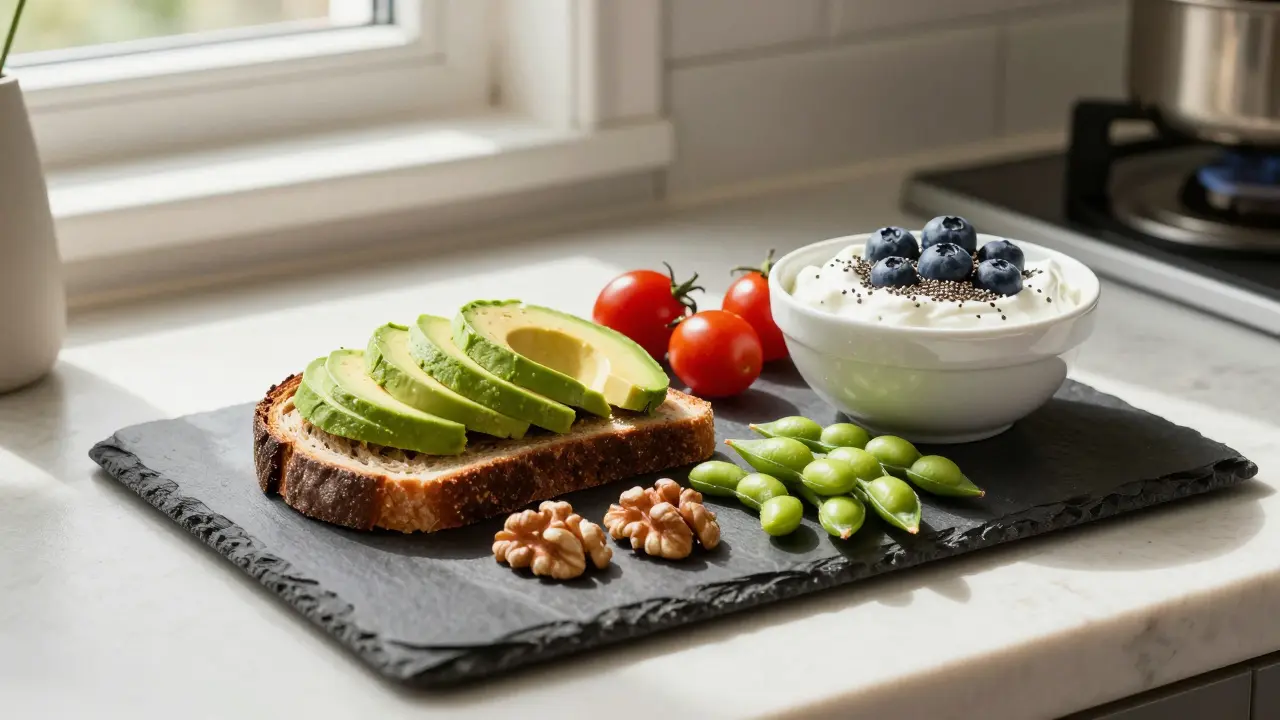
Avocado is the king of healthy fats. It contains monounsaturated fats that support heart health. Slice half an avocado onto whole-grain toast or eat it with cherry tomatoes. The potassium in avocados also helps manage blood pressure. Unlike butter or cream cheese, avocado provides fiber alongside its fats, making it a superior choice for cardiovascular health.
Nuts and seeds are portable power packs. Walnuts are particularly beneficial due to their high ALA (alpha-linolenic acid) content, a plant-based omega-3 fatty acid. Studies suggest that regular walnut consumption can improve cognitive function and reduce markers of inflammation. A small handful-about 1 ounce-provides roughly 4 grams of protein and 2 grams of fiber. Pairing them with berries creates a snack rich in antioxidants that combat oxidative stress.
Protein Power: Beyond Meat
Protein is crucial for muscle repair and immune function, but it doesn’t have to come from meat. Plant-based proteins are often overlooked in snacking contexts. Edamame, for instance, is a complete protein, meaning it contains all nine essential amino acids. Sprinkle sea salt on steamed edamame pods for a satisfying, low-calorie snack. One cup provides about 17 grams of protein and 8 grams of fiber.
Greek yogurt is another excellent source. Opt for plain, unsweetened varieties to avoid added sugars. Top it with chia seeds and blueberries. Chia seeds expand in liquid, creating a gel-like texture that promotes fullness. They are also rich in magnesium, a mineral many people are deficient in. Magnesium plays a role in over 300 enzymatic reactions in the body, including energy production and nerve function.
The Fruit Factor: Low-Glycemic Options
Fruits are healthy, but some cause rapid blood sugar spikes. Choosing low-glycemic fruits ensures a steadier energy release. Berries, such as strawberries, raspberries, and blackberries, are top choices. They are lower in sugar and higher in fiber compared to bananas or grapes. Raspberries, for example, contain only 5 grams of sugar per cup but offer 8 grams of fiber.
Kiwi is another underrated fruit. It is rich in Vitamin C and vitamin E, both powerful antioxidants. Vitamin C supports collagen production and skin health, while Vitamin E protects cells from damage. Eating a kiwi with a few almonds combines the vitamin benefits with healthy fats, slowing down sugar absorption and enhancing nutrient uptake.
Building Your Snack Strategy
To make these hidden gems part of your routine, preparation is key. Keep pre-cut vegetables in the fridge. Roast a batch of chickpeas at the start of the week. Portion out nuts to prevent overeating. By removing the friction of preparation, you make healthy choices the easy choices.
| Common Snack | Hidden Gem Alternative | Key Nutrient Benefit | Satiety Level |
|---|---|---|---|
| Potato Chips | Roasted Chickpeas | High Protein & Fiber | High |
| Sugar Cookies | Berries with Greek Yogurt | Antioxidants & Probiotics | Medium-High |
| White Bread Sandwich | Whole Grain Toast with Avocado | Healthy Fats & Potassium | High |
| Candy Bar | Dark Chocolate & Walnuts | Omega-3s & Flavonoids | Medium |
| Vegetable Juice Drink | Raw Broccoli & Hummus | Sulforaphane & Fiber | Very High |
Remember, perfection isn't the goal. Consistency is. Start by swapping one unhealthy snack per day with a nutrient-dense alternative. Over time, these small changes add up to significant improvements in your energy levels, mental clarity, and long-term health. The food pyramid isn't just a guide for meals; it's a roadmap for every bite you take.
What are the best snacks for sustained energy?
Snacks that combine complex carbohydrates, protein, and healthy fats provide the most sustained energy. Examples include apple slices with almond butter, roasted chickpeas, or Greek yogurt with berries. These combinations prevent blood sugar spikes and crashes, keeping you energized for hours.
Why are cruciferous vegetables considered hidden gems?
Cruciferous vegetables like broccoli and cauliflower contain sulforaphane, a compound with anti-inflammatory and cancer-fighting properties. They are also high in fiber and vitamins but are often underutilized as snacks due to preparation misconceptions.
How much protein should I aim for in a snack?
Aim for 10-20 grams of protein per snack to promote satiety and muscle maintenance. Sources like edamame, Greek yogurt, and nuts can easily meet this target without adding excessive calories.
Are all fruits equally good for snacking?
While all fruits are healthy, those with a lower glycemic index, such as berries and kiwi, are better for maintaining stable blood sugar levels. Higher-sugar fruits like bananas and grapes are still nutritious but may cause quicker energy spikes if eaten alone.
Can I snack on nuts every day?
Yes, nuts are excellent daily snacks due to their healthy fats, protein, and micronutrients. However, portion control is important as they are calorie-dense. A small handful (about 1 ounce) is sufficient to reap benefits without overconsuming calories.