Progressive Muscle Relaxation: How It Calms Your Body and Mind
When you’re stressed, your body doesn’t just feel it emotionally—it holds onto it physically. Progressive muscle relaxation, a technique that involves tensing and then releasing specific muscle groups to reduce physical tension and calm the nervous system. Also known as PMR, it’s one of the most direct ways to break the cycle of stress-induced tightness in your shoulders, jaw, and back. You don’t need special equipment, a quiet room, or even five minutes of uninterrupted time. Just your body and a little awareness.
This method works because your muscles and mind are wired together. When anxiety spikes, your muscles tighten automatically—your shoulders creep up, your fists clench, your forehead wrinkles. Over time, that constant tension drains your energy and makes it harder to sleep, focus, or feel calm. Stress reduction, the outcome of releasing built-up physical tension through intentional relaxation isn’t just about feeling better in the moment. It rewires how your body responds to pressure. Studies show that people who practice PMR regularly report fewer headaches, lower blood pressure, and better sleep. It’s not magic. It’s biology.
It’s also closely linked to anxiety relief, the process of calming the nervous system by interrupting the fight-or-flight response with physical cues. When you tense a muscle group for five seconds and then let go, you’re giving your brain a clear signal: you’re safe. That signal overrides the noise of worry. And because you’re paying attention to your body—really feeling the difference between tight and loose—you start noticing tension earlier, before it becomes pain or panic.
What makes PMR different from other relaxation methods is how concrete it is. You’re not just trying to "think calm." You’re doing something physical, step by step. You start with your feet, then move up: calves, thighs, buttocks, abdomen, chest, arms, hands, neck, face. Each group gets a slow squeeze, a held breath, then a slow release. You feel the warmth, the heaviness, the quiet. It’s not about perfection. It’s about noticing.
You’ll find that many of the posts here tie into this idea. Whether it’s how gut health affects your mood, how meditation helps regulate emotions, or how biofeedback teaches you to read your body’s signals—these all connect to the same truth: your body holds your stress, and you can learn to release it. PMR is one of the most practical tools for that. No apps needed. No subscriptions. Just your breath and your muscles.
If you’ve ever woken up with a headache you can’t explain, or felt your jaw clench during a meeting, or noticed you’re always tired even after sleeping—you’re already familiar with the problem PMR solves. The good news? You don’t need to be an expert to start. You just need to try it once. And after that, you’ll wonder why you waited so long.
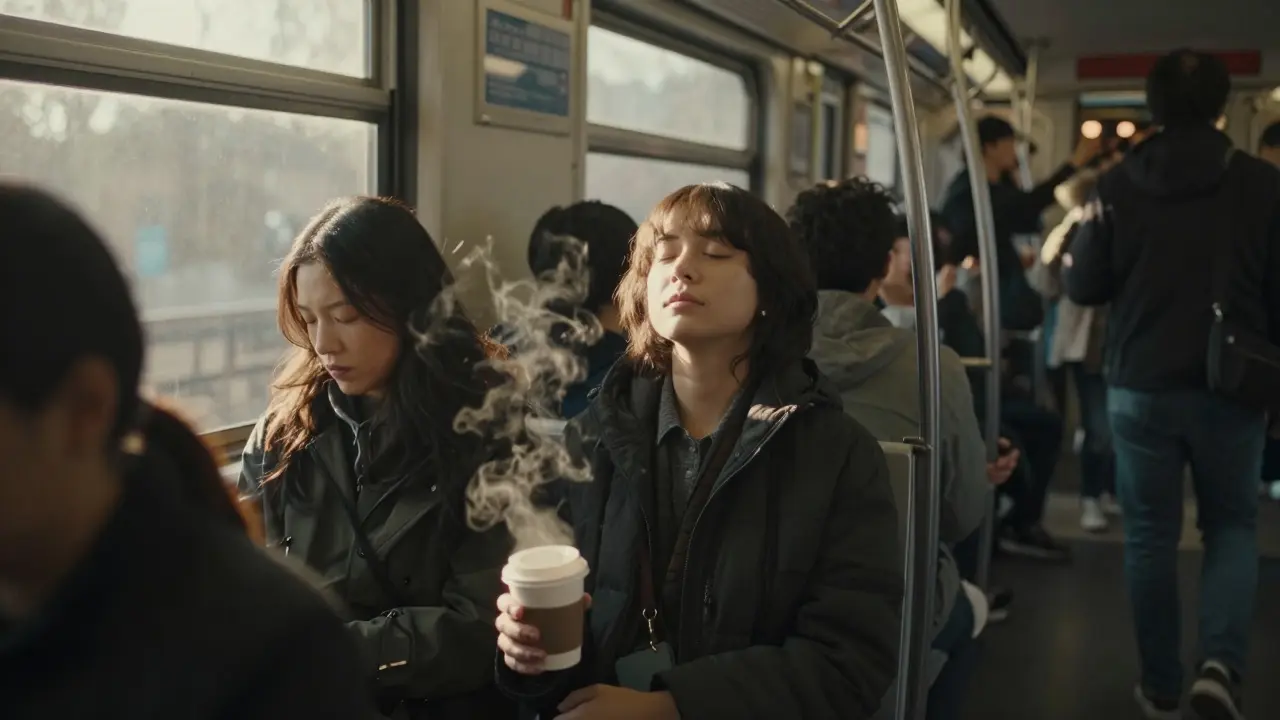
Unlock a Stress-Free Life with These Proven Relaxation Techniques
Discover simple, science-backed relaxation techniques you can use anytime to reduce stress, calm your nervous system, and reclaim your peace - no special equipment or hours of meditation required.
Read More
Your Guide to the Best Relaxation Techniques for Daily Stress Relief
Discover science-backed relaxation techniques that actually work - from deep breathing to progressive muscle relaxation - to reduce daily stress without needing apps, retreats, or hours of meditation.
Read More