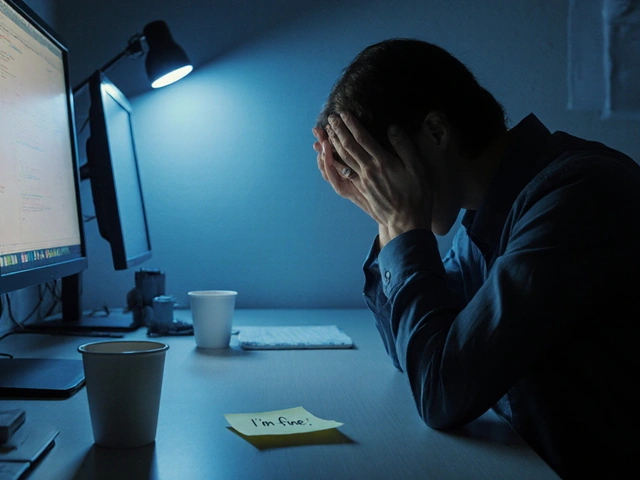
Life moves fast. Bills pile up. Emails never stop. Your phone buzzes at 11 p.m. again. You feel like you’re running on empty, but you don’t know how to hit pause. What if the answer isn’t more productivity, but more relaxation? Not the kind you get on a beach vacation - the kind you can build into your daily routine, even if you only have five minutes.
Relaxation isn’t about avoiding stress. It’s about rewiring how your body responds to it. When you’re constantly tense, your nervous system stays stuck in fight-or-flight mode. That means high cortisol, poor sleep, brain fog, and a body that feels like it’s always bracing for impact. The good news? You can train your body to switch gears - and it doesn’t require apps, candles, or a spa membership.
Deep Breathing: Your Instant Reset Button
Your breath is the only part of your nervous system you can control on purpose. That’s why deep breathing works so fast. Try this: inhale through your nose for four counts, hold for four, exhale through your mouth for six. Repeat five times. That’s it. No special posture. No music. Just you and your lungs.
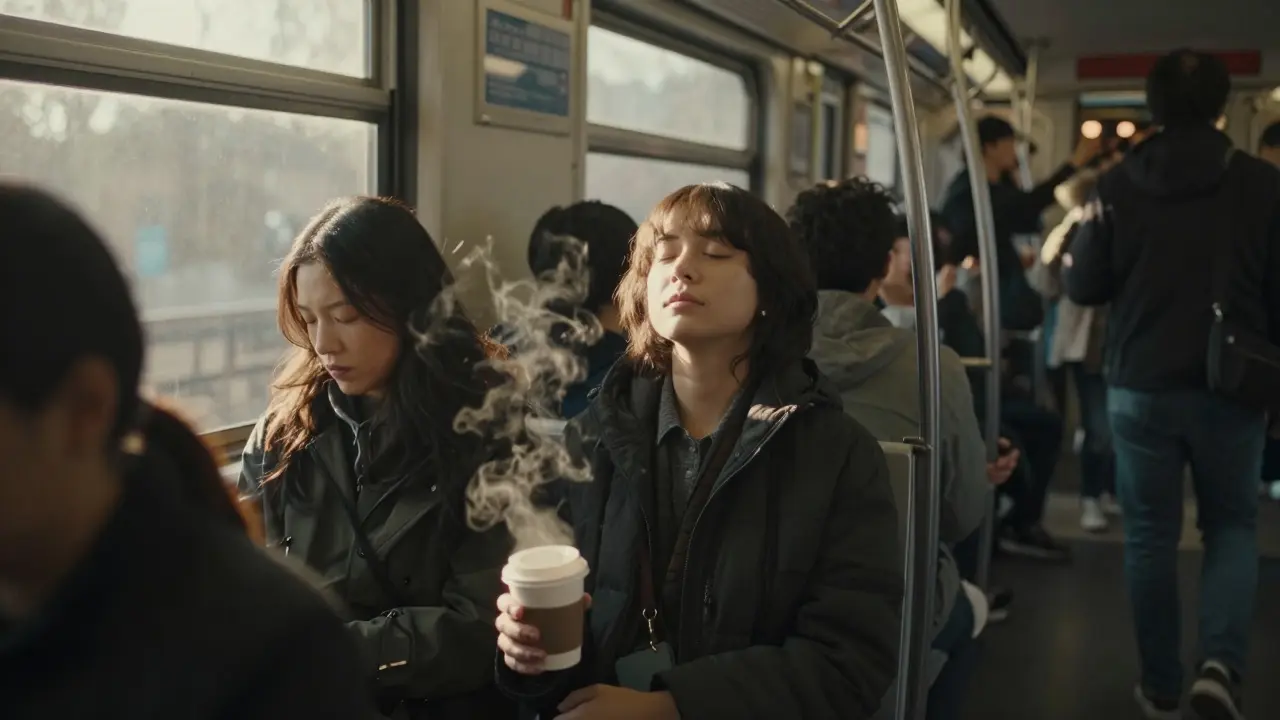
Why does this work? Slow exhalations activate the vagus nerve, which tells your brain: "We’re safe now." A 2023 study from the University of California found that just two minutes of this technique lowered heart rate and reduced cortisol levels by 22% in stressed adults. You can do this while waiting for your coffee, sitting in traffic, or before a meeting. It’s not magic. It’s biology.
Progressive Muscle Relaxation: Tension Is a Habit
Most people don’t realize how much tension they carry. Your shoulders? Tight. Your jaw? Clenched. Your hands? Fisted without you even noticing. Progressive muscle relaxation (PMR) helps you notice - and release - that hidden strain.
Here’s how: Start at your toes. Tense them as hard as you can for five seconds. Then let go. Feel the difference. Move up: feet, calves, thighs, glutes, stomach, chest, arms, hands, shoulders, neck, face. Do each group one at a time. You’ll feel waves of warmth and heaviness as tension melts away.
This isn’t yoga. It’s not about flexibility. It’s about awareness. A 2024 meta-analysis of 12 clinical trials showed that people who practiced PMR daily for four weeks reported 40% fewer headaches and significantly improved sleep quality. You can do this lying in bed before sleep. Or on the bathroom floor during your lunch break. The key? Do it consistently - not perfectly.
Body Scan Meditation: Tuning Into Your Skin
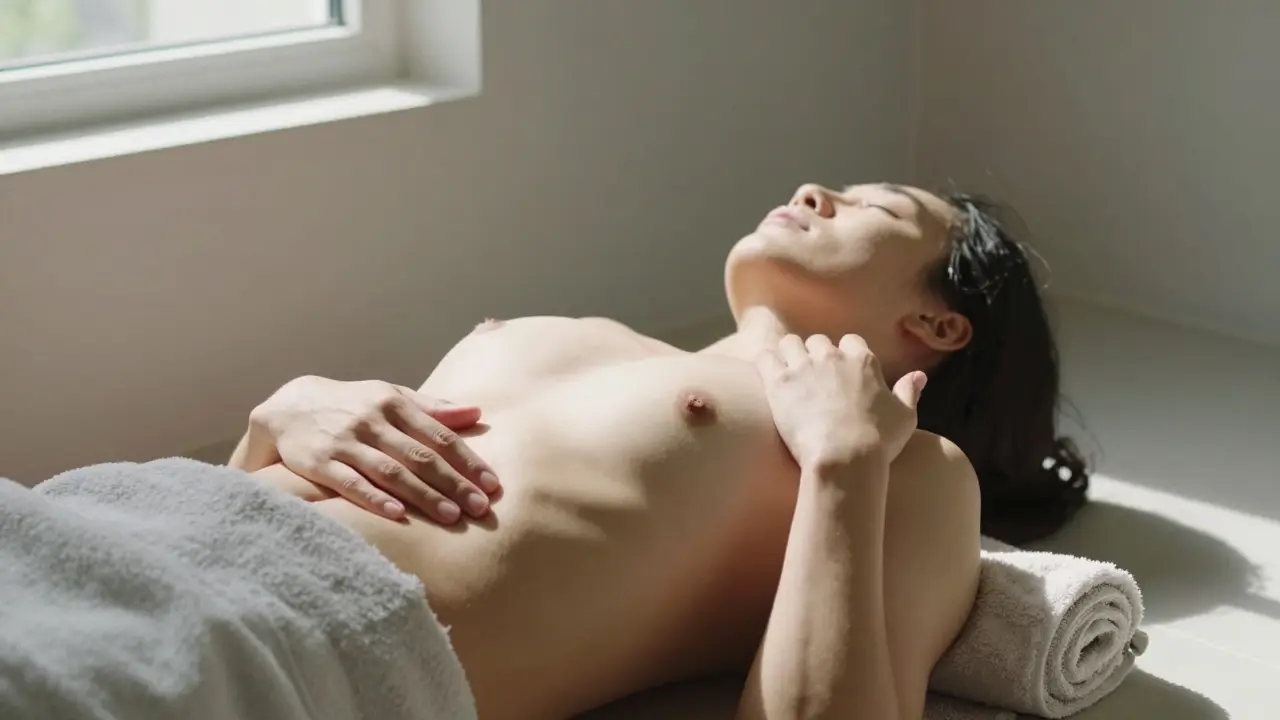
Most meditation guides tell you to "clear your mind." That’s impossible. Instead, try body scan meditation. Lie down. Close your eyes. Slowly bring your attention to each part of your body - from the top of your head to the tips of your toes. Don’t judge. Don’t fix. Just notice.
Maybe your left knee feels cold. Maybe your right shoulder aches. Maybe your stomach is warm. That’s all okay. The goal isn’t to feel relaxed - it’s to feel what’s already there. When your mind wanders (and it will), gently bring it back. No frustration. No pressure.
Research from Johns Hopkins found that eight weeks of daily body scan practice reduced anxiety symptoms as effectively as antidepressant medication - without the side effects. You don’t need to sit cross-legged for an hour. Even ten minutes, three times a week, makes a difference. Try it before bed. You might fall asleep faster.
Guided Imagery: Your Brain on Vacation
Your brain can’t tell the difference between a vivid imagination and reality. That’s why guided imagery works. Close your eyes. Picture a place that makes you feel calm. Maybe it’s a quiet forest. A beach at sunrise. A cozy cabin with a fireplace. Engage all five senses.
What do you hear? Birds? Waves? Crackling wood? What do you smell? Pine needles? Salt air? Burning cedar? What does the air feel like on your skin? The more detail, the better. Spend three minutes here. Let your body match your mind.
A 2025 study from the Mayo Clinic showed that hospital patients using guided imagery before surgery needed 30% less pain medication. You don’t need a recording. Just close your eyes and build the scene in your head. It’s free. It’s private. And it works even if you think you’re "not good at visualization." Your brain doesn’t care - it just needs a safe place to rest.
Box Breathing: The Navy SEAL Trick
You’ve probably heard of box breathing. It’s used by Navy SEALs, firefighters, and elite athletes to stay calm under pressure. The pattern is simple: inhale for four, hold for four, exhale for four, hold for four. Repeat. It’s called "box" because the pattern forms a square in your mind.
Why does this help? It slows your breathing rate to about 6 breaths per minute - the sweet spot for calming the nervous system. A 2023 trial at Harvard Medical School found that people using box breathing for five minutes before a high-stress task performed 27% better and reported 35% less anxiety.
Try it before a tough conversation. After a bad email. When you’re stuck in a long line. You don’t need to close your eyes. Just breathe. Your body will thank you.

Why Most People Fail at Relaxation
You’ve tried meditation. You downloaded the app. You bought the essential oils. But you stopped after a week. Why? Because you treated relaxation like another task on your to-do list.
Relaxation doesn’t work if you’re trying to "get it right." It’s not a performance. It’s a practice. You don’t need to sit still for 20 minutes. You don’t need silence. You don’t need to feel zen.
Real progress happens when you stop chasing calm and start noticing tension. The moment you catch yourself clenching your jaw? That’s your cue. Breathe. Let go. Do it again tomorrow. And the next day. That’s how change builds - not in grand gestures, but in small, repeated acts.
Start Small. Stay Consistent.
You don’t need to do all of these techniques. Pick one. Try it for five minutes a day for a week. Just one. Maybe it’s deep breathing while you wait for your kettle to boil. Or tensing and releasing your shoulders before you check your phone.
After seven days, ask yourself: Did I feel a little lighter? A little quieter inside? If yes, stick with it. If not, try another. There’s no ranking. No perfect method. Only what works for you.
Stress isn’t going away. But your reaction to it? That’s yours to change. You don’t need more time. You need a new way to use the time you already have.
How long until I notice results from relaxation techniques?
Most people notice a difference within 3-7 days of daily practice, even if it’s just five minutes. You might sleep better, feel less irritable, or notice your shoulders relaxing without trying. Physical changes like lower heart rate or reduced muscle tension show up faster than emotional shifts. But lasting change - the kind that rewires your stress response - takes consistent practice over 4-6 weeks.
Can I use these techniques if I have anxiety or depression?
Yes. Techniques like deep breathing, progressive muscle relaxation, and body scan meditation are recommended by the American Psychological Association as complementary tools for managing anxiety and mild to moderate depression. They don’t replace therapy or medication, but they help regulate your nervous system, making other treatments more effective. If you’re in crisis, always seek professional support - but these tools can give you immediate relief while you wait.
Do I need to meditate to relax?
No. Meditation is one tool, not the only one. You can relax just as effectively by tensing and releasing muscles, breathing slowly, or picturing a calm place. Many people find traditional meditation frustrating because they think they’re "failing" when thoughts pop in. That’s normal. Relaxation techniques like box breathing or guided imagery are often easier to stick with because they’re more focused and less abstract.
What’s the best time of day to practice relaxation?
There’s no single best time - only the time you’ll actually do. Morning can set a calm tone for the day. Evening can help you unwind before sleep. But if you’re stressed during your commute or before a meeting, that’s the perfect moment to pause and breathe. The goal isn’t to find the ideal time - it’s to build the habit wherever stress shows up.
Are these techniques backed by science?
Yes. Every technique mentioned here - deep breathing, progressive muscle relaxation, body scan, guided imagery, and box breathing - has been studied in peer-reviewed journals. Research from institutions like Johns Hopkins, Harvard, and the Mayo Clinic shows measurable improvements in cortisol levels, heart rate variability, sleep quality, and anxiety symptoms. These aren’t trends - they’re evidence-based tools used in hospitals, schools, and corporate wellness programs.