The Hidden Connection Between Touch and Transformation
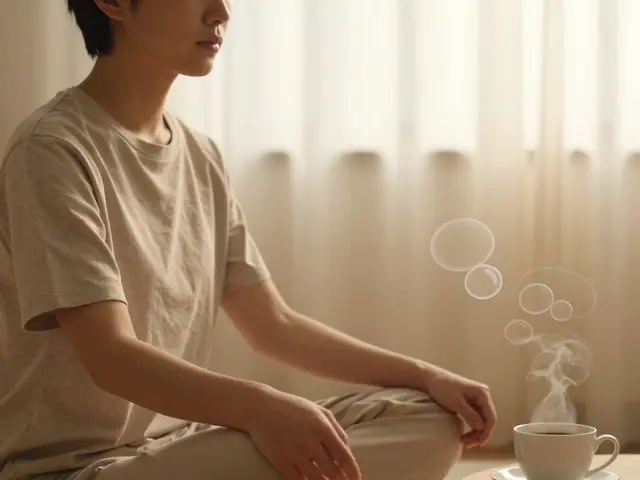
You just finished a long run, and your legs feel like concrete blocks. Or maybe you spent eight hours hunched over a keyboard, and your neck screams for relief. Most people think about pain when they imagine needing help. But Sports Massage is a specialized form of bodywork designed to enhance athletic performance and prevent injury through targeted manipulation of soft tissue. It goes deeper than a relaxing weekend spa day. It focuses on the mechanical function of the body while acknowledging the mental toll that physical stress creates.
This isn't just about fixing a knot in your shoulder. It is about resetting how you move and how you feel. When you treat your muscles with the right pressure, you aren't just releasing tension; you are sending signals to your brain that it is safe to relax. That shift happens faster when you understand exactly what is happening under the table.
Defining Sports Massage Versus Traditional Massage
People often confuse deep tissue work with relaxation massage. They serve different jobs. A traditional Swedish massage aims for overall calmness using light to medium strokes. In contrast, sports massage targets specific muscle groups related to movement patterns.
| Feature | Sports Massage | Relaxation Massage |
|---|---|---|
| Primary Goal | Performance & Recovery | Mind Calm & Stress Relief |
| Pressure Level | Deep, Targeted | Gentle to Medium |
| Focus Area | Problem Zones & Kinesiology | Full Body |
| Timing | Pre/Post Event or Maintenance | On-Demand for Stress |
This distinction matters because walking into a clinic expecting a Swedish rub when you have chronic sciatica won't fix the issue. You need someone who understands the biomechanics of your gait or swing. The therapist applies friction directly over scar tissue or adhesions that limit your range of motion. They work the muscle fibers lengthwise to encourage healing rather than just spreading oil over the skin.
How Physical Changes Happen Under Pressure
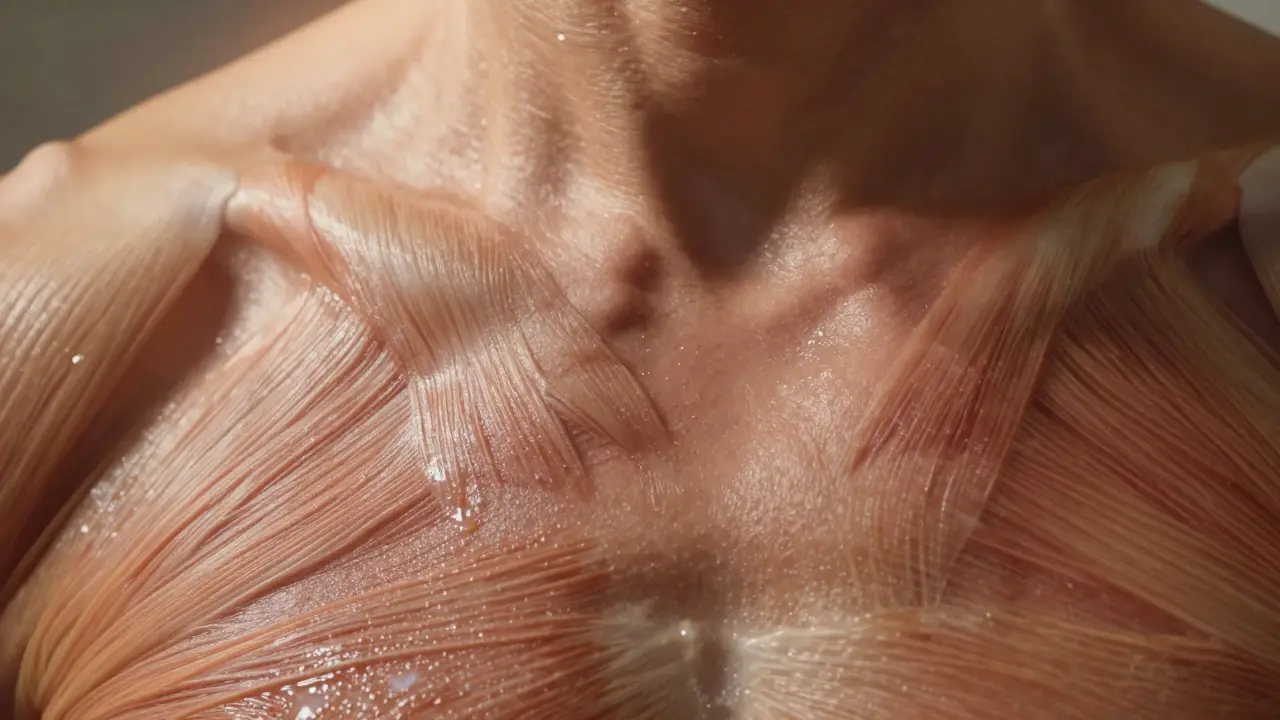
When a therapist kneads your gastrocnemius calf muscle, something complex occurs below the surface. Blood flow increases to that specific area, bringing oxygen and nutrients that were previously blocked by tight fascia. This process helps flush out metabolic waste products that accumulate during intense activity.
Many believe massage removes lactic acid instantly. While research shows blood flow does increase, relying solely on massage to "clean" lactate is a bit of a myth. The real win lies in improving tissue pliability. Imagine a wet sponge that has dried out and stiffened. Massage rehydrates the connective tissues (fascia), making them flexible again. This reduces the risk of tears when you sprint or lift heavy weights later.
Soft tissue manipulation also affects lymphatic drainage. The lymphatic system relies on movement because it lacks a pump like the heart. Manual pressure moves lymph fluid toward lymph nodes, helping reduce swelling after an injury. If you have sustained a mild ankle sprain, gentle effleurage strokes can speed up the return to normal size significantly.

The Mental Shift: More Than Just Muscles
It is easy to get caught up in the physical mechanics and forget the mind-body connection. Your central nervous system constantly monitors your body for threats. Chronic tension tells your brain you are under constant attack. By applying controlled pressure, sports massage overrides these alarm signals.
This triggers the parasympathetic nervous system. Think of it as switching from "fight or flight" mode to "rest and digest." Heart rate slows, breathing deepens, and cortisol levels drop. You leave the session not just physically looser, but mentally clearer. This is crucial for athletes dealing with pre-game anxiety or professionals managing burnout.
A study published in the Journal of Alternative and Complementary Medicine noted significant reductions in perceived stress scores among participants receiving regular massage therapy. For runners, this mental reset can break the cycle of overtraining syndrome, where physical fatigue turns into mental dread about working out.
Techniques Used in Sports Massage
A skilled practitioner has a toolbox of specific methods tailored to your needs. Understanding these helps you communicate better during sessions.
- Effleurage: Long, gliding strokes used to warm up muscles and spread lubricant before deeper work begins.
- Petrissage: Kneading and lifting movements that squeeze muscle tissue to release adhesions.
- Franction: Cross-fiber rubbing applied over specific trigger points to break down scar tissue buildup.
- Tapotement: Percussive rhythmic tapping used to stimulate circulation and wake up muscles before a game.
Different times call for different tools. Before an event, tapotement wakes up the nerves. After a marathon, petrissage helps soothe the pounding. Ignoring timing means getting the wrong treatment. You wouldn't want vigorous friction therapy right before a competition; it could irritate fresh tissue.
Who Actually Needs This Treatment?
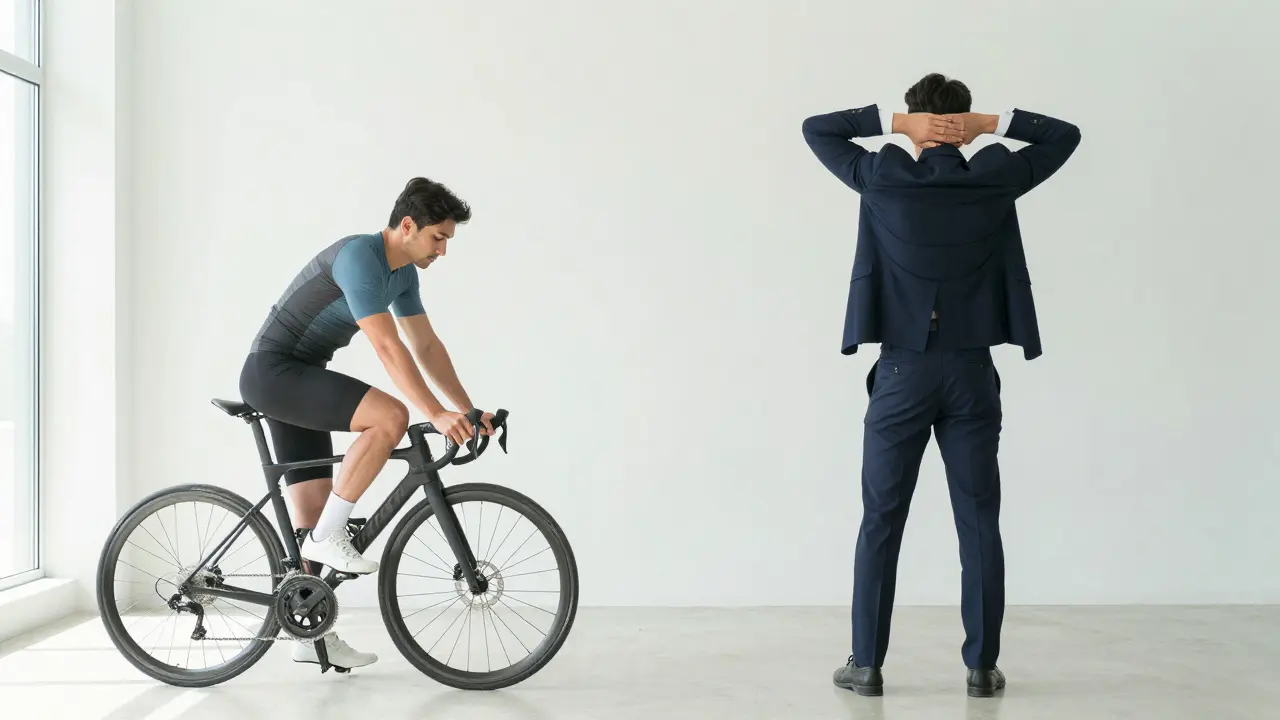
You don't need to be a professional Olympian to benefit. Anyone engaging in repetitive motion needs attention. Office workers typing all day suffer from similar strain as golfers swinging a club. The repetitive nature creates imbalances regardless of intensity.
Common candidates include:
- Marathon runners experiencing plantar fasciitis.
- Cyclists with hip flexor tightness from being seated for hours.
- Tennis players dealing with shoulder impingement.
- Desk workers with upper trapezius knots.
If you ignore warning signs like persistent stiffness or slight numbness, small issues become major injuries. Regular maintenance acts like car servicing. Changing the oil prevents the engine from seizing. Treat your body similarly.
Finding the Right Practitioner
Not all massage therapists specialize in athletics. Look for certifications from recognized bodies like the National Certification Board for Therapeutic Massage and Bodywork (NCBTMB) or specialized sports credentials. Ask potential therapists about their experience with your specific activity.
During your first consultation, describe your goals clearly. If you say "I want to recover from my leg," they might just massage your quads. If you say "My knee hurts when I decelerate," a trained pro investigates your hamstrings or IT band immediately. Specificity gets results. Verify insurance acceptance too, as some plans cover therapeutic bodywork for documented conditions.
Integration into Your Routine
To truly transform your condition, consistency beats intensity. One deep session every six months helps little compared to monthly maintenance. Plan around your competition schedule or training blocks.
Combine massage with other recovery strategies. Foam rolling prepares the ground, stretching maintains the gains, and sleep solidifies the healing. Do not treat massage as a cure-all replacement for rest. If you push through injury despite good hands-on care, you will eventually stop moving entirely.
Questions People Often Ask
Does sports massage hurt?
It can feel intense, but it should not cause unbearable pain. You should communicate with your therapist if pressure becomes too much. Pain that makes you tense up actually counteracts the relaxation response. Discomfort is common when releasing deep knots, but sharp shooting pain indicates you should stop immediately.
How often should I get a sports massage?
For competitive athletes, weekly or bi-weekly sessions maintain peak function. Recreational exercisers benefit greatly from once a month. If recovering from a specific injury, frequency might increase to two or three times a week initially until acute symptoms subside.
Can sports massage help with back pain?
Yes, many cases of chronic lower back pain stem from tight hip flexors or glutes pulling on the pelvis. Correcting muscle imbalance through massage takes tension off the lumbar spine. Combine this with posture correction for long-term relief.
Is it safe to get massaged right after an injury?
Generally, you should wait until the acute inflammation stage passes (usually 48-72 hours). Aggressive manipulation during acute swelling can damage fragile new tissue. Consult a physician before scheduling if you have recent trauma, fractures, or severe bruising.
Will I feel sore afterwards?
Mild soreness is normal for 24 hours as muscles adjust to new positioning. Drink plenty of water to help flush out toxins released during the session. Applying heat rather than ice helps promote further blood flow to soothe residual achiness.