
You don't need a fancy gym membership or a high-tech wearable to change your biology. Most of us view walking as just a way to get from point A to point B, or maybe a chore to hit a 10,000-step goal. But what happens inside your body when you actually make it a daily ritual? It turns out that walking benefits is a phrase that barely scratches the surface of how this simple movement rewires your brain and protects your heart. It is the most underrated tool we have for long-term survival.
Quick Wins for Your Daily Walk
- Heart Protection: Lowers blood pressure and reduces stroke risk.
- Brain Boost: Sparks creativity and clears mental fog.
- Metabolic Reset: Stabilizes blood sugar after meals.
- Joint Longevity: Lubricates cartilage without the wear and tear of running.
The Invisible Shift in Your Heart and Blood
When you walk, you aren't just burning a few calories; you're performing a systemic flush. Your heart is a muscle, and like any muscle, it thrives on consistent, moderate stress. Cardiovascular health is the primary beneficiary here. By maintaining a brisk pace, you increase your heart rate and improve the efficiency of your Myocardium the muscular tissue of the heart.
Consider the "post-meal stroll." If you walk for just 10 to 15 minutes after eating, you significantly blunt the glucose spike that follows a meal. Instead of your body pumping out massive amounts of Insulin to handle a sugar surge, your muscles soak up that glucose for energy. This is a game-changer for anyone managing Type 2 Diabetes or simply trying to avoid the 3 PM energy crash.
Moreover, daily walking helps manage Hypertension. A study from the American Heart Association noted that regular walking can lower systolic blood pressure by several points, which is often the difference between needing medication and staying healthy through lifestyle alone.
| Pace | Primary Effect | Best For... |
|---|---|---|
| Stroll (2-3 mph) | Active recovery, stress reduction | Digestion, mental wind-down |
| Brisk (3-4 mph) | Aerobic conditioning, glucose control | Heart health, weight management |
| Power (4+ mph) | Cardiovascular endurance | Increasing VO2 Max, calorie burn |
The Neurological Spark: Why You Think Better on Your Feet
Ever notice how your best ideas come to you while you're walking and not while you're staring at a screen? That's not a coincidence. Walking increases blood flow to the Prefrontal Cortex the part of the brain responsible for complex cognitive behavior. This isn't just about oxygen; it's about chemistry.
Daily movement triggers the release of Endorphins and BDNF Brain-Derived Neurotrophic Factor, a protein that supports neuron survival and growth. BDNF essentially acts like "Miracle-Gro" for your brain, helping you form new neural connections and improving memory. If you're feeling stuck on a project or overwhelmed by a decision, a 20-minute walk is often more effective than an hour of forced brainstorming.
There is also a profound effect on Cortisol the primary stress hormone. Walking in a natural environment-something often called "green exercise"-lowers cortisol levels much faster than walking on a treadmill in a basement. The combination of rhythmic movement and visual stimuli from nature signals to your nervous system that you are safe, shifting you from "fight or flight" mode into "rest and digest."

Protecting the Chassis: Joints and Longevity
Many people avoid exercise because they have "bad knees" or chronic back pain. The irony is that walking is often the cure. Unlike running, which puts significant impact force on your joints, walking is a Low-impact exercise. It allows you to strengthen the muscles supporting your joints without grinding down the cartilage.
Your joints don't have a direct blood supply; they rely on Synovial Fluid the thick fluid that lubricates joints to stay healthy. This fluid only circulates when the joint moves. By walking daily, you're essentially "oiling the hinges" of your hips, knees, and ankles. This prevents the stiffness associated with Osteoarthritis and keeps you mobile as you age.
Don't overlook the impact on your bone density. Walking is a weight-bearing activity, meaning your bones must support your weight. This stresses the bone just enough to trigger the body to deposit more calcium, making your skeleton more resilient against fractures.
The Metabolic Engine and Sleep Quality
We often talk about walking for weight loss, but the real magic is in metabolic flexibility. When you walk consistently, your body becomes more efficient at switching between burning carbs and burning fat. This stabilizes your energy levels throughout the day, preventing those sudden dips that make you reach for a sugary snack.
Then there is the sleep connection. Daily walking helps regulate your Circadian Rhythm the internal 24-hour clock that regulates sleep and wake cycles, especially if you walk outdoors in the morning. The exposure to natural blue light inhibits the production of melatonin during the day, which makes the release of melatonin much more powerful when the sun goes down. You'll find you fall asleep faster and stay in deep sleep longer.
For those who struggle with insomnia, a late afternoon walk can act as a bridge between the stress of the workday and the relaxation of the evening. It burns off the last of your physical restlessness, leaving your body ready for actual recovery.
Practical Strategies to Stay Consistent
The biggest hurdle isn't the walking itself; it's the habit. If you try to go from zero to 10,000 steps overnight, you'll likely burn out or injure yourself. Instead, focus on "habit stacking." Tie your walk to something you already do.
- The Meeting Walk: If you have a phone call that doesn't require a screen, put on your headphones and walk.
- The Commute Shift: Park your car at the far end of the lot or get off the bus one stop early.
- The Social Swap: Instead of meeting a friend for coffee or drinks, suggest a "walk and talk."
- The Micro-Break: Set a timer for every 90 minutes of work to take a 5-minute lap around the block.
Avoid the trap of obsessing over a specific number. While 10,000 steps is a popular benchmark, research suggests that the most significant health gains occur when moving from 2,000 steps to 7,000. Don't let a digital counter dictate your success; focus on how your body feels. Are you less stiff? Is your mood better? Those are the real metrics.
Can walking daily actually replace a gym workout?
For cardiovascular health and metabolic maintenance, yes. However, walking doesn't provide the same muscle hypertrophy as weightlifting. To get a complete fitness profile, combine your daily walks with some basic strength training or resistance bands twice a week.
What is the best time of day to walk for maximum benefit?
Morning walks are best for setting your circadian rhythm and boosting alertness. Post-meal walks (especially after dinner) are superior for managing blood glucose and digestion. Ultimately, the best time is whenever you are most likely to actually do it.
Do I need special gear or shoes for daily walking?
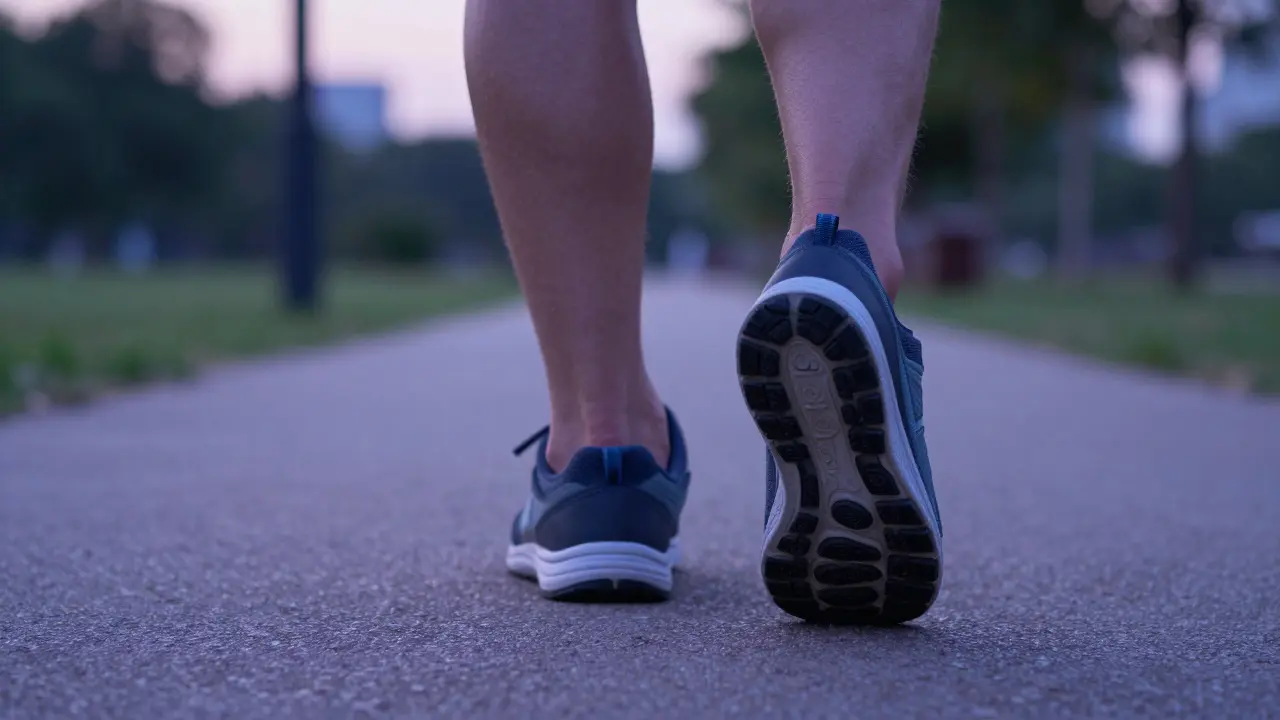
You don't need professional gear, but proper footwear is non-negotiable. Look for shoes with a wide toe box and good arch support. Walking in worn-out sneakers can lead to plantar fasciitis or shin splints, which will stop your habit in its tracks.
How soon will I notice the mental health benefits?
The mood-boosting effects of endorphins and cortisol reduction happen almost immediately. You'll likely feel a "lift" within 10 to 20 minutes. The more long-term cognitive benefits, like improved memory and creativity, usually emerge after 2 to 4 weeks of consistent daily practice.
Is walking enough to lose weight?
Walking creates a caloric deficit and improves insulin sensitivity, which helps with weight loss. However, it's most effective when paired with a balanced diet. Because it's low-intensity, you won't burn calories as fast as swimming or cycling, but you can do it for longer periods without getting exhausted.
Next Steps for Your Walking Journey
If you're just starting, don't overthink it. Put on a pair of comfortable shoes and walk for 15 minutes today. Tomorrow, try 16. The goal is consistency, not intensity. If you feel joint pain, shorten your stride and ensure you're walking on a flat surface before attempting hills.
For those already walking, challenge yourself by adding "intervals." Walk at your normal pace for three minutes, then walk as fast as you can for one minute. This spikes your heart rate and improves your aerobic capacity much faster than a steady-state walk. Keep exploring your neighborhood, and let the movement do the work.