Health and Wellness in November 2025: Breakfast, Stress Relief, and Gut Health
When it comes to health and wellness, a daily practice of small, consistent choices that support physical and mental well-being. Also known as personal health management, it’s not about extreme diets or hour-long meditations—it’s about what you do every morning, every lunch, and every time you feel overwhelmed. In November 2025, the posts here focus on real-life habits that stick: starting your day with a protein-rich breakfast, using spices like turmeric and ginger to fight inflammation, and learning how to calm your nervous system without buying an app.
One of the biggest patterns? gut health, the balance of bacteria and function in your digestive system that affects everything from energy to mood. Also known as digestive health, it shows up in posts about health juices, chewing your food properly, and avoiding processed meals. It’s not magic—it’s science. And it connects directly to stress relief, the process of reducing mental and physical tension through techniques like breathing and muscle relaxation. Also known as mind-body balance, it’s why deep breathing before a meeting or a five-minute stretch after lunch can reset your whole day. Your gut and your stress levels talk to each other. When one suffers, the other follows. Meanwhile, muscle recovery, how your body repairs itself after physical activity through rest, movement, and targeted care. Also known as post-workout healing, it’s not just for athletes. Anyone who walks, lifts groceries, or plays with kids benefits from better recovery—and that’s where sports massage and simple movement breaks come in.
What you’ll find here isn’t theory. It’s what people actually did: swapped sugary cereal for eggs and spinach, used cinnamon in their coffee to steady blood sugar, took three slow breaths when they felt panic rising, and started juicing with carrots and ginger—not because it was trendy, but because it made their stomach feel lighter. These aren’t life-changing overhauls. They’re quiet, daily upgrades that add up.
November 2025 was the month we stopped chasing quick fixes and started building habits that last. Below, you’ll find the posts that broke down exactly how to do it—no jargon, no guilt, just clear steps you can start today.
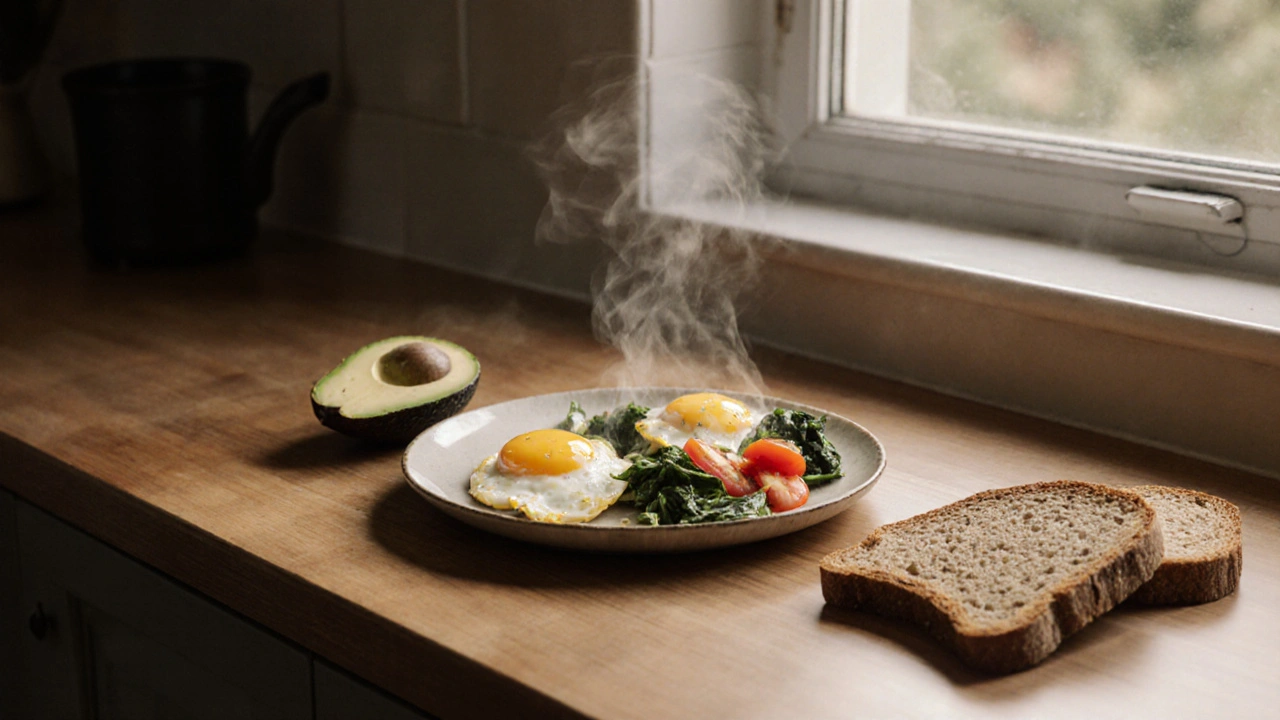
Why a Healthy Breakfast is Essential for a Balanced Diet
A healthy breakfast stabilizes blood sugar, reduces cravings, and supports better eating habits all day. It’s not about fancy meals-it’s about protein, fiber, and healthy fats to keep you full and focused.
Read More
How Sports Massage Enhances Muscle Recovery
Sports massage improves muscle recovery by increasing blood flow, reducing inflammation, and breaking up muscle adhesions. Learn how it helps athletes recover faster and stay injury-free.
Read More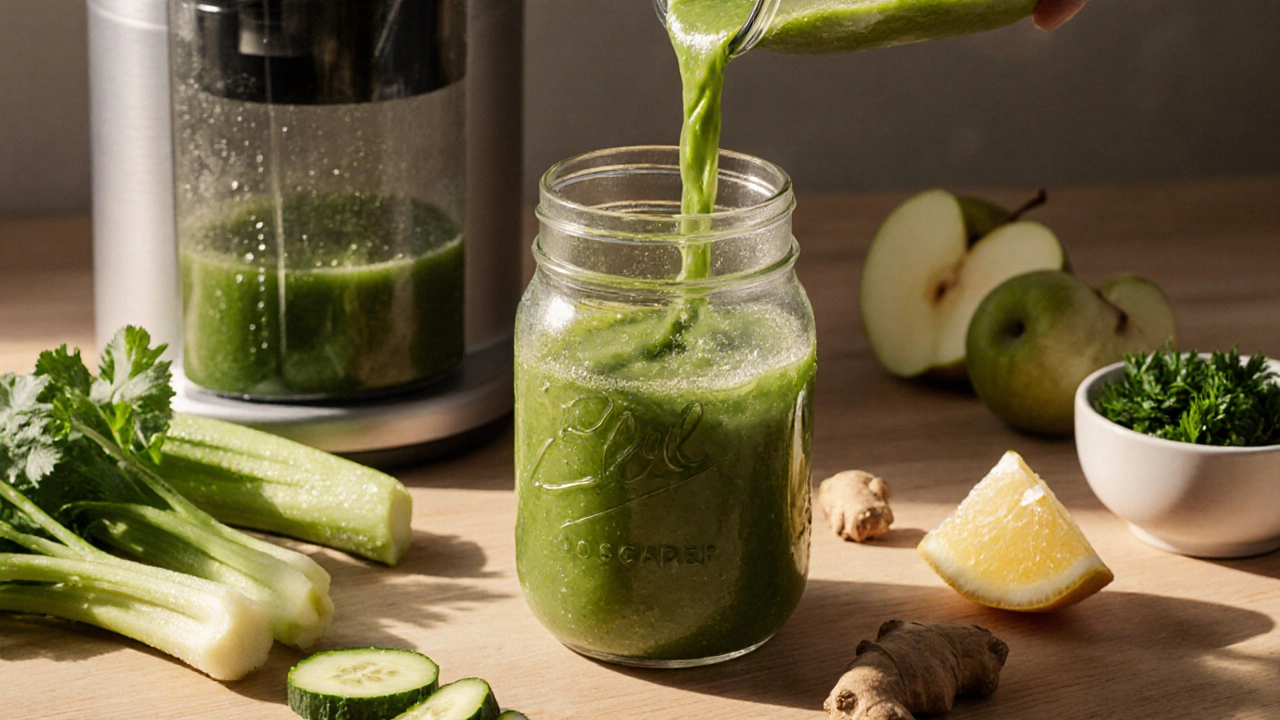
How Health Juices Can Improve Your Digestion
Health juices made from fresh fruits and vegetables can improve digestion by providing enzymes, reducing inflammation, and supporting gut health. Learn which ingredients work best and how to use them safely.
Read More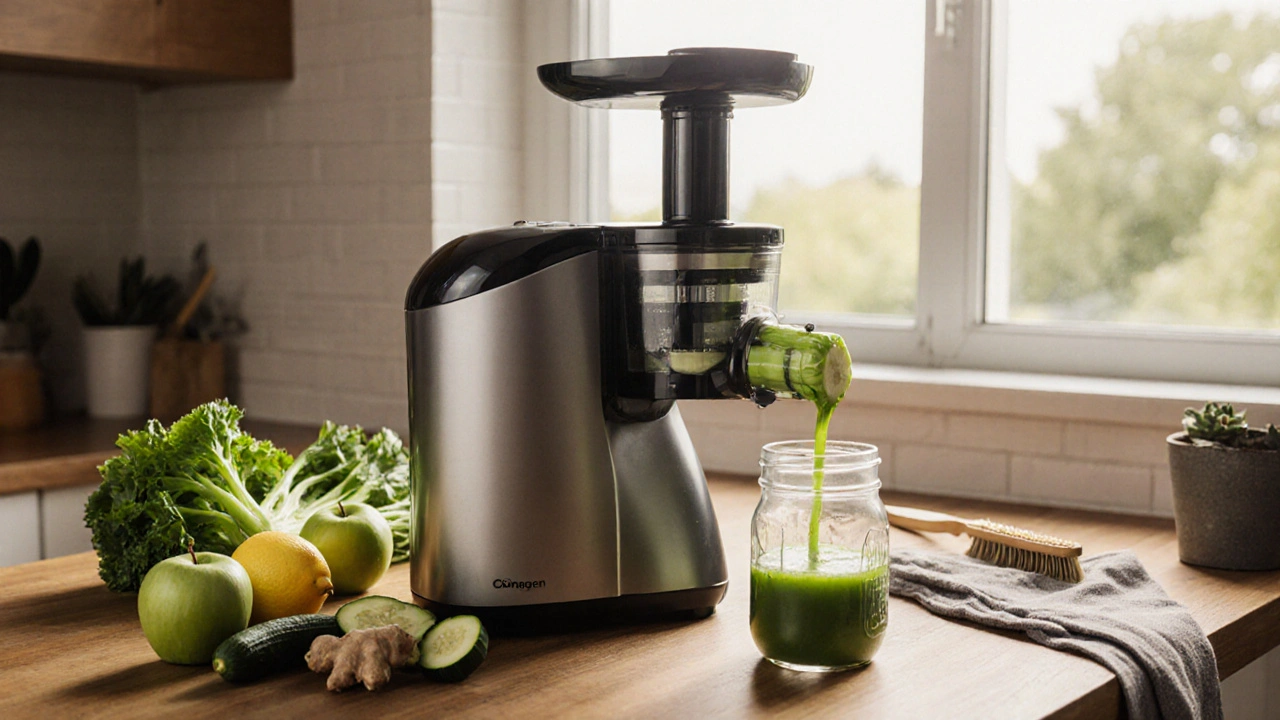
Juicing for Health: The Ultimate Beginner’s Guide
Learn how to start juicing for health with simple recipes, what equipment you really need, and how to avoid common mistakes. Get real results without the hype.
Read More
Your Guide to the Best Relaxation Techniques for Daily Stress Relief
Discover science-backed relaxation techniques that actually work - from deep breathing to progressive muscle relaxation - to reduce daily stress without needing apps, retreats, or hours of meditation.
Read More
How Setting Health Goals Can Transform Your Daily Life
Setting real health goals transforms more than your body-it rebuilds your confidence, habits, and daily life. Small, consistent actions create lasting change you can’t predict.
Read More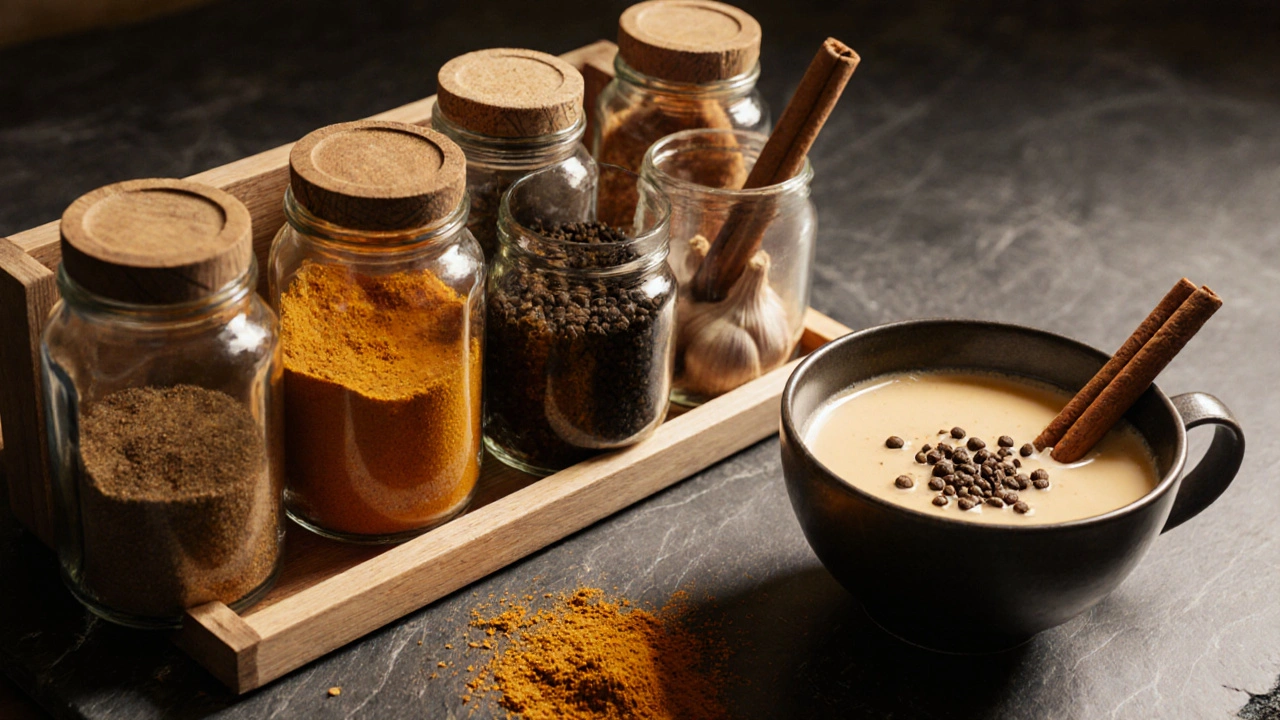
The Underrated Health Benefits of Spices You're Missing Out On
Spices like turmeric, cinnamon, ginger, garlic, and black pepper aren't just for flavor-they're powerful tools for reducing inflammation, balancing blood sugar, and boosting immunity. Learn how to use them daily for real health benefits.
Read More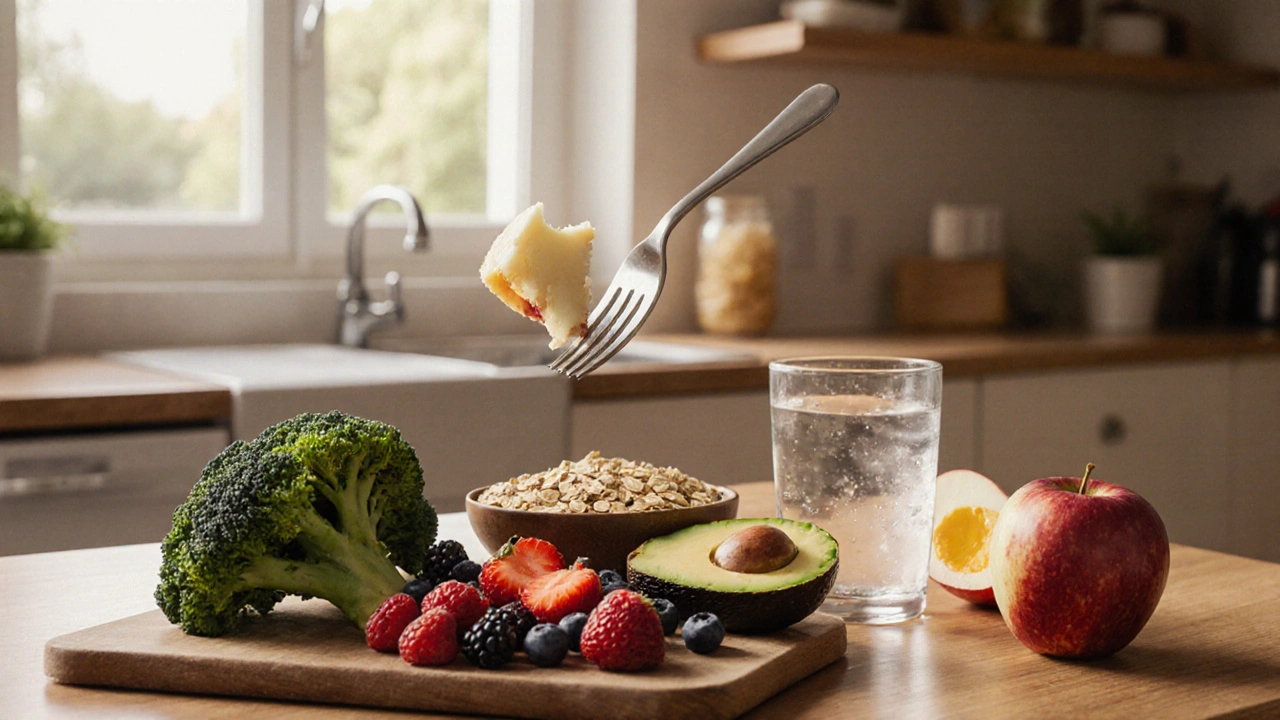
Effective Strategies for Maintaining Excellent Gastro Health
Learn practical, science-backed strategies to improve your gastro health through diet, chewing, hydration, stress management, and lifestyle changes-without extreme restrictions or supplements.
Read More
Meditation: A Potential Game-Changer in Education
Meditation in schools is quietly transforming classrooms by improving focus, reducing stress, and helping students manage emotions. Real data shows better behavior, attendance, and test scores-not from more studying, but from learning to pause.
Read More