Why Your Gut Is the Missing Link in Your Wellness Journey
You’ve probably heard it a dozen times by now: your gut is key to your overall health. But if you’re like most people, that phrase feels more like a marketing slogan than a scientific fact. You eat a salad, take a supplement, and hope for the best. Yet, bloating, fatigue, or brain fog still creep into your days. The truth is, gut health isn’t just about digestion; it’s the foundation of your immune system, mental clarity, and even your skin.
We often treat our bodies like machines-fix one part, ignore the rest. But your body is an ecosystem. When the soil (your gut) is poor, nothing grows well. This article cuts through the noise of trendy detox teas and expensive supplements. We’ll look at what actually works, based on current science from 2025 and 2026, to help you build a resilient gut without spending a fortune.
The Microbiome: More Than Just Bacteria
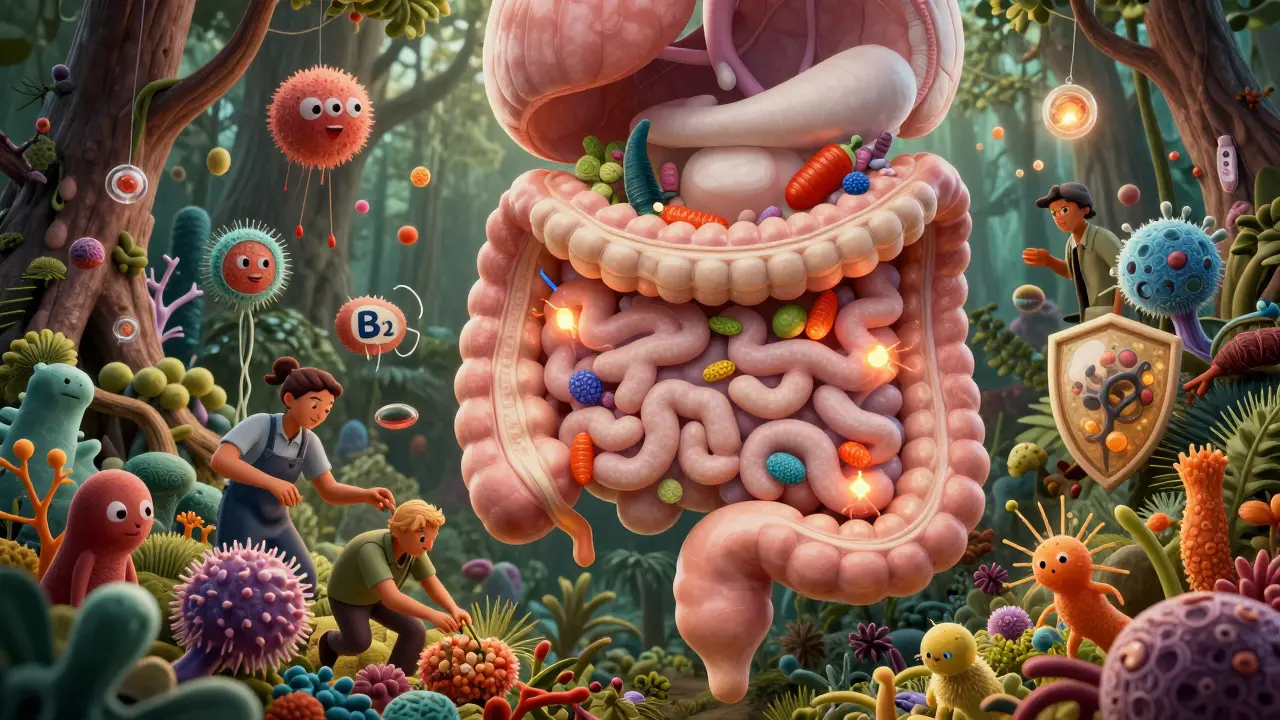
To understand gut health, you first need to meet the microbiome. It is the trillions of microorganisms living in your digestive tract. These aren’t just passive passengers. They are active participants in your life. Think of them as a workforce. Some bacteria break down food you can’t digest. Others produce vitamins like B12 and K. Still others train your immune system to distinguish between friends (food) and foes (viruses).
When this workforce is balanced, we call it eubiosis. When it’s out of whack, it’s dysbiosis. Dysbiosis doesn’t always mean you have a disease. It might just mean you feel sluggish, get sick often, or struggle with weight. The goal isn’t to kill all bad bacteria-that’s impossible and unhealthy. The goal is diversity. A diverse microbiome is like a rainforest; it can withstand storms. A monoculture is fragile.
Signs Your Gut Needs Attention
How do you know if your gut is unhappy? Most people wait for severe pain before acting. But your body sends subtle signals long before that. If you recognize these patterns, your gut might be asking for help:
- Persistent bloating: Feeling tight or swollen after meals, especially if it lasts hours.
- Irregular bowel movements: Constipation or diarrhea that comes and goes without a clear cause.
- Fatigue: Waking up tired despite sleeping enough. Your gut produces neurotransmitters that affect energy.
- Skin issues: Eczema, acne, or rosacea can sometimes stem from gut inflammation.
- Mood swings: Anxiety or irritability linked to meal times. This is the gut-brain axis at work.
If you have two or more of these regularly, don’t just blame stress. Look at your diet and habits. Stress plays a role, but so does what you feed those trillions of bacteria.
Feeding the Good Guys: Prebiotics vs. Probiotics
This is where most people get confused. You’ve seen probiotics everywhere-from yogurt ads to pill bottles. But probiotics alone aren’t magic. They’re like planting seeds in barren soil. Without nutrients, those seeds won’t grow. That’s where prebiotics come in. Prebiotics are non-digestible fibers that feed beneficial gut bacteria.
Think of it this way: Probiotics are the workers. Prebiotics are their lunchboxes. If you want a thriving workforce, you need both. In 2025, research shifted focus from just taking pills to eating whole foods. Why? Because pills offer a limited strain variety. Whole foods offer a complex matrix of fibers that different bacteria love.
Top prebiotic foods include:
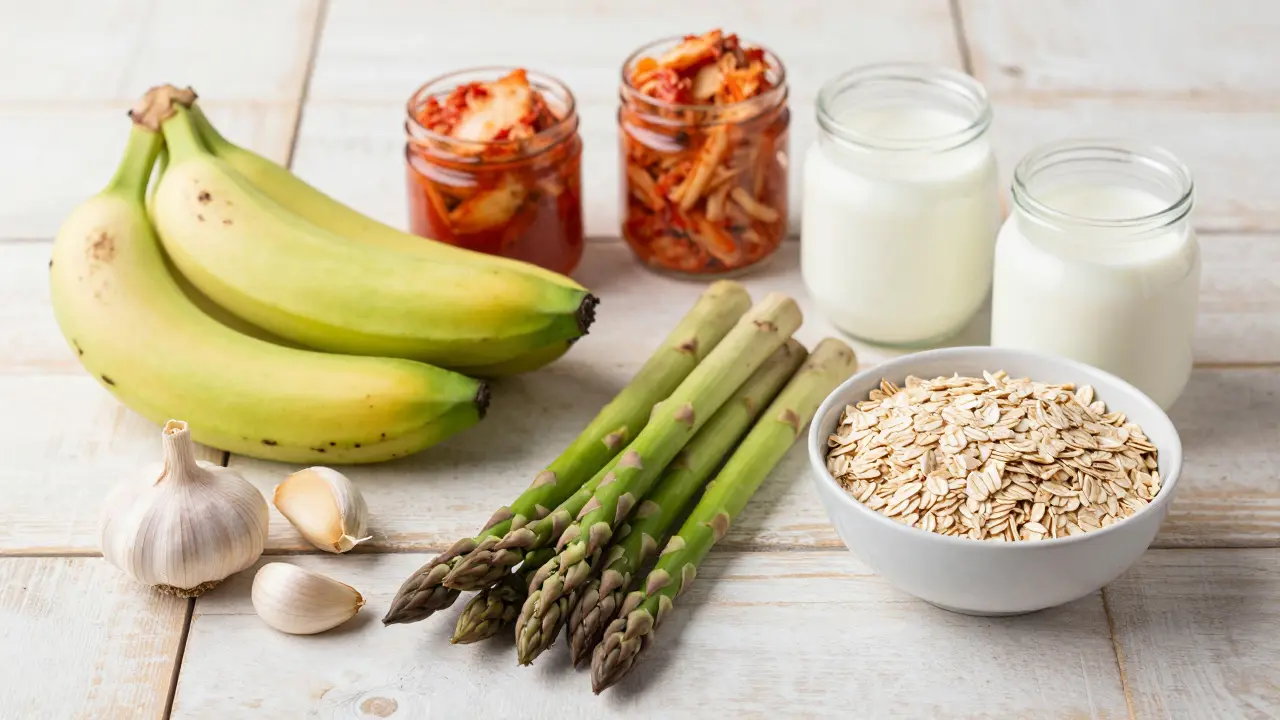
- Garlic and onions: Rich in inulin, a powerful prebiotic fiber.
- Asparagus: Especially when lightly cooked.
- Bananas: Slightly green ones have more resistant starch.
- Oats: Beta-glucan supports good bacteria growth.
Probiotics, on the other hand, are live bacteria. You find them in fermented foods. Yogurt, kefir, kimchi, and sauerkraut are excellent sources. The key is variety. Don’t just eat yogurt every day. Rotate your fermented foods to introduce different bacterial strains. Remember, not all probiotics are equal. Lactobacillus and Bifidobacterium are the most studied and generally safe for most people.
The Gut-Brain Axis: Why Your Mood Matters
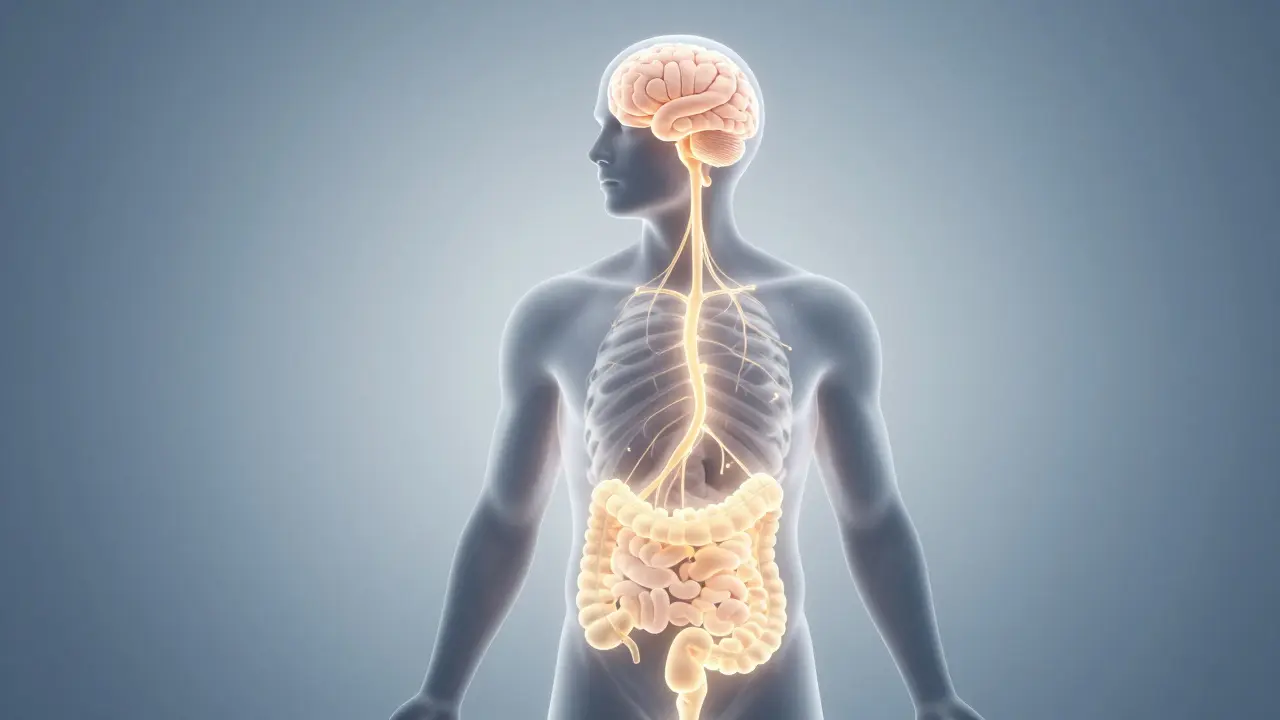
You might wonder why a gut article talks about mood. It’s because your gut and brain are connected by the vagus nerve. This highway allows constant communication. About 90% of serotonin, the "happy chemical," is produced in your gut, not your brain. If your gut is inflamed, serotonin production drops. That’s why you might feel anxious when you’re hungry or after a heavy, processed meal.
Studies in 2024 and 2025 confirmed that improving gut diversity can reduce symptoms of mild anxiety and depression. It’s not a cure-all, but it’s a crucial piece of the puzzle. If you’re struggling with mental health, check your gut. Eat more fiber, reduce sugar, and consider fermented foods. It’s a low-risk, high-reward strategy.
Common Mistakes That Harm Your Gut
It’s easy to accidentally damage your microbiome. Here are the biggest culprits in modern life:
| Habit | Effect on Gut | Alternative Action |
|---|---|---|
| High Sugar Intake | Feeds harmful yeast and bacteria, causing inflammation. | Swap sweets for fruit with fiber. |
| Overuse of Antibiotics | Kills both good and bad bacteria, reducing diversity. | Use only when prescribed; follow with probiotics. |
| Ultra-Processed Foods | Additives disrupt the gut lining and microbial balance. | Cook meals from scratch using whole ingredients. |
| Chronic Stress | Slows digestion and alters gut permeability. | Practice deep breathing or mindfulness daily. |
| Low Fiber Diet | Starves beneficial bacteria, leading to dysbiosis. | Aim for 30g of fiber daily from plants. |
Notice the pattern? Most harm comes from convenience. Ultra-processed foods are easy. Antibiotics save lives but have side effects. Stress is unavoidable sometimes. The solution isn’t perfection. It’s awareness. Start small. Add one vegetable to dinner. Swap soda for water. Take five minutes to breathe before eating.
Building a Resilient Gut: A Simple Plan
You don’t need a complicated regimen. You need consistency. Here’s a practical approach to rebuild your gut health over the next 30 days:
- Start with Fiber: Aim for 30 different plant foods per week. This includes fruits, vegetables, nuts, seeds, legumes, and whole grains. Variety drives diversity.
- Add Fermented Foods Daily: One serving of kimchi, sauerkraut, kefir, or yogurt each day. Don’t heat them too much, as heat kills live cultures.
- Hydrate Properly: Water helps fiber move through your system. Dehydration leads to constipation, which harms gut bacteria.
- Manage Stress: Try a 10-minute walk after meals. Movement aids digestion and reduces cortisol, a stress hormone that hurts the gut.
- Sleep Well: Your gut repairs itself during sleep. Aim for 7-8 hours. Poor sleep disrupts circadian rhythms, affecting gut bacteria.
This plan isn’t restrictive. It’s additive. You’re adding goodness, not subtracting joy. If you slip up, don’t panic. One bad meal won’t ruin your gut. Consistency over time builds resilience.
When to See a Professional
Sometimes, self-care isn’t enough. If you experience severe abdominal pain, blood in stool, unexplained weight loss, or chronic diarrhea, see a doctor. These could be signs of conditions like Irritable Bowel Syndrome (IBS), Inflammatory Bowel Disease (IBD), or celiac disease. Don’t self-diagnose. A healthcare provider can run tests, like a stool analysis, to identify specific imbalances.
In Norwich and across the UK, GP services are accessible for initial consultations. For specialized care, gastroenterologists can provide deeper insights. Always share your dietary history and stress levels. Context matters.
Can I fix my gut health overnight?
No. Gut health is built over weeks and months. While you might feel better after a few days of clean eating, true microbial diversity takes time to establish. Be patient and consistent.
Are probiotic supplements necessary?
Not for everyone. Food-based probiotics are often better because they contain a wider range of strains and prebiotic fibers. Supplements can help if you’ve taken antibiotics or have specific deficiencies, but consult a doctor first.
What is the best time to eat fermented foods?
There’s no strict rule. Many prefer them with meals to aid digestion. However, some experts suggest taking probiotics on an empty stomach to avoid stomach acid killing the bacteria. Experiment to see what works for you.
Does coffee hurt gut health?
Moderate coffee consumption (1-2 cups) may actually benefit gut diversity due to its polyphenols. However, adding sugar and cream can negate these benefits. Listen to your body; if it causes acidity or jitters, cut back.
How does exercise affect the gut?
Regular physical activity increases microbial diversity. It stimulates gut motility, helping waste move through efficiently. Even light walking after meals can reduce bloating and improve digestion.