You probably think making health juice is a hassle. You imagine expensive machines, piles of dirty dishes, and that weird pulp mess on your counter. But here’s the truth: some of the most powerful drinks you can make take less than five minutes. No fancy cold-press machine required. Just a blender, a strainer, or even just your hands. The goal isn’t to drink liquid gold every morning; it’s to get more nutrients into your body without chewing through a whole bag of spinach.
Why bother? Because sometimes eating whole fruits feels heavy. Juice lets you pack in vitamins quickly. It hydrates you. And if you’re like me, living in Adelaide where the sun beats down hard, a cold glass of green stuff hits differently. Let’s cut through the noise. You don’t need a degree in nutrition. You just need a few good combinations that actually taste good. Here are four simple mixes that work, plus how to tweak them so you don’t hate drinking them.
The Green Starter That Doesn’t Taste Like Grass
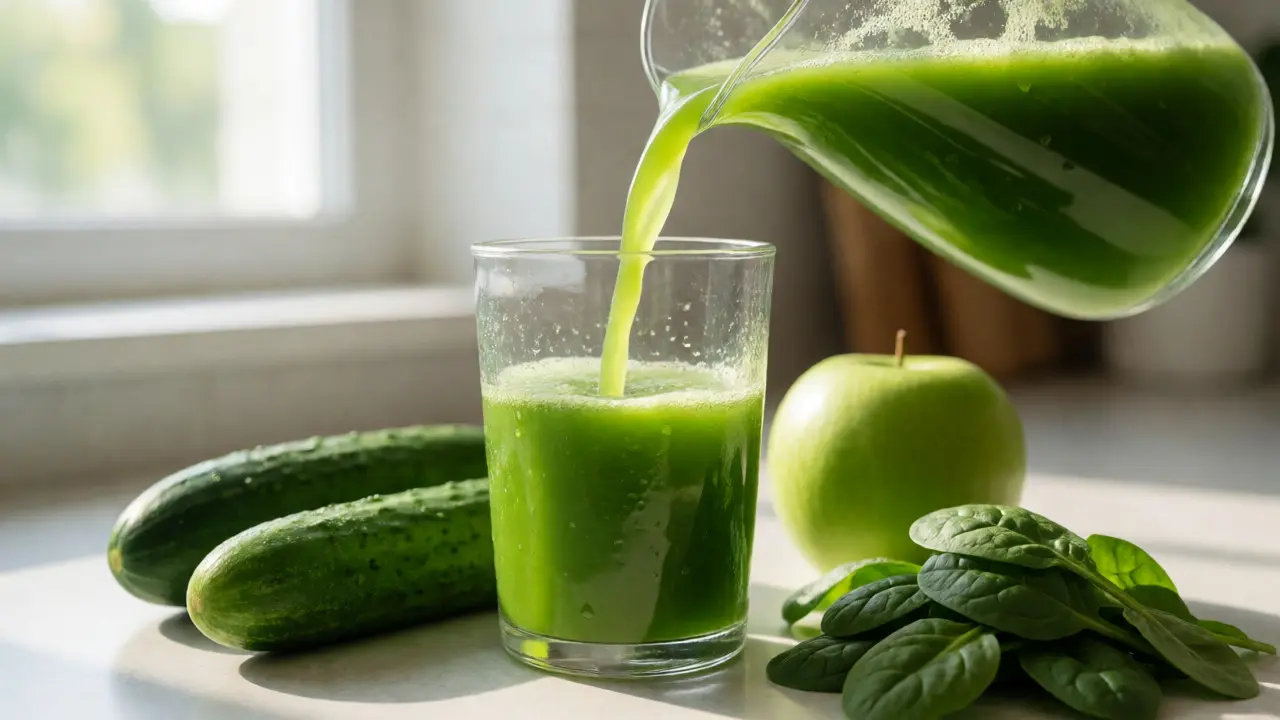
Everyone tries a green juice once. Most people gag. Why? They use too much kale and not enough sweetness. If you want a green juice that’s actually drinkable, start with cucumber. Cucumber is mostly water, which makes it mild. It doesn’t fight for attention. Then add an apple. Apples bring natural sugar and fiber (if you keep some pulp). Finally, throw in a handful of spinach. Spinach has a neutral flavor compared to kale or chard. It’s the beginner’s best friend.
Here’s the ratio: two cucumbers, one green apple, and a big fistful of baby spinach. Blend it all with half a cup of water. If you have a high-speed blender, you might not need to strain it. If you’re using a standard blender, pour it through a nut milk bag or fine mesh sieve. Squeeze it tight. You’ll get a bright green liquid that tastes crisp, not earthy. Add a squeeze of lemon if you want a zing. Lemon helps preserve the color and cuts any vegetal aftertaste.
This mix works because it balances hydration with micronutrients. Cucumbers provide silica, which supports skin health. Apples offer quercetin, an antioxidant linked to heart health. Spinach delivers iron and magnesium. You’re getting a broad spectrum without overwhelming your palate. Try this three times a week. Notice how you feel less bloated by afternoon.
The Orange Immunity Boost
When flu season hits, everyone reaches for orange juice. But store-bought OJ is often pasteurized and stripped of fiber. Making your own changes the game. But pure orange juice is sugary. Too much fructose can spike your blood sugar faster than you’d like. So we dilute it. We mix it with carrots and ginger. Carrots are sweet but lower in sugar than oranges. Ginger adds heat and anti-inflammatory properties.
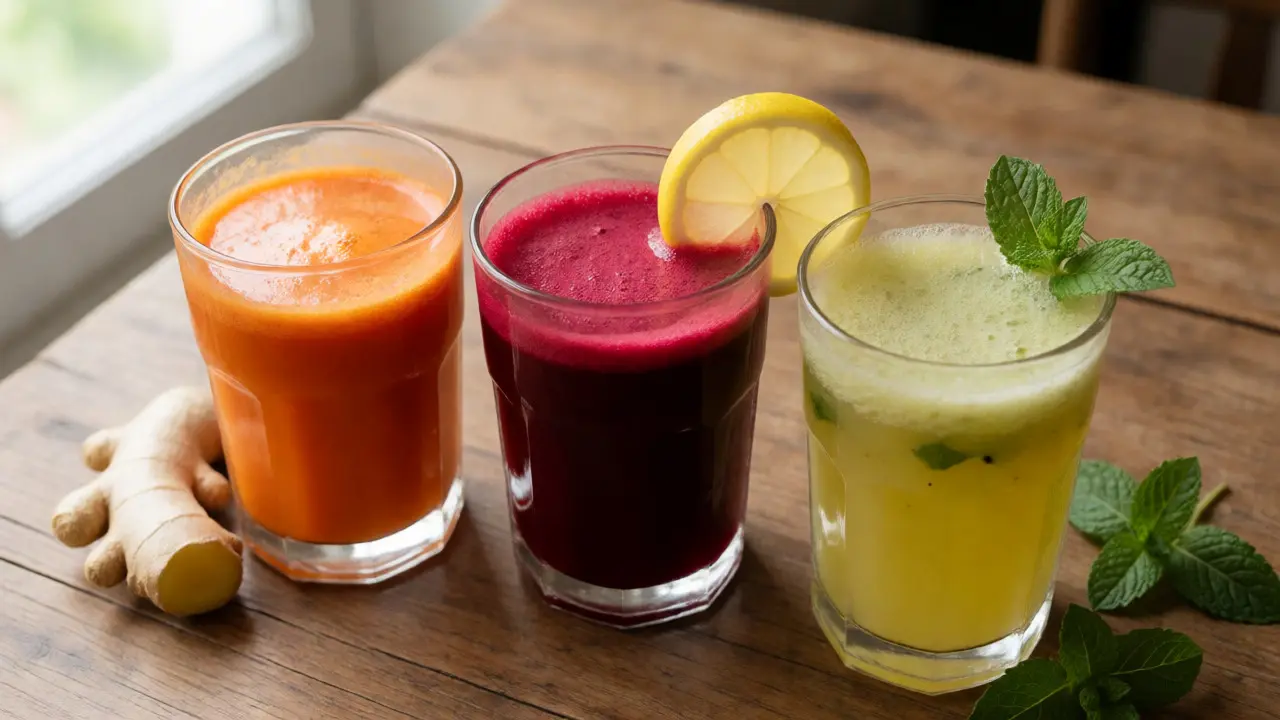
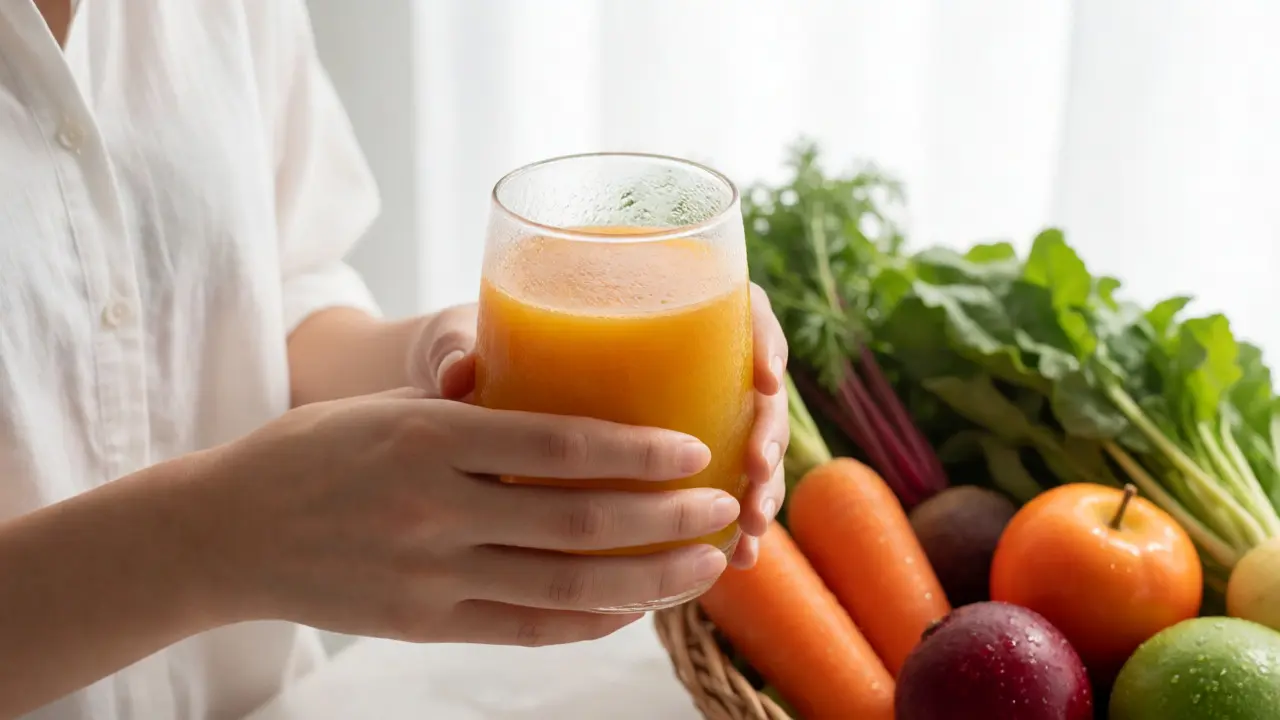
Take three medium carrots, two oranges (peeled), and a thumb-sized piece of fresh ginger. Peel the ginger-it’s easier when raw. Blend everything. Strain well. This yields about two glasses. The ginger kick masks the carrot sweetness slightly, creating a complex flavor profile. It’s spicy, sweet, and refreshing. This is your go-to when you feel a tickle in your throat or just need an energy lift without coffee.
Ginger contains gingerol, a compound known for reducing nausea and inflammation. Carrots are rich in beta-carotene, which your body converts to vitamin A. Vitamin A supports immune function and vision. Oranges give you vitamin C. Together, they form a solid defense trio. Drink this in the morning. The natural sugars provide quick energy, while the ginger keeps your digestion moving smoothly.
The Beetroot Blood Builder
Beetroot juice sounds intimidating. It stains everything pink. It tastes earthy, like dirt. But athletes love it. Why? Because nitrates in beets improve blood flow. Better blood flow means better oxygen delivery to muscles. You don’t need to run a marathon to benefit. If you sit at a desk all day, improved circulation helps brain fog clear up.
To tame the earthiness, pair beets with apples and lemons. Use one small beet, one apple, and half a lemon. Peel the beet first-beets are tough. Chop it into chunks so your blender doesn’t struggle. Blend with water until smooth. Strain thoroughly. Beets are fibrous, so skipping the strain results in gritty sludge. Nobody wants that.
The result is a deep red, vibrant drink. It looks intense but tastes surprisingly balanced. The apple sweetness offsets the beet bitterness. The lemon acidity brightens the flavor. This juice is particularly good post-workout or during stressful weeks. Nitric oxide production from dietary nitrates relaxes blood vessels, potentially lowering blood pressure. Studies suggest consistent consumption can lead to measurable improvements in vascular health within weeks.
| Ingredient | Primary Benefit | Flavor Profile | Prep Tip |
|---|---|---|---|
| Cucumber | Hydration & Skin Health | Mild, Watery | No peeling needed if organic |
| Spinach | Iron & Magnesium | Neutral, Leafy | Use baby spinach for ease |
| Ginger | Anti-inflammatory | Spicy, Sharp | Peel with a spoon |
| Carrot | Vitamin A | Sweet, Earthy | Chop before blending |
| Beetroot | Blood Flow (Nitrates) | Earthy, Sweet | Always peel and chop |
The Tropical Digestion Aid
Pineapple isn’t just a pizza topping. It contains bromelain, an enzyme that helps break down proteins. If you eat a lot of meat or dairy, pineapple juice can aid digestion. Plus, it tastes like vacation. Combine pineapple with mint and lime. Mint cools the stomach. Lime aids liver function.
Use one cup of fresh pineapple chunks, ten mint leaves, and the juice of one lime. Blend briefly. Don’t over-blend the mint, or it turns bitter. Pulse it instead. Strain lightly-you want some texture here. This drink is acidic, so sip it slowly. Don’t gulp it down fast. Acidic juices can irritate sensitive teeth or stomachs if consumed too quickly.
This combo is great after a heavy meal. Bromelain activity peaks when taken on an empty stomach or shortly after eating. Mint soothes intestinal spasms. Lime provides citric acid, which stimulates digestive juices. Keep this recipe handy for barbecue season or holiday dinners. It’s light, refreshing, and functional.
Tips for Making Juice Without Losing Your Mind
Juicing gets messy. Juice oxidizes fast. Nutrients degrade when exposed to air and light. So, drink it immediately. Ideally, within 15 minutes. If you must store it, put it in a glass jar, fill it to the brim to minimize air contact, and seal it tight. Refrigerate for no more than 24 hours. Color change indicates oxidation. Brownish green juice still has nutrients, but fewer antioxidants.
What about the pulp? Don’t toss it. Pulp contains fiber, which slows sugar absorption. Mix leftover carrot pulp into muffins. Stir spinach pulp into scrambled eggs. Freeze fruit pulp for smoothies later. Zero waste is key. Also, clean your blender right away. Dried juice sticks like glue. Rinse it immediately after pouring your drink.
Start slow. One glass a day. Jumping into three glasses might cause digestive upset due to sudden fiber or sugar intake. Your gut bacteria need time to adjust. Listen to your body. If you feel sluggish, reduce the fruit content. Increase vegetables. Balance is personal. There’s no universal rule except consistency.
Frequently Asked Questions
Is juicing better than eating whole fruits?
Not necessarily better, but different. Whole fruits contain fiber, which regulates blood sugar and promotes satiety. Juice removes most fiber, allowing quicker nutrient absorption but causing faster sugar spikes. For most people, eating whole fruits is healthier long-term. Use juice as a supplement or occasional treat, not a replacement for meals.
Do I need a special juicer?
No. A standard blender works fine. Just blend your ingredients with water and strain through a nut milk bag or cheesecloth. Centrifugal juicers are faster but generate heat that may degrade enzymes. Cold-press juicers are efficient but expensive. Start with what you have. Upgrade only if you find yourself juicing daily.
How much sugar is in these juices?
It varies. An orange-carrot-ginger juice has moderate sugar from fruit. A green juice with cucumber and spinach has very little sugar. Always prioritize vegetables over fruits if you’re watching sugar intake. Adding lemon or lime also reduces perceived sweetness, helping you balance flavors without adding extra fruit.
Can I prep juice ahead of time?
Yes, but freshness matters. Store juice in airtight glass containers filled to the top to limit oxygen exposure. Refrigerate immediately. Consume within 24 hours. Freezing works too, though texture may change upon thawing. Shake well before drinking if separation occurs.
Are there side effects to drinking juice?
Some people experience digestive discomfort if they consume large amounts of raw vegetable juice suddenly. Oxalates in greens like spinach can contribute to kidney stones in susceptible individuals. Consult a doctor if you have kidney issues or diabetes. Start with small portions to gauge tolerance.