Ever reached for a spoon of honey when your throat felt scratchy or your cough wouldn’t quit? You’re not alone. For thousands of years, honey has been more than just a sweetener-it’s been a trusted remedy across cultures. From ancient Egypt to modern clinics in Canberra, honey’s healing power isn’t just folklore. Science now backs what grandmothers always knew: honey does more than make tea taste good.
Why Raw Honey Is Different
Not all honey is created equal. The kind you find in a supermarket jar, often labeled as "pure" or "100% natural," is usually pasteurized and filtered. That means it’s heated to kill yeast and extend shelf life, but it also strips away enzymes, antioxidants, and pollen that give raw honey its real benefits.
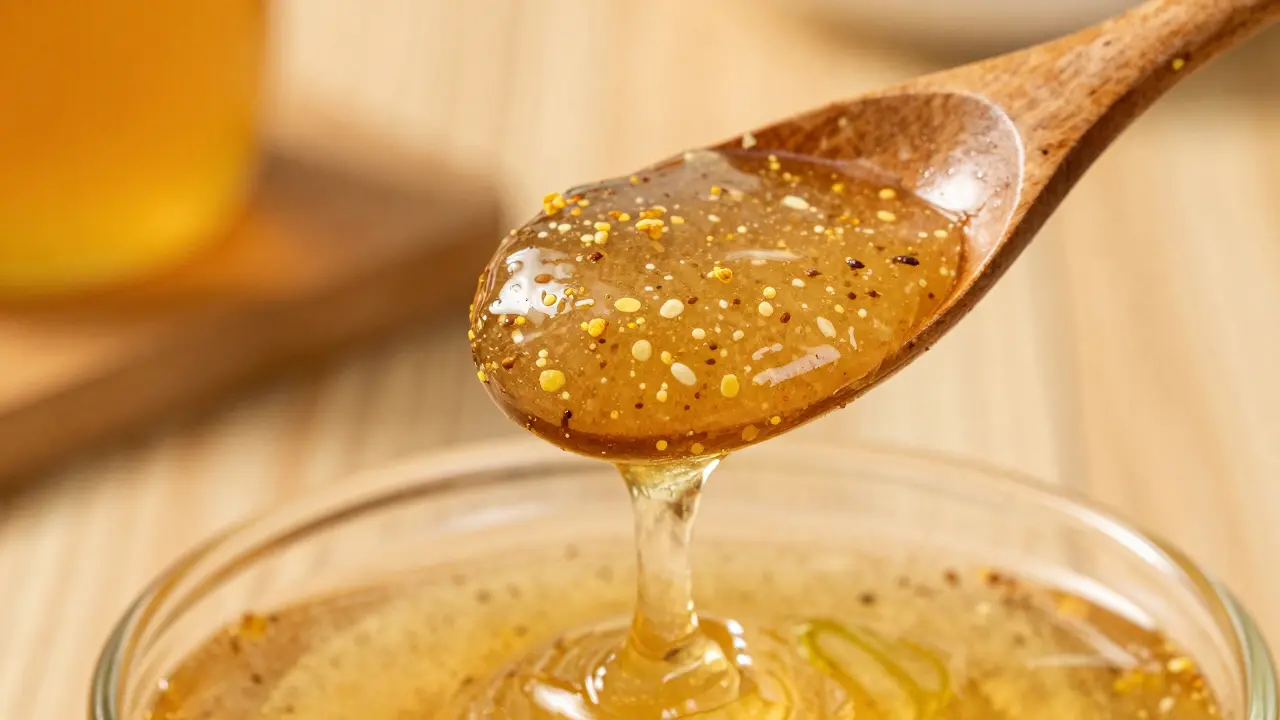
Raw honey comes straight from the hive, minimally strained to remove wax and debris. It’s cloudy, thick, and sometimes full of tiny particles you can see. That’s not dirt-that’s propolis, bee pollen, and enzymes working together. A 2021 study in the Journal of Functional Foods found raw honey had 3.5 times more polyphenols than processed honey. These compounds help fight inflammation and oxidative stress in the body.
Honey as a Natural Cough Suppressant
If you’ve got a dry, tickly cough, especially at night, honey might be the quiet hero you’ve been overlooking. The American Academy of Pediatrics recommends honey for children over one year old as a safe alternative to over-the-counter cough syrups. Why? Because honey coats the throat, reduces irritation, and triggers saliva production to soothe the cough reflex.
A 2018 review in the Cochrane Database of Systematic Reviews analyzed 14 trials involving over 1,300 children. Those given honey had significantly better cough relief than those given placebos or dextromethorphan. One parent in Melbourne shared: "My son’s nighttime cough vanished after two nights of a teaspoon of buckwheat honey before bed. We haven’t touched the medicine cabinet since."
The Antibacterial Power You Can’t See
Honey doesn’t just taste sweet-it fights germs. Its ability to kill bacteria comes from three natural factors: low water content, acidity (pH between 3.2 and 4.5), and hydrogen peroxide produced by an enzyme called glucose oxidase. Some types, like Manuka honey from New Zealand, also contain methylglyoxal (MGO), a compound with strong antibacterial properties.
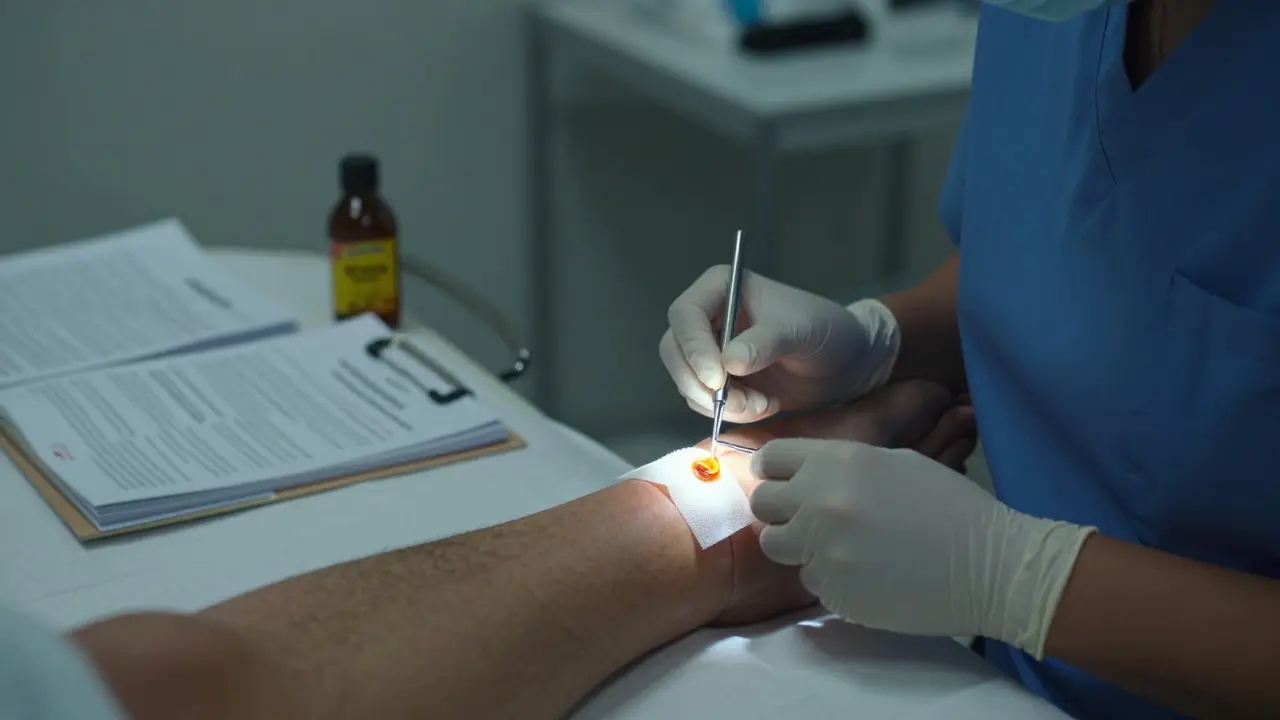
Hospitals in Australia and the UK now use medical-grade honey dressings on slow-healing wounds. A 2023 trial in the British Journal of Dermatology showed honey dressings reduced infection rates by 40% compared to standard gauze in patients with diabetic ulcers. Even at home, applying a thin layer of raw honey to minor cuts or burns can help prevent infection and speed healing. Just don’t use it on deep or serious wounds-always see a doctor first.
Supporting Gut Health One Spoon at a Time
Your gut is home to trillions of bacteria, and honey helps keep them balanced. It contains oligosaccharides-complex sugars that act like prebiotics. These don’t get digested; instead, they feed the good bacteria in your intestines, especially Bifidobacteria and Lactobacilli.
A 2022 study from the University of Sydney found that people who ate two tablespoons of raw honey daily for six weeks saw a 27% increase in beneficial gut microbes. That’s not just about digestion-it affects your immune system, mood, and even skin health. If you’re dealing with bloating, irregular bowel movements, or frequent colds, honey might be quietly helping your gut recover.
More Than Just a Sweetener
Honey also has a surprising effect on blood sugar. Yes, it’s still sugar-but unlike refined white sugar, it’s absorbed slowly thanks to its fructose and glucose balance. A 2020 study in the Journal of Medicinal Food showed that people with type 2 diabetes who replaced sugar with honey had lower fasting blood sugar levels and improved cholesterol profiles after eight weeks.
It’s not a free pass to eat honey by the spoonful. But swapping honey for processed sugar in tea, oatmeal, or yogurt can make a real difference. One woman in Adelaide switched from sugar to honey in her morning coffee and noticed her afternoon energy crashes disappeared within a week.
What About Allergies?
There’s a popular belief that eating local honey can cure seasonal allergies. The idea is that you’re exposing yourself to tiny amounts of pollen from nearby flowers, helping your body build tolerance. But here’s the truth: the pollen in honey comes from flowers, not the wind-pollinated plants like grasses and trees that cause most allergies.
Research from the University of Connecticut in 2013 found no significant difference in allergy symptoms between people who ate local honey and those who didn’t. So while honey won’t stop your sneezing fits, it might still help soothe an irritated throat after a bad pollen day.

How Much Is Too Much?
Honey is natural, but it’s still sugar. The World Health Organization recommends limiting added sugars to under 10% of your daily calories-that’s about 6 teaspoons (25 grams) for most adults. One tablespoon of honey has around 17 grams of sugar.
That means a teaspoon or two a day is fine. More than that, especially if you’re already eating sugary foods, can add up. And never give honey to babies under one year old. Their digestive systems aren’t ready to handle the rare spores that can cause infant botulism.
Choosing the Right Honey
Not all honey labels are honest. Look for these signs:
- Check for "raw" or "unpasteurized" on the label
- Avoid honey that’s perfectly clear and runny-it’s likely filtered and heated
- Local honey often has a unique color and flavor depending on the flowers nearby
- Manuka honey is expensive but has proven antibacterial strength; look for a UMF rating of 10+ or MGO 250+
Buy from farmers’ markets or beekeepers who let you see the hive. You’ll get better quality and support local ecosystems.
Simple Ways to Use Honey Daily
- Stir a teaspoon into warm water with lemon for a morning tonic
- Use instead of sugar in tea or oatmeal
- Apply a thin layer to minor burns or scrapes (let it sit for 20 minutes, then rinse)
- Take a spoonful before bed if you have a cough
- Mix with cinnamon for a natural immune boost (some studies suggest cinnamon enhances honey’s effects)
Start small. One teaspoon a day. See how you feel in a week. Your body might surprise you.
Can honey really help with a sore throat?
Yes. Honey’s thick texture coats the throat, reducing irritation and suppressing the cough reflex. Studies show it works as well as, or better than, over-the-counter cough medicines for children over one year old. A teaspoon before bed can help you sleep through the night without coughing.
Is raw honey better than processed honey?
Absolutely. Raw honey keeps its enzymes, antioxidants, and bee pollen, which are destroyed during pasteurization. Processed honey is clearer and smoother, but it’s also stripped of most of its health benefits. Raw honey may even crystallize over time-that’s normal and doesn’t mean it’s gone bad.
Can I use honey to treat wounds at home?
For minor cuts, scrapes, or burns, yes. Honey has natural antibacterial properties and can help keep the area clean and moist, which aids healing. Use raw honey, apply a thin layer, cover with a sterile bandage, and change it daily. Don’t use it on deep, infected, or large wounds-always seek medical care for those.
Does honey help with allergies?
Not really. While many people believe eating local honey helps build immunity to pollen, research doesn’t support this. The pollen in honey comes from flowers, not the wind-borne types (like ragweed or grass) that cause seasonal allergies. Honey won’t stop sneezing, but it can soothe an irritated throat after exposure.
Is honey safe for people with diabetes?
Honey still raises blood sugar, so it’s not a free pass. But compared to table sugar, it has a slower effect due to its natural fructose-glucose balance. Some studies show people with type 2 diabetes who swap sugar for honey see small improvements in blood sugar and cholesterol. Still, moderation is key-stick to one teaspoon a day and monitor your levels.
Can babies have honey?
No. Never give honey to babies under one year old. Honey can contain spores of Clostridium botulinum, which can cause infant botulism-a rare but serious illness that affects the nervous system. After age one, their digestive systems are mature enough to handle it safely.