When you’re feeling overwhelmed, stuck, or just emotionally drained, talking about it doesn’t always help. Sometimes words aren’t enough. That’s where creative arts therapies step in-not as a luxury, but as a real, research-backed way to heal. You don’t need to be an artist, musician, or dancer. You just need to be willing to let go, move, make noise, or smear paint on paper. The healing isn’t in the final product. It’s in the process.
What Exactly Are Creative Arts Therapies?
Creative arts therapies combine psychology with artistic expression. They include art therapy, music therapy, dance/movement therapy, drama therapy, and expressive arts therapy-a mix of all these. These aren’t hobbies or weekend crafts. They’re licensed clinical practices led by certified professionals trained in both mental health and the arts.
In Australia, creative arts therapists must be registered with the Australian Creative Arts Therapies Association (ACATA) or hold equivalent credentials. They work in hospitals, schools, prisons, rehabilitation centers, and private practices. In Brisbane, you’ll find therapists offering sessions in community health hubs, mental health clinics, and even online.
Unlike traditional talk therapy, creative arts therapies bypass the need to find the right words. Instead, they use color, rhythm, movement, and storytelling to access emotions that are hard to name. A 2024 meta-analysis from the Journal of the American Art Therapy Association found that art therapy significantly reduced symptoms of depression and anxiety in adults, with effects lasting up to six months after treatment ended.
How Art Therapy Helps When Words Fail
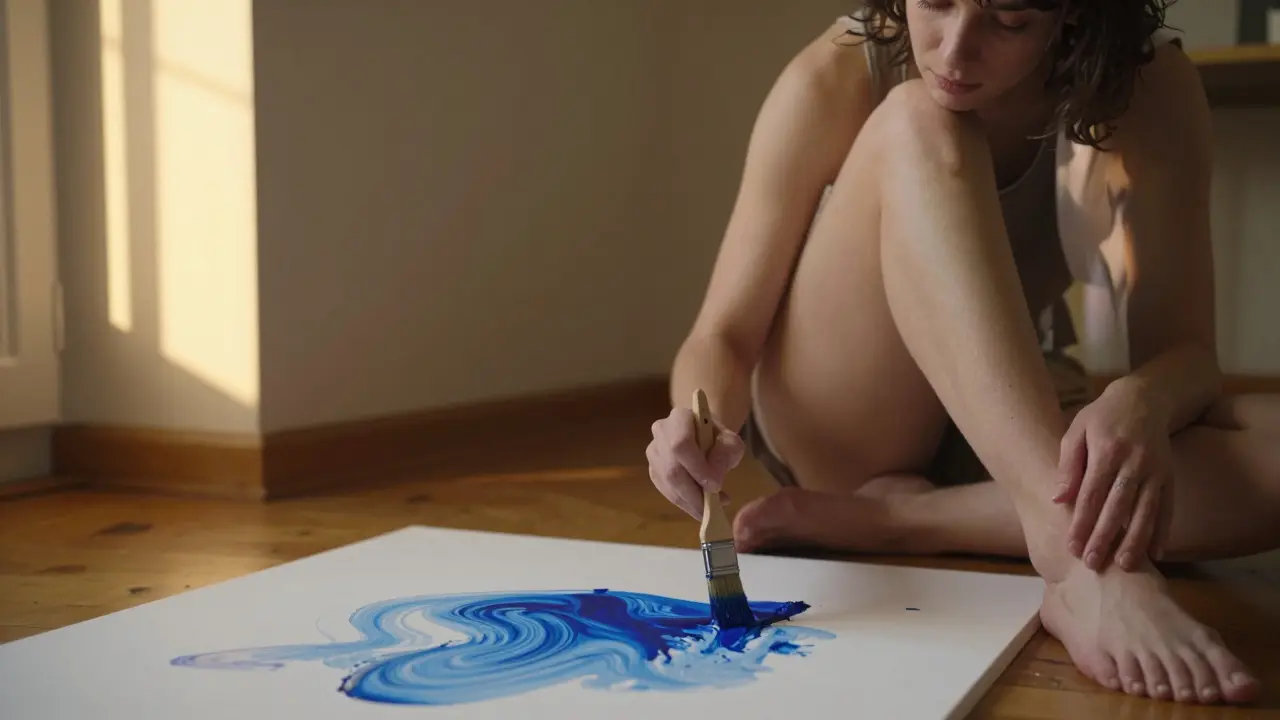
Imagine sitting with a blank canvas, no instructions, no expectations. You grab a brush, dip it in blue, and just let your hand move. Maybe you scribble. Maybe you smear. Maybe you tear the paper. Later, you look at what you made-and you cry. Not because it’s beautiful. But because it’s honest.
That’s art therapy in action. A 2023 study from the University of Queensland tracked 87 adults with chronic PTSD. Half received weekly art therapy sessions for 12 weeks. The other half got standard cognitive behavioral therapy. The art therapy group showed greater improvements in emotional regulation and self-awareness. One participant described it this way: “I couldn’t say what happened to me. But I could paint it. And when I did, I finally felt like I wasn’t alone.”
Art therapists don’t interpret your drawings. They ask questions: “What does this color feel like?” “Where did your hand want to go?” “What would this shape say if it could talk?” The meaning comes from you, not the therapist.
Music Therapy: More Than Just Listening
Music therapy isn’t about playlists or Spotify recommendations. It’s about creating sound with purpose. A certified music therapist might hand you a drum, a xylophone, or just a set of rhythm sticks. You bang, tap, or hum. The therapist matches your rhythm, then gently shifts it. Slowly, your body begins to sync. Your breathing steadies. Your heart rate drops.
This isn’t magic. It’s neuroscience. Music activates the brain’s limbic system-the part tied to emotion and memory. In dementia care, music therapy has been shown to trigger long-term memories in patients who no longer recognize their own children. In children with autism, structured musical interactions improve communication skills more effectively than verbal drills alone.
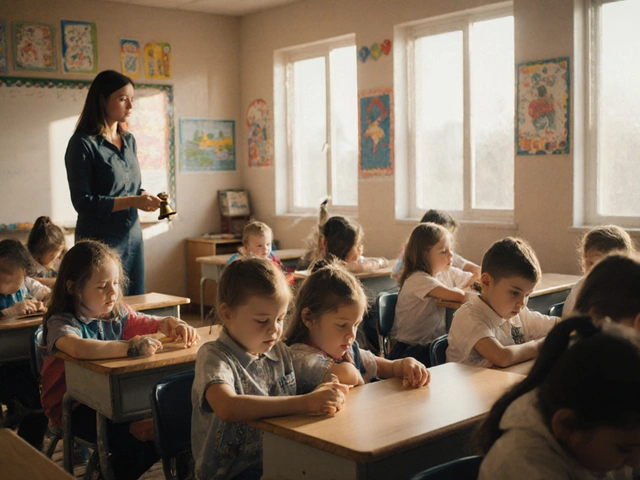
A 2025 pilot program in Brisbane public schools used music therapy for students with severe anxiety. After eight weeks, 78% of participants showed measurable improvements in classroom participation. One 12-year-old who hadn’t spoken in class for a year began singing along to a song the therapist wrote about feeling scared. He didn’t say a word. But his voice carried the message.
Dance and Movement Therapy: Healing Through the Body
When trauma lives in the body, talking doesn’t always reach it. That’s where dance/movement therapy comes in. You don’t need to know how to dance. You just need to move.
A therapist might guide you through simple motions: reaching up, stepping side to side, letting your arms hang loose. Then they’ll mirror your movements. This mirroring builds trust. It tells your nervous system: “You’re safe. You’re seen.”
For survivors of domestic violence, this approach can be life-changing. A 2024 study in Sydney followed 60 women in recovery. After 10 weeks of movement therapy, 82% reported feeling more connected to their bodies. Many said they stopped dissociating during flashbacks. One woman shared: “For the first time since the abuse, I didn’t feel like I was trapped inside my skin.”
Even for people without trauma, movement therapy helps with stress. In our always-on world, we forget how to release tension physically. Dance therapy teaches you to let go-not through meditation, but through rhythm.

Drama Therapy: Acting Out Your Inner World
Ever played pretend as a kid? Drama therapy brings that back-but with purpose. Using role-play, storytelling, and improvisation, you step into different parts of yourself. Maybe you become the angry version of you. Or the scared child. Or the version of you that’s healed.
In group settings, drama therapy helps people practice real-life interactions without real consequences. A man struggling with social anxiety might rehearse asking for help at work. A teen dealing with grief might write and perform a monologue for their lost sibling. The therapist doesn’t judge the performance. They help you reflect on what it revealed.
Research from Monash University showed that drama therapy reduced symptoms of depression in adolescents by 41% over 12 weeks. The key? It gave them control. They chose the story. They chose the voice. They chose the ending.
Expressive Arts Therapy: When One Art Isn’t Enough
Some people need more than one medium. That’s where expressive arts therapy comes in. You might start with drawing, then move to writing poetry, then hum a tune that matches your colors, then stamp your feet to the rhythm of your words.
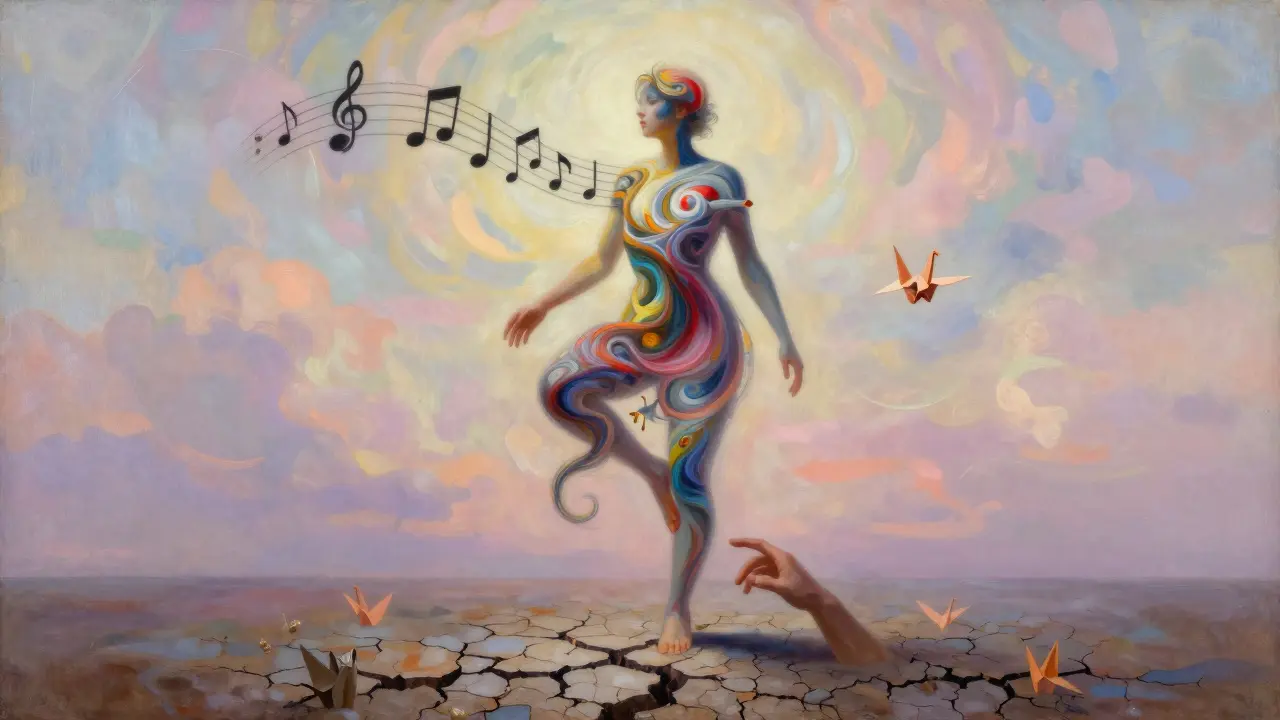
This approach recognizes that healing isn’t linear. Sometimes you need to scream. Sometimes you need to write. Sometimes you need to fold paper cranes until your hands stop shaking. Expressive arts therapy lets you switch between forms until something clicks.
One woman in Melbourne used this method after losing her husband. She painted his face, then wrote letters to him, then danced to his favorite song, then buried the letters in the garden. She didn’t call it therapy. She called it survival. Her therapist called it integration.
Who Can Benefit?
You don’t need a diagnosis to try creative arts therapies. They’re not just for people with mental illness. They’re for anyone carrying unseen weight.
- Parents overwhelmed by burnout
- Students facing exam stress
- Retirees grieving lost independence
- Refugees adjusting to a new country
- People recovering from physical injury
- Anyone who feels numb, disconnected, or stuck
In Brisbane, community centers now offer low-cost or sliding-scale sessions. Some are even free for veterans, seniors, and youth. You don’t need a referral. Just show up.
Getting Started
Here’s how to begin:
- Find a registered creative arts therapist through the Australian Creative Arts Therapies Association website.
- Ask if they offer a free 15-minute consultation. Most do.
- Try a single session before committing. No pressure.
- If you can’t access a therapist, try simple exercises at home: draw without lifting your pen, hum while walking, write a letter you’ll never send.
You don’t need supplies. Just curiosity. A pencil. A piece of paper. A quiet space. Your body. Your voice. That’s enough.
What to Expect
First session? It’s not about making art. It’s about safety. The therapist will ask about your goals, your limits, what feels comfortable. They’ll explain confidentiality. They’ll let you know you can stop anytime.
Some people feel awkward at first. That’s normal. The goal isn’t to be good. It’s to be real. After a few sessions, the awkwardness fades. What replaces it is quiet relief. A sense of being heard-even if no one spoke.
Why This Works When Other Therapies Don’t
Traditional therapy asks you to explain your pain. Creative arts therapy asks you to show it. And sometimes, showing is the only way to begin healing.
Brain scans show that when people create art, the prefrontal cortex-the part responsible for logic and self-criticism-quiets down. Meanwhile, the amygdala-the fear center-calms. The result? Less internal chatter. More space to feel.
It’s not a replacement for medication or talk therapy. But for many, it’s the missing piece. The bridge between the mind and the body. The language of the unspeakable.
You don’t have to be broken to try this. You just have to be tired of pretending you’re okay.
Do I need to be artistic to benefit from creative arts therapies?
No. Creative arts therapies aren’t about skill or talent. They’re about expression. A therapist won’t judge your drawing, singing, or movement. They’ll help you explore what it means to you. Many people who come in saying, “I’m not creative,” end up saying, “I didn’t know I could feel this way.”
Are creative arts therapies covered by Medicare or private health insurance?
In Australia, some private health funds cover creative arts therapies under “extras” policies, especially if delivered by a registered therapist. Medicare doesn’t currently fund them directly, but you may be eligible for rebates through a Mental Health Treatment Plan if referred by a GP. Check with your provider or visit the ACATA website for updated info.
Can children benefit from creative arts therapies?
Yes. Children often express emotions through play and art before they can put them into words. Art therapy helps kids with trauma, ADHD, autism, or grief. Schools in Queensland now partner with therapists to offer group sessions during school hours. Parents report improved behavior, communication, and emotional resilience after just a few weeks.
How long does it take to see results?
Some people feel a shift after one session. Others need 8-12 weeks. It depends on your goals, your history, and your pace. Unlike medication, which can numb symptoms quickly, creative arts therapies help you rebuild from the inside out. The changes are subtle at first-a deeper breath, a lighter step, a moment of quiet clarity.
Is online creative arts therapy effective?
Yes, especially for art and music therapy. Many therapists now offer virtual sessions using video calls. You can draw, sing, or move in your own space. Some find it easier to open up at home. For dance therapy, movement can be adapted to small spaces. The key is finding a therapist experienced in online delivery. Not all are, so ask before booking.
Next Steps
If you’re curious, start small. Buy a sketchbook. Sit with it for five minutes. Don’t try to make something beautiful. Just let your hand move. Or put on one song that makes you feel something-anything-and close your eyes. Let your body respond.
You don’t need permission to heal. You just need to begin.