Have you ever sat down to meditate, only to find your mind racing like a hamster on caffeine? You’re not alone. The gap between wanting calm and actually feeling it is often bridged by sensory cues. Enter aromatherapy. It’s not just about smelling nice; it’s a biological hack that uses scent to signal safety to your brain. When you combine the focused attention of meditation with the limbic system stimulation of essential oils, you create a feedback loop that deepens relaxation faster than either practice could alone.
This isn’t woo-woo magic. It’s neuroscience. Your olfactory bulb-the part of your brain that processes smell-has direct neural pathways to the amygdala and hippocampus, the areas responsible for emotion and memory. While other senses route through multiple processing centers before reaching these emotional hubs, smell takes the express lane. This means an inhale of Lavender is an essential oil known for its calming properties can lower cortisol levels within minutes, preparing your nervous system for the stillness required in meditation.
The Science Behind Scent and Stillness
To understand why this works, we have to look at how your body handles stress. When you are stressed, your sympathetic nervous system is in charge. This is the "fight or flight" mode. Meditation aims to activate the parasympathetic nervous system, the "rest and digest" mode. Essential oils act as a bridge. Research published in journals like the Journal of Alternative and Complementary Medicine has shown that specific terpenes-the aromatic compounds in plants-can modulate neurotransmitters like GABA, which helps reduce neuronal excitability.
For example, linalool, the primary compound in lavender, has been shown to decrease anxiety and improve sleep quality. By introducing this scent during your meditation session, you aren’t just masking bad smells; you are chemically assisting your brain in shifting gears. This makes the transition from a busy day to a quiet mind significantly smoother. You are essentially training your brain to associate a specific scent with a state of deep calm. Over time, just the smell of that oil will trigger a relaxation response, even without the full meditation routine.
Choosing the Right Oils for Your Intentions
Not all essential oils are created equal when it comes to meditation. Some are energizing, some are grounding, and some are clarifying. Choosing the right one depends on what you want to achieve in your session. Are you trying to clear mental fog? Or do you need to ground yourself after a panic attack?
| Goal | Recommended Oil | Key Compound | Effect |
|---|---|---|---|
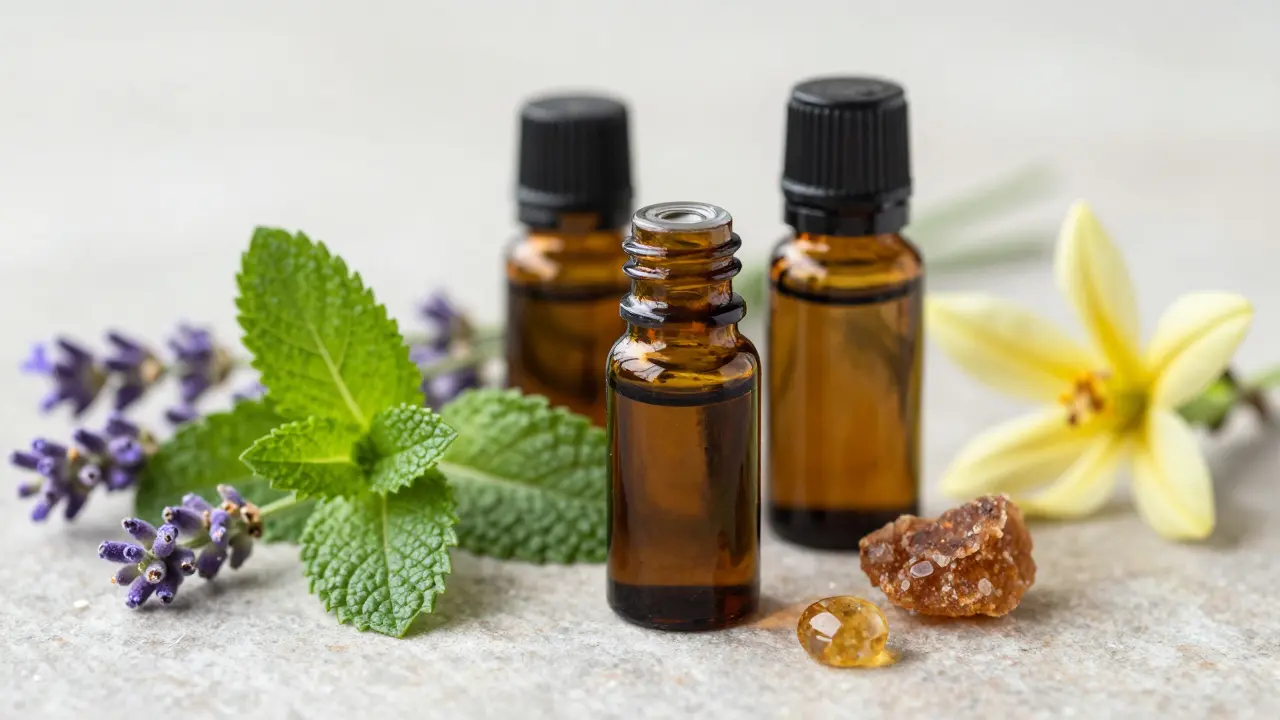
| Deep Relaxation | Lavender | Linalool | Lowers heart rate, reduces anxiety |
| Mental Clarity | Peppermint | Menthol | Increases alertness, sharpens focus |
| Grounding | Frankincense | Boswellic acid | Slows breathing, promotes spiritual connection |
| Emotional Balance | Ylang Ylang | Linalyl acetate | Reduces blood pressure, lifts mood |
| Sleep Aid | Chamomile | Bisabolol | Sedative effect, calms irritability |
If you are new to this, start with Lavender or Frankincense. They are gentle and widely available. Avoid strong citrus oils like Lemon or Grapefruit if you are meditating in the evening, as their uplifting nature might keep you awake. Conversely, avoid heavy sedatives like Vetiver if you are trying to meditate in the morning to boost productivity. Match the oil to the time of day and your emotional state.
Methods of Application: How to Use the Oils
You don’t need expensive equipment to get started. In fact, simplicity often leads to better results because it removes friction from your routine. Here are the three most effective ways to introduce aroma into your practice.
- Inhalation via Tissue: Put two drops of your chosen oil on a tissue or cotton ball. Hold it near your nose while you sit. This is great for beginners because it allows you to control the intensity. If the scent becomes overwhelming, you can simply move it away.
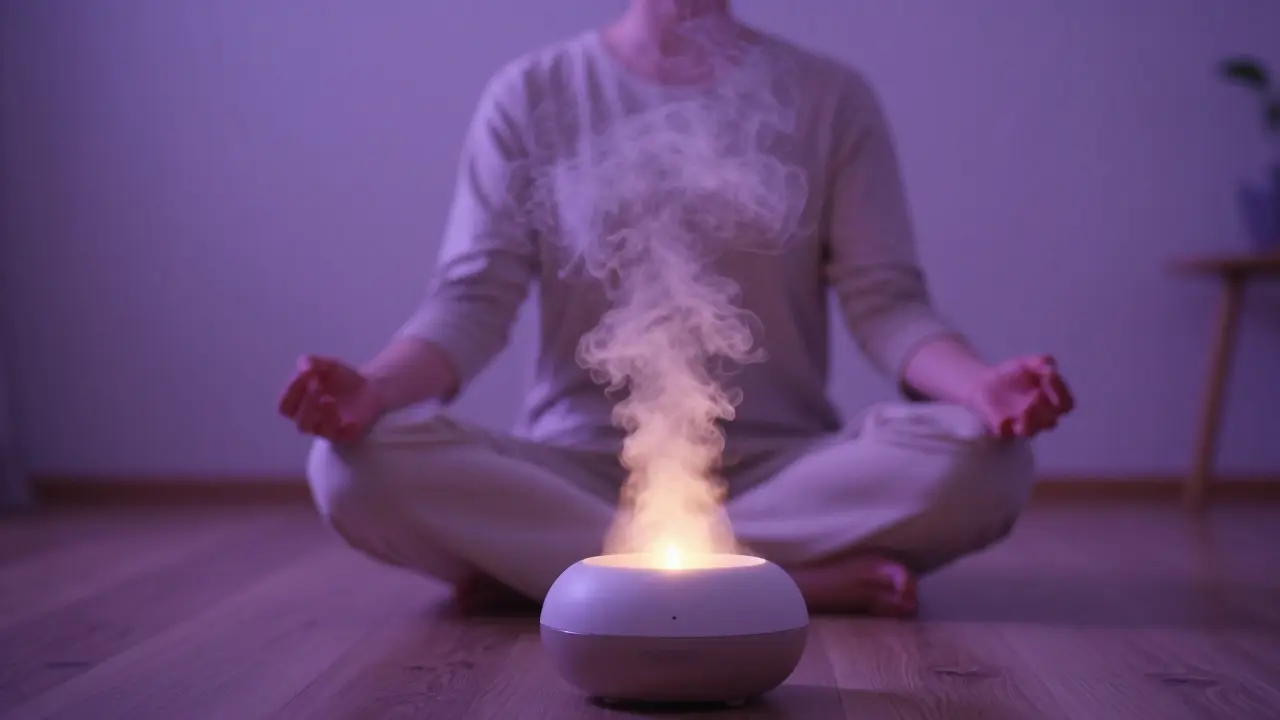
- Diffuser: An ultrasonic diffuser disperses the oil into the air. This creates a pervasive atmosphere. It’s ideal if you meditate in a dedicated space. Add 3-5 drops to water. Let it run for 15-20 minutes before you sit down, so the room is already infused when you begin.
- Topical Pulse Points: Dilute one drop of essential oil with a carrier oil (like jojoba or almond oil) and apply it to your wrists or temples. As you breathe, you inhale the scent passively. This method is portable and discreet, perfect for office breaks or travel.
Avoid applying undiluted essential oils directly to your skin. They are highly concentrated and can cause irritation or allergic reactions. Always dilute. Also, never ingest essential oils unless under the guidance of a qualified healthcare professional. Inhalation and topical use are the safest routes for meditation support.
Creating a Ritual: Step-by-Step Guide
Consistency is key. To make aromatherapy meditation work, you need to turn it into a ritual. Here is a simple framework to follow.
- Set the Scene: Find a quiet spot. Dim the lights if possible. Light a candle if it helps you relax, but ensure safety first.
- Prepare the Scent: Add your essential oil to your diffuser or apply it to your pulse points. Take a moment to notice the scent. Don’t judge it; just observe it.
- Anchor Your Breath: Close your eyes. Inhale deeply through your nose, focusing on the aroma. Exhale slowly through your mouth. Repeat this five times. This signals to your body that it is safe to relax.
- Focus on the Sensation: Instead of counting breaths, try focusing on the sensation of the scent entering your nostrils. Is it cool? Warm? Sharp? Sweet? Use this sensory detail as your anchor. When your mind wanders, gently bring your attention back to the smell.
- Expand Awareness: After a few minutes, expand your awareness to include your whole body. Notice where you hold tension. Imagine the scent washing over those areas, dissolving the tightness.
- Close Gently: When you are ready to end, wiggle your fingers and toes. Open your eyes slowly. Take one last deep breath of the scented air before standing up.
This structure provides enough guidance to keep you on track but enough flexibility to adapt to your needs. Start with 5-10 minutes and gradually increase the duration as you become more comfortable.

Troubleshooting Common Issues
Even with the best intentions, things can go wrong. Here is how to handle common pitfalls.
- The Scent is Too Strong: This is common with oils like Peppermint or Eucalyptus. Reduce the number of drops. Less is more. If you are using a diffuser, try running it on a timer so it doesn’t saturate the room.
- I Feel Drowsy: If you are meditating during the day and fall asleep, you might be using a sedating oil like Lavender or Chamomile. Switch to a more uplifting oil like Bergamot or Rosemary.
- I Get Headaches: Some people are sensitive to certain terpenes. If you experience headaches, stop using the oil immediately. Ventilate the room. Try a different oil next time, starting with a very small amount.
- I Can’t Focus: If the scent distracts you rather than helps, try removing it temporarily. Focus on your breath first. Once you have established a baseline of focus, reintroduce the scent subtly.
Listen to your body. It knows what it needs better than any guidebook. If an oil feels "off," trust that instinct. There is no rule that says you must love every scent. Experiment until you find your match.
Safety First: Precautions and Best Practices
While essential oils are natural, they are potent chemicals. Safety should always be your priority. Pregnant women, nursing mothers, children, and pets require special consideration. For instance, Tea Tree Oil and Peppermint can be toxic to cats and dogs. Always research the safety profile of an oil before using it around animals.
Phototoxicity is another risk. Citrus oils like Lemon, Lime, and Bergamot can cause severe burns if exposed to sunlight after application. If you apply these topically, avoid sun exposure for at least 12 hours. Stick to inhalation methods if you plan to go outside.
Quality matters. Look for 100% pure essential oils from reputable brands. Avoid synthetic fragrances labeled as "essential oils." These often contain phthalates and other additives that can disrupt hormones and cause headaches. Check for GC/MS testing reports, which verify the purity and composition of the oil.
Can I use essential oils for meditation if I have asthma?
Proceed with caution. Strong scents can trigger asthma attacks in some individuals. If you have respiratory issues, consult your doctor before using aromatherapy. Start with very low concentrations and monitor your reaction. Inhalation via a tissue held slightly further away may be safer than using a diffuser.
How long does it take for aromatherapy meditation to show results?
Many people feel immediate relaxation due to the physiological effects of the oils. However, building a consistent habit takes time. Most practitioners notice significant improvements in stress levels and sleep quality after 2-4 weeks of daily practice. Consistency is more important than duration.
Is it okay to mix different essential oils?
Yes, blending oils can create unique synergistic effects. For example, combining Lavender with Bergamot can enhance relaxation while adding a touch of uplift. Start with simple blends of two oils. Keep a journal to track which combinations work best for you. Avoid mixing more than three oils at once to prevent sensory overload.
What is the best essential oil for beginners?
Lavender is the gold standard for beginners. It is gentle, versatile, and widely studied for its calming properties. It pairs well with almost any meditation style and is generally safe for most people. Another good option is Frankincense, which is excellent for deepening breath and focus.
Do I need a diffuser to practice aromatherapy meditation?
No, a diffuser is not necessary. Simple methods like applying diluted oil to your wrists or inhaling from a tissue are effective and cost-efficient. Diffusers are convenient for creating an ambient environment, but they are not required for the therapeutic benefits of aromatherapy.