Imagine walking into an office where the air feels lighter. People aren’t just surviving their shifts; they are actually engaging. There is no fear of speaking up about a mistake, and asking for help isn’t seen as a weakness. This isn’t a utopian dream or a brochure from a tech giant with unlimited resources. It is a mental health friendly workplace is an organizational environment that actively prioritizes the psychological and emotional well-being of its employees through policy, culture, and leadership behavior. In 2026, this is no longer a "nice-to-have" perk. It is the baseline expectation for talent retention and productivity.
We have moved past the era of free yoga mats and fruit bowls as the solution to systemic stress. While those things are nice, they do not fix a toxic management structure or unsustainable workloads. Creating a truly supportive environment requires digging into the root causes of workplace anxiety and building systems that protect human capacity. If you are a leader, HR professional, or even a concerned team member looking to shift the culture, here is how you build that foundation from the ground up.
Redefining Wellbeing Beyond Benefits
The first step is shifting the definition of mental health support from reactive benefits to proactive culture. Many companies offer Employee Assistance Programs (EAPs) but fail to mention them in onboarding, or worse, stigmatize their use. A mental health friendly workplace integrates wellbeing into daily operations, not just into the insurance handbook.
Consider the concept of psychological safety. Coined by Harvard researcher Amy Edmondson, this is the shared belief that the team is safe for interpersonal risk-taking. In practical terms, it means an employee can say, "I don’t know how to do this," or "I think this deadline is unrealistic," without fearing ridicule or retribution. Without psychological safety, no amount of counseling coverage will stop burnout because the stressor-the fear of failure-remains active every day.
- Move beyond compliance: Don't just meet legal requirements for sick leave. Encourage taking it.
- Normalize the conversation: Leaders should model vulnerability by sharing their own boundaries.
- Audit your language: Stop using phrases like "crunch time" or "all hands on deck" which glorify overwork.
Leadership as the Primary Driver
Culture flows downhill. If the CEO sends emails at 11 PM on Sunday, the entire organization feels pressured to respond. Leadership behavior sets the invisible rules of engagement. To create a mental health friendly workplace, managers must be trained not just in performance metrics, but in empathetic communication and stress recognition.
Managers are often the first line of defense against mental health crises. However, most are promoted based on technical skills, not people skills. They need specific training on how to spot signs of distress. Is the usually punctual employee missing deadlines? Is the vocal contributor suddenly silent? These are data points. A manager’s job is to ask, "How are you doing?" and then listen to the answer without immediately trying to fix it or judge it.
| Aspect | Traditional Approach | Mental Health Friendly Approach |
|---|---|---|
| Communication | Top-down directives | Open dialogue and feedback loops |
| Mistakes | Punitive or hidden | Learning opportunities discussed openly |
| Availability | Always online (24/7) | Respect for off-hours and right to disconnect |
| Workload | Added until someone breaks | Regularly assessed for sustainability |
Structural Changes: Boundaries and Flexibility
Good intentions crumble under bad structures. You cannot talk your way out of a workload problem. One of the most significant contributors to workplace anxiety in 2026 is the erosion of boundaries between work and life, exacerbated by remote and hybrid work models. The laptop never closes, so the mind never rests.
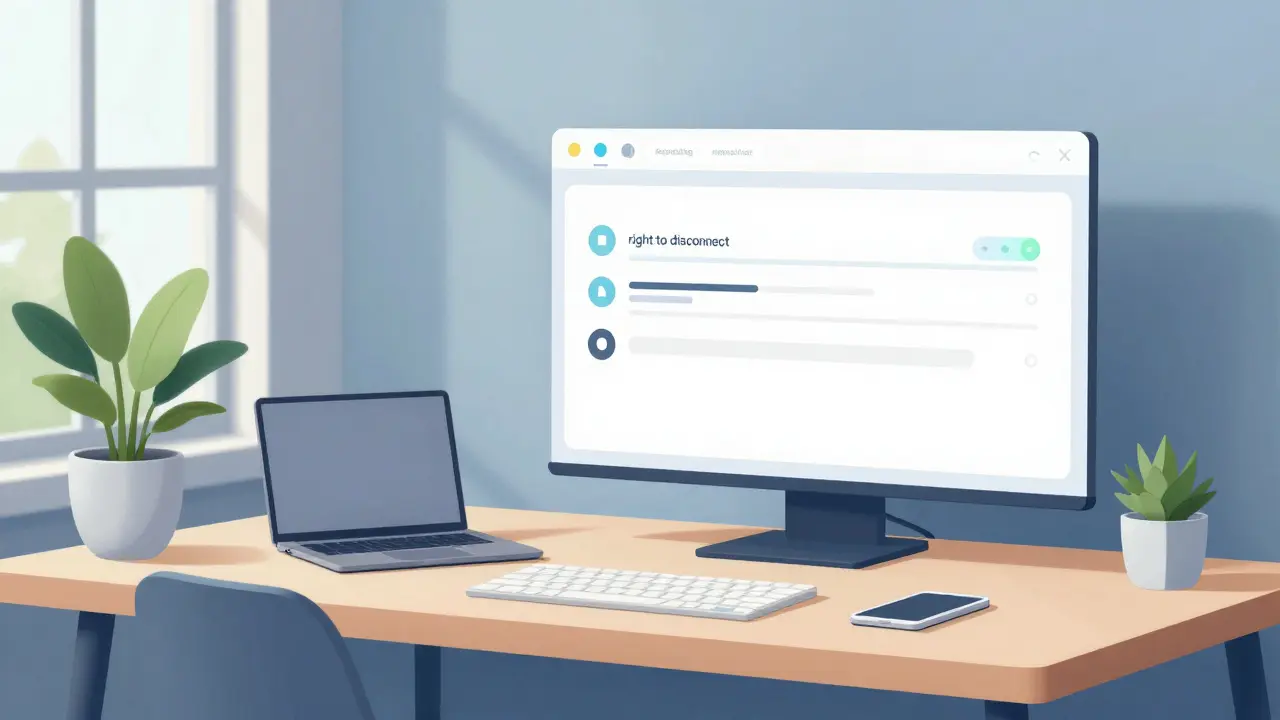
Implementing a "Right to Disconnect" policy is crucial. This doesn't mean banning all after-hours communication, but it does mean establishing clear norms. For example, if a manager sends an email at 8 PM, it should be scheduled to arrive at 9 AM the next morning unless it is a genuine emergency. This simple act signals to the team that rest is valued.
Flexibility is also key, but it must be meaningful. Offering flexible hours is useless if the core meetings are always scheduled at times that disadvantage parents or caregivers. True flexibility involves outcome-based performance reviews rather than hours-in-seat monitoring. When employees trust that their output matters more than their presence, anxiety drops significantly.

Designing for Human Needs
The physical and digital workspace plays a subtle but powerful role in mental health. Noise, lighting, and clutter can increase cortisol levels over time. In a hybrid world, this extends to digital hygiene. Constant Slack notifications and endless Zoom calls lead to "Zoom fatigue" and cognitive overload.
Consider these environmental adjustments:
- Quiet zones: Designate areas in the office (or protocols for remote workers) where deep focus work happens without interruption.
- Digital decluttering: Audit your tools. Do you really need five different messaging apps? Consolidate communication channels to reduce context switching.
- Nature access: Studies consistently show that access to natural light and greenery reduces stress. If you can't move the office to a park, bring plants inside and ensure windows are usable.
Also, rethink meeting culture. The default duration for meetings should drop from 60 minutes to 30, or from 30 to 25. This creates breathing room in the calendar for tasks and transition time, reducing the feeling of being constantly rushed.
Inclusion and Belonging
Mental health is deeply tied to identity. Employees who feel they have to hide parts of themselves-who they love, what they believe, or where they come from-experience higher levels of chronic stress. This is known as "covering." A mental health friendly workplace fosters inclusion where diverse perspectives are not just tolerated but sought after.
This goes beyond hiring quotas. It means creating Employee Resource Groups (ERGs) that are supported by leadership, not just funded minimally. It means ensuring that policies are equitable. For instance, does parental leave apply equally to all genders? Does bereavement leave recognize chosen family? When employees see that the organization respects their whole selves, their sense of belonging increases, which is a protective factor against depression and anxiety.
Measuring What Matters
You can't improve what you don't measure. Traditional engagement surveys often miss the nuance of mental health. They might ask if you are "happy," but not if you feel "safe" or "exhausted." Companies need to implement regular pulse checks that specifically target psychological safety and burnout risk.
Use validated metrics. Instead of vague questions, ask specific ones:
- "In the last month, have you felt overwhelmed by your workload?"
- "Do you feel comfortable discussing mental health concerns with your manager?"
- "Have you taken all your entitled leave days in the last year?"
Analyze this data anonymously and share the results transparently. Then, act on them. If 40% of staff report burnout, launching a mindfulness app is a band-aid. Reducing headcount expectations or hiring more support staff is the cure. Closing the loop between measurement and action builds trust.
Support Systems That Actually Work
When things go wrong, support needs to be accessible and stigma-free. Traditional EAPs often have low utilization rates because employees don't know about them or fear judgment. Modern approaches include integrating mental health support into primary care platforms or offering subscriptions to therapy apps that provide immediate, anonymous access to professionals.
Peer support programs are also gaining traction. Training employees to be "mental health first aiders" creates a network of trusted colleagues who can guide others to professional help. This democratizes support and removes the barrier of having to go to HR, which some view as adversarial.
What is the ROI of a mental health friendly workplace?
The return on investment is significant. According to the World Health Organization, for every $1 put into scaling up treatment for common mental disorders, there is a return of $4 in improved health and productivity. In a corporate context, reduced absenteeism, lower turnover costs, and higher innovation rates due to psychological safety far outweigh the cost of implementing supportive policies.
How do I start if I am not in HR or management?
You can influence culture from any level. Start by modeling healthy boundaries yourself. Respect colleagues' time by not sending non-urgent messages after hours. Advocate for clearer project scopes to prevent burnout. Join or form a wellbeing committee. Often, bottom-up pressure is what drives top-down change.
Is remote work better for mental health?
It depends on execution. Remote work offers flexibility and eliminates commute stress, which boosts wellbeing for many. However, it can also lead to isolation and blurred boundaries. A mental health friendly approach ensures remote workers have intentional social connection and strict protocols for disconnecting, preventing the "always-on" trap.
What are common mistakes companies make?
The biggest mistake is treating symptoms instead of causes. Offering meditation apps while maintaining unrealistic deadlines is ineffective. Another error is lack of consistency; if leadership preaches balance but works weekends, employees will ignore the message. Authenticity and structural alignment are key.
How often should we check in on employee mental health?
Formal surveys should happen quarterly or bi-annually to track trends. Informal check-ins should be weekly or monthly within teams. Managers should normalize brief "wellbeing pulses" during one-on-one meetings, asking open-ended questions about workload and stress levels, not just task completion.