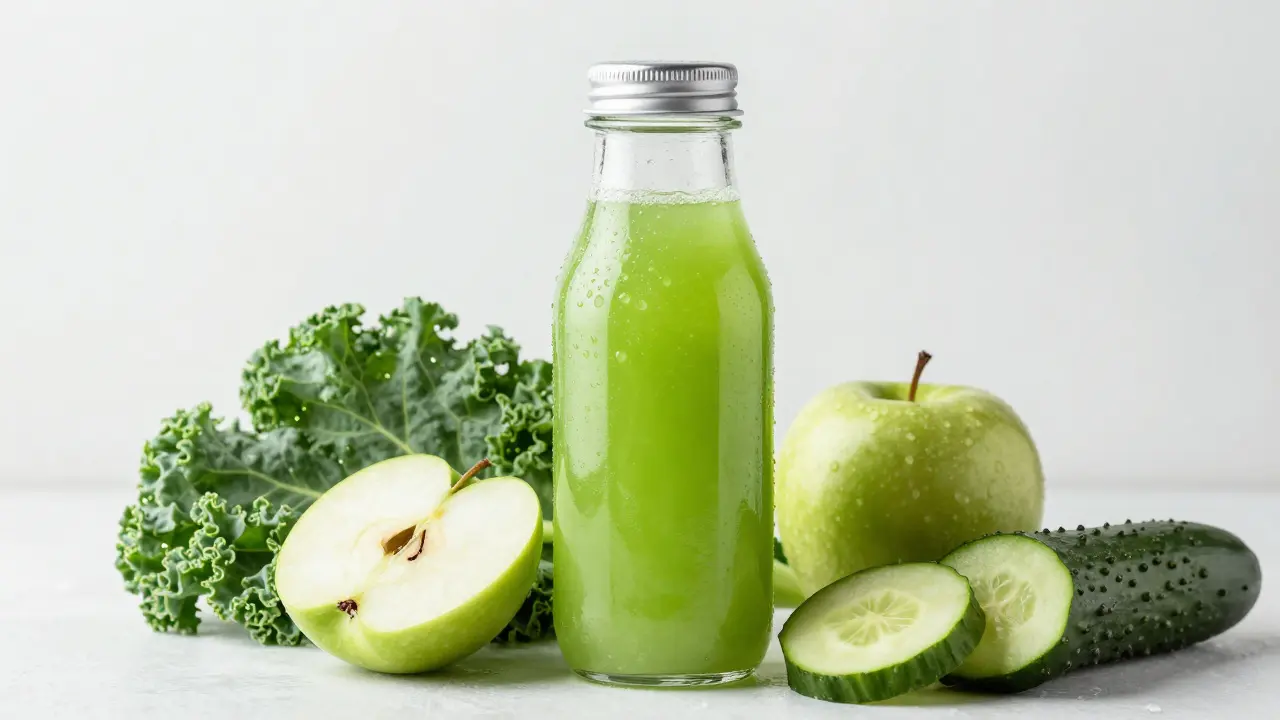
You see them every day: vibrant, neon-green bottles promising a "detox" or a "nutrient blast" that will fix your energy levels in one gulp. But if you strip away the sleek packaging and the marketing buzzwords, what are you actually drinking? Many people treat nutritional value of health juice as a magic bullet for health, yet the reality is far more nuanced. Depending on how that juice is made and what goes into it, you might be getting a concentrated dose of vitamins or just a glass of expensive sugar water.
To get started, let's define what we mean here. Health Juice is a beverage made from extracting the liquid from fruits and vegetables, typically marketed as a way to increase nutrient intake without consuming whole produce. While it sounds like a win-win, the process of juicing fundamentally changes the biology of the food you're consuming.
The Big Trade-Off: Fiber vs. Liquid Nutrients
When you put a bunch of kale and apples into a juicer, the machine does something very specific: it separates the liquid from the pulp. That pulp is where the Dietary Fiber lives. Fiber is the unsung hero of nutrition; it slows down the absorption of sugar into your bloodstream and keeps your gut microbiome happy. By removing it, you're essentially removing the "brake pedal" for your blood sugar.
If you drink a glass of orange juice, your body absorbs the fructose almost instantly. If you eat the whole orange, the fiber slows that process down, preventing a massive insulin spike. This is why some people feel a quick burst of energy followed by a "crash" after a heavy fruit juice-it's a classic glucose rollercoaster. To avoid this, the trick is to lean heavily on leafy greens rather than sweet fruits.
Cold Pressed vs. Centrifugal Juicing
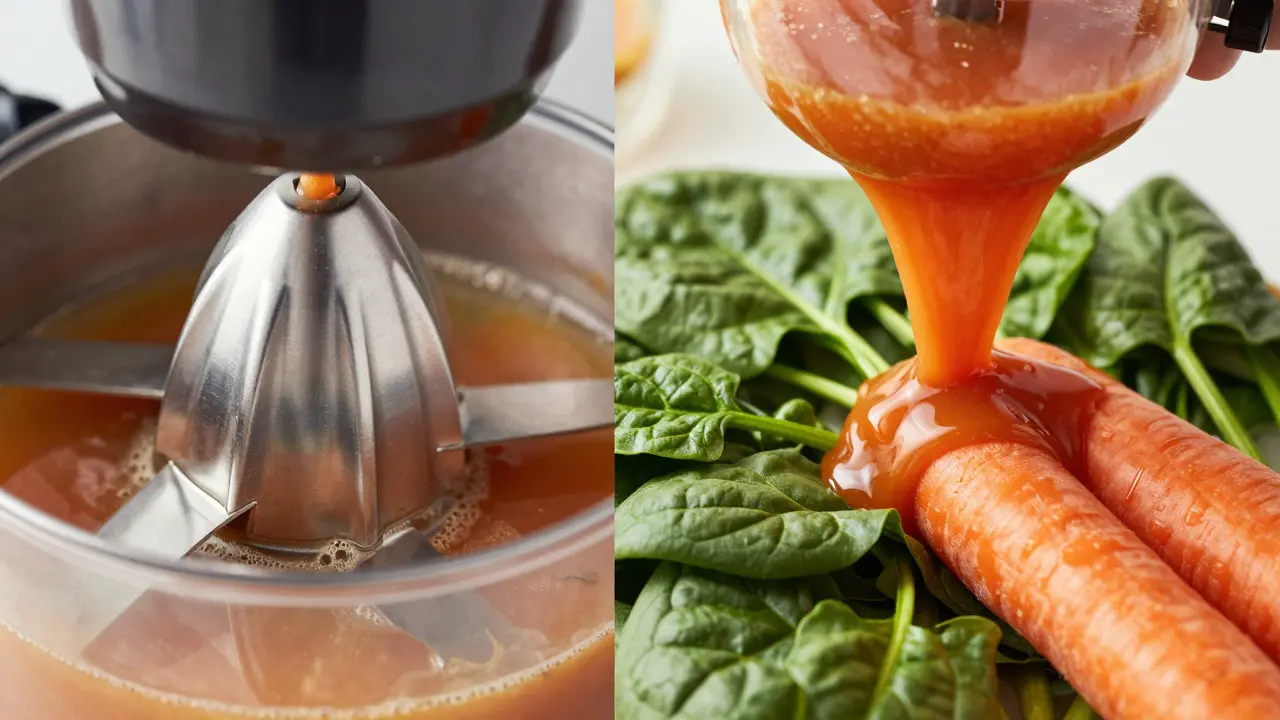
Not all juicers are created equal. If you're buying from a store or picking a machine for your kitchen, you'll likely see two main types. Centrifugal juicers use a fast-spinning blade to shred produce and push the juice through a mesh screen. Because they spin so fast, they introduce oxygen into the juice, which leads to faster oxidation. This means the nutrients start breaking down almost immediately.
On the other hand, Cold Pressed Juice (also known as masticating juicing) uses a slow auger to crush the produce. Since there is less heat and less oxygen involved, the vitamins stay intact longer. If you're looking for the highest nutrient density, the slow-press method is the way to go, though it takes more time and effort.
| Feature | Centrifugal Juicing | Cold Pressed (Masticating) | Whole Produce |
|---|---|---|---|
| Nutrient Retention | Moderate (Oxidation risk) | High | Maximum |
| Fiber Content | Very Low | Low | High |
| Sugar Absorption | Rapid | Rapid | Slow/Steady |
| Preparation Speed | Fast | Slow | Instant |
The Vitamin Powerhouse: What's Actually Inside?
When we talk about the nutrition in these drinks, we're usually talking about Micronutrients. Depending on your ingredients, you can get a massive dose of specific vitamins. For instance, a juice made from spinach and kale is packed with Vitamin K and Vitamin A, which are essential for bone health and skin regeneration. Carrots add a huge punch of beta-carotene, which the body converts to Vitamin A.
However, some vitamins are fat-soluble. This means that if you drink a green juice on an empty stomach without any fat (like avocado or a few nuts), your body might struggle to absorb those nutrients efficiently. Adding a tiny bit of healthy fat to your morning routine can actually make your health juice more effective.
Juicing vs. Blending: Which is Better?
This is the age-old debate. If you use a Blender to make a smoothie, you are keeping everything-the fiber, the seeds, and the skin. You're essentially eating the fruit in a liquid form. This keeps you full longer and is generally better for your digestion.
Juicing is better when you want a concentrated hit of nutrients without feeling bloated. For example, if you struggle to eat five cups of raw spinach a day, juicing them into a small glass is a great way to get those minerals quickly. It's about the goal: do you want a meal replacement (blend) or a nutrient supplement (juice)?
Hidden Traps in Store-Bought Juices
Walking down the juice aisle is a minefield. Many brands claim to be "100% Natural" but are actually processed using Pasteurization. This process uses heat to kill bacteria and extend shelf life, but it also destroys many of the heat-sensitive enzymes and vitamins that make health juice valuable in the first place.
Then there's the sugar. A "healthy" apple and beet juice can have as much sugar as a soda. Since the fiber is gone, your liver has to process all that fructose at once. If you're buying pre-made, always check for "added sugars" or "concentrates." A concentrate is basically sugar syrup that has been re-hydrated, offering almost zero nutritional benefit compared to fresh-pressed juice.
How to Build a Truly Nutritious Juice
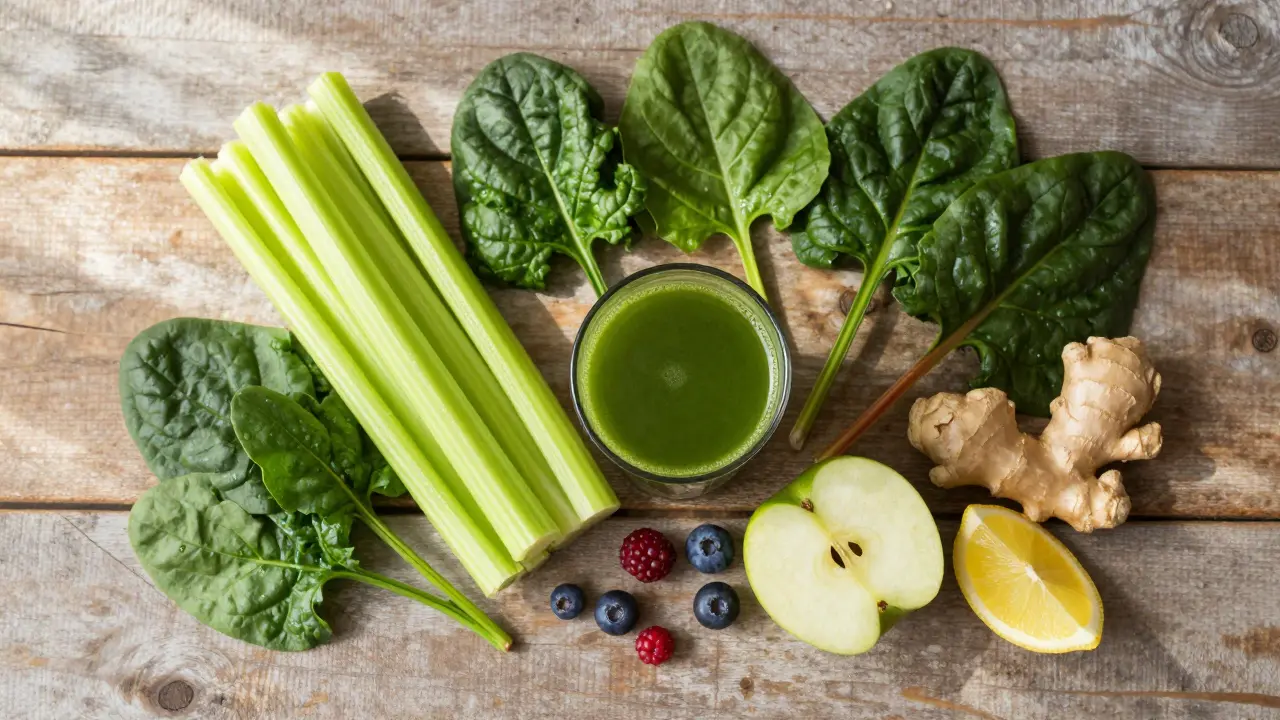
If you want to maximize the health benefits, stop thinking about juice as a treat and start thinking about it as a liquid salad. The 80/20 rule is a great guideline: 80% vegetables and 20% fruit. This keeps the sugar low while keeping the taste palatable.
- The Base: Use cucumbers or celery. They have high water content and a neutral taste, which dilutes the intensity of other ingredients.
- The Nutrient Boost: Add spinach, kale, or swiss chard. These are the heavy hitters for vitamins and minerals.
- The Flavor Pop: Use lemon, lime, or a small piece of ginger. Ginger adds a spicy kick and is known for aiding digestion.
- The Sweetener: Use a green apple or a few berries. Avoid using entire pineapples or mangoes as the primary base, as the sugar content will skyrocket.
The Verdict on "Detoxes"
You'll often see juice cleanses marketed as a way to "flush toxins" from your body. From a biological standpoint, this is mostly a myth. Your Liver and Kidneys are the only detox systems you need; they work 24/7 to filter your blood and remove waste. Juice cleanses can make you feel lighter because you're eating fewer calories, but they aren't "scrubbing" your organs.
In fact, extreme juicing for several days can lead to muscle loss because you aren't consuming any protein. If you enjoy the feeling of a cleanse, try a "gentle" version: keep your whole proteins and healthy fats, but replace one meal a day with a vegetable-heavy juice.
Can I drink health juice every day?
Yes, as long as you focus on vegetables. If you're drinking high-fruit juices daily, you're consuming a lot of liquid sugar, which can impact your insulin levels. Stick to a green-dominant mix for daily consumption.
Is it better to juice or eat whole vegetables?
Eating whole vegetables is always superior because you get the fiber. However, juicing is a helpful tool for people who can't meet their daily veggie quota through eating alone or those with specific digestive issues who need a break from heavy fiber.
Does the color of the juice indicate its nutritional value?
To an extent. Different colors represent different phytochemicals. Deep greens indicate chlorophyll and Vitamin K; orange/yellow indicates beta-carotene; deep red/purple (like beets) indicates anthocyanins. A variety of colors usually means a broader range of nutrients.
Will juicing help me lose weight?
Juice can help if it replaces high-calorie snacks or sugary drinks. However, because juice lacks fiber and protein, it doesn't keep you full. If you only drink juice, you'll likely feel hungry quickly, which can lead to overeating later in the day.
How long does fresh juice stay nutritious?
Fresh juice starts losing its nutritional value the moment it's made due to oxidation. Cold-pressed juices last slightly longer (usually 48-72 hours in the fridge), but for maximum benefit, it's best to drink it within 20 minutes of preparation.
Next Steps for Your Routine
If you're new to this, don't buy an expensive machine right away. Try a blender first to see if you enjoy the taste of greens. If you decide to go the juicing route, start with a simple cucumber-apple-lemon mix and slowly add more potent greens like kale. Remember, the goal isn't to replace food with juice, but to use juice as a supplement to a diet already rich in whole grains, lean proteins, and healthy fats.