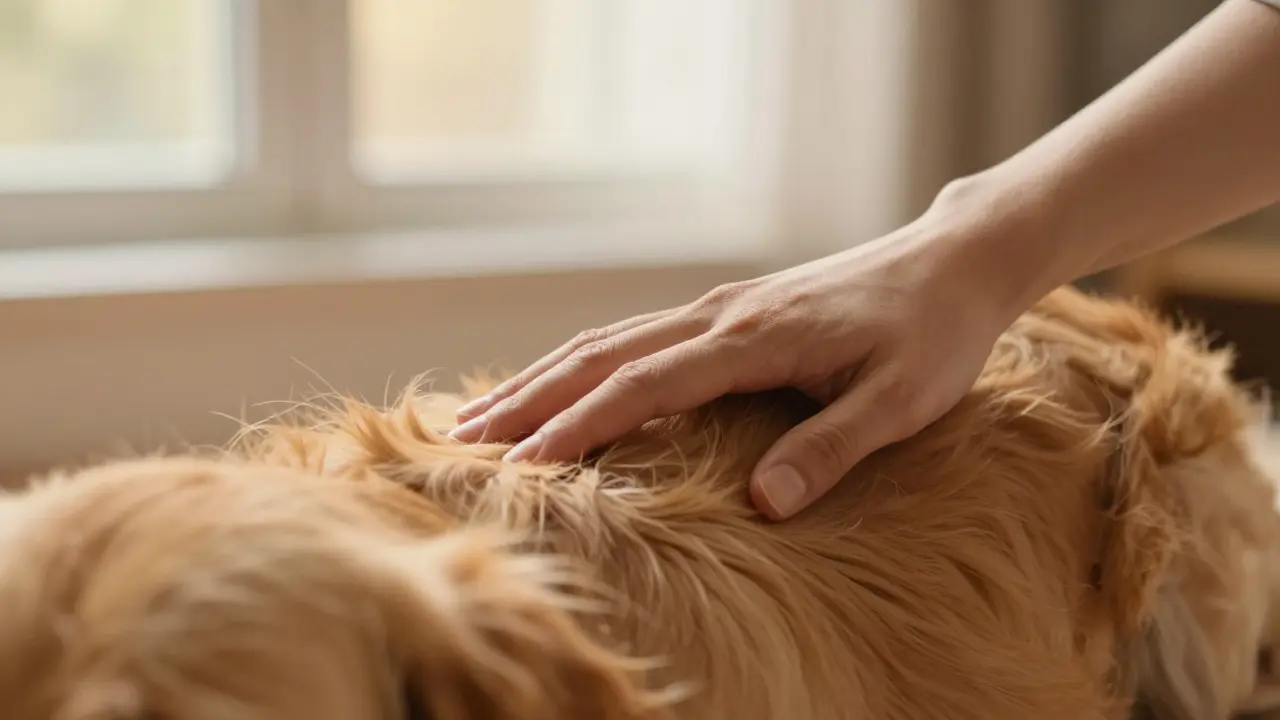
Mindfulness for pet owners isn't about some complex spiritual ritual. It's simply the act of paying full attention to your animal companion without judgment. When you stop treating pet care as a task to be completed and start treating it as a shared experience, something shifts. Your pet feels seen, and you feel a sudden drop in your own cortisol levels.
The Basics of Mindful Pet Interaction
To start, you need to understand that Mindfulness is the psychological process of bringing one's attention to experiences occurring in the present moment. For a pet owner, this means shifting from "autopilot" to "active awareness." Instead of thinking about your grocery list while brushing your dog, notice the texture of their fur and the way they lean into your hand.
Most of us suffer from a fragmented attention span. We are constantly interrupted by notifications or internal noise. Pets, however, are masters of the present. A cat watching a dust mote or a dog smelling a blade of grass is practicing a form of natural meditation. When we align our frequency with theirs, we enter a state of shared presence that strengthens the neural pathways associated with trust and affection.
| Activity | Autopilot Mode (Typical) | Mindful Mode (Enhanced) |
|---|---|---|
| Feeding | Dumping food in a bowl while checking phone. | Observing their excitement and the sound of eating. |
| Walking | Walking to a destination, ignoring the surroundings. | Noticing the pet's curiosity and the rhythm of their breath. |
| Grooming | Doing it quickly to get it over with. | Feeling the warmth of the skin and the animal's relaxation. |
Turning Daily Chores into Micro-Meditations
You don't need an extra hour in your day to practice mindfulness. You just need to change how you handle the things you already do. Let's look at a few specific examples of how to transform routine tasks into bonding moments.
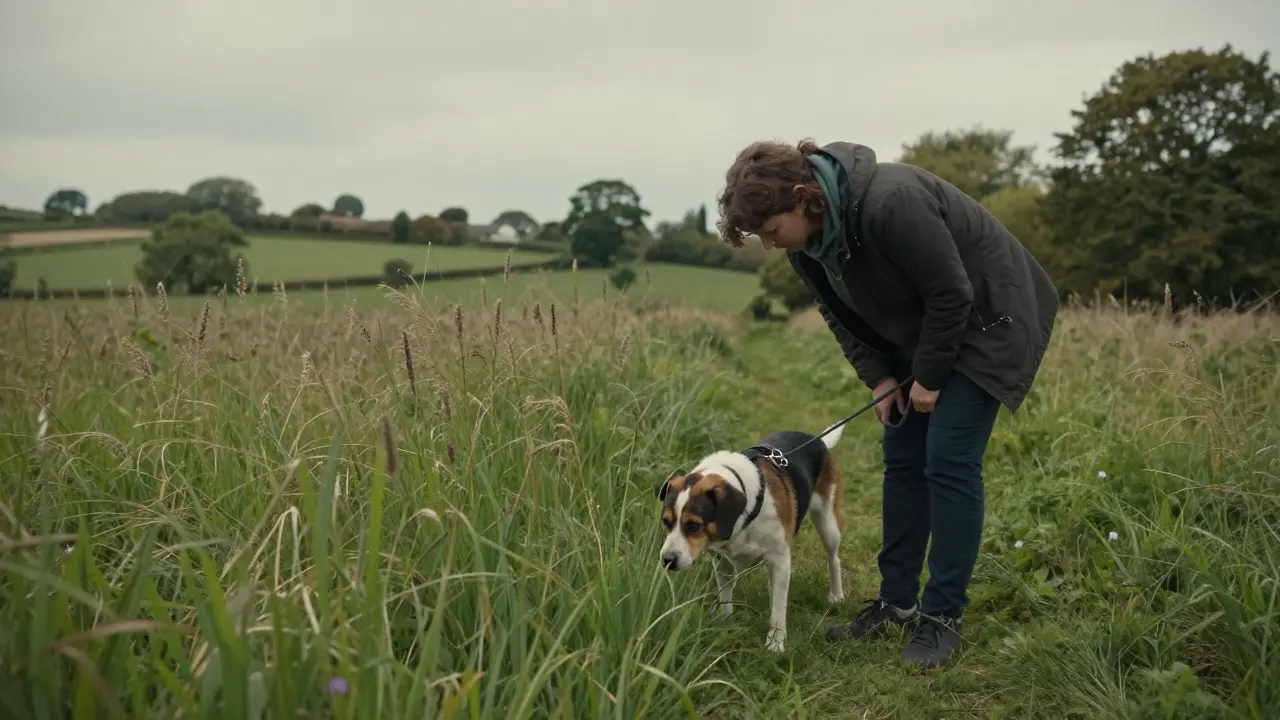
First, consider the walk. Instead of treating it as a bathroom break or a way to hit your step goal, try a "sensory walk." Let your dog lead the way. Instead of pulling them toward a destination, observe where they stop. What are they smelling? Why is that specific patch of grass interesting? This is called Decompression Walking, a technique used by behavioral specialists to lower stress in high-drive dogs. By slowing down, you signal to your pet that the environment is safe, and you simultaneously lower your own heart rate.
Then there is grooming. Whether it's brushing a long-haired cat or clipping nails, these moments can either be a struggle or a sanctuary. If you are tense, your pet picks up on that through your muscle tightness and the scent of stress hormones. If you approach grooming with a slow, steady breath and a calm internal dialogue, your pet is more likely to remain still. Focus on the tactile sensation-the resistance of the brush through the fur or the softness of their ears. This creates a feedback loop of calm.
Listening Beyond the Bark and Meow
True bonding happens when we stop projecting human emotions onto our pets and start observing their actual behavior. We often say, "My dog is feeling guilty," but in reality, they are responding to our body language and tone. Mindful observation allows you to see the subtle cues-the slight flicker of an ear, the tension in a shoulder, or the specific way a cat blinks.
Practice "Active Observing." Set a timer for three minutes. Sit quietly with your pet. Do not talk, do not pet them, and do not look at your phone. Just watch. Notice how they shift their weight, how they breathe, and how they interact with the space around them. This removes the pressure of expectation. When you stop demanding interaction, pets often become more curious and approach you on their own terms, which builds a deeper sense of mutual respect.
This approach is closely linked to Ethology, which is the scientific study of animal behavior. By applying an ethological lens to your mindfulness practice, you stop judging your pet for "bad" behavior and start seeing it as communication. A cat knocking a glass off a table isn't "being a jerk"; they might be bored or seeking attention. When you respond with mindfulness instead of frustration, the bond grows because the pet feels understood.
The Science of the Shared Calm
There is a biological reason why this works. When humans and animals engage in positive, mindful interactions, both release Oxytocin, often called the "love hormone." This neuropeptide facilitates social bonding and reduces the activity of the amygdala, the part of the brain responsible for the fight-or-flight response.
Research into the human-animal bond shows that focused petting and gazing can lower blood pressure and reduce anxiety. However, this only happens when the interaction is consensual and present. If you are petting your dog while arguing with someone on a speakerphone, the animal senses the conflict, not the affection. The biological benefit is maximized when the human's mental state matches the physical action.
Consider the "co-regulation" effect. If you are feeling anxious, your pet may become agitated. Conversely, if you consciously slow your breathing and relax your shoulders, your pet will often mirror that calm. You are essentially using your pet as a biological anchor to bring you back to the present moment.
Dealing with Behavioral Challenges Mindfully
It's easy to be mindful when your pet is sleeping. It's much harder when they're chewing your favorite shoes or howling at 3 AM. This is where the real work happens. The goal is to move from a reactive state to a responsive state.
- Pause before reacting: When your pet does something frustrating, take one deep breath. This creates a gap between the stimulus (the chewed shoe) and your response (the shout).
- Ask "Why?": Instead of labeling the behavior as "bad," ask yourself what need the pet is trying to meet. Are they under-stimulated? Are they anxious?
- Focus on the breath: If you feel your anger rising, focus on the feeling of your feet on the floor. This prevents the emotional escalation that can scare your pet and damage your bond.
By treating behavioral issues as a puzzle to be solved rather than a battle to be won, you maintain the emotional safety of the relationship. This is the core of Positive Reinforcement, a training method that focuses on rewarding desired behaviors rather than punishing mistakes. When paired with mindfulness, it becomes a conversation rather than a set of commands.

Integrating Mindfulness into a Busy Schedule
You don't need to move to a mountain retreat to find peace. You can find it in your living room. The trick is to create "Mindfulness Anchors" throughout your day. An anchor is a recurring event that reminds you to come back to the present.
For example, make the act of putting on the leash your anchor. The moment your hand touches the collar, let that be the signal to drop your shoulders and take a conscious breath. Or, use the sound of the food bowl hitting the floor as a reminder to look your pet in the eyes and smile. These tiny shifts, repeated daily, accumulate into a significant change in the energy of your home.
If you find your mind wandering, don't fight it. Just notice the thought and then gently bring your attention back to the feeling of your pet's weight against your leg or the sound of their purr. The act of returning to the present is where the actual "exercise" of mindfulness happens.
Can mindfulness actually change my pet's behavior?
Yes, indirectly. While mindfulness is a human practice, animals are incredibly sensitive to our emotional states. When you are more present and less stressed, your pet feels safer and more secure. This reduces anxiety-driven behaviors like destructive chewing or excessive barking. By responding thoughtfully rather than reactively, you provide consistent cues that help your pet learn and settle.
What if my pet is too hyper to be mindful with?
Mindfulness isn't about forcing your pet to be still; it's about you being present with their energy. If your dog is zooming around the room, instead of trying to calm them down immediately, mindfully observe their joy. Notice the speed of their movements and the excitement in their eyes. Once you've accepted their current state, you can then introduce a calming influence by slowly lowering your own energy and inviting them to join you in a slower pace.
How long does it take to see a difference in the bond?
You will likely notice a shift in the very first session. Animals live in the immediate present, so they react to your energy in real-time. However, the deep, intuitive bond-where you can almost communicate without words-develops over weeks of consistent, mindful interaction. The more you signal that you are fully present and attentive, the more your pet will trust you and seek out your connection.
Is this only for dogs and cats?
Not at all. These principles apply to any sentient creature, whether it's a bird, a reptile, or a horse. The core of mindfulness is observation and presence. Whether you're watching the slow movement of a tortoise or the focused curiosity of a parrot, the act of paying undivided attention creates a bridge of understanding between different species.
Do I need to meditate for hours to make this work?
Absolutely not. The beauty of mindful pet ownership is that it's integrated. You aren't adding a new task to your to-do list; you're changing the quality of the tasks you already have. Three minutes of total presence while petting your cat is more valuable for your bond than an hour of distracted grooming.
Next Steps for Your Journey
If you're feeling overwhelmed, start with just one "mindful moment" a day. Pick one activity-like feeding or a quick brush-and commit to doing it without any digital distractions. Notice how it feels in your body and how your pet reacts. Once that feels natural, add another anchor.
For those dealing with severe behavioral issues, combine your mindfulness practice with professional guidance from a certified animal behaviorist. Mindfulness helps you manage your emotions, while a trainer provides the tools to manage the pet's actions. Together, these two approaches create a home environment rooted in peace and mutual understanding.