Have you ever felt your heart race while sitting perfectly still? That is the physical reality of anxiety. It is not just a thought in your head; it is a biological alarm system that has gone into overdrive. For millions of people, this alarm rings at inconvenient times-during meetings, before sleep, or even out of nowhere on a quiet Tuesday afternoon.
We often treat anxiety as a problem to be solved with logic. We try to reason our way out of fear. But anxiety does not speak logic. It speaks biology. This is where meditation is a mental training practice that cultivates attention and awareness to regulate emotional responses. Unlike talking therapies that address the narrative of your life, meditation addresses the hardware of your brain. It changes how your nervous system reacts to stress before your conscious mind even realizes what is happening.
Understanding the Biology of Anxiety
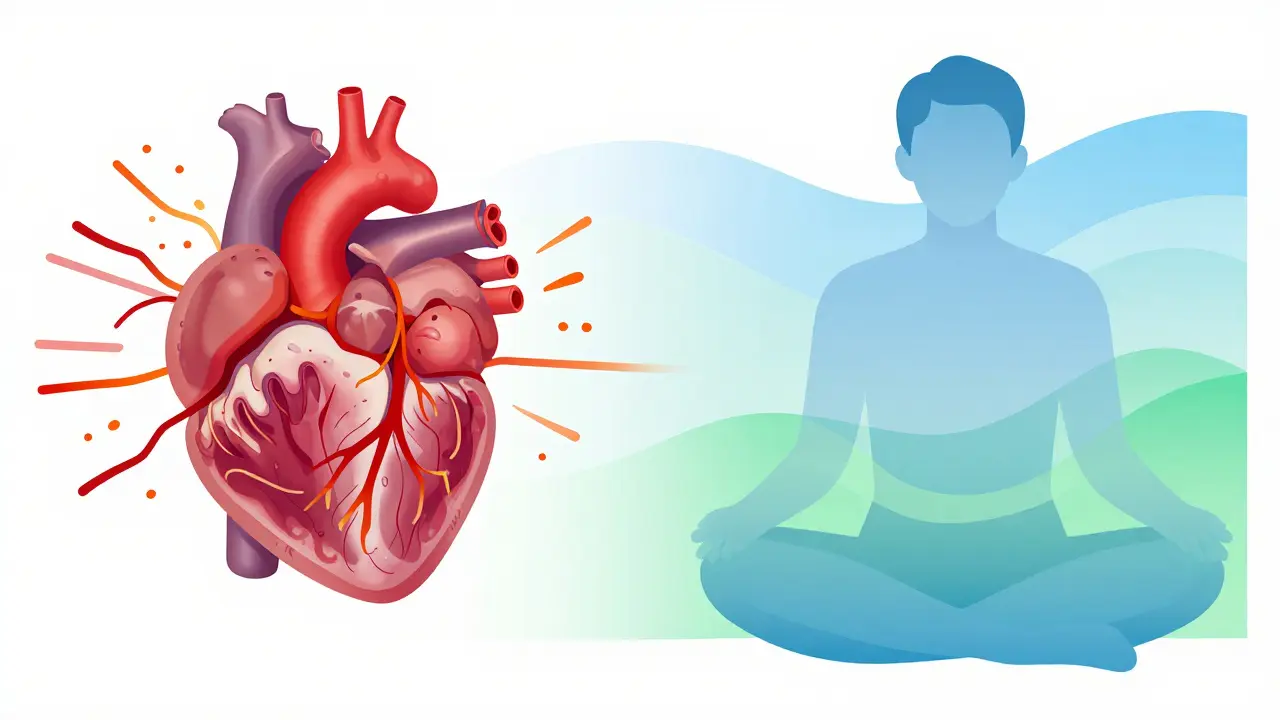
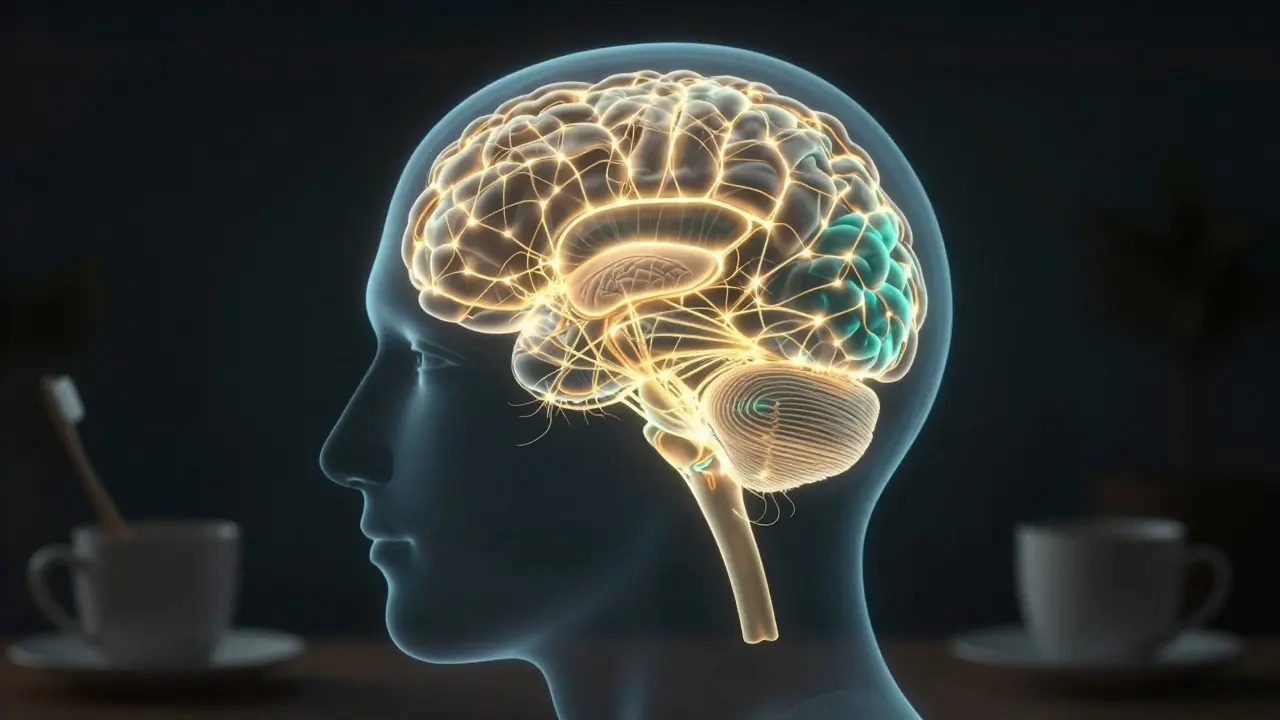
To understand why meditation works, we first need to look at what happens when you feel anxious. Your body enters a state known as "fight or flight." This response is controlled by the sympathetic nervous system. It releases cortisol and adrenaline. Your muscles tense up. Your breathing becomes shallow. Your amygdala-the part of the brain responsible for detecting threats-lights up like a Christmas tree.
The problem is that modern anxiety is rarely about tigers chasing us through the jungle. It is about emails, deadlines, and social interactions. Our brains do not distinguish well between a physical threat and a psychological one. They both trigger the same chemical cascade. Meditation acts as a brake pedal for this system. It activates the parasympathetic nervous system, often called the "rest and digest" mode. This shift lowers your heart rate and signals safety to your brain.
| Body Function | Anxiety State (Sympathetic) | Meditative State (Parasympathetic) |
|---|---|---|
| Heart Rate | Elevated, irregular | Slowed, regular |
| Breathing | Shallow, chest-focused | Deep, diaphragmatic |
| Cortisol Levels | High | Reduced |
| Amygdala Activity | Hyperactive | Calmed |
Types of Meditation for Anxiety Relief
Not all meditation is the same. If you have severe anxiety, trying to sit in silence and "empty your mind" can actually make things worse. The silence might give your anxious thoughts more room to spiral. Instead, you need specific techniques that anchor your attention.
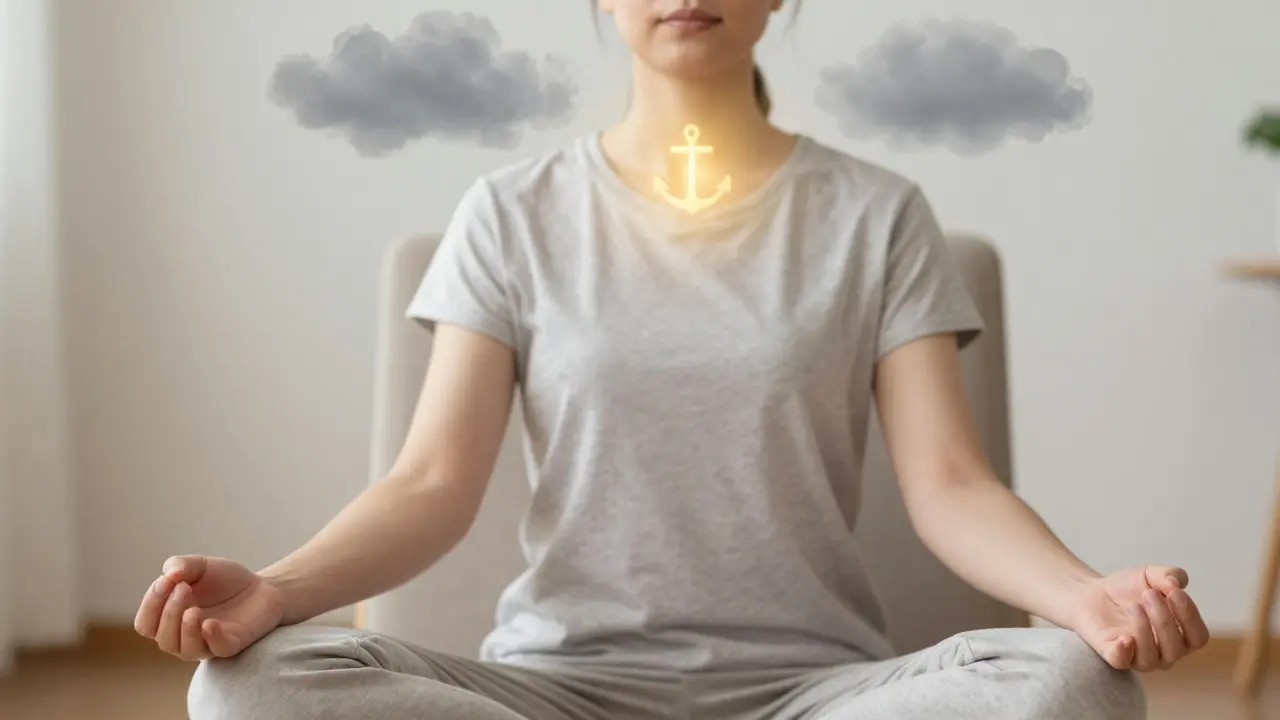
Mindfulness meditation is the practice of observing present-moment experiences without judgment. This is the most researched form for anxiety. You focus on your breath or bodily sensations. When a worry arises, you acknowledge it and gently return to the anchor. This trains your brain to detach from the story of the worry.
Loving-kindness meditation, also known as Metta, is a practice focused on cultivating feelings of goodwill and compassion toward oneself and others. Anxiety often comes with self-criticism. Metta directly counters this by directing positive phrases inward. Studies show this type of meditation increases activity in brain regions associated with empathy and decreases negative emotion.
Body scan meditation is a systematic practice of moving attention through different parts of the body to release tension. Since anxiety manifests physically, scanning your body helps you identify where you are holding stress-perhaps in your jaw or shoulders-and consciously relax those areas.
How to Start: A Practical Guide
You do not need hours of free time or a silent retreat center to benefit from meditation. Consistency matters more than duration. Here is a simple protocol to begin managing anxiety through meditation.
- Start small. Set a timer for five minutes. Ten minutes can feel daunting if you are new to this. Five minutes is achievable.
- Find an anchor. Choose something to focus on. The sensation of air entering your nostrils is a common choice. Alternatively, use a mantra-a repeated word or phrase.
- Expect distraction. Your mind will wander. This is not failure; it is the exercise. Every time you notice your mind has drifted and bring it back, you are strengthening your "attention muscle."
- Use guided audio. Apps like Headspace or Insight Timer provide structure. Listening to a voice can keep you grounded when your internal monologue gets loud.
- Practice daily. Neural plasticity-the brain's ability to rewire itself-requires repetition. One session won't cure chronic anxiety, but thirty days of practice will change your baseline stress response.
The Science Behind the Shift
Skeptics often ask if meditation is just placebo. The evidence suggests otherwise. Neuroimaging studies have shown that consistent meditation practice leads to structural changes in the brain. Specifically, the prefrontal cortex, which handles decision-making and emotional regulation, thickens. Meanwhile, the amygdala shrinks in volume.
This is significant because the amygdala is the fear center. A smaller, less reactive amygdala means you are less likely to perceive neutral situations as threats. Research published in journals such as JAMA Internal Medicine has found that mindfulness meditation programs result in moderate improvements in anxiety symptoms, comparable to the effects of low-dose antidepressants in some cases.
Furthermore, meditation reduces inflammation markers in the body. Chronic anxiety keeps your body in a state of low-grade inflammation, which contributes to long-term health issues. By lowering stress hormones, meditation supports immune function and cardiovascular health.
Common Pitfalls and How to Avoid Them
Many people quit meditation because they think they are doing it wrong. They believe that if they are having thoughts, they are failing. This misconception creates more anxiety around the practice itself.
Here are three common traps:
- The "Empty Mind" Myth. No one can empty their mind completely. The goal is not to stop thinking; it is to change your relationship with your thoughts. Observe them like clouds passing in the sky, rather than getting swept away in the storm.
- Forcing Relaxation. Trying hard to relax is paradoxical. It creates tension. Instead of forcing calm, adopt a stance of curiosity. Ask yourself, "What does this anxiety feel like right now?" Curiosity disengages the fear response.
- Inconsistency. Meditating for an hour once a week is less effective than meditating for ten minutes every day. Habit stacking helps. Attach your meditation to an existing habit, like brushing your teeth or drinking morning coffee.
Meditation as Part of a Broader Strategy
Meditation is a powerful tool, but it is not a magic bullet. For many people, especially those with generalized anxiety disorder (GAD) or panic disorder, meditation works best when combined with other treatments.
Cognitive Behavioral Therapy (CBT) helps you identify and challenge distorted thought patterns. Meditation helps you manage the physiological arousal that accompanies those thoughts. Together, they address both the software (thoughts) and the hardware (nervous system) of anxiety.
Lifestyle factors also play a crucial role. Sleep deprivation amplifies anxiety. Regular physical exercise burns off excess stress hormones. Limiting caffeine and alcohol can prevent artificial spikes in anxiety levels. Meditation fits into this ecosystem as a daily maintenance practice for your mental health.
How long does it take for meditation to help with anxiety?
Most people report feeling calmer immediately after a session due to the activation of the parasympathetic nervous system. However, lasting changes in anxiety levels typically require consistent practice over several weeks. Studies suggest that eight weeks of daily practice (around 10-20 minutes) is often needed to see significant reductions in clinical anxiety symptoms and measurable changes in brain structure.
Can meditation make anxiety worse?
Yes, for some individuals, particularly those with trauma histories or severe panic disorders, silent meditation can initially increase anxiety. Being alone with your thoughts can be overwhelming. In these cases, guided meditations, body-based practices like yoga, or working with a therapist who specializes in trauma-informed mindfulness is recommended. If you feel distressed during practice, stop and ground yourself in the present moment using your senses.
Is mindfulness meditation better than other types for anxiety?
Mindfulness meditation has the most robust scientific backing for anxiety reduction. However, individual preferences vary. Some people find loving-kindness meditation more soothing because it addresses self-criticism. Others prefer movement-based meditation like Tai Chi or walking meditation. The best type is the one you will actually practice consistently.
Do I need special equipment to meditate?
No. Meditation requires only your attention. While cushions, mats, or apps can enhance comfort and guidance, they are not necessary. You can meditate sitting in a chair, standing, or even lying down. The key is finding a position that allows you to be alert yet relaxed.
Can meditation replace medication for anxiety?
Meditation should not be used as a substitute for prescribed medication without consulting a healthcare provider. For many, it serves as a complementary therapy that enhances the effectiveness of treatment. Always discuss any changes to your mental health regimen with a doctor or psychiatrist.