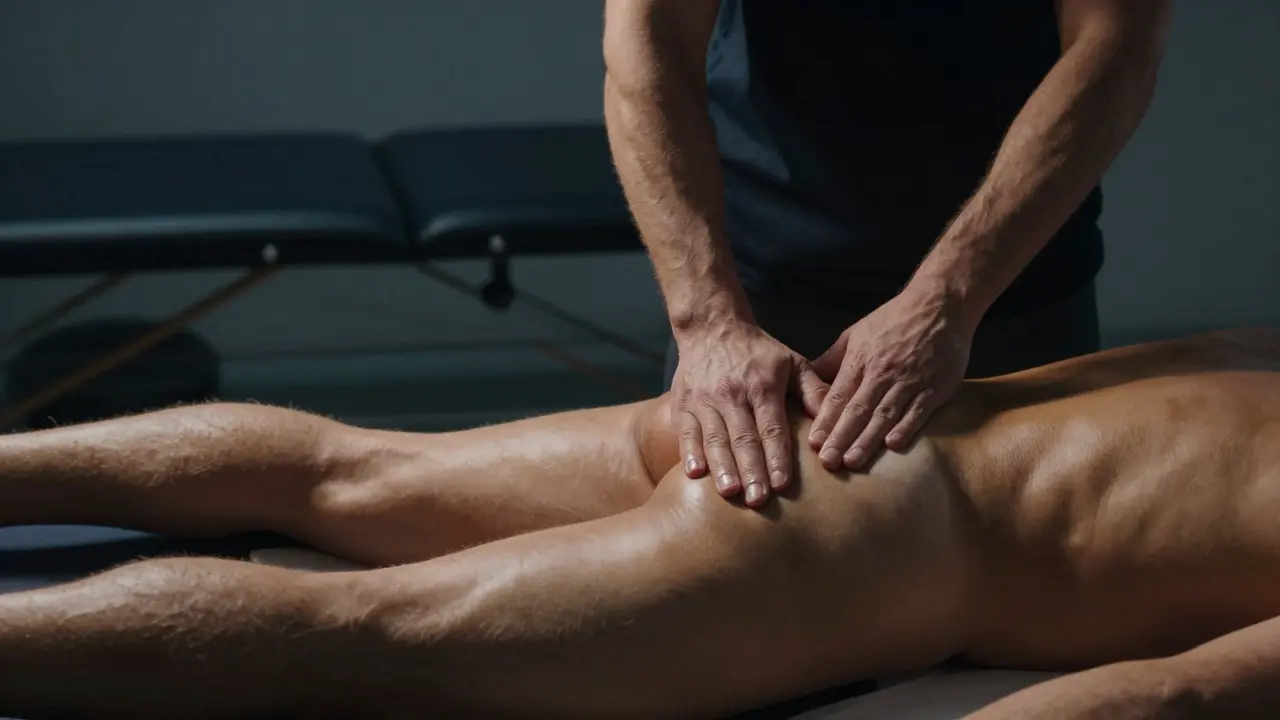
Why Your Muscles Need More Than Just Rest
You just finished a grueling training session or a competitive match. Your legs feel like lead, your shoulders are tight knots, and you’re convinced that sleep is the only cure. But what if rest alone isn’t enough? This is where sports massage is a specialized form of bodywork designed to prepare athletes for physical activity, aid in recovery, and prevent injuries. Unlike a standard relaxation massage at a spa, this technique targets specific muscle groups involved in movement and performance.
Think about it: when was the last time you truly recovered from a hard workout? Most people assume that lying on the couch does the heavy lifting. While rest is crucial, active recovery through targeted manual therapy can accelerate healing by up to 30% according to recent studies in sports medicine journals. You aren't just trying to feel good; you're trying to get back to performing at your peak faster than ever before.
How It Works: The Science Behind the Touch
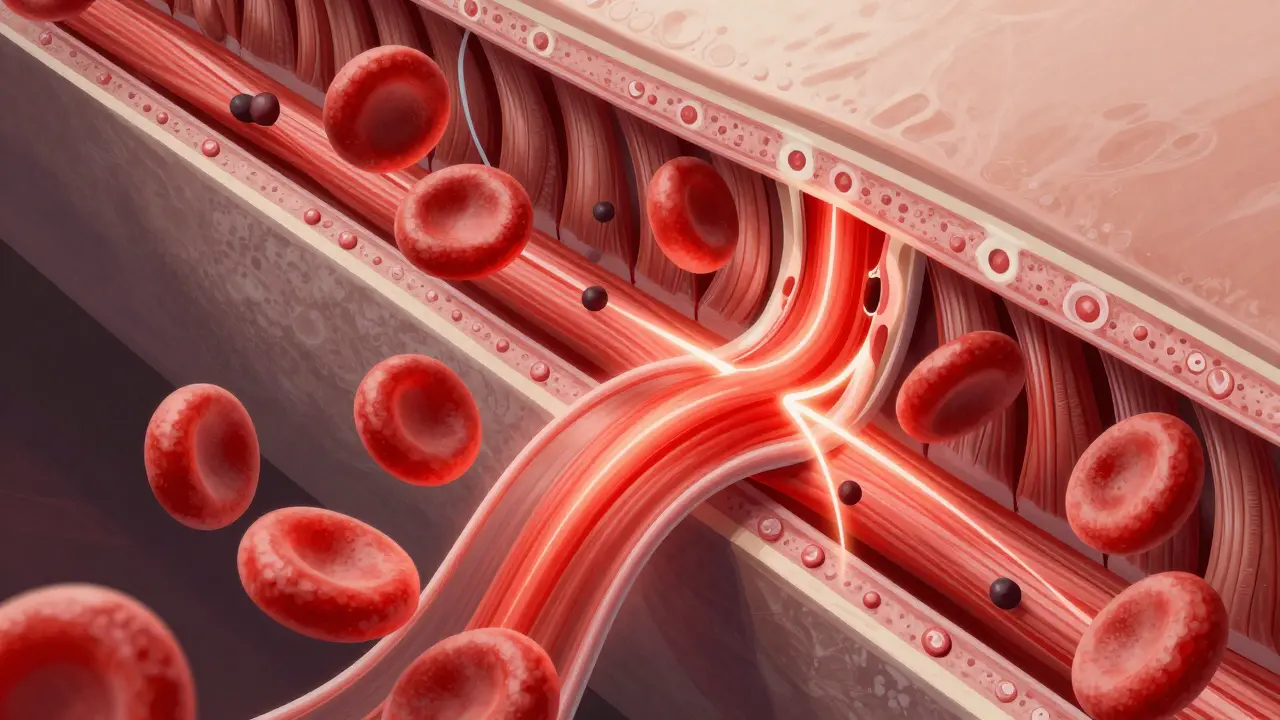
To understand why this works, you need to look at what happens inside your muscles during intense exertion. When you push your body, microscopic tears occur in the muscle fibers. This is normal-it’s how muscles grow stronger-but it also leads to inflammation and stiffness. Without proper intervention, these micro-tears can develop into chronic issues like adhesions or scar tissue buildup.
Deep tissue massage, a core component of sports massage, applies sustained pressure to reach deeper layers of muscle and fascia. Fascia is the connective tissue that wraps around your muscles, bones, and organs. When it gets tight or restricted, it limits your range of motion and causes pain. By breaking down these restrictions, therapists improve blood flow, which delivers oxygen and nutrients needed for repair while flushing out metabolic waste products like lactic acid.It’s not magic; it’s physiology. Improved circulation means faster removal of toxins. Better mobility means less strain on joints. And reduced tension means fewer compensatory movements that lead to injury elsewhere in the chain. For example, tight hamstrings often cause lower back pain because the pelvis tilts forward. Addressing the hamstring directly solves the root problem, not just the symptom.
Pre-Event vs. Post-Event: Timing Is Everything
One common mistake athletes make is treating all massages the same. They don’t work the same way depending on when they happen relative to your activity. Understanding the difference between pre-event and post-event sessions is critical for maximizing benefits.
| Aspect | Pre-Event Massage | Post-Event Massage |
|---|---|---|
| Primary Goal | Activation & Warm-up | Recovery & Relaxation |
| Techniques Used | Effleurage, Petrissage (light to medium) | Deep Tissue, Trigger Point Therapy |
| Duration | 15-20 minutes | 45-90 minutes |
| Intensity | Stimulating but not exhausting | Firm, focused on release |
| Best For | Racing, competitions, high-intensity workouts | After long runs, marathons, heavy lifting days |
A pre-event session should never be deep or painful. Its job is to increase heart rate slightly, warm up the tissues, and mentally focus the athlete. Imagine waking up a sleeping dog-gentle nudges, not shaking it awake. On the flip side, a post-event session is where the real repair happens. Here, the therapist digs in to address soreness, reduce swelling, and calm the nervous system. Skipping either type leaves potential gains on the table.
Who Actually Needs This?
You might think sports massage is only for professional Olympians or marathon runners. That couldn’t be further from the truth. If you have a job that requires physical labor, play weekend soccer with friends, or even sit at a desk all day with poor posture, you benefit from this approach. Any repetitive motion creates imbalance. Typists get tight chest muscles. Drivers get stiff hips. Runners get overworked calves.
Consider Sarah, an office worker who started doing yoga twice a week. She felt great until her knees started clicking during downward dog. A sports massage therapist identified tight iliotibial bands (IT bands) caused by hours of sitting crossed-legged. After three weekly sessions focusing on hip flexors and outer thighs, her knee pain vanished. She didn’t need surgery or pills-just targeted manual therapy.
- Weekend Warriors: People who train hard but lack consistent daily conditioning.
- Sedentary Professionals: Those whose jobs restrict natural movement patterns.
- Chronic Pain Sufferers: Individuals dealing with recurring strains or joint issues.
- Rehab Patients: Anyone recovering from surgery or acute injury under medical supervision.
Finding the Right Therapist: What to Look For
Not every person holding a license knows how to treat an athlete. General massage therapists are skilled, but sports massage requires additional certification and experience. Before booking, ask questions. Do they specialize in working with runners? Cyclists? Weightlifters? Have they treated conditions similar to yours?
In places like Norwich, United Kingdom, many clinics offer hybrid services combining traditional Swedish techniques with myofascial release. Check credentials carefully. Look for certifications from recognized bodies such as the Federation of Holistic Therapists (FHT) or Complementary and Natural Healthcare Council (CNHC). These organizations ensure practitioners meet strict safety and ethical standards.
Also, pay attention to communication. A good therapist listens more than they talk initially. They’ll assess your posture, ask about recent activities, and identify areas of concern before touching you. If someone starts digging into your back without asking what hurts, walk away. Personalization is key to effectiveness.
At-Home Maintenance Between Sessions
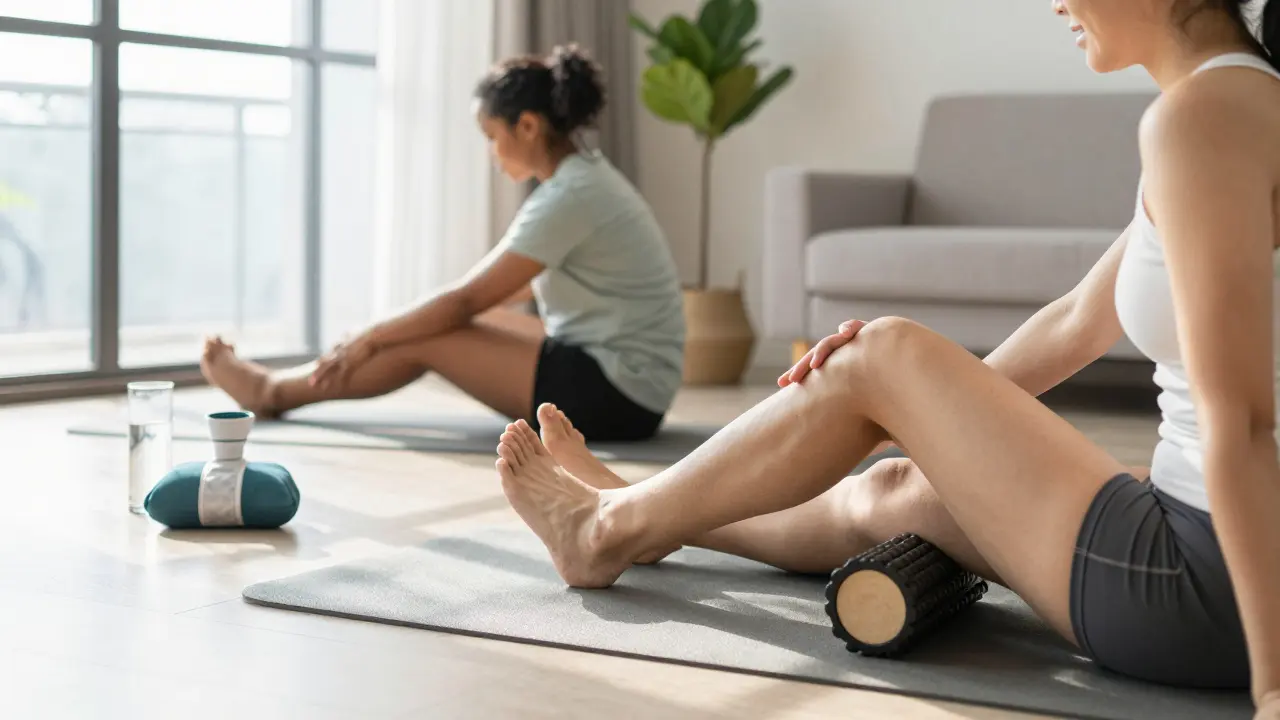
Making an appointment once a month won’t fix chronic tightness if you ignore your body the other 29 days. Think of sports massage as jump-starting your car engine-you still need to maintain it regularly. Incorporate simple self-care routines to extend the benefits between visits.
- Use Foam Rollers: Apply firm pressure along major muscle groups like quads, hamstrings, and upper back. Spend 60 seconds per area, moving slowly.
- Hydrate Aggressively: Water helps flush out toxins released during massage. Drink at least two extra glasses after each session.
- Stretch Daily: Hold static stretches for 30 seconds each. Focus on opposing muscle pairs-for instance, stretch chest muscles if you’ve been slouching.
- Apply Heat or Ice: Use heat packs for chronic stiffness and ice packs for acute inflammation within 48 hours of injury.
These habits complement professional treatment rather than replace it. Consistency beats intensity here. Ten minutes of rolling daily does more good than one hour once a month.
Potential Risks and Contraindications
While generally safe, sports massage isn’t suitable for everyone. Certain health conditions require caution or avoidance altogether. Always disclose medical history to your therapist beforehand.
- Blood Clots: Deep pressure could dislodge a clot, leading to life-threatening complications.
- Open Wounds or Infections: Risk of spreading bacteria across skin surfaces.
- Recent Fractures: Bone needs stability to heal; manipulation may disrupt alignment.
- Pregnancy: Some positions and pressures are unsafe during certain trimesters unless performed by certified prenatal specialists.
If you experience dizziness, nausea, or increased pain afterward, contact your provider immediately. Mild soreness lasting 24-48 hours is normal (“massage hangover”), but severe discomfort signals something went wrong.
Maximizing ROI on Your Investment
Sports massage costs money-often £50-£80 per hour in the UK. To justify the expense, integrate it strategically into your routine. Don’t wait until you’re injured. Use it proactively during heavy training blocks or travel periods when stress accumulates. Track progress using subjective scales (pain level 1-10) and objective measures (flexibility tests, performance times).
Pair sessions with adequate nutrition rich in anti-inflammatory foods like omega-3 fatty acids, turmeric, and leafy greens. Sleep quality matters too-aim for seven to nine hours nightly to support cellular regeneration. When combined, these factors create a synergistic effect greater than any single intervention alone.
How often should I get a sports massage?
Frequency depends on your activity level and goals. Competitive athletes typically benefit from weekly or bi-weekly sessions during peak training phases. Recreational exercisers may find monthly maintenance sufficient. Listen to your body-if you feel persistently tight or sore, increase frequency temporarily.
Does sports massage hurt?
It can be uncomfortable, especially if targeting chronically tight areas. However, pain shouldn’t be sharp or unbearable. Communicate openly with your therapist about pressure levels. Good pain feels like “good hurt”-intense but relieving. Bad pain stops immediately.
Can sports massage help with weight loss?
Indirectly, yes. By improving mobility and reducing pain, you’re more likely to exercise consistently and intensely. Better performance leads to higher calorie burn. However, massage itself doesn’t melt fat directly. Combine it with diet and cardio for best results.
Is insurance coverage available for sports massage?
In the UK, private health insurance rarely covers elective massage therapy unless prescribed by a doctor for specific rehabilitation purposes. NHS referrals exist for physiotherapy but not typically for standalone massage. Check your policy details or consider paying out-of-pocket as preventive care.
What should I wear to a sports massage appointment?
Wear loose, comfortable clothing that allows easy access to target areas. Many clients prefer shorts and tank tops. Drapes and sheets cover exposed skin throughout the session for privacy and warmth. Bring water to drink afterward.