We’ve all been there. You wake up on Monday morning, fueled by caffeine and determination, ready to eat like a monk for the next thirty days. By Wednesday, you’re eyeing that donut at work with suspicion. By Friday, you’ve given up entirely, convinced your willpower is broken. If this sounds familiar, you aren’t failing at discipline; you’re failing at design. The problem isn’t you. It’s the idea that a healthy diet is a finish line you cross and then stop moving.
The truth is, nutrition isn’t a sprint. It’s not even a marathon. It’s more like walking across Australia-long, varied, sometimes hot, occasionally rainy, and definitely something you have to keep doing if you want to get anywhere. Viewing food as a temporary fix leads to burnout. Viewing it as a lifestyle shift leads to longevity. Let’s look at how to build an eating pattern that actually sticks, without turning your life into a spreadsheet of calories.
Rethinking the Goal: From Restriction to Relationship
Most people approach eating with a transactional mindset: I eat this salad, so I get to feel good about myself for an hour. Then I eat pizza, so I feel guilty. This cycle creates emotional turbulence around food that has nothing to do with biology and everything to do with psychology. When we treat healthy eating as a punishment or a reward system, we set ourselves up for failure because human emotions are messy.
Instead, think of your relationship with food as a partnership. You provide the fuel; your body provides the energy. A balanced meal isn’t just about hitting macro targets; it’s about feeling satisfied after eating. If you’re full but still craving sugar two hours later, the meal wasn’t balanced-it was incomplete. Satisfaction comes from combining fiber, protein, and healthy fats. That’s the secret sauce. Without it, no amount of kale will save you from the afternoon slump.
Consider the concept of intuitive eating, which gained traction in clinical circles decades ago but remains misunderstood today. It doesn’t mean eating whatever you want whenever you want. It means listening to hunger cues and stopping when you’re comfortably full, not stuffed. It’s about removing the moral weight from food choices. Carbs aren’t evil. Fat isn’t the enemy. They’re just tools. Using them wisely is part of the journey.
The Core Components of a Sustainable Plate
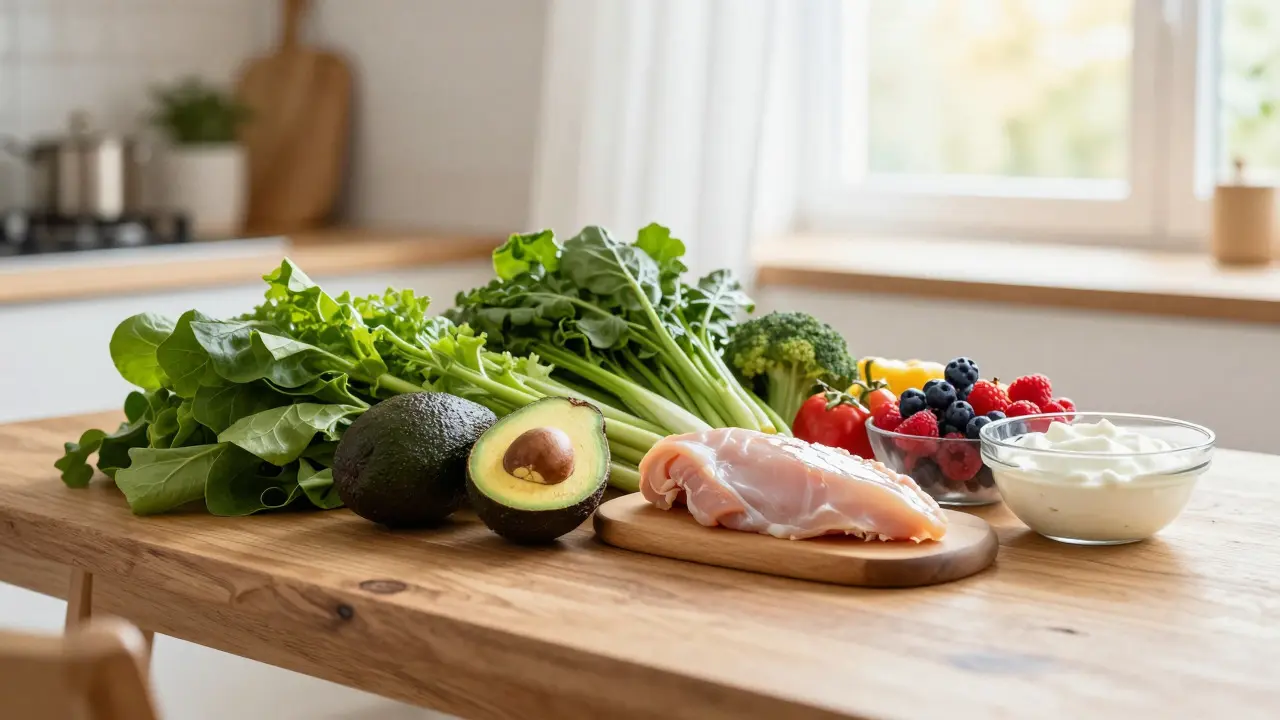
You don’t need a degree in biochemistry to eat well, but you do need to understand the basics of what keeps your engine running. Every meal should ideally contain three key players: protein, fiber, and fat. These aren’t just buzzwords; they’re physiological necessities.
- Protein: Think chicken, fish, tofu, lentils, or Greek yogurt. Protein builds muscle, repairs tissue, and keeps you fuller longer than carbs alone. Aim for a palm-sized portion at each meal.
- Fiber: This comes from vegetables, fruits, whole grains, and legumes. Fiber slows down digestion, stabilizing blood sugar levels. Without stable blood sugar, you don’t get those sudden crashes that lead to bingeing.
- Healthy Fats: Avocados, nuts, seeds, and olive oil. Fat aids in the absorption of vitamins A, D, E, and K. It also adds flavor, making healthy food actually enjoyable rather than a chore.
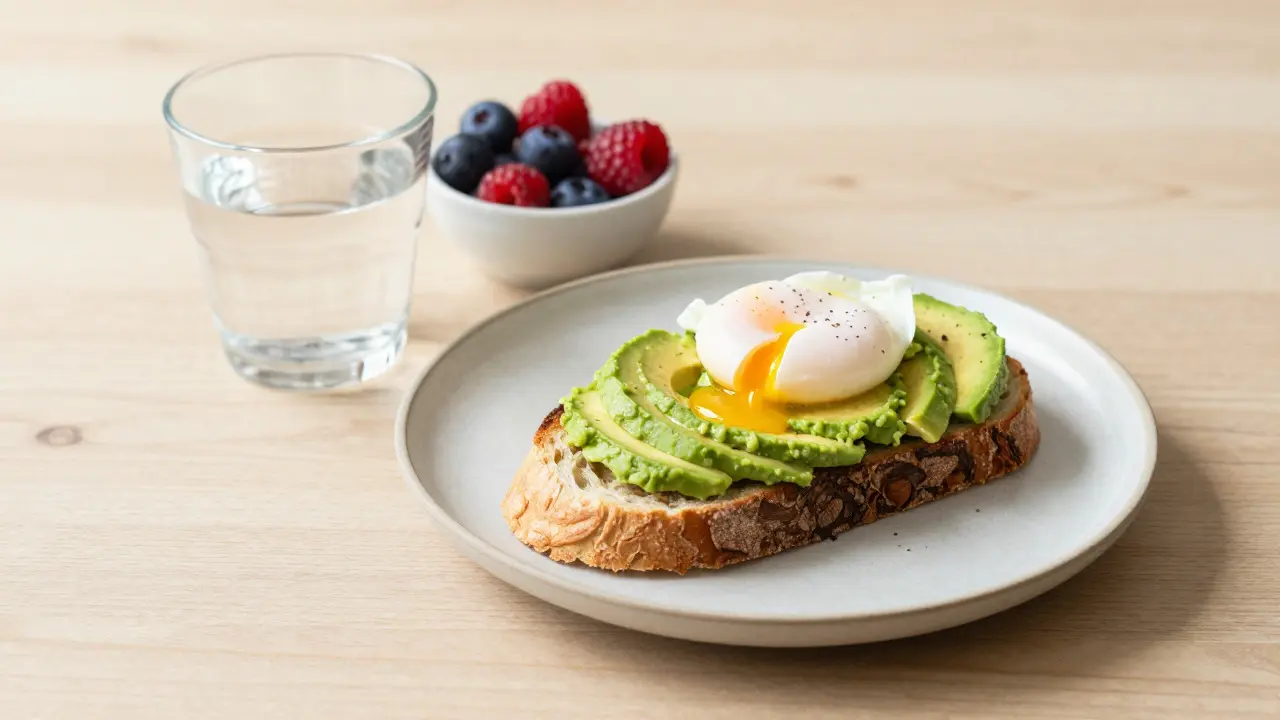
Let’s look at a practical example. Instead of a plain bagel for breakfast (which spikes blood sugar quickly), try a whole-grain toast topped with mashed avocado and a poached egg. You’ve got complex carbs, healthy fats, and high-quality protein. You’ll likely skip the mid-morning snack because your body is genuinely satiated. This is the power of composition over restriction.
| Meal Option | Primary Nutrients | Satiety Level (1-10) | Energy Stability |
|---|---|---|---|
| White Bagel with Jam | Simple Carbs, Sugar | 3 | Low (Crash in 90 mins) |
| Greek Yogurt with Berries | Protein, Fiber, Antioxidants | 7 | Medium-High |
| Avocado Toast with Egg | Fat, Protein, Complex Carbs | 9 | High (Stable for 4+ hours) |
Flexibility: The 80/20 Rule in Practice
Perfection is the enemy of progress. If you aim for 100% adherence to a strict diet, one slip-up feels like a catastrophe. This is where the 80/20 rule shines. It suggests that 80% of your intake should come from nutrient-dense, whole foods, while 20% can be reserved for flexibility-those treats, social meals, or comfort foods that make life enjoyable.
Why does this matter? Because sustainability requires enjoyment. If you hate every bite of your "healthy" food, you won’t do it forever. And since eating is a lifelong activity, "forever" is the only timeframe that counts. Imagine going to a friend’s birthday party. Do you bring your own Tupperware of steamed broccoli? Or do you enjoy a slice of cake, knowing it fits within your weekly flexibility budget? The latter approach reduces stress and prevents the binge-restrict cycle.
This flexibility also accounts for real-life variability. Some weeks are busy, some are calm. Some days you cook elaborate dinners; other days you grab leftovers. A rigid diet breaks under pressure. A flexible framework bends without breaking. It adapts to your schedule, your budget, and your mood.
Overcoming Common Pitfalls
Even with the best intentions, hurdles appear. Recognizing these traps early can save you from months of frustration.
All-or-Nothing Thinking: This is the belief that if you eat one cookie, you might as well eat the whole box. It’s cognitive distortion, not logic. One cookie doesn’t ruin your health. One salad doesn’t make you perfect. Focus on the trend, not the outlier. Look at your week, not your moment.
Emotional Eating: We often eat to soothe sadness, boredom, or stress. Before reaching for food, pause and ask: Am I hungry physically, or am I hungry emotionally? Physical hunger builds gradually and accepts many foods. Emotional hunger hits suddenly and craves specific textures or flavors. Identifying the trigger allows you to address the root cause-whether that’s taking a walk, calling a friend, or simply resting.
Ignoring Sleep and Stress: You can eat perfectly and still struggle with weight or energy if you’re sleep-deprived or chronically stressed. Cortisol, the stress hormone, promotes fat storage, particularly around the abdomen. Lack of sleep disrupts ghrelin and leptin, the hormones that regulate hunger. Prioritizing seven to nine hours of sleep is as crucial as choosing the right vegetables.

Building Habits That Last
Change doesn’t happen overnight. It happens through repetition. Start small. Don’t overhaul your entire kitchen on Sunday night. Pick one habit. Maybe it’s drinking a glass of water before coffee. Maybe it’s adding a serving of vegetables to dinner. Master that for two weeks. Then add another.
Environment design plays a huge role. If junk food is visible, you’ll eat it. If fruit is washed and cut on the counter, you’ll grab it. Make the healthy choice the easy choice. Prep meals on weekends if possible. Keep snacks accessible. Reduce friction for good habits and increase friction for bad ones.
Finally, track progress beyond the scale. How does your skin look? Do you have more energy in the afternoons? Are your clothes fitting better? These are leading indicators of health. Weight is a lagging indicator and often fluctuates due to hydration, salt intake, and hormonal cycles. Trust the process, not just the number.
Listening to Your Body
Your body is smarter than any app. It knows when it needs rest, when it needs movement, and when it needs nourishment. Pay attention. If you’re constantly tired, maybe you need more iron-rich foods like spinach or red meat. If you’re bloated, perhaps you’re eating too fast or lacking digestive enzymes. Experiment safely. Keep a simple journal noting what you ate and how you felt afterward. Patterns will emerge. Use them to refine your approach.
Remember, this is a journey. There will be detours. There will be wrong turns. That’s okay. The goal isn’t to reach a destination called "Perfect Health." The goal is to move forward, consistently, kindly, and sustainably. Each meal is a chance to nourish yourself. Take it.
Is it okay to cheat on a healthy diet?
The word "cheat" implies wrongdoing, which adds unnecessary guilt. Instead, think of it as flexibility. Enjoying non-nutrient-dense foods occasionally is normal and sustainable. As long as the majority of your intake is wholesome, occasional treats won’t derail your health goals.
How long does it take to see results from a healthy diet?
Results vary by individual, but most people notice improved energy and digestion within one to two weeks. Visible changes in body composition may take four to eight weeks of consistent effort. Remember, consistency beats intensity.
What is the best diet for long-term health?
There is no single "best" diet. The Mediterranean diet, rich in plants, healthy fats, and lean proteins, is widely supported by research for longevity. However, the best diet is the one you can stick to indefinitely, respecting your cultural preferences and personal tastes.
Can I lose weight without counting calories?
Yes. Many people successfully manage weight by focusing on whole foods, portion control, and mindful eating. Whole foods are naturally less calorie-dense and more satiating, often leading to a natural caloric deficit without strict tracking.
How do I deal with cravings?
Cravings often stem from blood sugar swings, dehydration, or emotional triggers. Ensure you’re eating enough protein and fiber at meals. Drink water when cravings hit. If it’s emotional, pause and identify the feeling. Often, the craving passes if you wait ten minutes.