Have you ever checked your heart rate so many times that your pulse actually started racing? Or spent an hour reading medical forums about a rash that turned out to be nothing more than dry skin? If this sounds familiar, you might be dealing with health anxiety. It’s not just worrying about getting sick; it’s a persistent, intense fear of having or developing a serious illness, even when doctors say you’re fine. This condition can hijack your daily life, turning routine checkups into high-stakes events and normal body sensations into red flags.
Understanding health anxiety is the first step toward reclaiming your peace of mind. Unlike general worry, which comes and goes, health anxiety often feels like a constant background noise that gets louder the more you try to ignore it. Let’s break down what it really looks like, why it happens, and how you can start managing it without falling into the trap of over-monitoring your body.
What Is Health Anxiety?
Health Anxiety is a mental health condition characterized by excessive concern about physical health, often leading to frequent doctor visits or avoidance of care. In clinical terms, it falls under the umbrella of Illness Anxiety Disorder (IAD) or Somatic Symptom Disorder, depending on whether you have significant physical symptoms or mostly interpret minor sensations as signs of disease.
The core issue isn’t that something is physically wrong with you. It’s that your brain has become hyper-sensitive to internal signals. A slight headache becomes proof of a brain tumor. A quick heartbeat confirms cardiac arrest. This misinterpretation triggers a stress response, which releases adrenaline and cortisol, making those physical sensations feel even more intense. It’s a feedback loop where fear creates the very symptoms you’re afraid of.
Signs You Might Be Experiencing Health Anxiety
Health anxiety doesn’t always look dramatic. Sometimes it’s subtle but exhausting. Here are common signs that distinguish it from normal health concerns:
- Constant body scanning: You frequently check for lumps, moles, or changes in bowel movements, feeling relief only for a few minutes before starting again.
- Medical web searching: You spend hours online researching symptoms, often finding scary information that confirms your fears rather than reassuring you.
- Reassurance seeking: You repeatedly ask friends, family, or doctors if you’re okay, but the relief fades quickly, prompting you to seek reassurance again.
- Avoidance behaviors: You skip appointments because the waiting room reminds you of bad news, or you avoid exercise because it makes your heart race.
- Catastrophic thinking: Minor discomfort leads to worst-case scenarios. A sore throat means mononucleosis; a back pain means cancer.
If these behaviors interfere with your work, relationships, or sleep, it’s worth taking seriously. The goal isn’t to never worry about health, but to stop letting worry drive the bus.
Why Does It Happen? The Roots of Fear
There’s no single cause for health anxiety. It usually stems from a mix of biological, psychological, and environmental factors. Some people have a genetic predisposition to higher baseline anxiety levels. Others may have had a past experience with a serious illness-either their own or a loved one’s-that left a lasting imprint on their sense of safety.
Psychologically, perfectionism and a need for control play big roles. If you’re someone who likes things predictable, the uncertainty of your body can feel threatening. Additionally, living in an age of instant medical information can fuel fears. While knowledge is power, unfiltered internet advice often lacks context, leading to exaggerated risk assessments.
It’s also important to note that health anxiety often co-occurs with other conditions like Generalized Anxiety Disorder (GAD) or Obsessive-Compulsive Disorder (OCD). Recognizing these overlaps can help in choosing the right treatment approach.
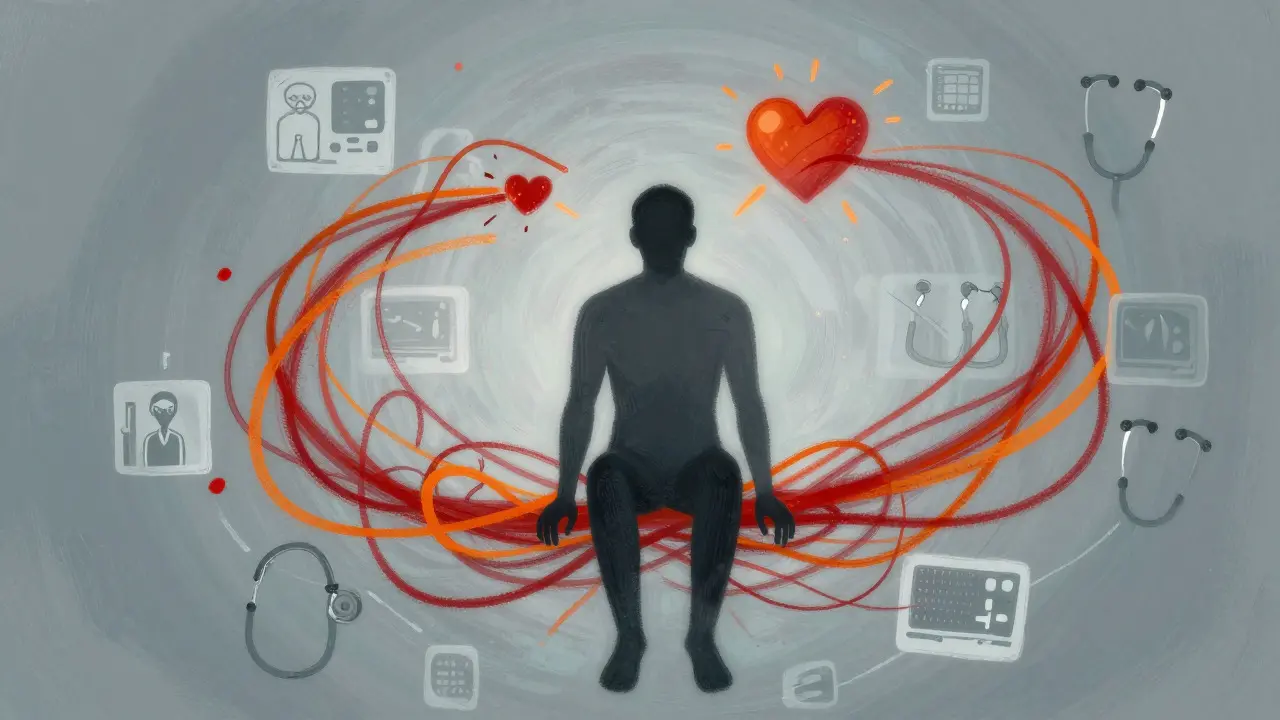
The Trap of Reassurance Seeking
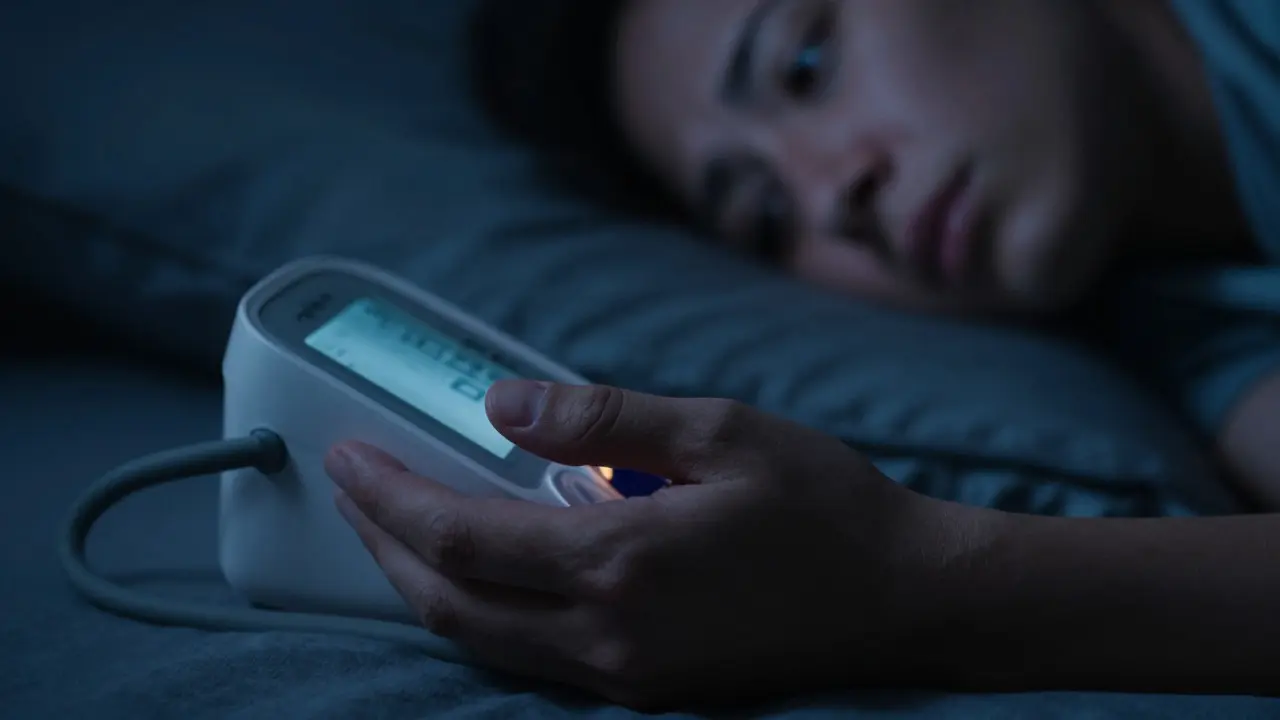
Here’s the paradox: the more you seek reassurance, the worse health anxiety can get. When you ask a friend, “Do I look okay?” or check your blood pressure for the fifth time, you get temporary relief. But that relief is short-lived. Soon, the doubt creeps back, stronger than before. Your brain learns that checking provides a quick fix, so it encourages you to keep checking.
This cycle reinforces the idea that your body is dangerous and needs constant monitoring. Over time, you lose trust in your own ability to handle uncertainty. Breaking this cycle requires shifting from “Is something wrong?” to “Can I tolerate not knowing for sure?”
Effective Strategies to Manage Health Anxiety
Treating health anxiety isn’t about ignoring your body. It’s about changing how you react to it. Cognitive Behavioral Therapy (CBT) is considered the gold standard treatment. CBT helps you identify catastrophic thoughts and replace them with balanced ones. For example, instead of “This chest tightness means I’m having a heart attack,” you learn to think, “This feels uncomfortable, but it’s likely muscle tension from stress.”
Behavioral experiments are another powerful tool. These involve deliberately reducing safety behaviors. Maybe you commit to not checking your temperature for three days. At first, it’s terrifying. But gradually, you realize that the world didn’t end. This builds confidence in your ability to manage uncertainty.
Mindfulness practices can also help. Instead of fighting bodily sensations, you learn to observe them without judgment. This reduces the emotional charge associated with physical symptoms. Simple breathing exercises can activate the parasympathetic nervous system, calming the fight-or-flight response that fuels anxiety.

When to See a Professional
You don’t need to suffer in silence. If health anxiety is affecting your quality of life, speaking with a mental health professional is a smart move. A psychologist specializing in anxiety disorders can create a personalized plan. In some cases, medication like SSRIs (Selective Serotonin Reuptake Inhibitors) may be recommended to help manage underlying anxiety levels, making therapy more effective.
It’s also helpful to have a trusted primary care provider who understands your history. They can serve as a steady anchor, providing clear, consistent medical guidance without fueling unnecessary tests. Building a relationship based on trust can significantly reduce the urge to seek second opinions from multiple specialists.
Living Well with Health Anxiety
Managing health anxiety is a journey, not a switch you flip. There will be days when old fears resurface, especially during stressful periods. That’s normal. The key is to recognize the pattern early and apply your coping tools. Celebrate small wins, like going a week without checking your pulse. Be patient with yourself.
Remember, your body is resilient. It has been handling millions of microscopic processes every second since birth. Trust that resilience. By shifting your focus from monitoring to living, you give your brain permission to relax. And when the mind calms down, the body follows suit.
Is health anxiety a real medical condition?
Yes. Health anxiety is recognized in the DSM-5 as Illness Anxiety Disorder or Somatic Symptom Disorder. It is a legitimate mental health condition that affects how you perceive and respond to physical sensations, not just "imaginary" worries.
How is health anxiety different from normal worry?
Normal worry is situational and resolves once the threat is addressed. Health anxiety is persistent, disproportionate to actual risk, and involves compulsive behaviors like checking or seeking reassurance that provide only temporary relief.
Does seeing a doctor make health anxiety better?
Frequent visits for reassurance can worsen health anxiety by reinforcing the belief that your body is unstable. However, regular checkups with a trusted provider who sets clear boundaries can help maintain perspective without feeding the fear cycle.
Can mindfulness cure health anxiety?
Mindfulness is a helpful tool but rarely a standalone cure. It works best when combined with Cognitive Behavioral Therapy (CBT), helping you observe symptoms without catastrophizing. Consistent practice reduces the emotional intensity of physical sensations over time.
What role does genetics play in health anxiety?
Genetics can contribute to a higher baseline level of anxiety sensitivity. If close family members have anxiety disorders, you may be more predisposed. However, environment and life experiences often trigger the specific focus on health fears.