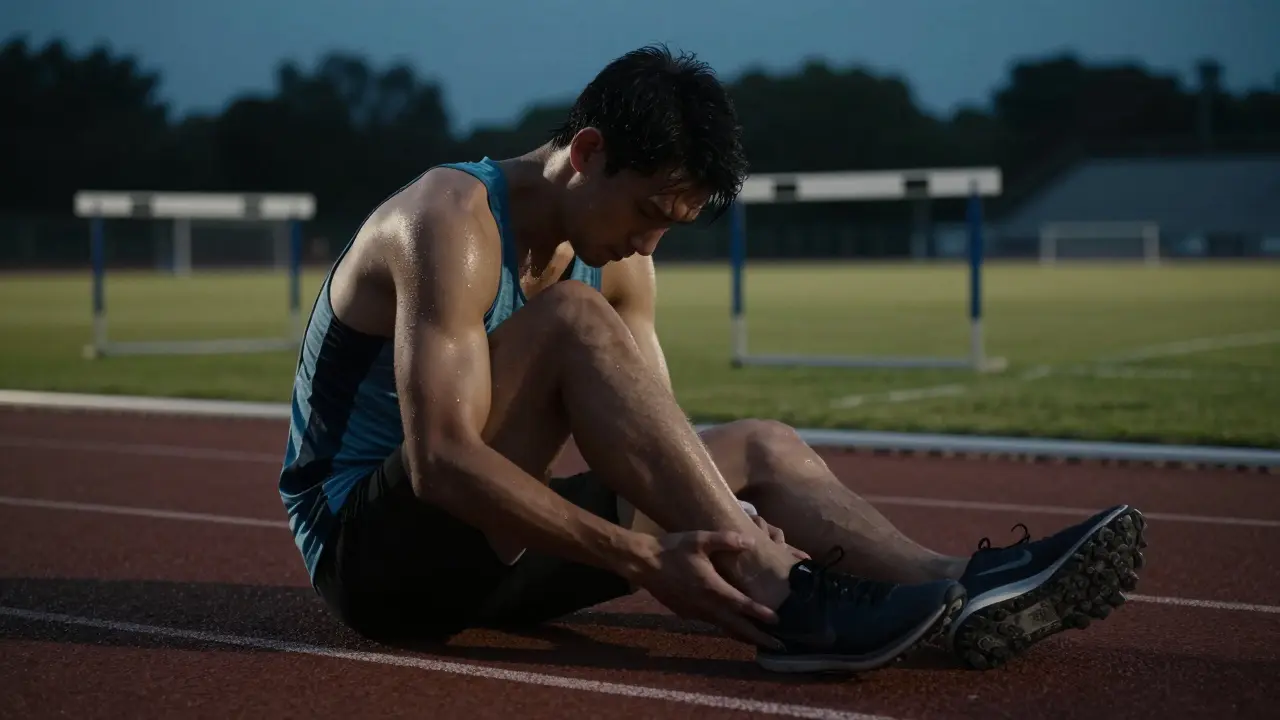
You know that feeling after a big run or a heavy training session where your muscles feel tight and heavy like you've been carrying weights all day. Most people think painkillers or just resting will fix it, but there’s a deeper way to heal that goes beyond the surface. Sports massage isn’t just a luxury for Olympians; it’s a functional tool designed specifically for how human bodies move and break down under stress. When you treat your body like a machine that needs maintenance, you change how quickly you can bounce back for the next challenge.
This guide cuts through the fluff and focuses on what actually happens inside your tissues when you get a professional treatment. We’ll look at why timing matters, what specific techniques therapists use to target deep knots, and how you can verify if a practitioner is qualified to handle your unique needs without risking further injury. If you’re serious about longevity in your sport, understanding this modality is non-negotiable.
What Exactly Is Sports Massage?
People often confuse sports massage with standard relaxation treatments. While they share some movements, their goals are fundamentally different. A Standard Relaxation Massage aims to lower stress levels and induce sleepiness through slow, rhythmic strokes. In contrast, Sports Massage targets the musculoskeletal system to prepare for performance or accelerate healing.
Sports Massage is a specialized form of manual therapy designed to address the specific injuries common among active people. It focuses on areas like muscles, tendons, and ligaments that undergo repetitive strain. You won’t find lavender oils here unless you ask for them. Instead, therapists work efficiently to clear out metabolic waste and improve joint mechanics before an event or repair damage afterward.
The key distinction lies in intensity and specificity. During a session, the therapist might isolate a specific hamstring group rather than giving a full-body sweep. This requires knowledge of anatomy far beyond the basics found in entry-level massage courses. Understanding muscle origin points and insertion points allows the therapist to manipulate the tissue fibers exactly where they attach to the bone, reducing tension that causes restricted movement.
How It Works Physiologically
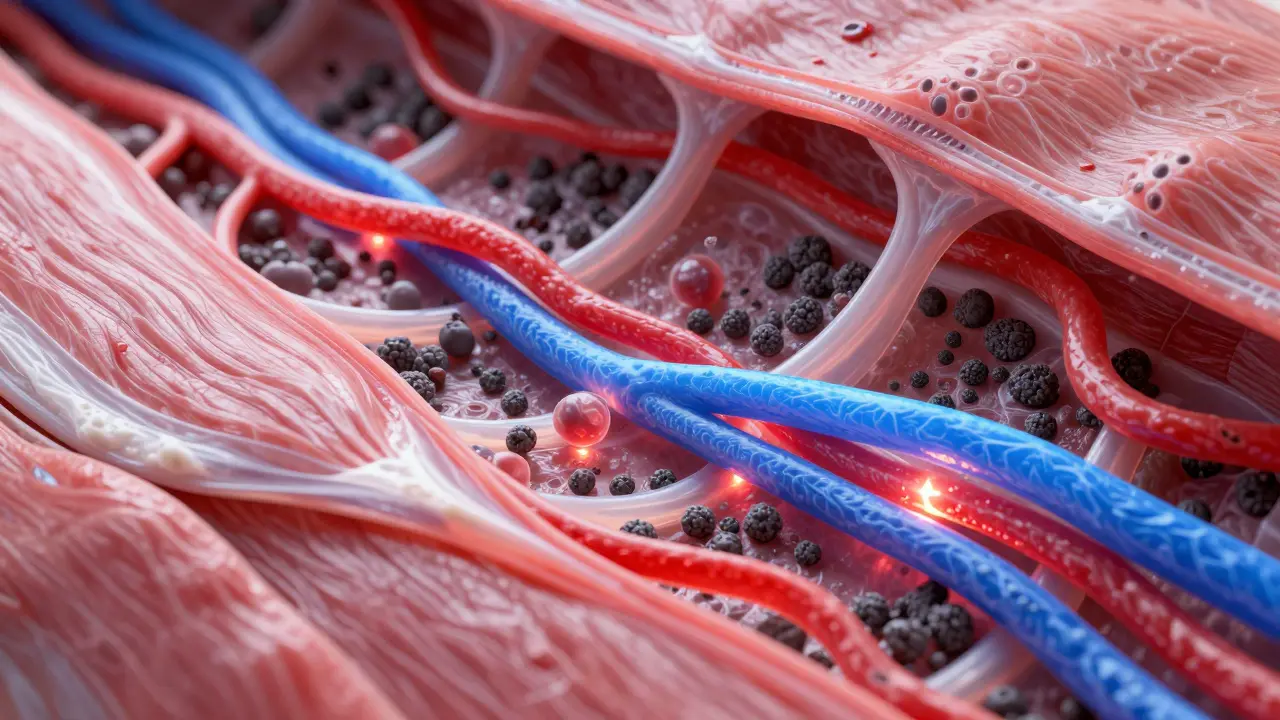
To understand the value, you have to look at what’s happening beneath your skin. When you exercise intensely, your muscles generate metabolic byproducts like lactic acid and other cellular waste products. Without proper circulation, these compounds accumulate, leading to the stiffness and soreness we call Delayed Onset Muscle Soreness (DOMS).
Manual Lymphatic Drainage is a technique often integrated into sports massage to enhance fluid movement. By manually stimulating the lymphatic vessels, therapists encourage the body to flush out these toxins faster than passive rest alone could achieve. Think of it as opening the valves on a clogged pipe. The increased blood flow brings fresh oxygen and nutrients into the damaged fibers, speeding up cellular regeneration.
Beyond fluid dynamics, there’s a neurological effect. Pain creates tension, which creates more pain-a feedback loop known as the Gate Control Theory of Pain. Disrupting this loop through physical pressure helps reset nerve signals to the brain. Additionally, working on connective tissue releases Myofascial Adhesions. These are the sticky cross-links between muscle layers that restrict range of motion. Breaking them apart restores flexibility naturally without forcing a stretch that could tear the tissue.
Timing Matters: Pre-Event vs. Post-Event
Many clients walk into a clinic expecting the same experience every time, but a skilled therapist adjusts the approach based on your calendar. Getting the wrong type of massage at the wrong time can actually hamper your performance.
Pre-Event Massage: Usually performed less than an hour before competition. This session is short, fast, and stimulating. The goal is to increase core temperature and alertness while preventing muscle pulls. Therapists avoid deep static pressure here because relaxing the muscle too much right before sprinting could leave you vulnerable to overstretching.
Post-Event Massage: Happens within 24 hours after exertion. This is where the deep work takes place. Focus shifts to flushing metabolic waste and calming the nervous system. Pressure can be firmer to address acute inflammation, but it must respect any potential tears caused during the game or race.
If you ignore the timing aspect, you risk walking onto the field stiff and unresponsive or walking off a marathon feeling bruised from unnecessary manipulation. The ideal frequency depends on your load; elite athletes typically integrate this weekly during peak season, while weekend warriors might benefit from monthly maintenance sessions.
Specific Techniques Explained
While every session looks similar from the outside, the hands-on strategies vary widely depending on the condition of your muscles. Here is what happens under the table during a typical protocol:
- Effleurage: Long, gliding strokes used primarily for warming up the tissue. This initial phase increases blood flow and prepares the area for deeper pressure. It serves as a bridge between relaxation and therapeutic intervention.
- Petrissage: Kneading and lifting actions. Therapists grab muscle bellies to lift them off underlying bone structures. This action helps separate muscle fibers and reduces adhesions formed from repetitive use. It’s particularly effective for large groups like the quads or calves.
- Cross-Friction: Applied directly to tendon sites where tendinitis is common. Friction is applied perpendicular to the direction of the fibers to break down scar tissue alignment. It can be uncomfortable, sometimes painful, but it promotes stronger scar remodeling.
- Tapotement: Rhythmic percussion. Often used before events to stimulate nerves. It wakes up sluggish muscles and improves reflex responses.
- Trigger Point Release: Direct pressure on hyperactive spots. Holding steady pressure until the knot relaxes is crucial for stopping referred pain patterns elsewhere in the body.
A quality session isn’t just random rubbing. It follows a logical progression from larger muscle groups down to specific problem areas. For example, if your shoulder hurts, the therapist might start at the neck and trapezius before digging into the rotator cuff. This systemic approach ensures the root cause of the dysfunction is addressed rather than just treating the symptom.
Identifying Legitimate Practitioners
One of the biggest pitfalls in sports rehabilitation is hiring someone unqualified who causes harm rather than help. Unlike some beauty therapies, manipulating dense tissue requires significant anatomical education. Before booking, you should verify the provider’s background.
Look for certifications specifically labeled in Sports Massage Therapy, not just general massage arts. Accrediting bodies require hundreds of hours of clinical practice to validate competency. In places like Australia, registration with health boards indicates adherence to safety standards regarding infection control and client history taking. A competent professional will always ask about recent injuries, current medications, and your activity level before laying hands on you.
Be wary of practitioners promising miracles without assessment. Real recovery is a process. They should provide a brief explanation of what they plan to do and why, rather than hiding behind a wall of jargon or silence. If you feel sharp pain during a session that doesn't subside, communicate immediately. The sensation should feel 'good hurt,' never debilitatingly sharp.
Integration with Other Recovery Methods
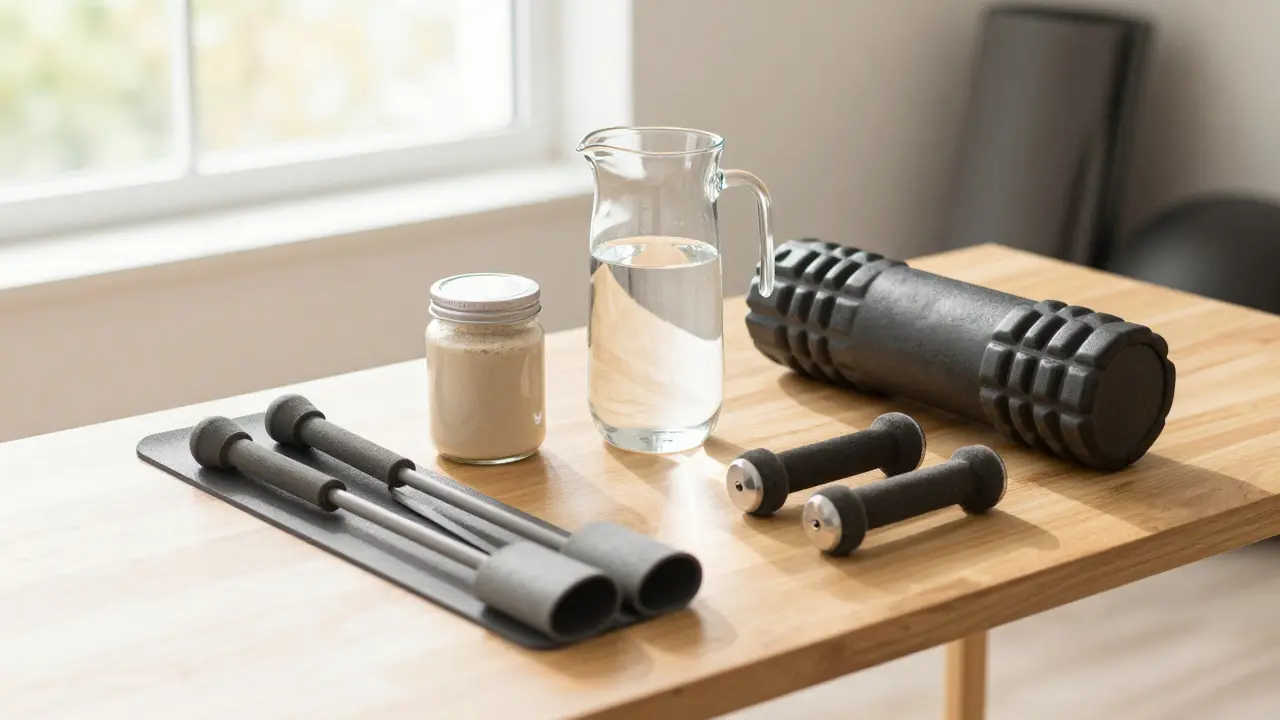
Sports massage shouldn't exist in a vacuum. It works best when combined with a broader strategy for Holistic Recovery. Combining manual therapy with hydration protocols and nutrition optimization amplifies results significantly.
For instance, drinking water immediately after a session helps your kidneys filter the released toxins faster. Similarly, ensuring you're getting enough protein allows those damaged fibers to rebuild with structural integrity. Stretching after massage maintains the newly gained range of motion while the tissue is still pliable. Ignoring these ancillary factors might limit your long-term gains regardless of how skilled the therapist is.
Is sports massage painful?
It can cause discomfort, especially when targeting trigger points or scar tissue, but it shouldn't be excruciating. You should communicate your comfort level. The 'good' kind of pain feels like relief, whereas bad pain signals injury.
How often should I get a sports massage?
Frequency depends on your activity level. Competitive athletes might schedule weekly sessions during intense seasons. Recreational exercisers usually benefit from monthly maintenance to manage cumulative fatigue.
Can sports massage prevent injury?
Yes, regular maintenance keeps muscles flexible and detects imbalances early. However, it cannot guarantee injury prevention. It reduces the likelihood of strain by ensuring tissue compliance and proper alignment.
What clothing should I wear?
Wear comfortable, easy-to-remove clothing like shorts or a sports bra. You may remain fully clothed for certain areas, such as shins or feet, depending on your preference and the therapist's method.
Is insurance covered for sports massage?
Some health funds cover sports massage under remedial claims if prescribed by a doctor or allied health professional. Check your specific policy as coverage varies significantly between providers.